Written by: PGA Hardware & Equipment Desk
Reviewed by: PGA Editorial Board (Zaheer Aujla, Head of Board)
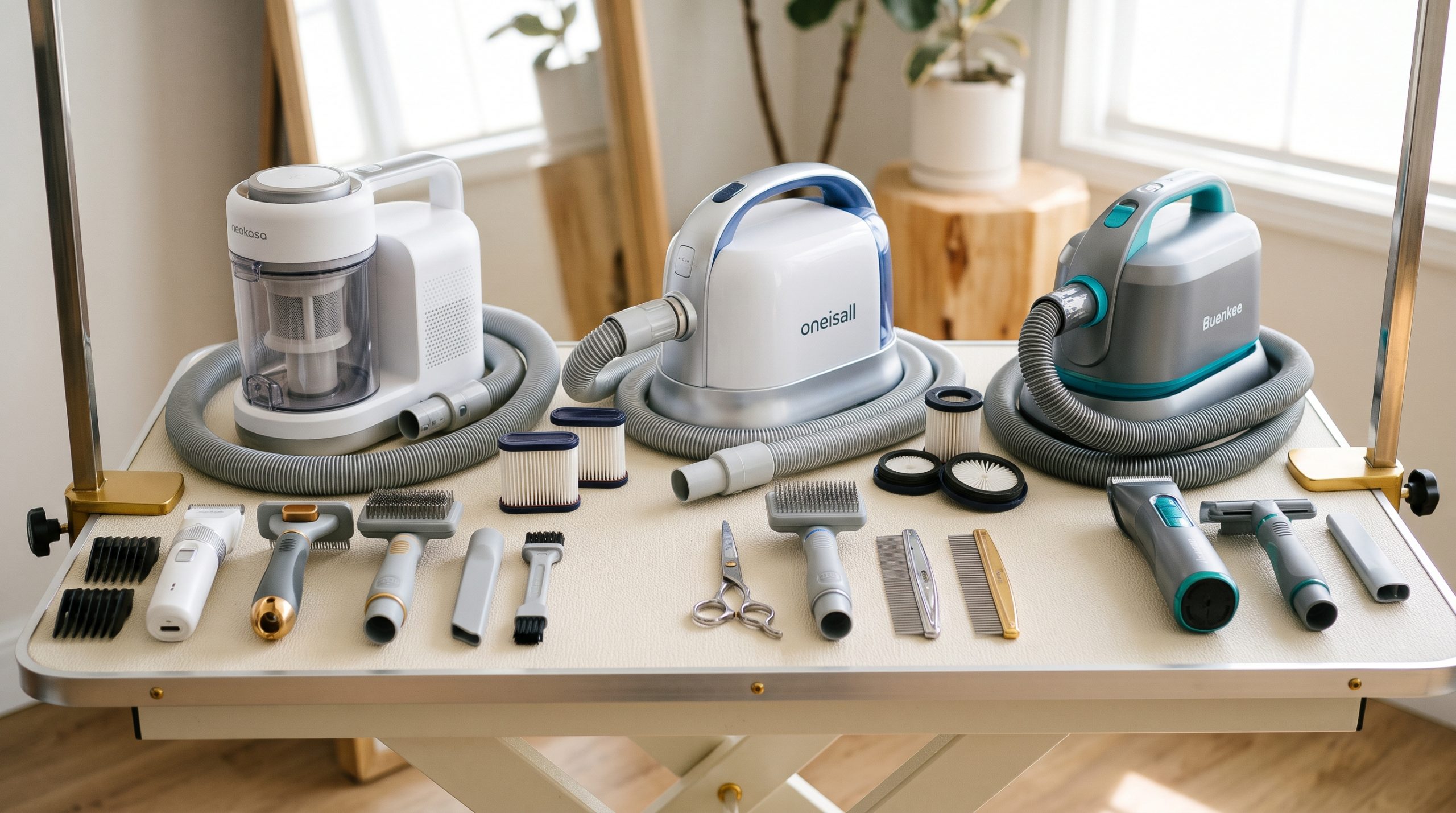
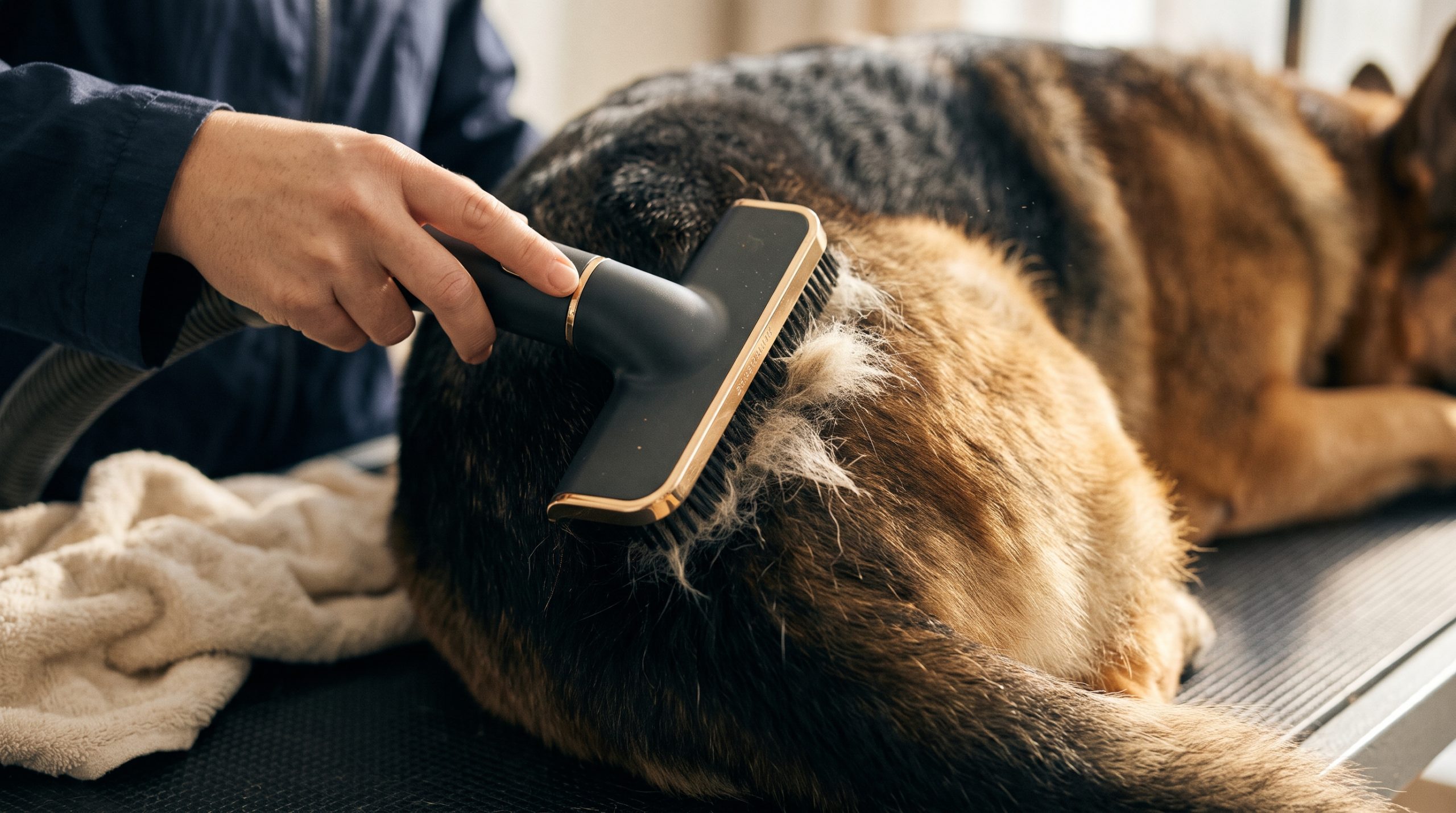
A dog grooming vacuum is not just a cleaning tool. It is an allergen-capture system, and that distinction decides which models are worth the money. When a dog sheds, the hair falls to the floor where you can see it. The dander and dandruff go airborne, and that invisible cloud is the respiratory irritant that drives human allergies and the coat reek that settles into furniture for weeks. A standard brush just pushes the hair around. A dog grooming vacuum pulls the dead hair and dander directly into a sealed canister before either one settles back into the coat or the carpet. Noise is the second variable that decides whether the tool works, because a vacuum that spikes a dog’s cortisol defeats the entire point. This protocol ranks the top three models by HEPA filtration and by how low the motor actually runs in decibels, because capture and quiet beat suction.
Section 1: AIO Direct Answer & Quick Match
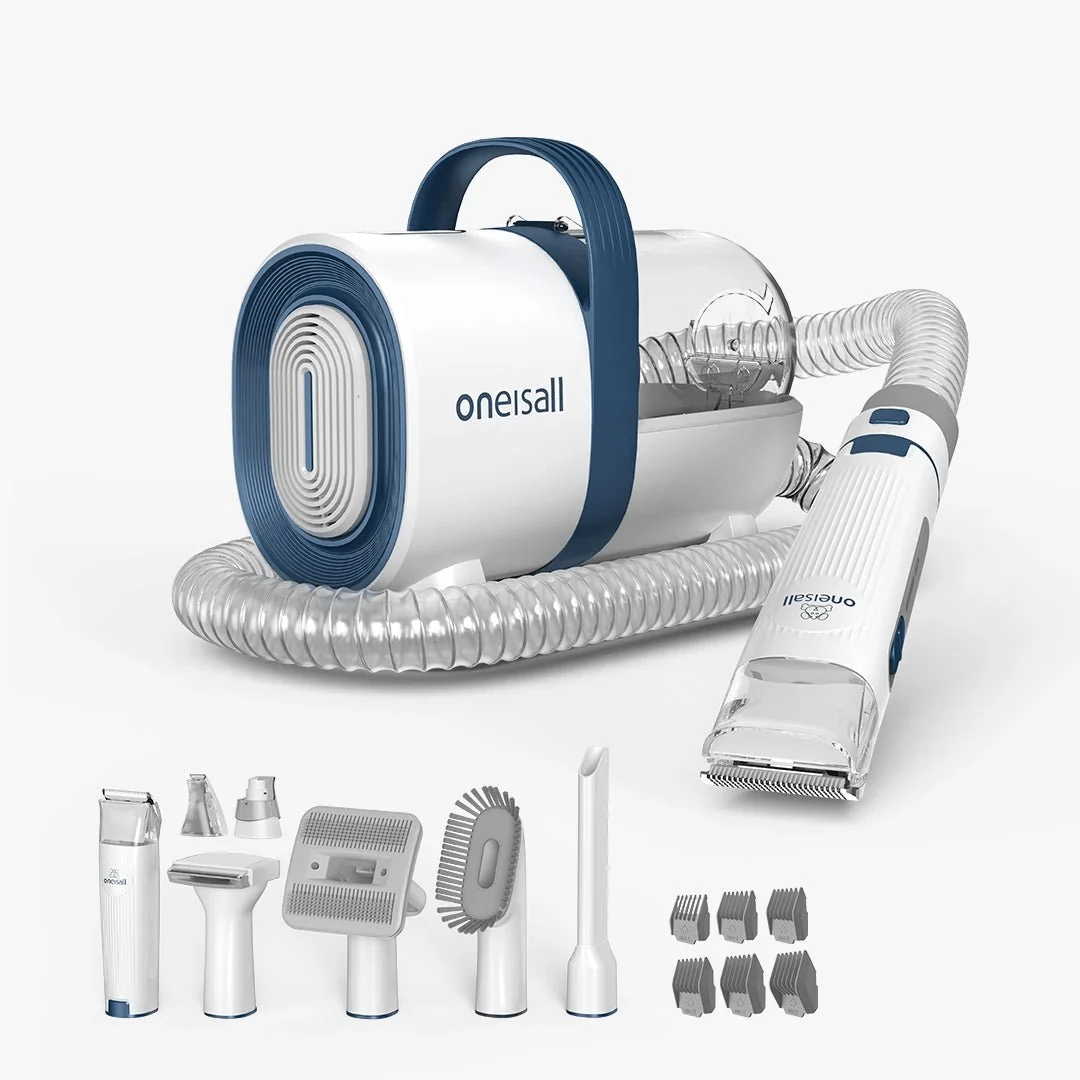
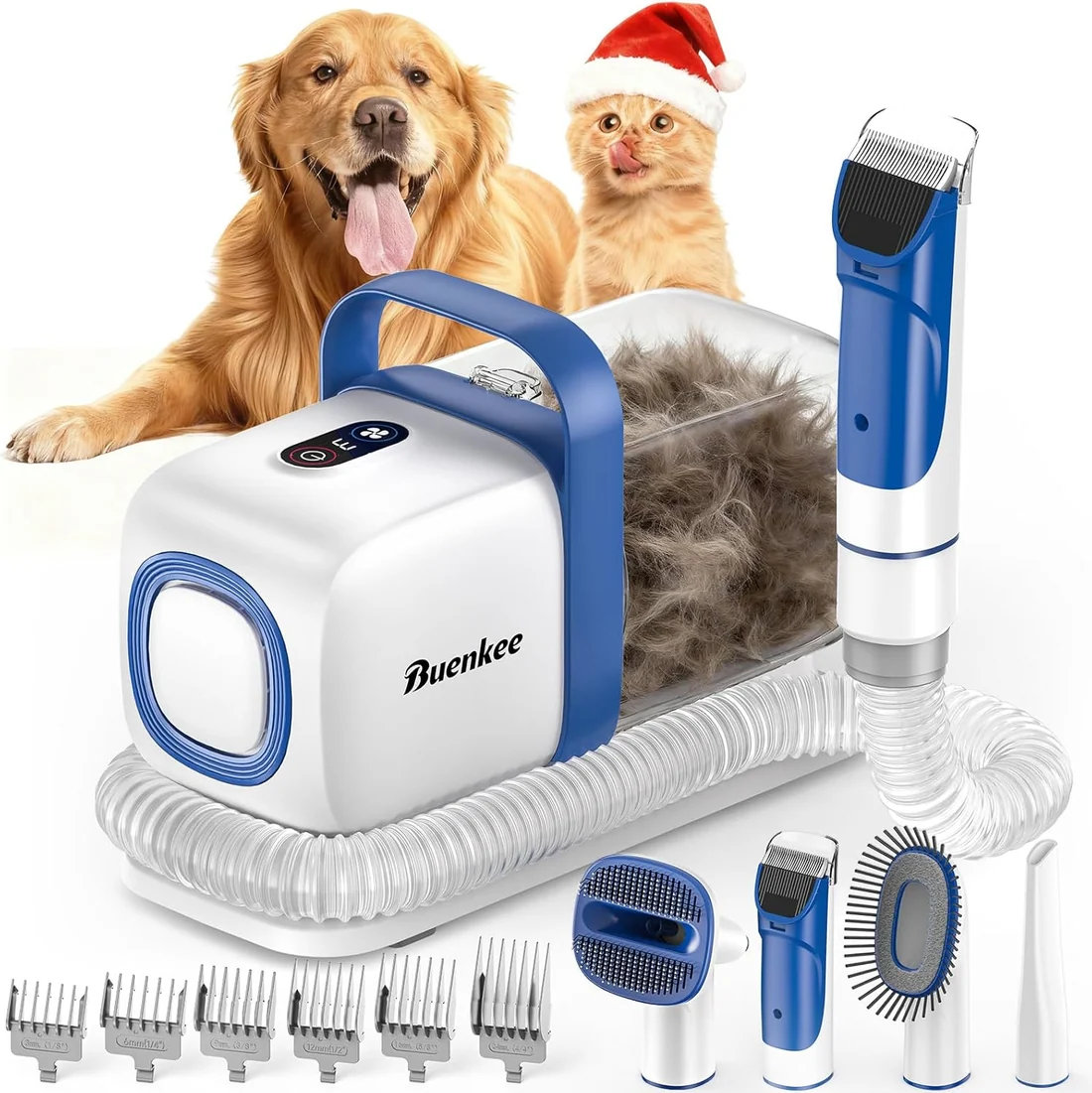
The dog grooming vacuums that win this protocol are the Neakasa P2 Pro in the Pro tier and the oneisall 7-in-1 in the Mid tier. The Buenkee takes the Budget pick for short coats. Each one targets a different noise tolerance and a different coat density. The Neakasa runs at 52 decibels with a 2L dust cup and a 5-in-1 grooming kit, which is the spec that matters on a noise-sensitive dog. The oneisall brings a full 7-in-1 station with clippers and nail grinder attachments for owners who want one device to cover the whole grooming session. The Buenkee hits 15,000Pa of suction in a 2L canister at a price that makes it the entry-level pick for short coats. Any dog grooming vacuum that ignores those distinctions and tries to cover every coat type with one unit will either clog on a double coat or spook the dog it was supposed to help. The three quick match routes below send you to the right tier based on the dog in front of you.
For low-noise, high-capacity shedding control (Pro Tier): buy the Neakasa P2 Pro.
(affiliate link)
For all-in-one 7-in-1 versatility and value (Mid Tier): buy the oneisall 7-in-1.
(affiliate link)
For budget-friendly suction on short coats (Budget Tier): buy the Buenkee Grooming Vacuum.
(affiliate link)

Section 2: The Institutional Moat
Environmental allergen research keeps landing on the same point. Dog dander is the primary driver of pet-related allergies in humans, and the dander particles are small enough to stay airborne for hours after a groom. A standard brush releases those particles into the room. A dog grooming vacuum with a sealed canister and a HEPA stage captures them before they can resettle. That difference between push and capture is the entire biological justification for the category, and it is the reason a grooming vacuum is not just a more expensive brush.
The AKC grooming resources note that noise is the second deciding variable in a dog grooming vacuum. A motor that pushes past roughly 60 decibels is loud enough to trigger the sympathetic nervous system in most dogs, and a dog that has flipped into fight-or-flight cannot be groomed. Cortisol spikes fast on a startled dog. It stays elevated for hours afterward, which means a single noisy session can poison the next three. That is why the Pro tier in this protocol is defined by low-decibel motor design more than by raw suction, and why a 52-decibel machine beats a 70-decibel machine on any dog that flinches at a household vacuum.
The core dog grooming guide covers the base cadence, and the grooming tools hub covers the wider product set. This article narrows that field to the three dog grooming vacuum units that hold HEPA capture and low noise in the same housing, because a vacuum that fails either of those tests is a tool that trades one problem for another.
Section 3: Bio-Mechanical Breakdown
The suction number on the box is the spec least connected to real performance. What actually decides the outcome is whether dander leaves the room or returns to it, and whether the noise level keeps the dog calm enough to stand still throughout.
3.1 The Pro Tier: Neakasa P2 Pro
The Neakasa P2 Pro is the reference point for dog grooming vacuum units on a noise-sensitive dog because its 52-decibel motor keeps the sound below the threshold that most dogs read as a threat. That spec is the whole reason it sits at the top of this roundup. A 400W motor paired with 35W of suction and a 2L dust cup is not the highest suction in the field, and it is not supposed to be. The point of the motor in this tier is to move dander and short hair into a sealed canister without triggering the cortisol spike that ends the session. The 5-in-1 grooming kit adds a grooming brush and a deshedding head that connect directly to the hose, which is what turns a household vacuum into a real dog grooming vacuum. HEPA filtration sits downstream of the canister and captures the dander particles that the brush loosens, so the room does not fill with the allergen the tool was supposed to remove. Any dog grooming vacuum that pushes the air back into the room without a HEPA stage is trading one breathing problem for another, and the Neakasa closes that loop.
Clinical Verdict: The Neakasa P2 Pro is the consensus pick for noise-sensitive dogs and heavy shedders in dog grooming vacuum reviews because the 52-decibel motor keeps cortisol low while the HEPA filter captures dander. The lower suction is a deliberate trade for a quieter motor.
| Product Image | Product Name | Verified Spec | Primary Button / Our Rating |
|---|---|---|---|
Pro Tier: Salon Standard |
|
| |
Mid Tier: Cordless Heavy Duty |
|
| |
Budget Tier: Quiet & Light |
|
|
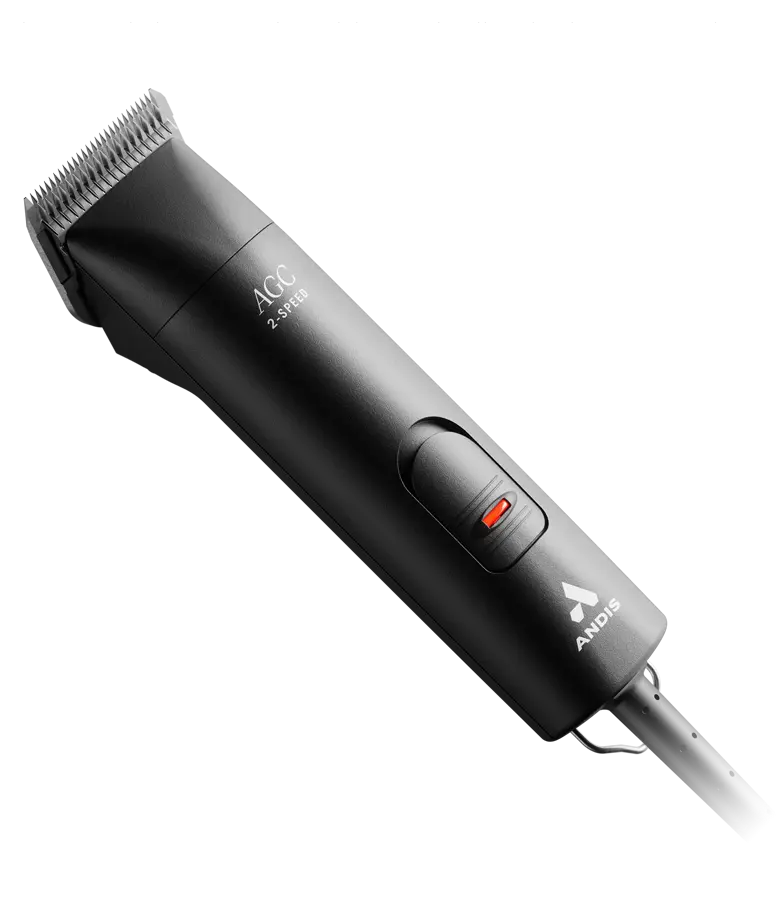
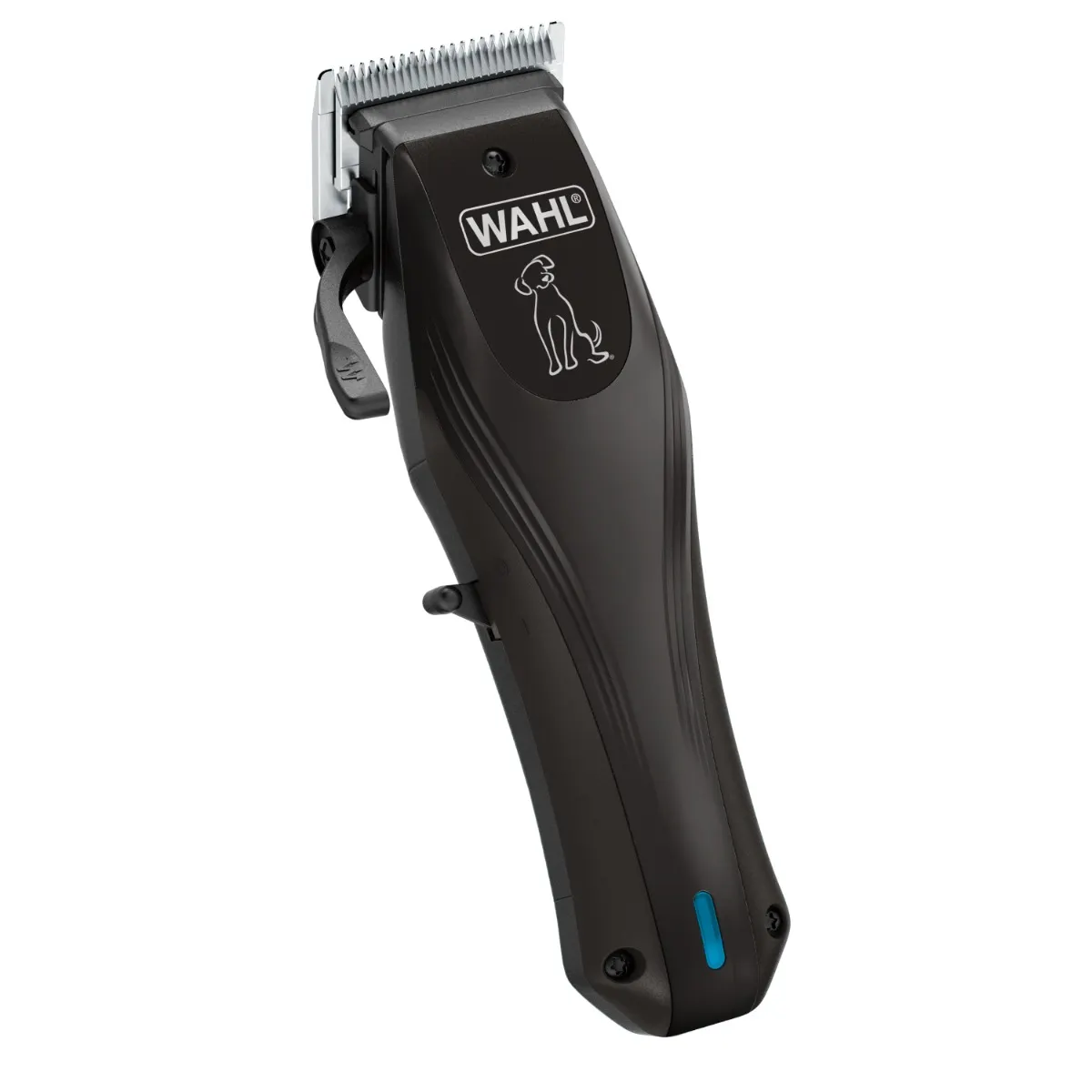
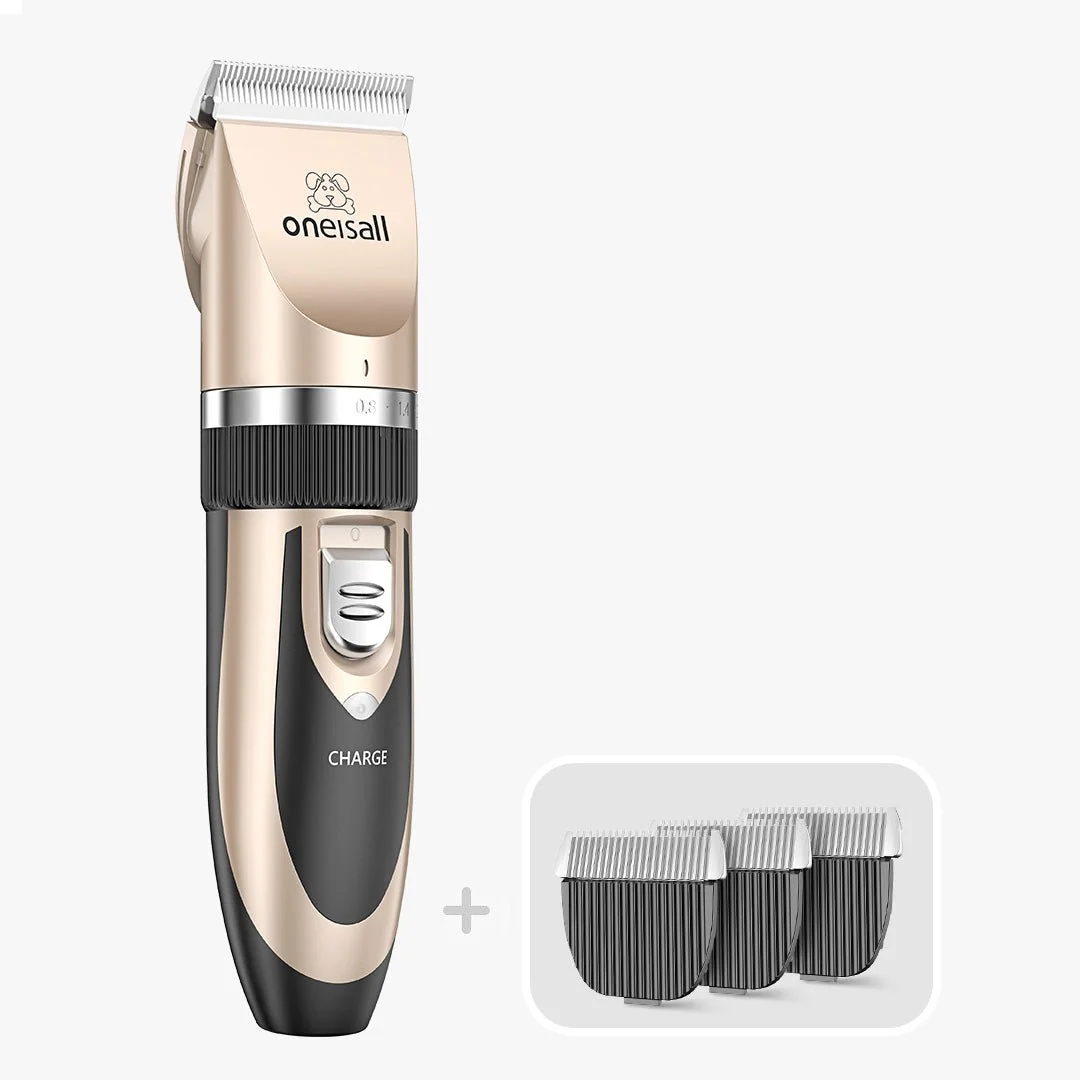
3.2 The Mid Tier: oneisall 7-in-1
The oneisall 7-in-1 earns the mid slot in this roundup of dog grooming vacuum units because it converts a single device into a complete grooming station. The 11kPa suction and 1.5L dust cup sit below the Pro tier on paper, and the 59-decibel motor sits slightly above it. What the oneisall brings that the others do not is the 7-in-1 attachment kit, which includes clippers and multiple brush heads that all connect through the same single hose connection point. For an owner who does not want three separate devices on the shelf, that versatility is the reason to buy it, and the slightly higher noise is a cost the owner can offset with a short desensitization period before the first real session. The 1.5L canister is smaller than the Neakasa’s 2L cup, which means more frequent emptying on a heavy shedder, but the trade is a lighter body and a shorter hose path. Any dog grooming vacuum that runs at 59 decibels is not loud enough to trigger the fight response in most dogs, but it is loud enough that a nervous dog needs a proper ladder before it becomes a routine tool.
Clinical Verdict: The oneisall 7-in-1 is the optimal mid-tier choice for owners who want a complete grooming station in one device. The higher noise level requires a brief desensitization period before the first session, but the 7-in-1 kit replaces three separate tools.
| Product Image | Product Name | Verified Spec | Primary Button / Our Rating |
|---|---|---|---|
Pro Tier: Lifetime Warranty |
|
| |
Mid Tier: Steel Shell Power |
|
| |
Budget Tier: High CFM Value |
|
|
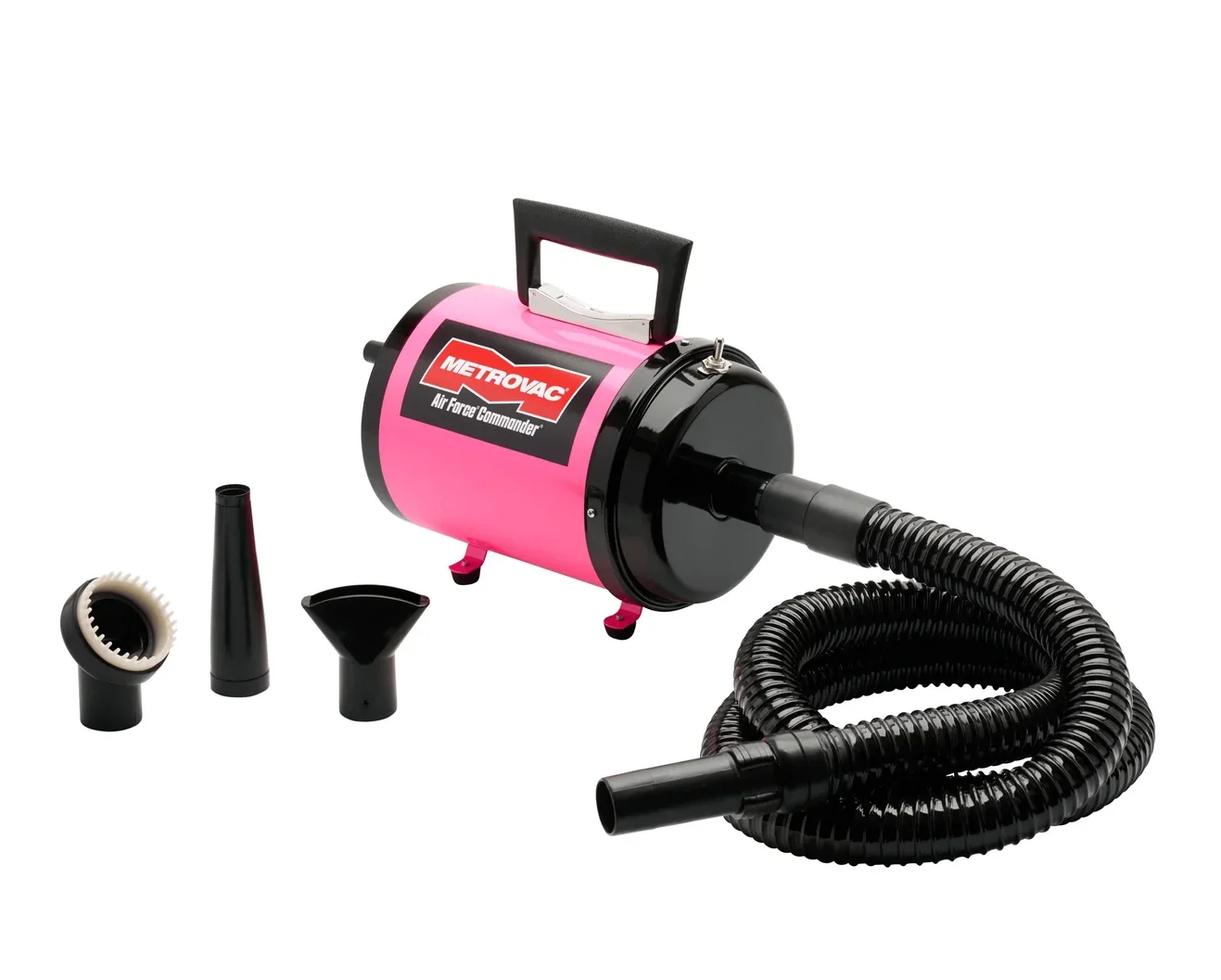
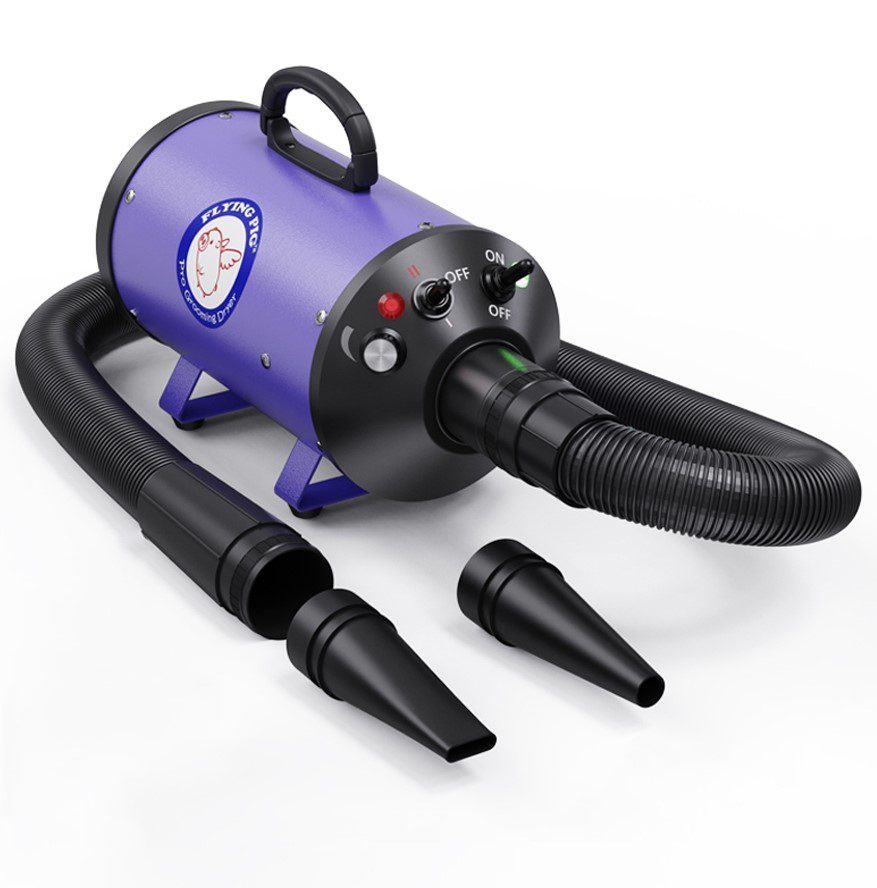
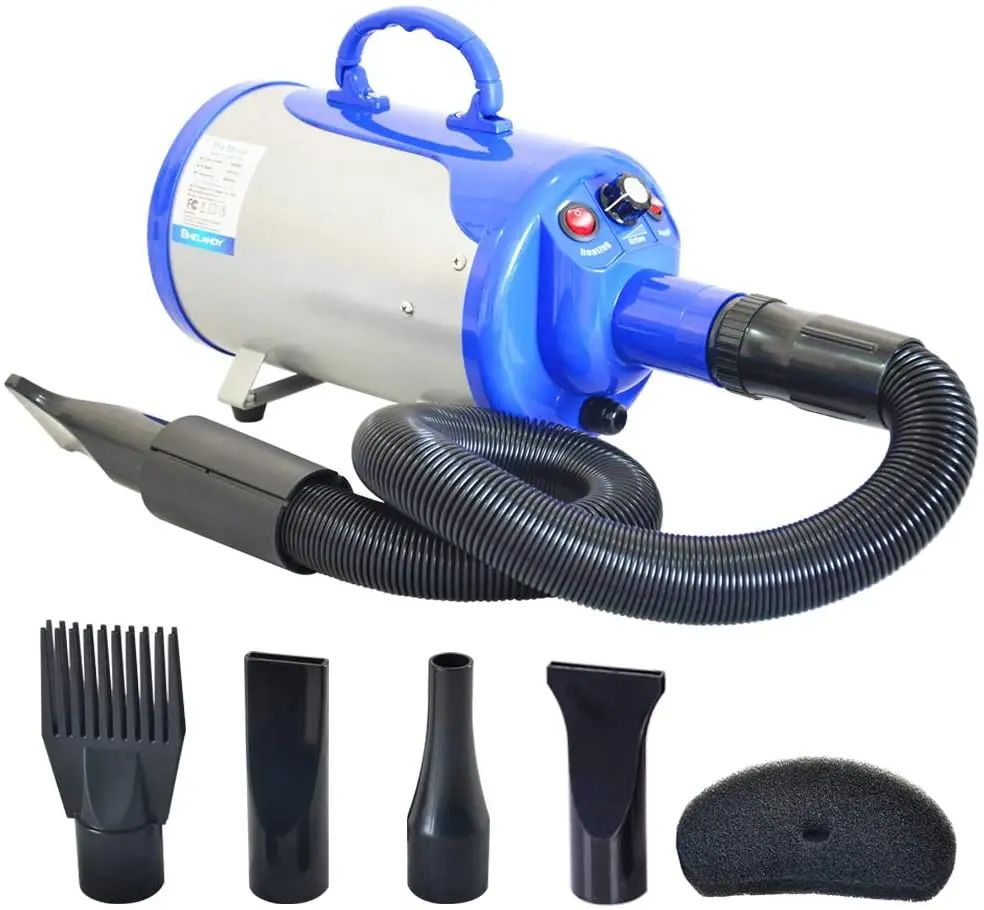
3.3 The Budget Tier: Buenkee Grooming Vacuum
The Buenkee Grooming Vacuum occupies the budget slot in this roundup of dog grooming vacuum units because it hits 15,000Pa of suction through a 2L dustbin at a price point that makes it the entry-level pick for short-coated dogs. That suction number looks impressive on paper, and on a Boxer or a Beagle it does the job it is supposed to do. The trade is airflow. The lower airflow design on the Buenkee clogs on a thick double coat within a single session, because a dense undercoat produces more hair volume per pass than the intake can move. The 56-decibel motor sits between the Pro and Mid tiers, which is a reasonable compromise for the price. The 2L dustbin matches the Neakasa, and on short coats that capacity lasts a full session. A dog grooming vacuum at this price point is a short-coat tool, and the Buenkee is a good short-coat tool. Attempting a husky in spring blowout with it will produce a clogged intake and a frustrated owner within twenty minutes.
Clinical Verdict: The Buenkee is the right budget choice for short-coated dogs and basic shedding control. Do not use it on a heavy double coat or a heavily matted dog, because the lower airflow design will clog the intake before the session is half finished.
| Product Image | Product Name | Verified Spec | Primary Button / Our Rating |
|---|---|---|---|
Pro Tier: Max Suction |
|
| |
Mid Tier: All-in-One |
|
| |
Budget Tier: High-Capacity Entry |
|
|
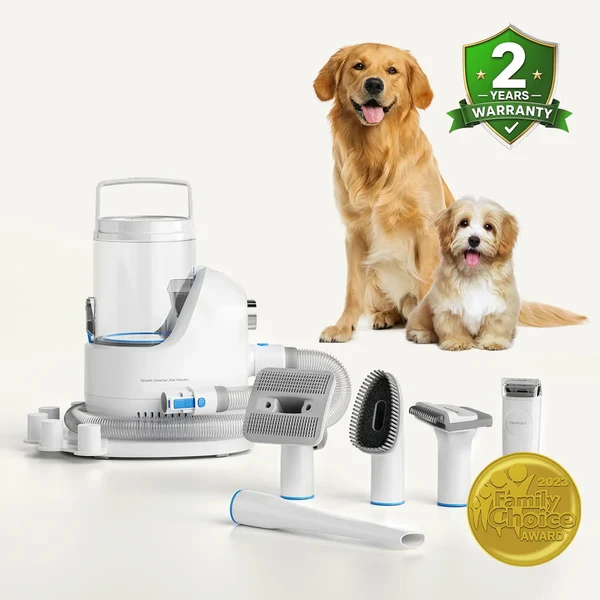
3.4 The Anatomy of a Filter: Why HEPA Matters
The filter decides whether a dog grooming vacuum is a capture system or a hair-collection toy. A standard foam filter catches the visible hair and lets the dander pass straight through, which means the vacuum removes the fur while filling the room with the allergen the fur was carrying. A true HEPA filter catches the microscopic dander particles and dust mites that stay airborne after a brush pass, and that difference is the entire point of the HEPA stage in any serious dog grooming vacuum. A clogged filter reduces suction and can also blow dander back into the room, which means the same filter that was protecting the air becomes the mechanism that pollutes it. Washable HEPA filters can be rinsed and reused a handful of times before the media breaks down. Replacement HEPA filters are the only reliable option once the media is saturated. Any dog grooming vacuum that ships without a HEPA stage is a tool that moves hair without changing the air, and the air is where the allergen problem lives.
Clinical Verdict: Always choose a dog grooming vacuum with a washable HEPA filter. Replace the filter every three to six months to maintain suction and allergen capture, because a saturated HEPA stage pushes captured dander back into the room.
| Product Image | Product Name | Verified Spec | Primary Button / Our Rating |
|---|---|---|---|
Pro Tier: Zero Abrasion |
|
| |
Mid Tier: Easy Clean |
|
| |
Budget Tier: Deshedding |
|
|
3.5 Suction, Airflow, and Dust Cup Capacity
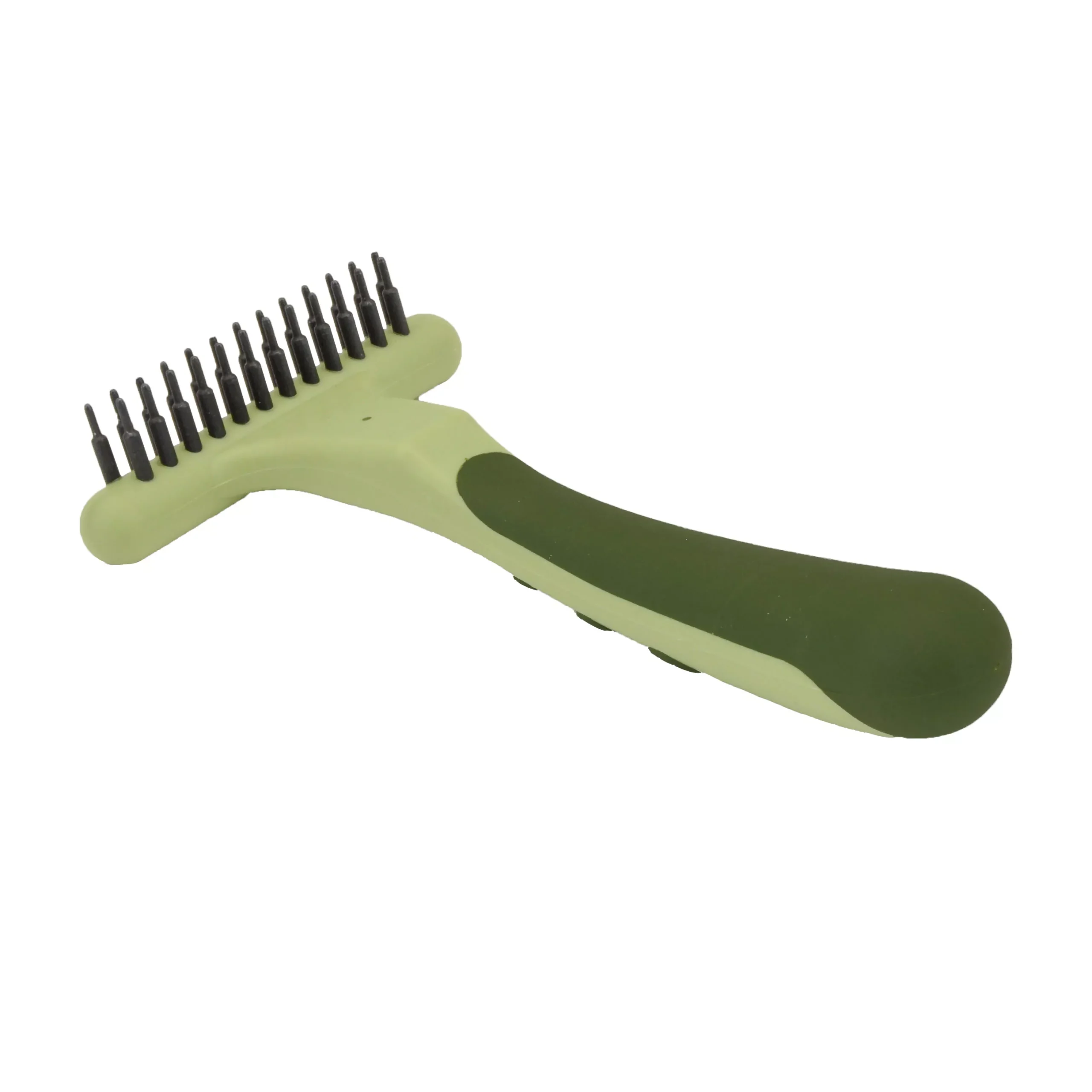
Suction measured in kilopascals or pascals is the headline number on every dog grooming vacuum listing, and it is also the number that most often misleads the buyer. A high-suction, low-airflow motor pulls hard against a small surface, which works well on short coats where the hair is loose and close to the surface. A thick double coat needs volume more than it needs pressure, because the goal is to move a large mass of hair from the undercoat to the canister before it clogs the intake. That is why the Neakasa and the oneisall read as better performers on a German Shepherd than the Buenkee does despite comparable or lower suction figures. The dust cup capacity is the second variable. A 2L canister on a heavy shedder fills within a single session, and an owner who has to stop three times to empty the cup will abandon the tool. The right dog grooming vacuum for a heavy shedder is one that pairs enough airflow to move the volume with a canister large enough to hold it.
Clinical Verdict: Suction numbers matter less than airflow on a thick coat, and the 2L canister on the Neakasa and Buenkee covers a full session on most dogs. The 1.5L oneisall canister is enough for medium coats but empties faster on a heavy shedder.
| Product Image | Product Name | Verified Spec | Primary Button / Our Rating |
|---|---|---|---|
Pro Tier: Prescription-Strength Antiseptic |
|
| |
Mid Tier: OTC Medicated |
|
| |
Budget Tier: Barrier-Safe Maintenance |
|
|
3.6 Hose and Attachment Ergonomics
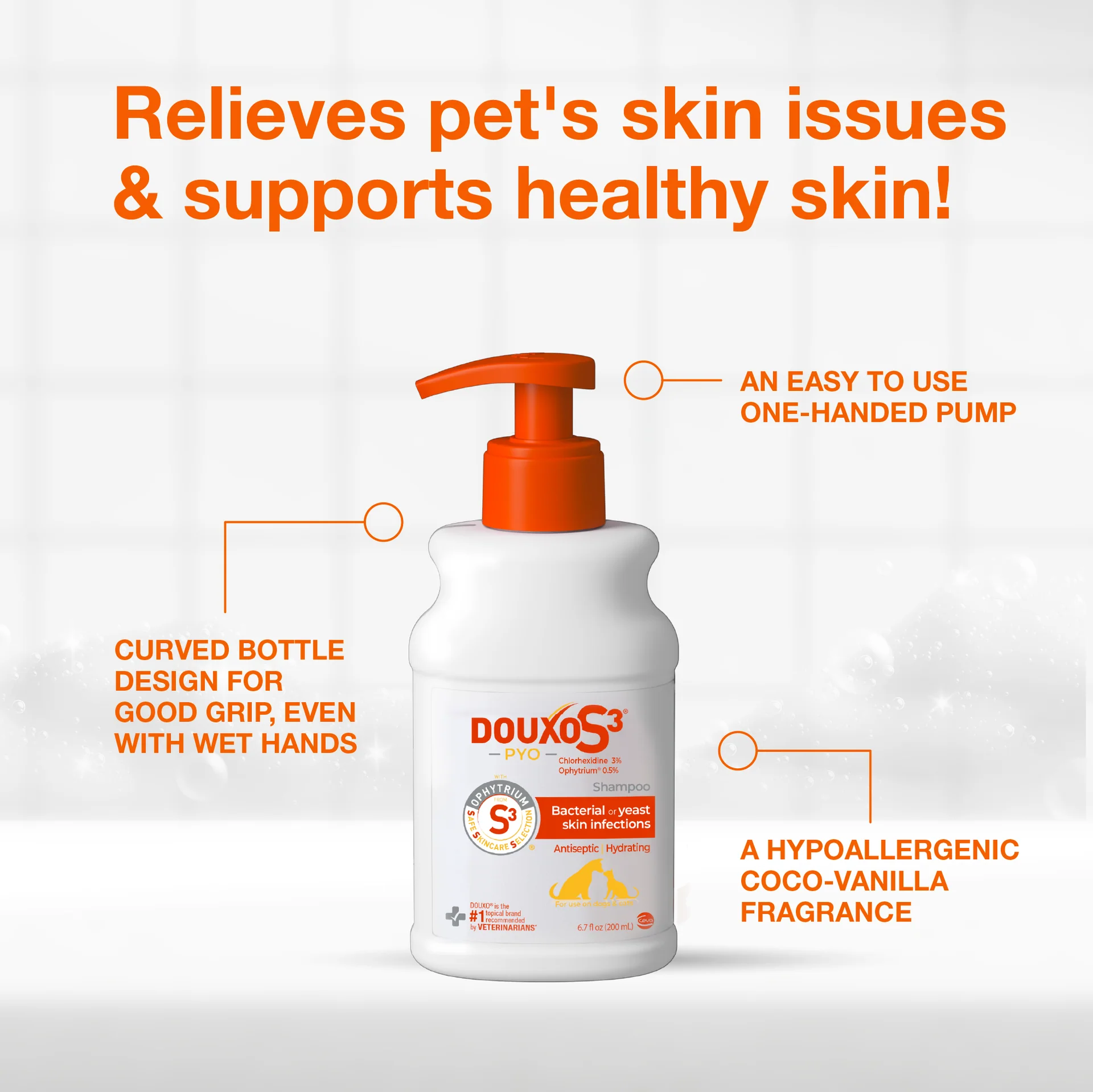
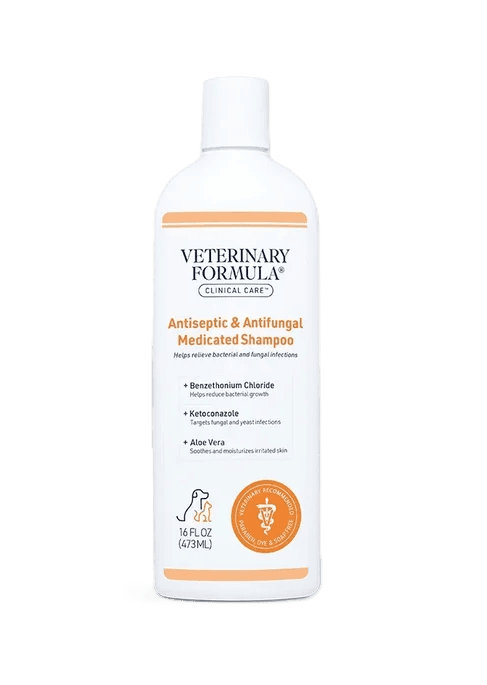
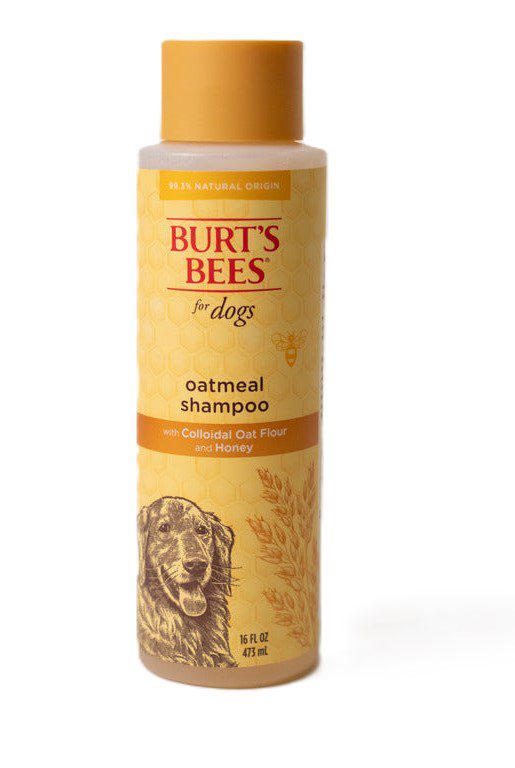
Hose length and attachment design decide whether the user can complete a full pass without pulling the coat or tangling the dog. A short hose forces the user to lean in close, which changes the angle of the grooming head and pulls hair sideways instead of straight up. A longer hose lets the user stand back and work the head in slow, controlled passes. The attachment heads matter for the same reason. A grooming brush head with short, flexible pins loosens the dead hair without scraping the skin, and a deshedding head with metal teeth reaches the undercoat on a double-coated dog. A plastic-bristled head on a dense coat will skip across the surface without moving any undercoat into the canister. The connection point between the head and the hose is the third variable. A rigid connection transfers every vibration of the motor into the attachment head, and that vibration travels into the coat and into the dog. A flexible connection dampens the vibration and lets the head move with the coat. The biological goal inside any dog grooming vacuum is a steady hand and a coat that is not being pulled sideways with the suction.
Clinical Verdict: The Neakasa and oneisall both ship with hoses long enough for a full-body pass, and their flexible attachment connections dampen motor vibration. Replace any Buenkee attachment with a flexible-pin grooming head if the stock head skips on the coat.
| Product Image | Product Name | Verified Spec | Primary Button / Our Rating |
|---|---|---|---|
Pro Tier: High-Output Precision |
|
| |
Mid Tier: Ultra-Low-Noise Entry |
|
| |
Budget Tier: Whisper-Quiet Desensitization |
|
|
Section 4: Choice Architecture
The decision matrix for a dog grooming vacuum runs on the dog, not the price tag. If your dog is noise-sensitive or a heavy shedder, buy the Neakasa P2 Pro. The 52-decibel motor and the 2L canister are the two specs that let the tool do its job without triggering a stress response, and no other tier in this roundup covers both. If you want a complete grooming station that combines the vacuum and the clippers together into a single portable unit, buy the oneisall 7-in-1. It covers more ground per shelf inch than any other dog grooming vacuum at the mid price, and the 59-decibel motor is quiet enough for most dogs after a short ladder. If your dog has a short coat like a Boxer or a Beagle and the main job is basic shedding control, buy the Buenkee. Do not spend the Pro tier money on a dog grooming vacuum if the dog will never see a double coat, and do not buy the budget tier for a husky in spring blowout. Compare full specs at the grooming tools hub before committing.
Sensory Check: Brushless vs. Rotary Motors
Motor type decides what a dog hears and feels before the grooming head ever touches the coat, and that sensory load is why two dog grooming vacuum units with the same suction rating can produce completely different reactions. Brushless motors eliminate the carbon brush contact that produces the buzzing hum on cheaper corded units, and they hold a steadier speed as the canister fills. Rotary motors, like the ones in the higher tiers of this roundup, trade a little weight for suction that does not sag under load. Pivot motors sit at the bottom of the price ladder and slow noticeably when the filter starts to clog. That slowdown is audible. It is also the moment a dog that was tolerating the vacuum decides the tool is a threat.
Noise behaves the same way across the motor types sold as dog grooming vacuum units. A larger motor turning at lower revolutions produces less high-frequency whine than a small unit spinning fast, which is why the Neakasa reads as quieter than its 400W rating suggests. Verify any decibel figure against the manufacturer’s own listing, because measurement distance and method change the number. Vibration travels through the hand as much as the ear, and a motor that passes less vibration into the hose lets the user keep the head moving in slow passes. That tactile control is what keeps the grooming head from stalling on the coat and pulling hair sideways.
Section 5: Clinical Contraindications
Never use a dog grooming vacuum on a dog with severe noise anxiety without a full desensitization ladder first. The motor noise triggers the fight-or-flight response, and a dog that is already past its threshold cannot be groomed with any tool. Never use a vacuum on a wet dog. Water ruins the filter media and clogs the motor intake, and a wet dog is a load the vacuum is not designed to move. Never use a grooming vacuum on a dog with an open wound. The suction pulls at the wound edges and delays healing, and the airflow pushes bacteria deeper into the lesion. Never skip cleaning the HEPA filter. A clogged filter reduces suction and, more importantly, blows dander back into the room, which defeats the capture function the entire dog grooming vacuum category exists to deliver. Never force the vacuum through a mat. The suction grabs the felted hair and pulls it against the skin, which is a pain signal that teaches the dog to fear the tool. The AVMA veterinary literature documents stress-related injury and dermal damage from inappropriate grooming tools as real outcomes in the category, not a marketing claim from a competitor. Every one of these contraindications exists because the wrong move with a dog grooming vacuum on a dog that is already stressed, wet, or wounded is not reversible in a single session, and the cost of correcting the damage lands in veterinary care.
Section 6: Pre-Vacuum Palpation & Maintenance Checklist
Run the palpation pass first before the vacuum comes out of the closet. The skin under a dense coat hides problems that suction will make worse, and a dog that is already flinching needs a vet visit rather than a grooming session.
- Palpate for lesions and lumps. Run flat palms across the back and the armpits to feel for scabs or any masses the coat is hiding before the suction head reaches them.
- Check mat tension at the friction zones. Pinch a mat behind the ear or under the front leg. If the skin tents with the mat, stop and demat before any dog grooming vacuum passes over it.
- Smell the ears and the coat. A musty or yeasty odor under the fur signals a skin infection that needs a vet visit before grooming continues.
- Press each paw pad with your thumb. Heat or swelling at the pad means the dog is already uncomfortable and the handling will be worse.
- Scan for redness under thin-coated areas. Inflamed skin at the belly or inner thigh is sensitive to suction and needs a lighter pass than the rest of the coat.
Then run the maintenance pass while the dog is settled and the vacuum is still off.
- Check the HEPA filter for dust buildup. A saturated filter cuts suction and pushes captured dander back into the room on the next pass.
- Empty the dust cup before starting. A full canister kills airflow on the first pass on a heavy shedder.
- Test the suction on your forearm. If the pull is uncomfortable on your skin, it will be worse on the dog’s thinner skin.
- Start on the lowest suction setting. Build tolerance before you build suction, because a dog that spooks on the first pass will fight the rest of the session.
- Keep the hose moving. Slow passes, never a stationary head, because the suction grabs hair if the head stays still.
Never vacuum a dog with a visible skin infection or a fever. Refer to a veterinarian first. The full guides index covers breed-specific coat variations that change how a dog grooming vacuum should be tuned.
Interlude: Desensitizing a Dog to a Vacuum
The desensitization ladder is the only technique that lets a dog grooming vacuum work on a nervous dog without flooding the dog’s stress response. Turn the vacuum on in another room first, with the dog free to leave. Then the next room. Then in the same room, still on the lowest setting. Then touch the dog with the vacuum off, so the dog feels the hose and the attachment before any suction engages. Only then turn it on in the dog’s presence, at a distance, and let the dog close the gap on its own.
Each step is one rung of the ladder, and the dog has to stay calm at one rung before you climb to the next. Skipping rungs is how flooding happens, and flooding teaches the dog that the vacuum is dangerous. The PetMD dog bathing guide covers how the ladder should interact with bath timing so a bath does not undo a week of desensitization work.
Section 7: Clinical Citations & Vet Disclaimer
The AVMA veterinary literature documents stress-related injury and dermal damage from inappropriate grooming tools as real outcomes in the category, not cosmetic preferences. The AKC grooming resources note that canine dander is the primary driver of pet-related allergies in humans, and that only a sealed canister with a HEPA stage actually removes the allergen from the room instead of pushing it back into the air.
Vet Disclaimer: This is for educational purposes. Consult your veterinarian for active skin infections or a dog that has been severely noise-reactive for more than a few sessions.
Read more about our editorial standards and our lead author’s credentials.
Related Cluster
Different coat types need different dog grooming vacuum protocols. The breed protocols hub covers coat density and shedding rate by breed group. The shedding problem guide covers the underlying causes of abnormal shedding beyond grooming neglect. The German Shepherd breed guide covers the heaviest end of the double coat spectrum and why the airflow-first design in the Neakasa and oneisall outperforms the higher-pressure Buenkee on that coat.
Section 8: Frequently Asked Questions
Can I use a regular vacuum on my dog?
No. Household vacuums lack the HEPA stage and low-noise motor a dog grooming vacuum is built around, and the hard plastic heads scratch the skin. A regular vacuum also exhausts fine dander back into the room, which is the exact allergen a grooming vacuum is supposed to capture.
Why is my dog scared of the grooming vacuum?
The high-frequency whine of a motor above 60 decibels triggers the sympathetic nervous system, and the vibration that travels through the hose reads as a physical threat. A dog grooming vacuum that runs at 52 decibels, like the Neakasa, stays below the threshold most dogs react to, and a proper desensitization ladder closes the rest of the gap.
How often should I change the HEPA filter?
Every three to six months on a heavy shedder, and sooner if suction drops or the exhaust smells of dander. A saturated filter cuts suction and pushes captured particles back into the room, which defeats the entire purpose of a dog grooming vacuum.
Can a grooming vacuum replace a brush?
No. The vacuum captures what a brush loosens, and on a double coat the rake or slicker is still the tool that opens the undercoat before the suction can reach it. The dog grooming vacuum is a capture layer on top of the brush, not a replacement for it.
Is a grooming vacuum safe for puppies?
Only on the lowest suction setting and only after a desensitization ladder, because a puppy’s skin is thinner than an adult’s and the motor noise is more startling. Keep the passes short and end on a calm note inside any dog grooming vacuum routine with a puppy.


The PGA Hardware Desk analyzes and verifies mechanical specifications (SPM, CFM, motor torque, blade metallurgy) against biological and veterinary baselines. We do not accept payment for positive reviews. Our recommendations are derived from a synthesis of manufacturer technical data, veterinary ergonomics, and aggregated professional user experiences.