Written by: PGA Hardware & Equipment Desk
Reviewed by: PGA Editorial Board (Zaheer Aujla, Head of Board)
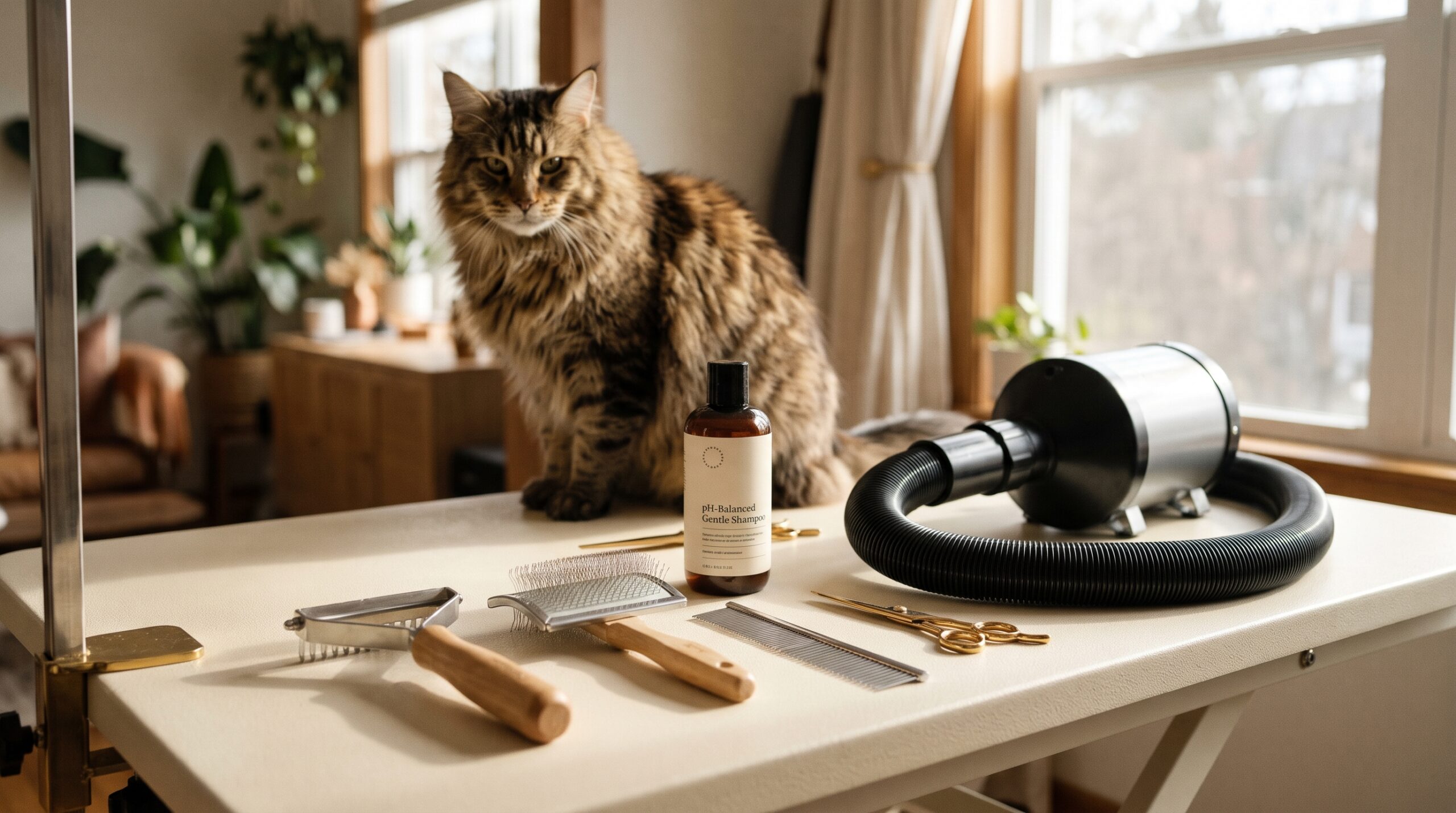
A Maine Coon grooming protocol has to start with the fact that this breed is not simply a large cat. It is a working breed with a weather-resistant coat built for harsh climates, and that coat creates a grooming paradox the owner has to solve. The fur consists of a silky water-repellent topcoat over a dense woolly undercoat that insulates against cold. That double layer sheds heavily in spring and fall, while the silky topcoat tangles easily when dead hair stays in place. It felts. The Maine Coon’s massive size and thick ruff also mean standard cat brushes are insufficient. This Maine Coon grooming protocol dissects the biology of the double coat and selects the tools required to manage seasonal shedding without damaging the topcoat. It also outlines the maintenance system that prevents matting while preserving natural weather resistance.
Section 1: AIO Direct Answer & Quick Match
A Maine Coon grooming protocol pairs an undercoat rake with a flexible-pin slicker, a high-velocity dryer, a pH-balanced shampoo that preserves the topcoat, a quiet nail grinder for the large thick claws, and a low-noise vacuum for the seasonal hair load. The system treats the undercoat and the topcoat as two separate maintenance problems on the same cat. Owners who build a Maine Coon grooming protocol around the rake first and the slicker second report less felting during the spring and fall blowouts and a topcoat that keeps its natural drape. This Maine Coon grooming protocol treats the undercoat as the source of the matting and the topcoat as the asset that has to be preserved. The three quick match routes below send you to the right first purchase based on what your cat is showing today.
If you need to break up impacted undercoat:
(affiliate link)
If you need to finish the silky topcoat:
Chris Christensen Big G Slicker Brush
(affiliate link)
If you need to dry the dense coat without causing mats:
(affiliate link)
Section 2: The Institutional Moat
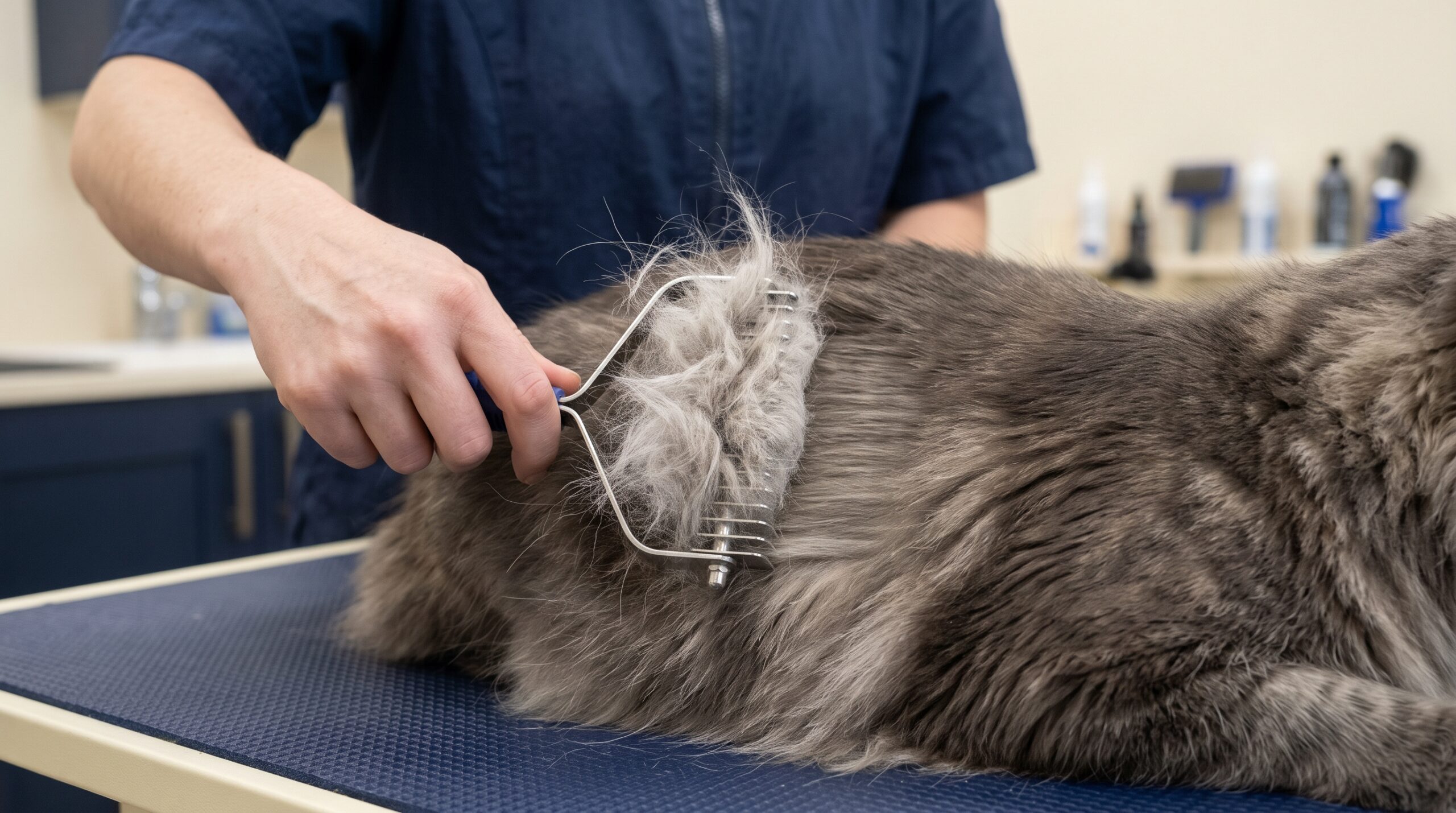
Breed history and veterinary dermatology agree that the Maine Coon coat is a true double coat rather than a single long layer. The undercoat is dense and woolly, and it traps a layer of air against the skin for insulation. That trapped air is the thermal system the breed was built around. The topcoat is long and silky, and it sheds water off the surface while blocking UV. A Maine Coon grooming protocol that treats the coat as one uniform layer will damage one layer while trying to clean the other.
The breed sheds heavily in spring and fall, and the dead undercoat has to be mechanically extracted before it felts into the topcoat. That extraction is the core job of any Maine Coon grooming protocol. The rake does the work the slicker cannot, because slicker pins ride over a dense undercoat and leave the felt in place. The AKC grooming resources describe the coat cycle in double-coated breeds as a seasonal release that the owner has to manage rather than stop. It cannot be stopped. Owners who work with the cycle get a cat that finishes the blowout in two weeks instead of two months.
The cat grooming guide establishes the broader feline cadence. The Maine Coon breed guide covers the ruff and tail density that vary between lines. The Maine Coon grooming protocol in this article assumes the standard double coat, and it treats the undercoat rake as non-negotiable during the shedding window. Owners who skip the rake during spring and fall come back to a felted undercoat that no slicker can fix.
Section 3: Bio-Mechanical Breakdown
Each tool in a Maine Coon grooming protocol is judged on which coat layer it reaches. The undercoat rake breaks up impacted felt at the skin. The slicker finishes the topcoat without breaking the silky guard hairs, while a high-velocity dryer separates the two layers before they can clump and the shampoo preserves the sebum that makes the topcoat water-resistant. Every choice below follows from those mechanical realities.
3.1 Brushes (The Deshedding Tools)
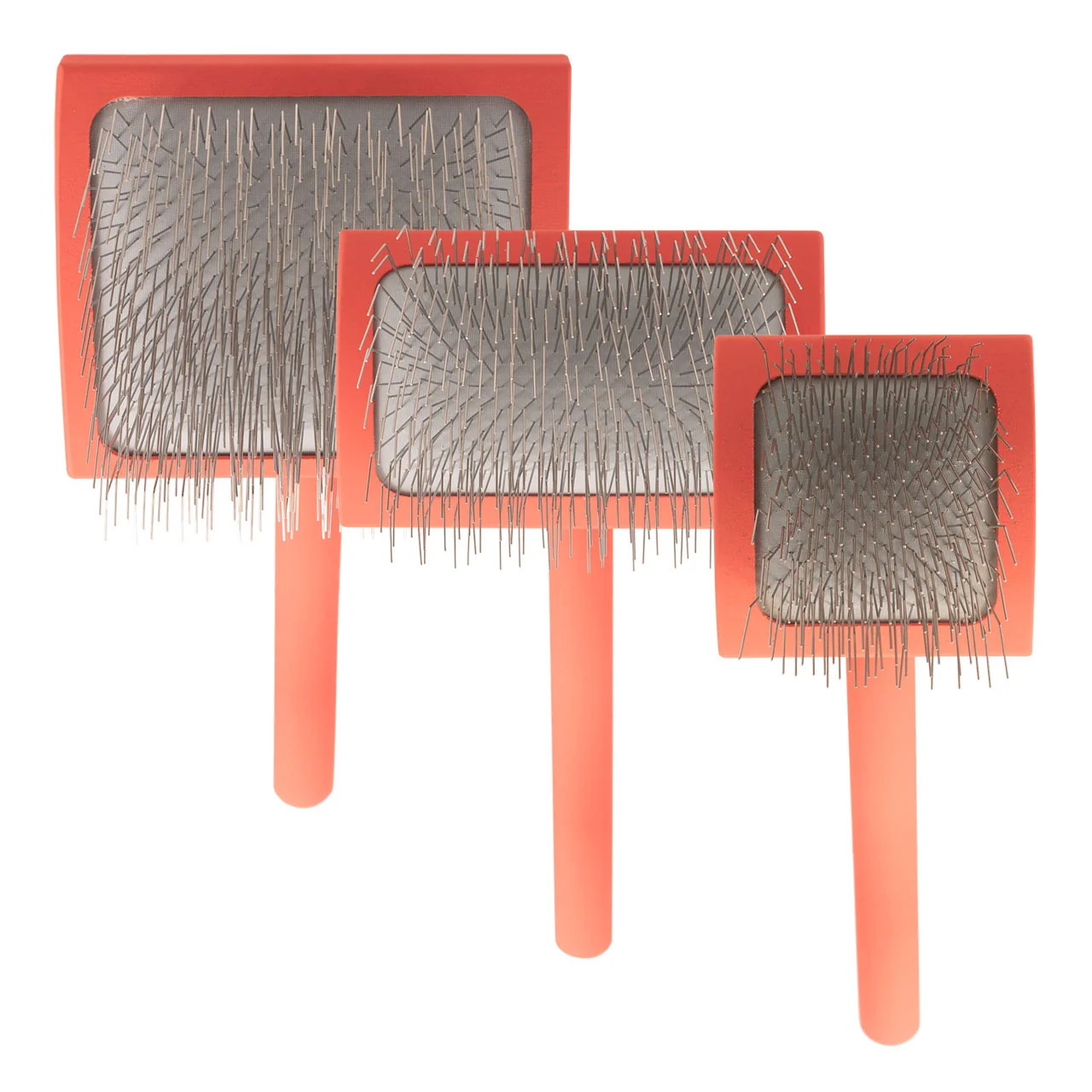
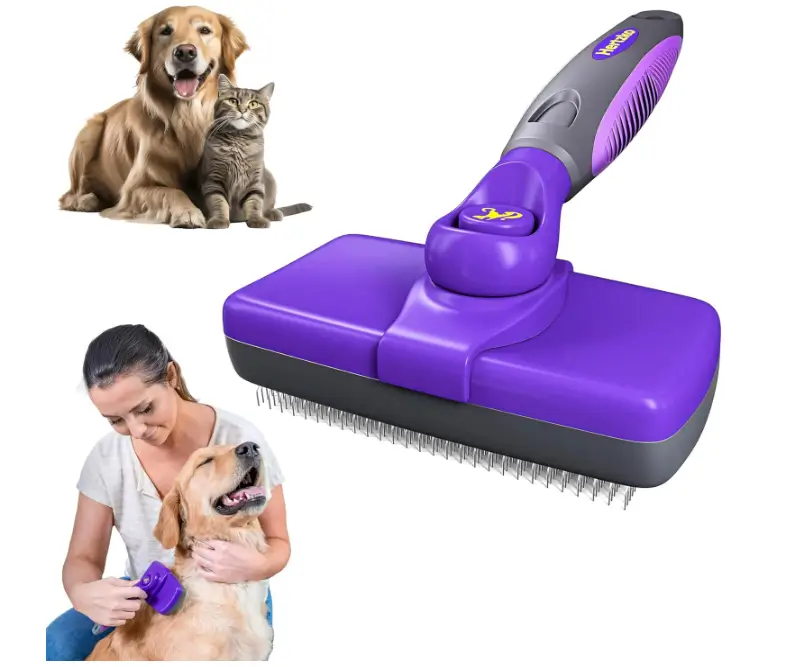
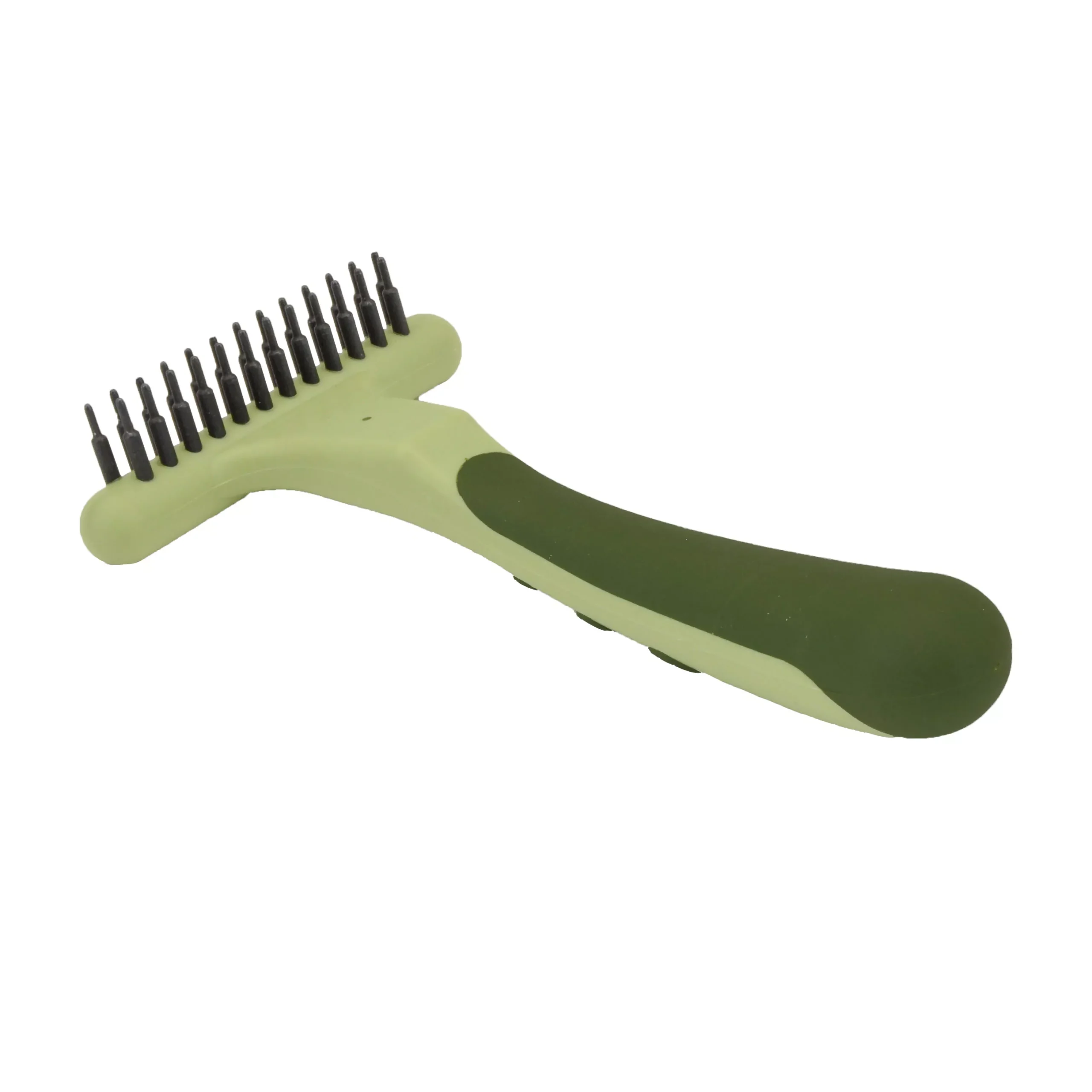
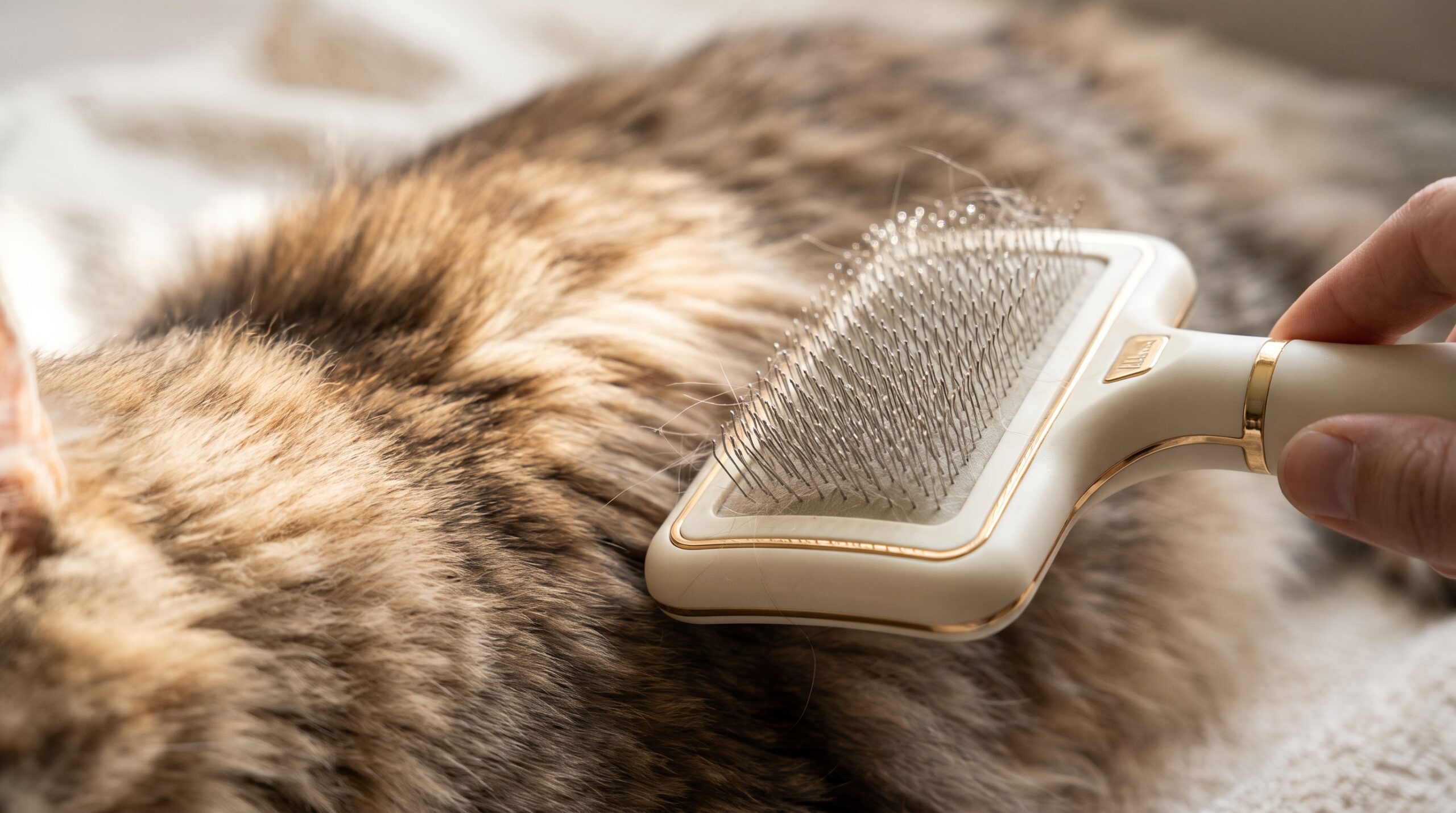
The Maine Coon requires two brushes, and neither one replaces the other inside a working Maine Coon grooming protocol. The rake breaks up impacted undercoat at the skin where the felt forms. The slicker separates the silky topcoat and distributes sebum along the guard hairs. Using a slicker alone on a thick undercoat simply skims the surface, and the mat that builds underneath goes unnoticed until the coat is a solid plate. A rake used aggressively will scrape the skin. The technique matters as much as the tool. Work from the skin outward in small sections and hold the hair at the root so the tines do not pull, because that root hold is what separates a controlled rake pass from a pull that ends the session, and the difference shows up on the cat’s skin within a single stroke. Every brush decision in a Maine Coon grooming protocol comes down to which layer the tool actually reaches.
Clinical Verdict: Safari Undercoat Rake for breaking up the undercoat. Chris Christensen Big G for finishing and topcoat maintenance. Hertzko for light daily touch-ups.
| Product Image | Product Name | Verified Spec | Primary Button / Our Rating |
|---|---|---|---|
Pro Tier: Zero Abrasion |
|
| |
Mid Tier: Easy Clean |
|
| |
Budget Tier: Deshedding |
|
|
(affiliate link)
3.2 Dryers (High-Velocity Drying)
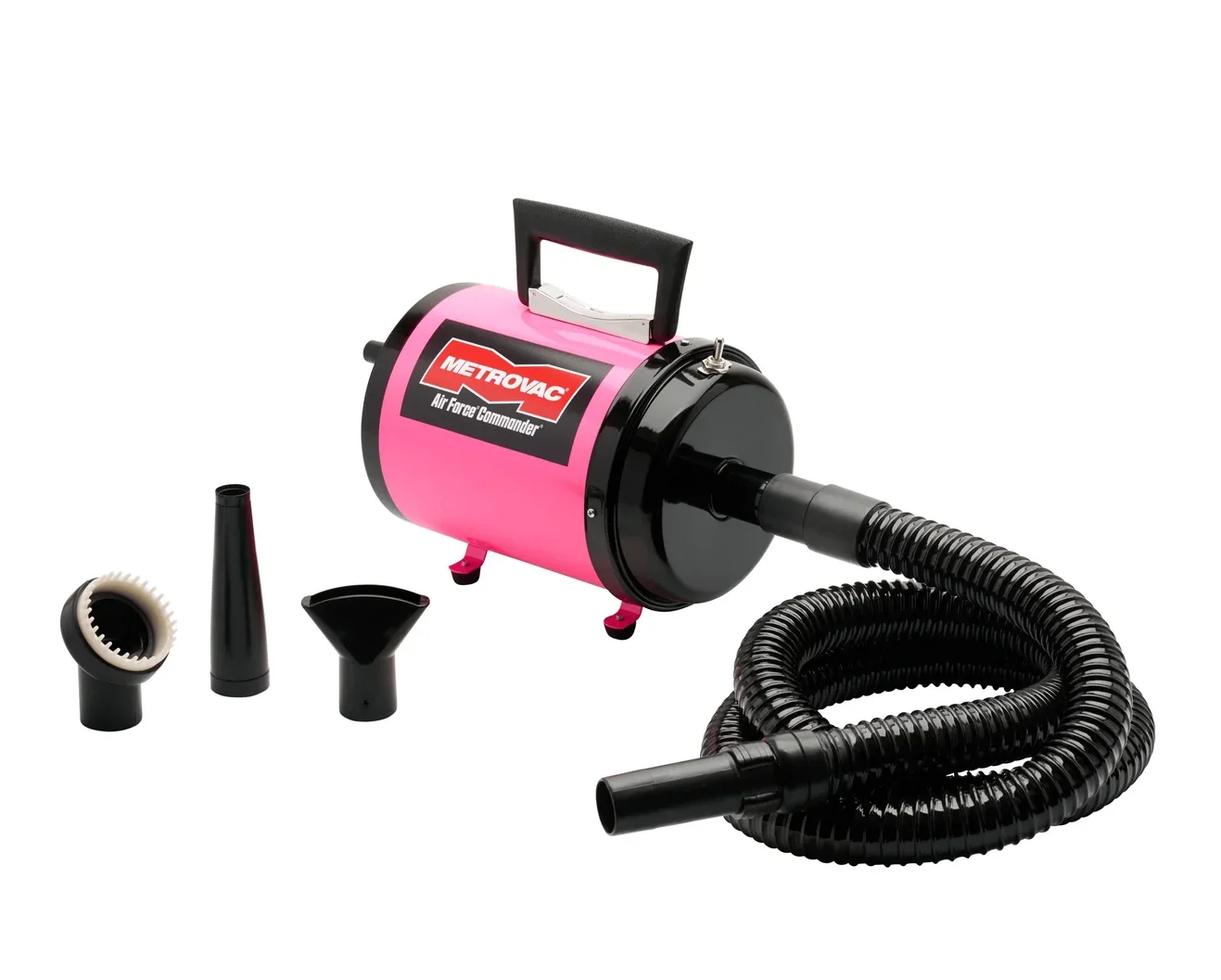
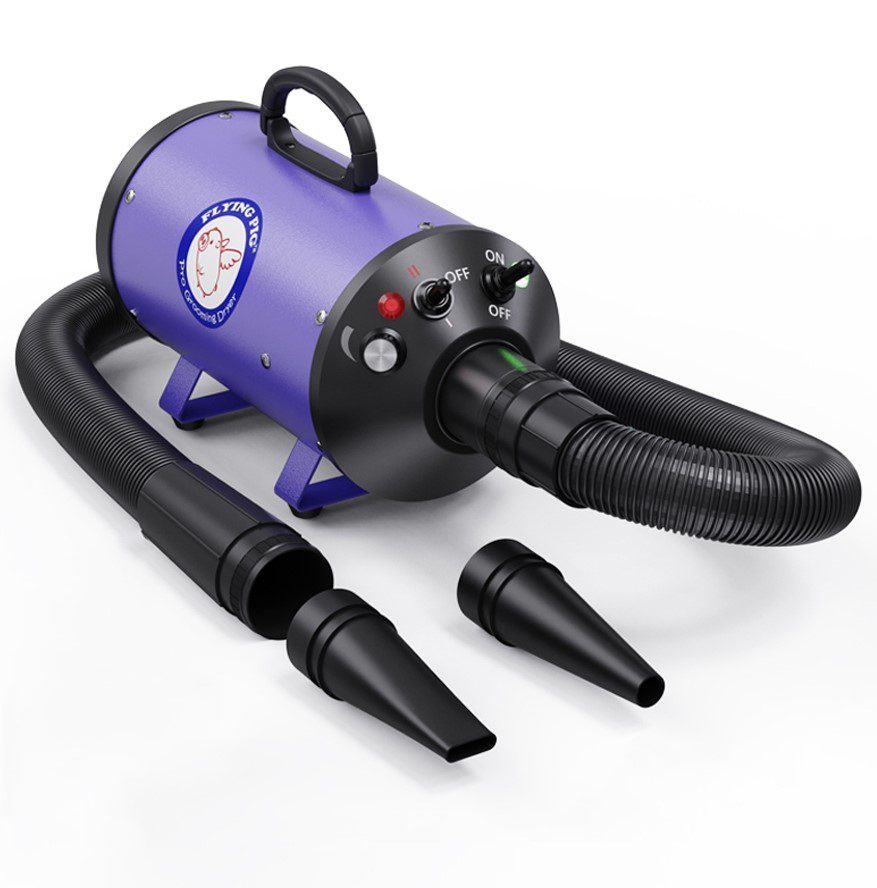
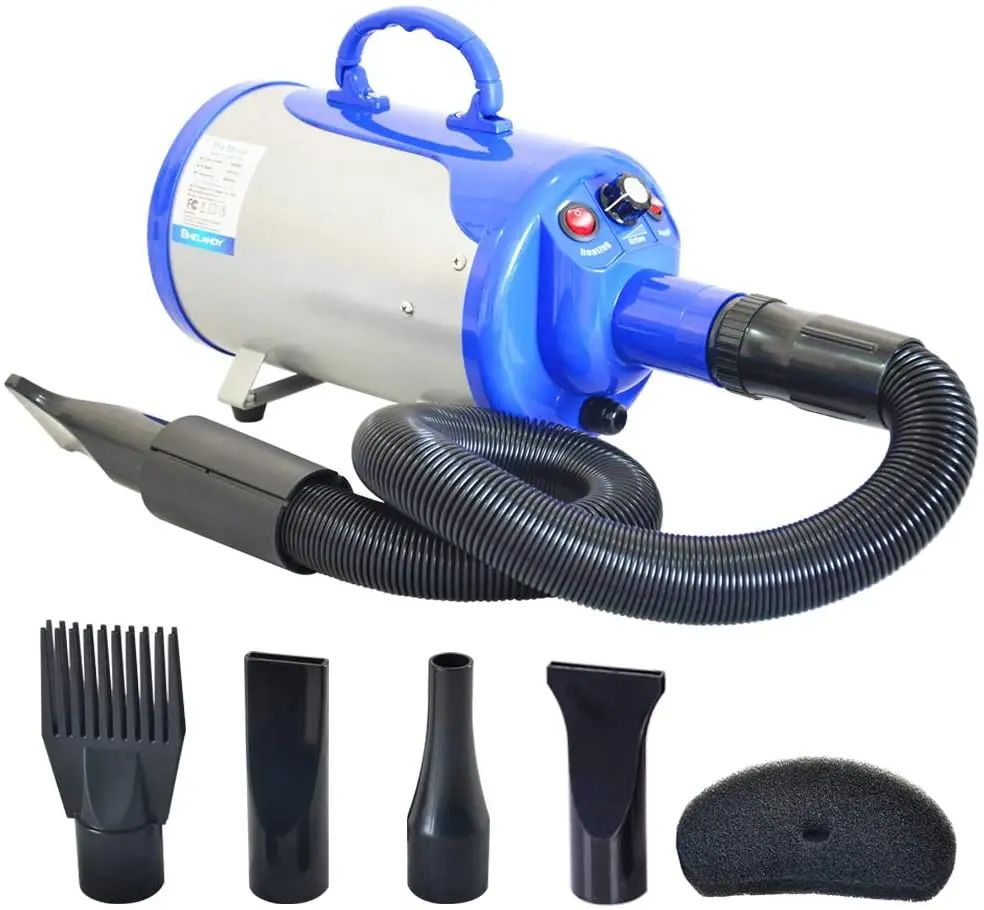
The Maine Coon coat holds water against the skin longer than a short-haired cat’s coat does, and inside a Maine Coon grooming protocol that trapped moisture is the direct cause of the felting that follows a bath. High-velocity air separates the two layers and dries the skin without raising surface temperature on a coat that is already dense. Heat is the danger. The silky topcoat frizzes permanently under heat that a heavier coat would tolerate, and the frizz turns every future brushing session into a fight. Ambient-temperature velocity does the job without ever raising the hair shaft into the burn range. Every tier below is judged by airflow and by heat control together, because a dryer that dries the coat hot and fast is a dryer that destroys the asset the protocol exists to protect.
Clinical Verdict: Metro Air Force Commander for full-coat drying at ambient temperature. Flying Pig for medium coats. SHELANDY for faces and paws only.
| Product Image | Product Name | Verified Spec | Primary Button / Our Rating |
|---|---|---|---|
Pro Tier: Lifetime Warranty |
|
| |
Mid Tier: Steel Shell Power |
|
| |
Budget Tier: High CFM Value |
|
|
(affiliate link)
3.3 Vacuums (Hair Capture)
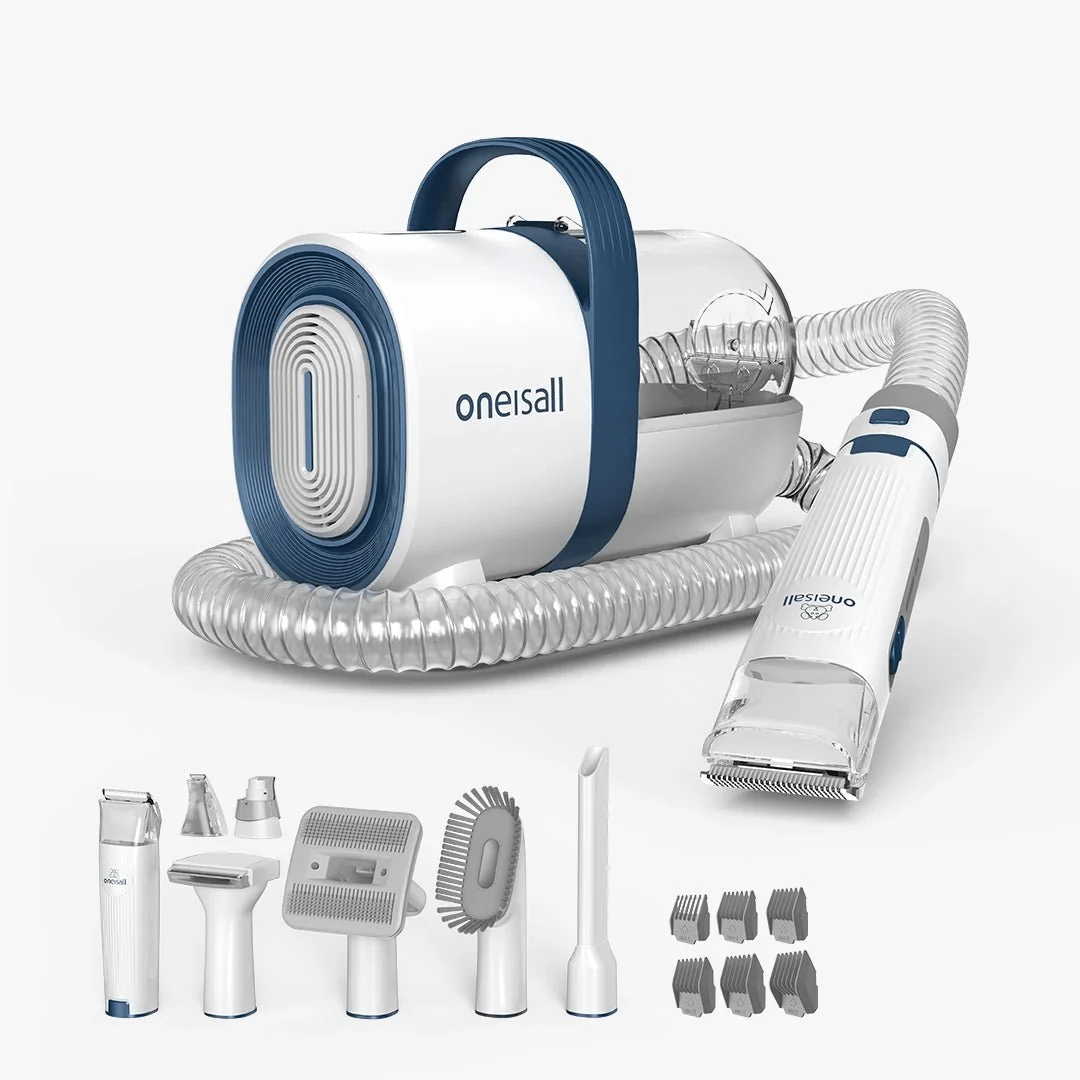
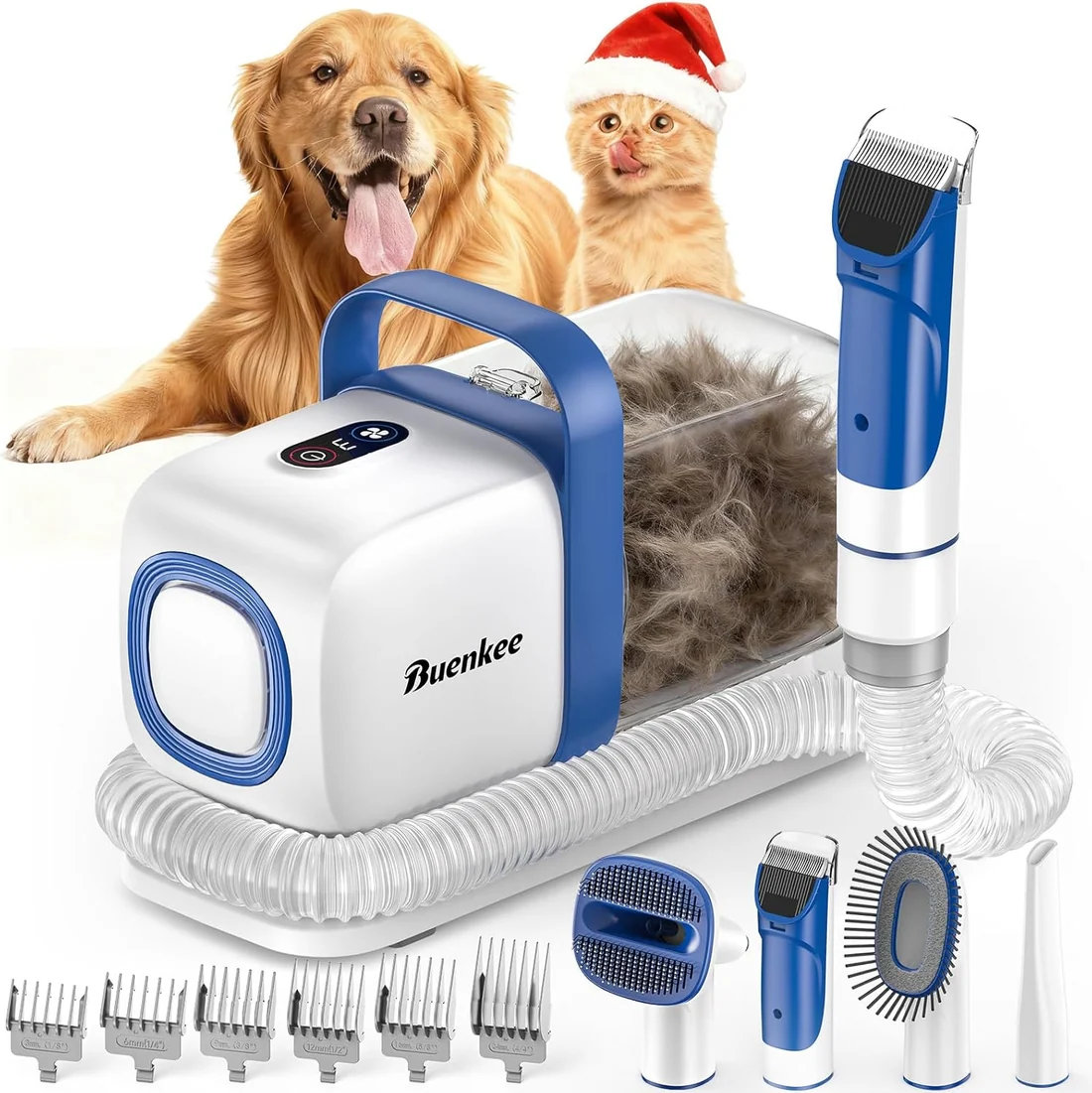
The seasonal blowout on a Maine Coon produces a volume of hair that fills a room before the owner notices, and the vacuum inside a Maine Coon grooming protocol exists to capture that hair before it resettles onto furniture. A grooming vacuum with a HEPA filter captures dander and loose hair at the source rather than pushing it back into the air. Canister size matters because a blowout fills a small cup in minutes. Noise matters because cats are more sound-sensitive than dogs, and a loud vacuum ends the session before the undercoat is clear. Every tier below is judged by canister capacity and by how quietly the motor runs, because a Maine Coon grooming protocol built on a loud vacuum is a protocol the cat will not tolerate for a full pass.
Clinical Verdict: Neakasa P2 Pro for its low-noise motor and 2L dust cup. oneisall 7-in-1 for medium coats. Buenkee for short-haired mixes only.
| Product Image | Product Name | Verified Spec | Primary Button / Our Rating |
|---|---|---|---|
Pro Tier: Max Suction |
|
| |
Mid Tier: All-in-One |
|
| |
Budget Tier: High-Capacity Entry |
|
|

(affiliate link)
3.4 Shampoos (Coat & Barrier)
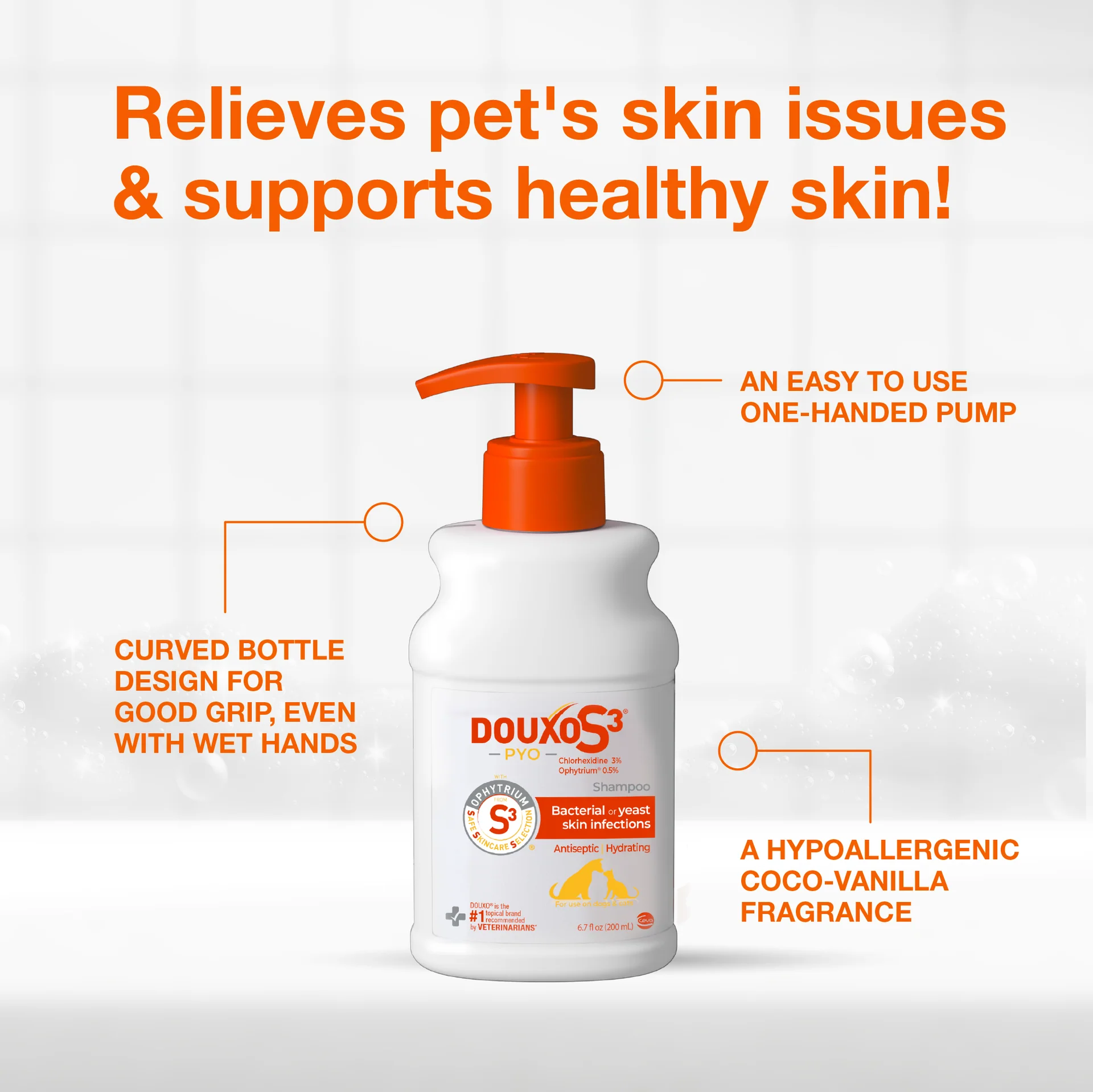
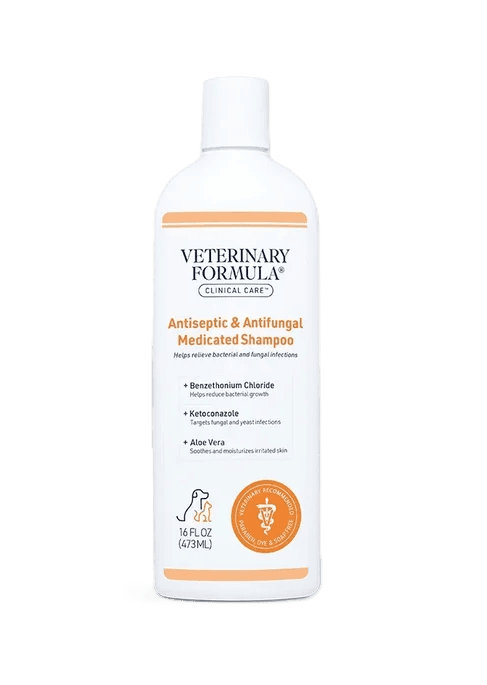
Maine Coons need a pH-balanced shampoo that cleans without stripping the natural oils that make the topcoat water-resistant. That sebum layer is the biological reason the coat sheds water instead of soaking it, and a harsh shampoo pulls that sebum and leaves the topcoat rough and dull within two washes. Heavy conditioners are the other failure mode. They weigh the coat down and attract environmental dirt, and the tacky surface that results is what starts a friction mat at the ruff or the armpit. Every tier below is judged by how cleanly it rinses and by whether it leaves the topcoat light enough to drape, because a Maine Coon grooming protocol that leaves the coat heavy has failed at the cosmetic outcome that matters most.
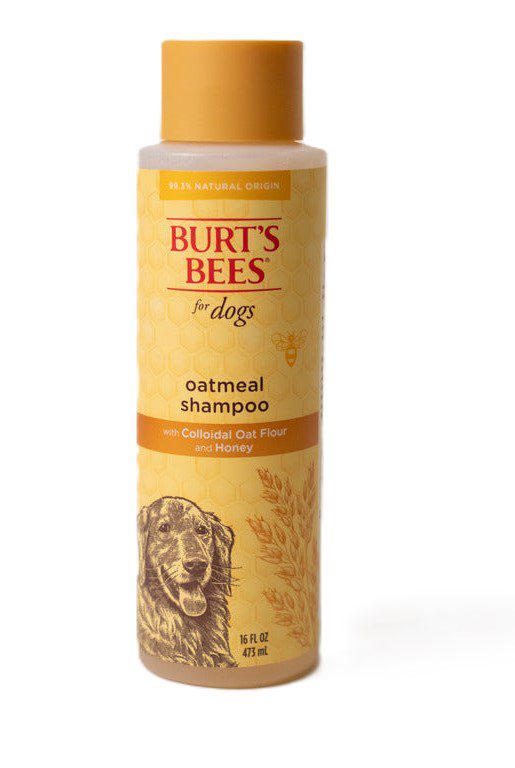
Clinical Verdict: Douxo S3 PYO for skin issues. Veterinary Formula for general maintenance. Burt’s Bees Oatmeal for gentle, moisturizing cleaning.
| Product Image | Product Name | Verified Spec | Primary Button / Our Rating |
|---|---|---|---|
Pro Tier: Prescription-Strength Antiseptic |
|
| |
Mid Tier: OTC Medicated |
|
| |
Budget Tier: Barrier-Safe Maintenance |
|
|
(affiliate link)
3.5 Nails (Precision Grinding)
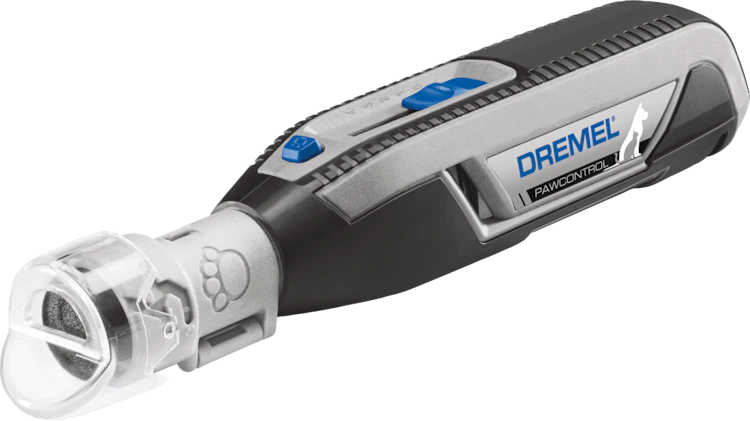
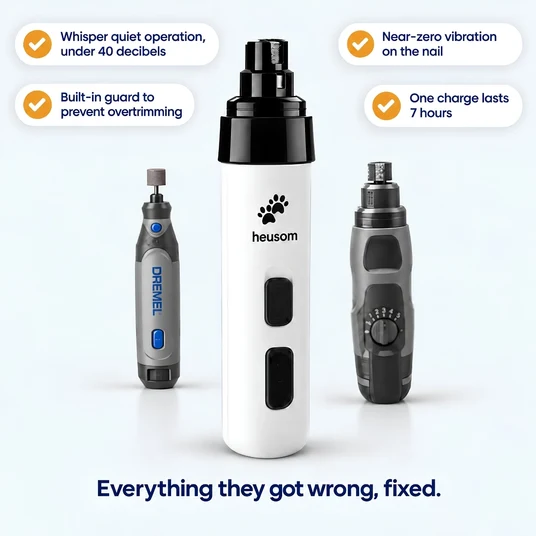
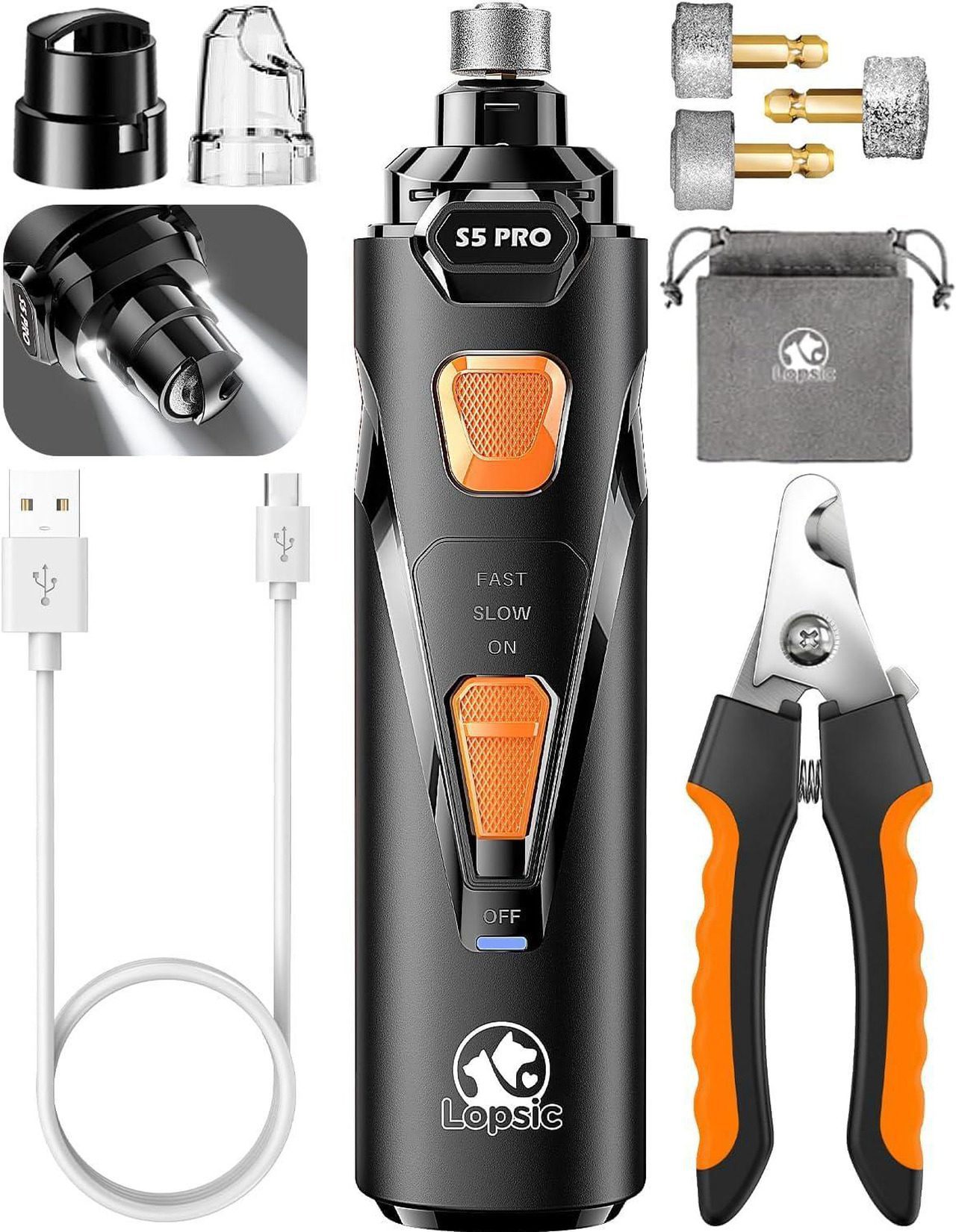
Maine Coons carry large thick nails that a guillotine clipper can crush before the blade ever cuts, and a crushed nail sends a pain signal through the quick that teaches the cat to fight paw handling for life. Inside a Maine Coon grooming protocol the grinder is the safer tool because it sands the nail in small increments and reaches the precision a clipper cannot on a thick nail. The motor must be quiet enough not to spook a cat that is already sensitive to mechanical sound. A guard that prevents over-grinding past the quick protects the cat from the pain spike that ends the session. Every tier below is judged by grind precision and by low-noise behavior together, because the nail grinder is the tool that quietly keeps the handling positive between the long grooming sessions the coat requires.
Clinical Verdict: Dremel PawControl for safety and precision. LOPSIC for noise-sensitive cats. Heusom only for light nails.
| Product Image | Product Name | Verified Spec | Primary Button / Our Rating |
|---|---|---|---|
Pro Tier: High-Output Precision |
|
| |
Mid Tier: Ultra-Low-Noise Entry |
|
| |
Budget Tier: Whisper-Quiet Desensitization |
|
|
(affiliate link)
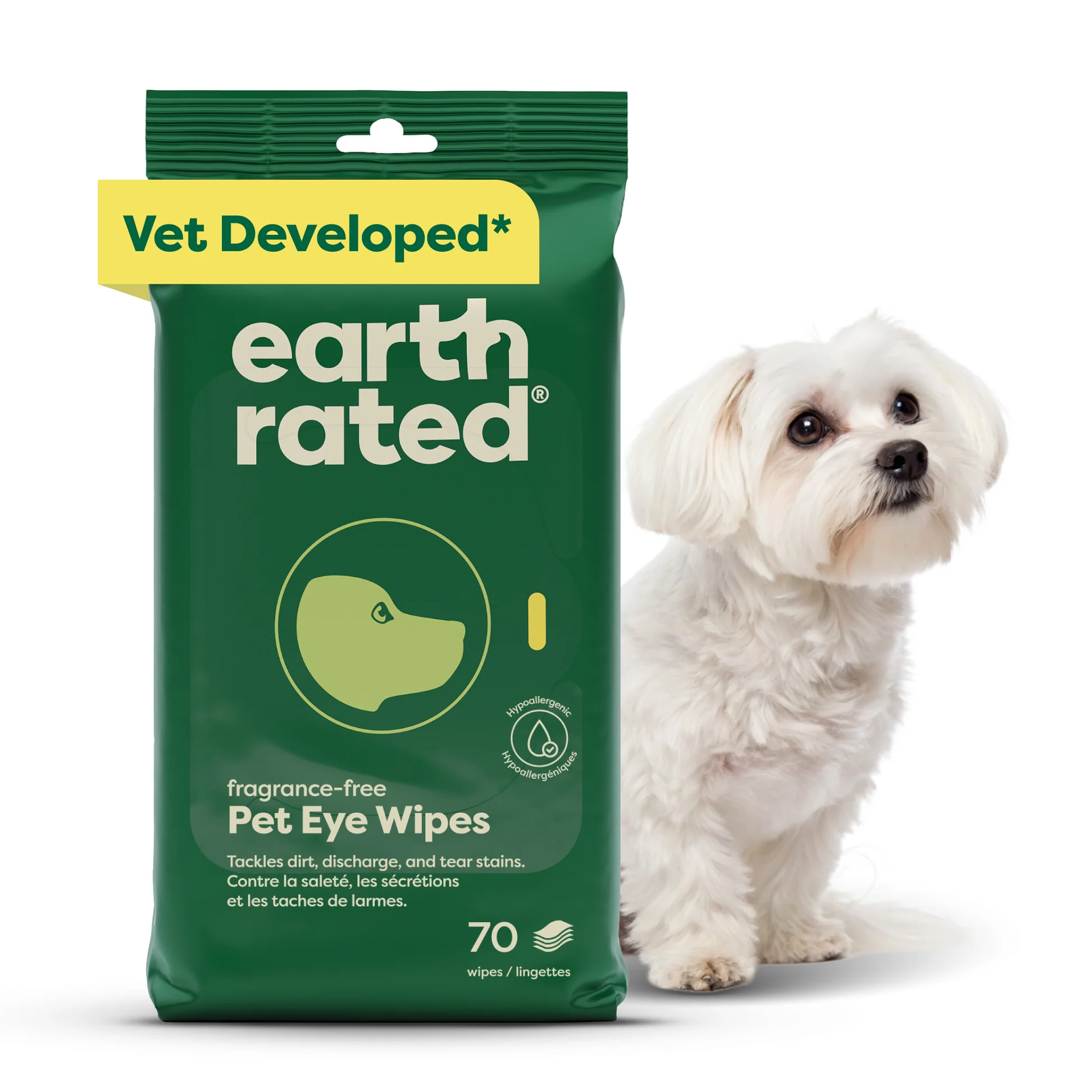
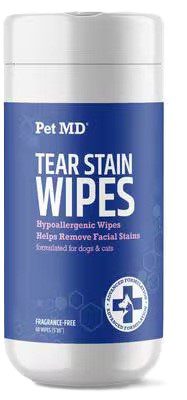
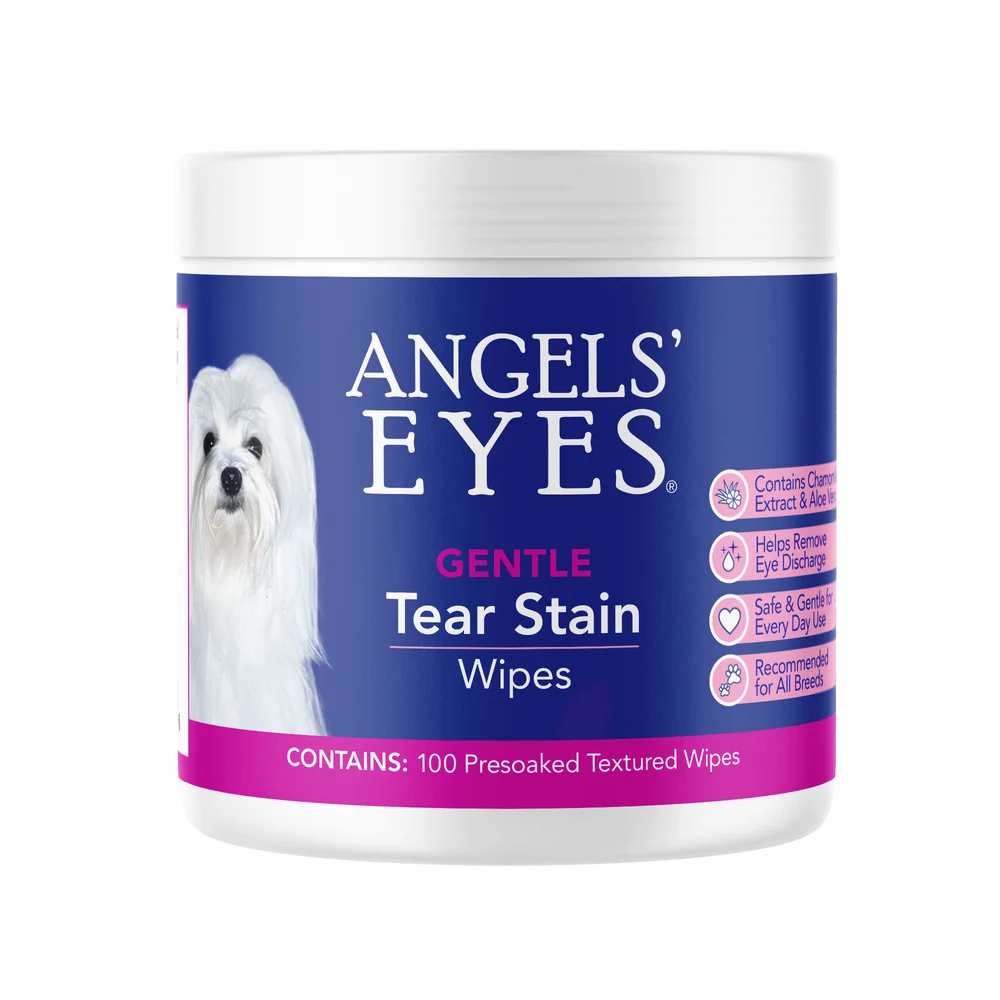
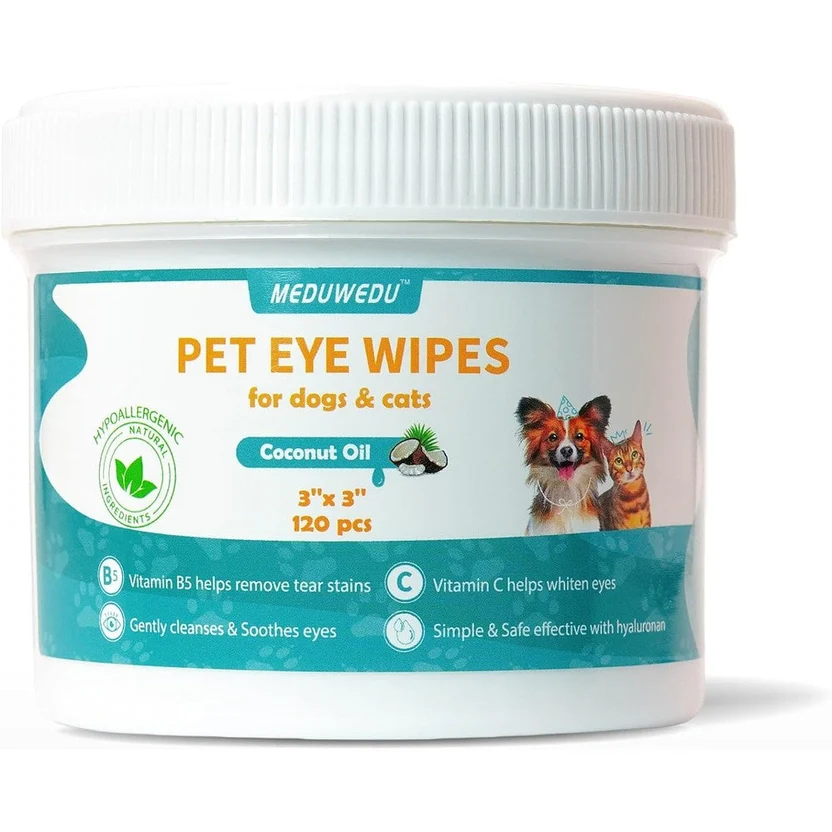
3.6 Eye Care (Facial Maintenance)
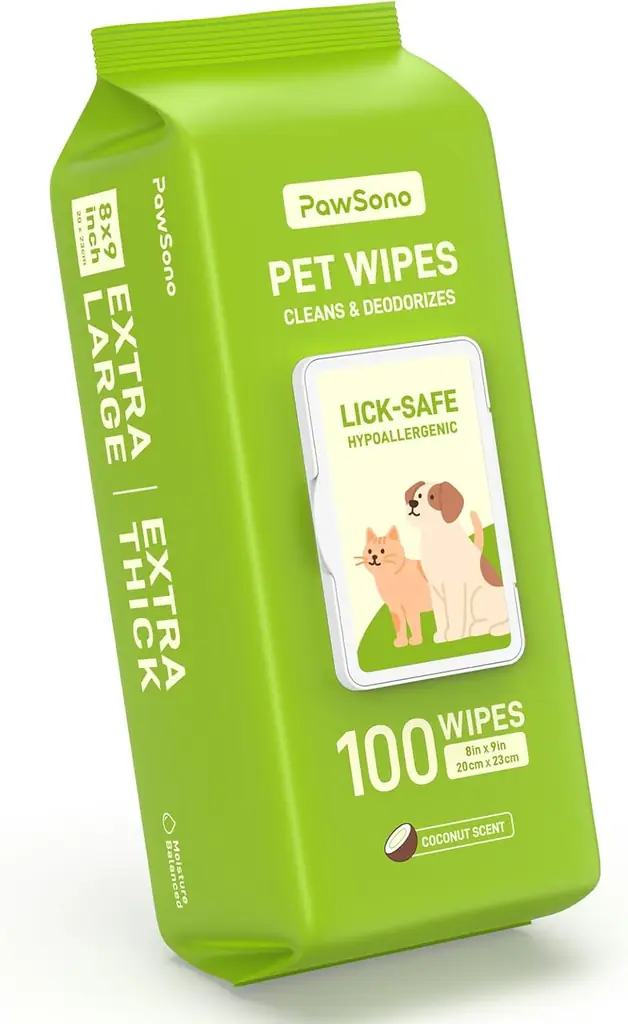
The Maine Coon facial structure can cause eye discharge that stains the fur around the eyes, and inside a Maine Coon grooming protocol that moisture is the direct cause of the tear stains most owners notice after a few days. Daily wiping with a fragrance-free wipe clears the discharge before it oxidizes and before the moisture feeds the bacteria that turn a cosmetic stain into a dermatitis problem. The wipe has to be gentle enough for the eyelid margin and free of fragrance because the scent compounds that make a wipe pleasant to humans sting the feline eye. Direction matters as much as the product. The wipe moves from the inside corner outward, away from the tear duct, so bacteria do not get pushed back into the drainage system. Every tier below is judged by how softly the wipe travels across the eyelid.
Clinical Verdict: Earth Rated Wipes for daily, fragrance-free cleaning. Vet-approved eye wipes for stubborn stains. Do not use human baby wipes.
| Product Image | Product Name | Primary Button / Our Rating |
|---|---|---|
Pro Grade |
| |
Pro Grade |
| |
Top Tier |
| |
Top Tier |
| |
Alternative Pick |
|
(affiliate link)
Section 4: Choice Architecture
A Maine Coon grooming protocol has two non-negotiable purchases: the undercoat rake and the slicker brush. The rake manages the seasonal blowout and breaks up the felt at the skin. The slicker maintains the topcoat and distributes sebum along the guard hairs. Between them, those two tools decide whether the cat finishes the shedding cycle in weeks or carries a felted undercoat into summer. The dryer belongs in the kit because a damp Maine Coon coat felts overnight, and the vacuum belongs in the kit because the blowout produces more hair than any household vacuum can handle. Compare full specs at the grooming tools hub before committing to a full Maine Coon grooming protocol.
Sensory Check: Rake Tine Feedback and Coat Release
Tine behavior is the sensory variable that decides whether a Maine Coon tolerates a seasonal rake pass or fights every session inside a Maine Coon grooming protocol. A rake with flexible tines bends under pressure and lets the owner feel the felt release through the handle before the hair pulls. A rake with rigid tines catches the undercoat at the first tangle and the owner only feels the resistance after the hair has already snapped. That tactile feedback is the difference between a rake that lets the owner stop on a snag and a rake that pushes through it.
Tine spacing follows the same logic across the rakes sold for Maine Coon work. A wider spacing lets the individual undercoat strands pass between the tines without catching, while a narrow spacing grabs every strand and pulls. Verify any tine length or tine spacing figure against the manufacturer’s own listing, because measurement methods change between brands. Vibration travels through the hand as much as the coat, and a flexible tine absorbs the small vibration of the stroke before it transfers into the skin. That absorption is what keeps the rake below the pain threshold on a cat that is already braced against the tool.
Section 5: Clinical Contraindications
Never use a mat splitter or scissors on a cat’s skin. The skin is thinner than a dog’s and tears easily under a blade, and the mat pulls the skin up into the hair mass so the blade meets skin before it meets hair. Never bathe a matted Maine Coon. Water swells the cuticle and tightens the felted undercoat against the skin, which is the exact mechanism that turns a manageable tangle into a plate that has to be shaved off. Never use a high-heat dryer on a Maine Coon coat. The silky topcoat frizzes permanently under heat that a heavier coat would tolerate, and the frizz makes every future detangling session harder. Never ignore sudden shedding changes. A blowout that happens out of season or a coat that thins unevenly can indicate a thyroid or skin issue that needs a vet exam before any grooming tool touches the cat. Never use a dog rake on a cat. The tines are too sharp for feline skin, and the pressure that works on a dog undercoat will scrape a cat’s epidermis on the first pass. The AVMA veterinary literature documents skin damage and post-clipping alopecia as real outcomes in long-haired cats, not cosmetic preferences. Every one of these contraindications inside a Maine Coon grooming protocol exists because the wrong move on a dense coat is not reversible in a single session, and the cost of correcting the damage lands in veterinary care instead of the grooming table.
Section 6: Pre-Groom Palpation & Texture Checklist
Run the palpation pass first before any tool touches the coat. The skin under a dense double coat hides problems that grooming will make worse, and a cat that is already flinching needs a vet visit rather than a grooming session.
- Palpate for lesions and lumps. Run flat palms across the back and the armpits to feel for scabs or any masses the coat is hiding before the tines reach them.
- Check mat tension at the friction zones. Pinch a mat behind the ear or under the front leg. If the skin tents with the mat, stop and address the mat before any tool touches it.
- Smell the ears and the coat. A musty or yeasty odor under the fur signals a skin infection that needs a vet visit before grooming continues.
- Press each paw pad with your thumb. Heat or swelling at the pad means the cat is already uncomfortable and the handling will be worse.
- Scan for redness under thin-coated areas. Inflamed skin at the belly or inner thigh is sensitive to tine contact and needs a lighter stroke than the rest of the coat.
Then run the texture pass while the cat is settled and the tools are still off.
- Check the ruff and chest. Those are the friction zones where a Maine Coon coat felts first during a seasonal blowout.
- Check the armpits and groin. The undercoat packs against the skin in those areas before the owner can see it.
- Check the tail for stud tail. A greasy buildup at the base of the tail signals a sebum issue that needs a different shampoo than the body coat.
- Check the eyes for discharge and redness. A change in color or a new squint is the first sign of an ocular problem the protocol needs a vet for.
- Check the paw pads. Dense undercoat packs between the pads on a Maine Coon and hides nail length and pad damage.
Never groom a cat with active skin lesions or a fever. Refer to a veterinarian first. The full guides index covers breed-specific coat variations that change how a Maine Coon grooming protocol should be tuned.
Interlude: The Seasonal Blowout
The spring and fall shedding seasons are the two windows where a Maine Coon grooming protocol earns its keep, and the routine inside those windows is different from the maintenance routine between them. Rake daily. The undercoat releases in waves and the rake catches each wave before it felts. Vacuum frequently, because the hair that comes off the cat lands on every soft surface in the house and stays there until the canister catches it. Bathe with a deshedding shampoo to accelerate the release and to rinse the loosened undercoat out of the coat.
The blowout is not a medical event. It is a biological reset, and the cat is not sick. The PetMD cat grooming guide covers how the blowout routine fits into the wider bath schedule so the coat dries flat and the next pass starts from a clean base.
Section 7: Clinical Citations & Vet Disclaimer
The CFA breed standard and veterinary dermatology both describe the Maine Coon coat as a true double coat with a dense woolly undercoat and a silky weather-resistant topcoat. That structural difference is why a Maine Coon grooming protocol has to treat the undercoat as the source of the matting and the topcoat as the asset that has to be preserved, and why tools built for a single-layer coat will damage one layer while failing to clean the other.
Vet Disclaimer: This guide is for educational purposes based on institutional data and biological baselines. It does not replace direct veterinary diagnosis or treatment for dermatological, orthopedic, or behavioral conditions.
Read more about our editorial standards and our lead author’s credentials.
Related Cluster
Different Maine Coon lines need different Maine Coon grooming protocol adjustments. The breed protocols hub covers coat density and shedding rate by breed group. The Maine Coon breed guide covers the ruff and tail density that vary between lines and why the rake matters more on the heaviest coats. The cat grooming guide covers the wider set of feline maintenance routines that apply across long-haired and short-haired breeds.
Section 8: Frequently Asked Questions
Written by: PGA Hardware & Equipment Desk
Reviewed by: PGA Editorial Board (Zaheer Aujla, Head of Board)
Research sources: PetMD, AKC, CFA, WSAVA, AAFCO, veterinary journals
Last updated: 2026-01-15
As an Amazon Associate I earn from qualifying purchases. This article is editorially independent. Not a substitute for veterinary diagnosis.
How often should I brush my Maine Coon?
Every day on the ruff and armpits, and a full rake and slicker pass at least every other day. During the spring and fall blowout, rake daily. A Maine Coon grooming protocol that reaches the skin daily rarely faces a mat that needs more than a slicker.
Do Maine Coons shed a lot?
Yes. The double coat releases heavily in spring and fall, and the undercoat comes out in waves that fill a house if the rake does not catch them first. A Maine Coon grooming protocol built around the rake and the vacuum handles the blowout in weeks instead of months.
Can I shave my Maine Coon in summer?
No, unless a veterinarian has directed it. Shaving removes the insulation the coat provides and exposes the skin to sunburn, and the coat often grows back patchy. A Maine Coon grooming protocol manages heat with a cool-air dryer and a shorter clip rather than a full shave.
What is the right brush for a Maine Coon?
An undercoat rake for the felted undercoat and a flexible-pin slicker for the silky topcoat. The two are not interchangeable, and any Maine Coon grooming protocol that relies on one tool alone leaves half the coat untouched.
Why does my Maine Coon have greasy fur on its tail?
A greasy buildup at the base of the tail is stud tail, a sebum issue that shows up on intact males and on some neutered cats. It needs a degreasing shampoo rather than the body coat shampoo, and a Maine Coon grooming protocol should treat the tail as its own zone until the sebum normalizes.


The PGA Hardware Desk analyzes and verifies mechanical specifications (SPM, CFM, motor torque, blade metallurgy) against biological and veterinary baselines. We do not accept payment for positive reviews. Our recommendations are derived from a synthesis of manufacturer technical data, veterinary ergonomics, and aggregated professional user experiences.