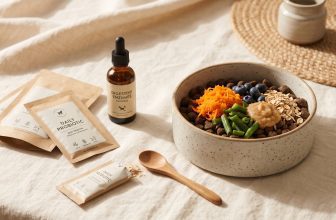
Premium dog food is not a marketing term. It is a measurable biological standard defined by the ileal digestibility of its protein, the bioavailability of its fat sources, and the glycemic load of its carbohydrates. A high price tag guarantees none of these. The Association of American Feed Control Officials sets minimum nutrient profiles for canine diets, yet those minimums are floors rather than ceilings, and a formula that barely clears them can still carry a premium dog food label. This protocol dissects the biochemical requirements of canine nutrition across life stages, compares animal-based and plant-based protein sources on digestibility, and evaluates premium dog food on metabolic efficiency rather than packaging. What follows is a framework an owner can apply to any bag on the shelf.
Written by: PGA Nutrition & Dietetics Desk
Reviewed by: PGA Editorial Board (Zaheer Aujla, Head of Board)
1. Clinical Answer & Dietary Triage
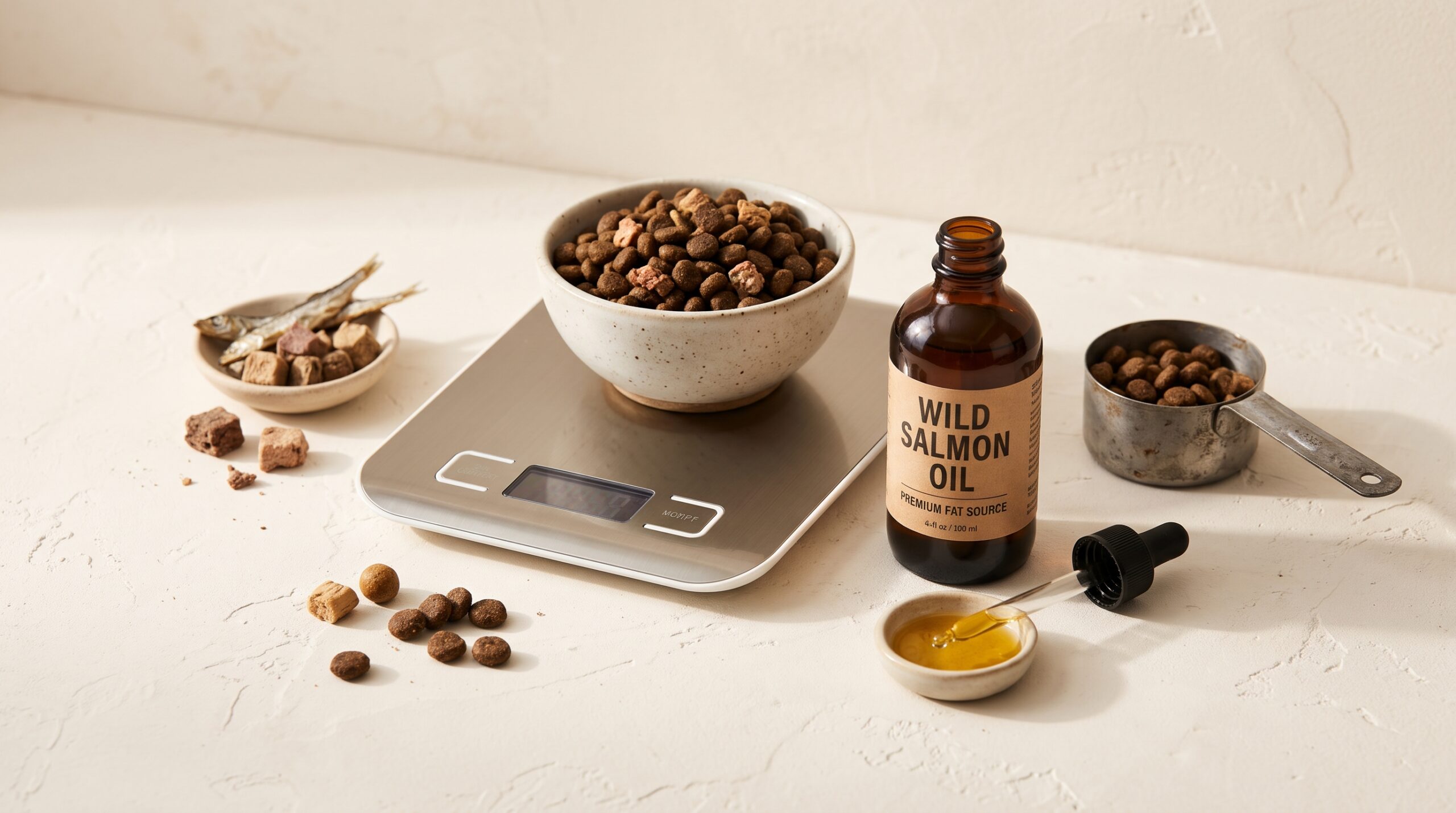
The clinically sound approach to premium dog food ranks formulas by amino acid profile and fat source before price. Animal proteins from egg and chicken carry a complete essential amino acid pattern with ileal digestibility values that plant proteins do not match, and the DIAAS-like scoring work published in the Journal of Animal Science (2022) documents that difference across ingredient classes. Named fats such as chicken fat and salmon oil carry a defined fatty acid profile, while anonymous rendered fats do not. Carbohydrate load comes last among the three pillars. Matching those variables to the dog’s life stage produces premium dog food that supports lean mass, coat condition, and metabolic stability.
For the ultimate biological anchor (Pro Tier):
(affiliate link)
For vet-backed clinical consistency (Mid Tier):
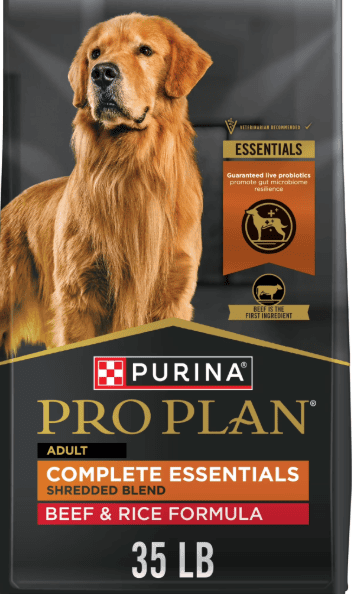
Purina Pro Plan Shredded Blend
(affiliate link)
For accessible, high-protein value (Budget Tier):
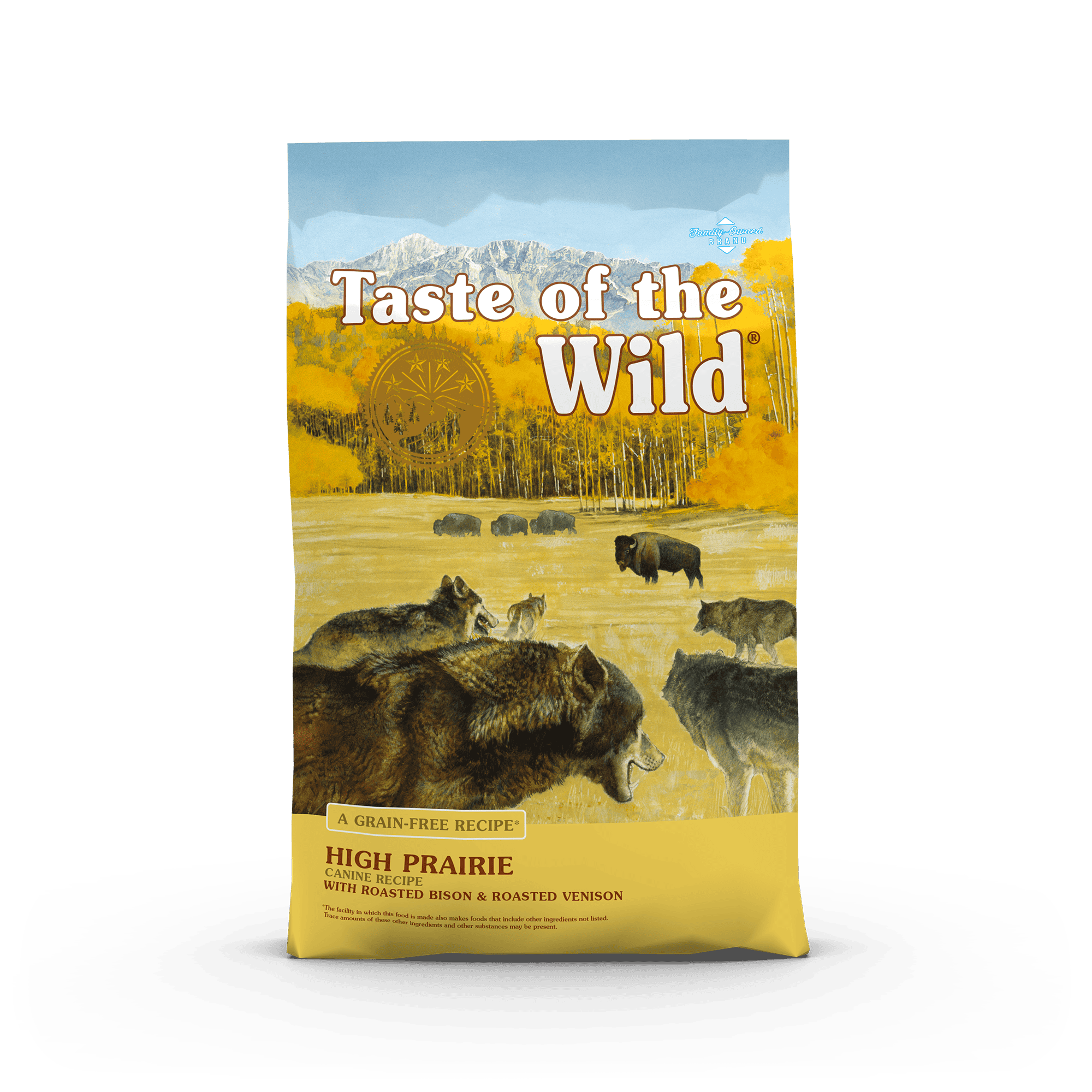
Taste of the Wild High Prairie
(affiliate link)
2. The Nutritional Biochemistry Context
Protein quality in premium dog food is a question of amino acid composition, not percentage on the label. Ten amino acids are essential for dogs and must be supplied in the diet: arginine, histidine, isoleucine, leucine, lysine, methionine, phenylalanine, threonine, tryptophan, and valine (Laflamme, Veterinary Clinics of North America, 2008). The pattern in which those amino acids arrive determines how much of the protein the body can actually use. Animal tissues carry a pattern close to the dog’s own requirement, which is why egg and poultry score high on digestibility assays while hydrolyzed feather meal scores lower, as the DIAAS-like comparison published in the Journal of Animal Science (2022) documents. A premium dog food should exceed the AAFCO minimums with margin rather than meeting them exactly.
Dogs are best described as opportunistic omnivores whose digestive anatomy retains carnivorous features (Case et al., Canine and Feline Nutrition, 3rd ed.). The practical implication for premium dog food is straightforward. Animal protein should form the backbone of the formula, while plant ingredients belong in supporting roles as fiber, micronutrient carriers, and binders. A diet built on plant protein isolates inverts that hierarchy and delivers a weaker amino acid profile at the same crude protein percentage. The biological argument for animal protein rests on amino acid patterns and ileal digestibility, not on a philosophical claim about ancestry.
Fat drives coat condition and modulates inflammation through the balance of omega-6 to omega-3 fatty acids. The NRC (2006) sets a broad acceptable range from 2.6:1 to 26:1, while current evidence summarized by Burron et al. (2024) points toward a ratio below 10:1 for dogs. A 1998 study in the Journal of Nutrition found that dogs fed diets with 5:1 and 10:1 ratios synthesized 30% to 33% less leukotriene B4, an inflammatory mediator, than dogs fed higher-ratio diets. That is the biochemical mechanism behind the coat and skin improvements associated with a balanced fatty acid profile. The dog nutrition research library covers fatty acid targets in greater depth.
3. The Ingredient & Strain Matrix
Three pillars separate premium dog food from a formula that merely carries a premium price. Protein source and its ileal digestibility establish the amino acid foundation. Fat profile and the omega-6 to omega-3 ratio determine coat quality and inflammatory tone. Carbohydrate load and glycemic index influence insulin response and body composition. Each pillar can be read from an ingredient panel with practice, and each one carries more diagnostic weight than the crude protein percentage printed in large type on the front of the bag. Premium dog food evaluation starts with these three pillars, not with the price tag.
3.1 Protein Source & Ileal Digestibility
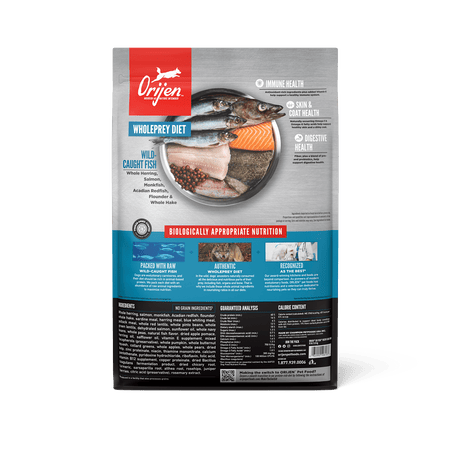
Crude protein on a label measures nitrogen content, not usable amino acids. A 30% protein formula built on feather meal and corn gluten can deliver less absorbable protein than a 26% formula built on egg and chicken, a gap documented in the DIAAS-like scoring study published in the Journal of Animal Science (2022), where egg product and poultry by-product meal scored higher than hydrolyzed poultry feathers. Ileal digestibility measures the fraction of protein absorbed before the large intestine, and it is the figure that predicts biological value. Bednar et al. (Archives of Animal Nutrition, 2000) compared selected animal and plant protein sources in ileally cannulated dogs and found measurable differences in ileal nutrient digestibility between source classes. A premium dog food names its protein sources on the ingredient panel because the named source carries a known amino acid pattern and a known digestibility curve. Anonymous meat meal or poultry byproduct meal does not, which makes the formula impossible to evaluate on metabolic grounds.
Clinical Verdict: High-quality animal protein from egg and poultry delivers a superior amino acid profile and higher digestibility than plant-based proteins or rendered byproducts.
3.2 The Fat Profile & Omega Ratios
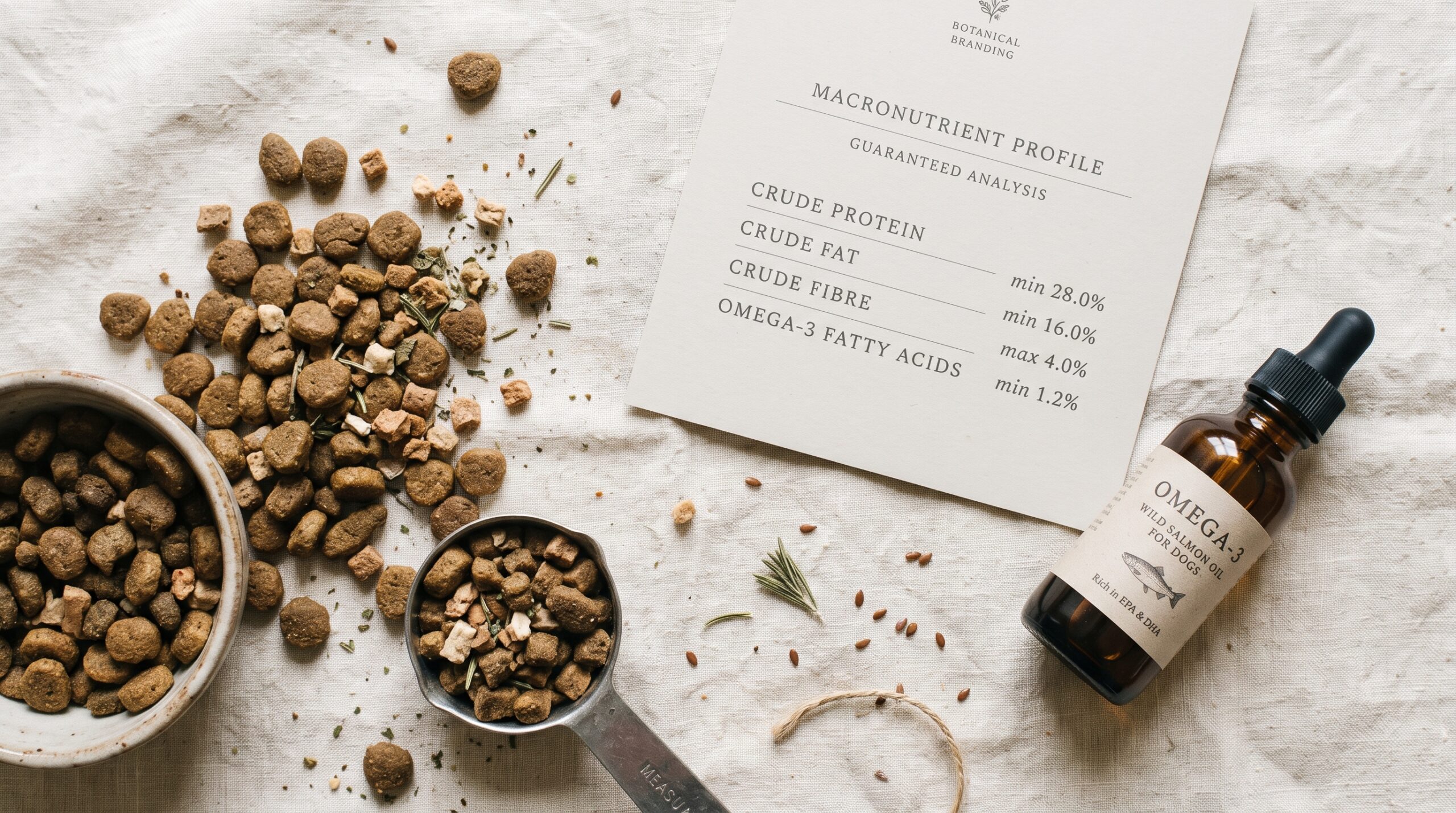
Named fats signal transparency. Chicken fat and salmon oil carry a defined fatty acid composition that a nutritionist can evaluate. Anonymous animal fat could originate from any rendered source and varies batch to batch. The omega-6 to omega-3 ratio matters because both families compete for the same desaturase enzymes. Current evidence summarized by Burron et al. (2024) supports targeting a ratio below 10:1 for dogs, and the 1998 Journal of Nutrition trial by feeding 5:1 and 10:1 ratios documented measurable suppression of leukotriene B4 synthesis in dog skin and neutrophils. Too much omega-6 without a balancing omega-3 source drives the inflammatory cascade. Adequate EPA and DHA intake from fish oil or marine algae reduces it and shows measurable improvement in coat gloss and skin hydration. A premium dog food specifies its fat sources and publishes a fatty acid profile, or at minimum lists fish oil among its ingredients.
Clinical Verdict: A premium diet must specify its fat sources and maintain a tight omega-6 to omega-3 ratio to support the skin barrier and reduce systemic inflammation.
3.3 Carbohydrate Load & Glycemic Index
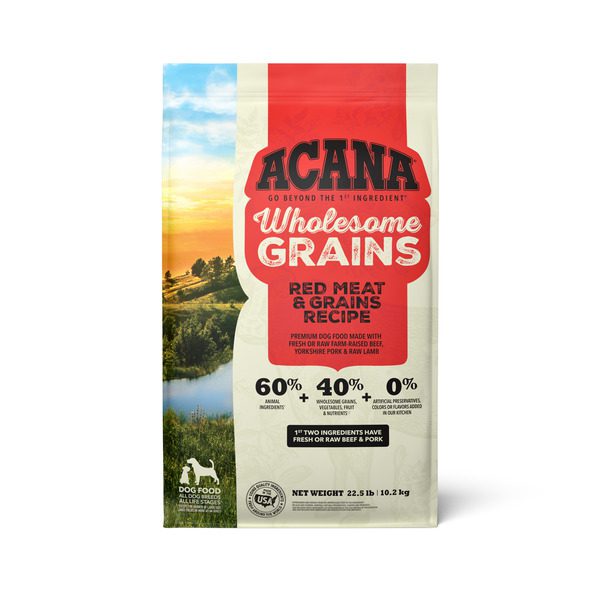
Carbohydrates are the cheapest macronutrient in commercial dog food, and formulas can include corn and wheat primarily to hold the kibble together and to keep cost down. High-glycemic carbohydrates such as white rice and refined corn digest quickly, and the glycemic index literature documents their effect on postprandial blood glucose (Foster-Powell, Holt, and Brand-Miller, American Journal of Clinical Nutrition, 2002). The grain-free aisle offers no automatic solution, since potatoes and peas provide carbohydrate content of their own. The FDA investigation into canine dilated cardiomyopathy examined diets containing a high proportion of peas, lentils, other legume seeds, and potatoes as main ingredients, with more than 90% of reported products labeled grain-free and 93% containing peas or lentils (FDA, updated 2022). A premium dog food minimizes high-glycemic carbohydrate content and replaces it with low-glycemic fiber sources such as sweet potato and chicory root, which support gut health through fermentation rather than through starch load.
Clinical Verdict: Premium diets minimize high-glycemic carbohydrates and replace them with low-glycemic fiber sources like sweet potato or chicory root to support gut health and metabolic stability.
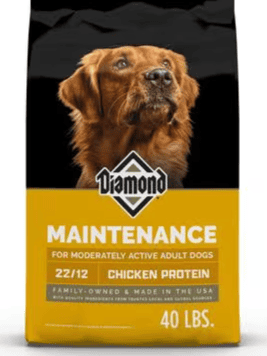
| Product Image | Product Name | Primary Button / Our Rating |
|---|---|---|
Ultimate Biological Anchor |
| |
Premium Freeze-Dried Coated |
| |
Vet-Backed Volume Engine |
| |
High-Velocity Retail Choice |
| |
Accessible Premium |
| |
High-Value Protein |
| |
Maximum Cost Efficiency |
|
4. The Therapeutic Administration Protocol
Transitioning to premium dog food follows the same discipline as any dietary shift. Mix the old food with the new on a seven-day ladder: days one through three at 25% new to 75% old, days four and five at a 50/50 split, days six and seven at 75% new to 25% old, then full transition. A slower transition is advised for dogs with sensitive digestion. Match the macronutrient profile to life stage before the first scoop. AAFCO sets the adult maintenance minimum at 18% crude protein and 5.5% fat on a dry matter basis, and the growth and reproduction minimum at 22.5% protein and 8.5% fat (Pet Food Institute; Stella & Chewy’s AAFCO summary). VCA veterinary guidance places the healthy puppy growth range at 22% to 32% protein and 10% to 25% fat on a dry matter basis. A senior dog benefits from highly digestible protein at the upper end of the adult range paired with reduced calories. The full transition framework for premium dog food is documented in the dog food section.
5. Adverse Events & Contraindications
Never assume a higher price tag means higher quality premium dog food. Check the ingredient list for named proteins and avoid unnamed meat meals, because a formula built on anonymous rendered byproducts can carry a premium label without delivering premium digestibility. Never transition to a high-protein diet abruptly. A gradual switch gives the digestive system time to adjust to a new formula, and the resulting setback convinces owners the new diet failed when the problem was the pace of the switch. Consult a veterinarian before changing the protein level for a dog with kidney or liver disease, because those conditions require individual dietary planning that a premium label does not address. Never ignore calorie density. Calorie concentration varies between formulas, so portions must be adjusted when the food changes or the dog gains weight within weeks. Never assume grain-free is inherently better. The FDA investigation into grain-free formulas and dilated cardiomyopathy remains open, and no single ingredient has been proven to cause DCM. Never feed toxic human foods such as xylitol, grapes, onions, or chocolate while transitioning diets, because those toxins compound any gastrointestinal upset and confuse the clinical picture. Never substitute human probiotic products for veterinary probiotics during a diet transition. Use canine-specific products under veterinary guidance, because human formulations are not designed for dogs. Never introduce premium dog food while the dog is on antibiotics or recovering from illness, because two simultaneous variables make the response impossible to interpret. The AVMA literature on canine nutrition and dietary evaluation informs this guidance, and the primary source at JAVMA should be reviewed before altering any diet protocol for a dog with concurrent disease.
6. Pre-Diet Assessment Markers
Five markers establish a baseline before any switch to premium dog food begins. Without them, improvement cannot be measured objectively.
- Stool Quality: Evaluate using the Bristol Stool Scale, where a score of 3 or 4 indicates optimal hydration and form. High-volume, soft stool indicates poor digestibility, which is the specific problem a premium protein source is meant to solve.
- Body Condition Score (BCS): Determine if the dog is underweight, ideal, or overweight on a 1 to 9 scale. Photograph from above and from the side to establish a visual baseline.
- Gastric Distension: Monitor for bloating or discomfort one to two hours post-prandial, after eating, since timing separates gastric from intestinal signs and flags a formula that ferments too quickly.
- Coat & Skin Quality: Check for dandruff, dullness, or excessive shedding, which indicate poor fat absorption. Note skin elasticity and any areas of erythema, since the coat reflects fatty acid status over time.
- Antibiotic History: Review recent medical history, because antibiotics affect the gut microbiome and can complicate the interpretation of digestive changes during the transition window.
Never change your dog’s diet without consulting a veterinarian, especially if the dog has underlying health conditions. The practical care guides cover the owner-side logistics of a structured transition.
6.1 Sensory Check: Palatability and Feeding Response
The dog’s willingness to eat signals whether the premium dog food is palatable enough to sustain long-term adherence. Watch for acceptance at the bowl, rate of consumption, and any sign of refusal, lip curling, or turning away. A high-protein formula that requires force-feeding fails clinically because the owner abandons it within weeks. Smell the kibble before serving. A fresh, meaty aroma is normal, while a rancid or sharply acidic smell signals oxidized fat and a degraded batch. Observe stool within 24 to 48 hours of a new formula and log texture, color, frequency, and any blood or mucus present. These are owner-side observations, not diagnostic criteria, but they surface problems faster than a follow-up appointment.
The Puppy vs. Adult Macronutrient Divide
Puppies require 22% to 32% protein on a dry matter basis and 10% to 25% fat to support skeletal and muscular growth, according to VCA veterinary guidance. Large-breed puppies need lower calcium and caloric density than small-breed puppies to avoid developmental orthopedic disease, which is why a single puppy formula does not fit every size. Premium dog food for puppies adjusts those ratios by expected adult weight rather than by breed name on the bag. Adult maintenance diets sit at lower protein and lower fat because the growth phase has closed and the calorie ceiling drops.
Senior dogs benefit from highly digestible protein at the upper end of the adult range, because protein requirements rise with age while energy requirements fall, according to the review by Laflamme in Veterinary Clinics of North America (2008). Body composition shifts with age, and protein restriction for healthy older dogs is not only unnecessary but potentially detrimental. Muscle preservation in senior dogs depends on protein quality at the upper end of the adult range unless kidney disease dictates otherwise. The PetMD nutrition reference covers age-specific targets in more depth, and the AKC nutrition library provides owner-facing context on life stage feeding.
7. Clinical References & Nutritional Disclaimer
According to veterinary nutrition literature on protein digestibility and macronutrient adequacy, the biological value of a canine diet depends on ileal amino acid digestibility rather than crude protein percentage, and the balance of omega-6 to omega-3 fatty acids influences skin barrier function and systemic inflammatory tone across life stages (Laflamme, Veterinary Clinics of North America, 2008; Burron et al., 2024).
This is for educational purposes. Nutritional interventions should be tailored by a board-certified veterinary nutritionist.
Read more about the institutional research standards behind this protocol and the editorial leadership that reviews every clinical claim.
Related Cluster
Premium dog food decisions connect to every other system a dog owner manages. The breed-specific care protocols explain why certain lines carry higher rates of orthopedic and metabolic disease, the dog nutrition section covers protein selection and fatty acid targets for premium dog food, and the dog food archive documents how formulas are evaluated before review.
8. Frequently Asked Questions
Written by: PGA Nutrition & Dietetics Desk
Reviewed by: PGA Editorial Board (Zaheer Aujla, Head of Board)
Research sources: PetMD, AKC, CFA, WSAVA, AAFCO, veterinary journals
Last updated: 2026-01-15
As an Amazon Associate I earn from qualifying purchases. This article is editorially independent. Not a substitute for veterinary diagnosis.
Is grain-free dog food better?
Not automatically. Grain-free formulas can swap corn and wheat for potatoes or peas, which provide carbohydrate content of their own. The FDA investigated a possible link between legume-heavy grain-free diets and dilated cardiomyopathy, and that question remains open. Judge premium dog food on protein digestibility and carbohydrate load rather than on the absence of grain.
How much protein does a dog actually need?
The AAFCO minimum for adult maintenance sits at 18% protein on a dry matter basis, and puppy formulas require 22.5% (Pet Food Institute). Premium dog food can contain more protein than the AAFCO minimum because higher protein supports lean mass in active and aging dogs. Dogs with kidney disease need veterinary guidance before any high-protein formula is introduced.
What is the difference between animal protein and plant protein?
Animal protein carries an amino acid pattern close to the dog’s requirement and scores higher on ileal digestibility assays. Plant proteins such as corn gluten and soybean meal are limiting in lysine and methionine, so more of the crude protein passes through unabsorbed. A premium dog food builds its protein backbone on animal tissue and uses plant sources for fiber and micronutrients.
Can I mix wet and dry dog food?
Yes, and the practice improves palatability and hydration when total calories are adjusted to account for both components. Reduce the dry portion by roughly the caloric value of the wet food added, or the dog gains weight. Keep both components on the same protein base so the transition does not introduce two new variables at once.
How do I switch my dog to a premium diet?
Use a seven-day ladder. Days one through three run at 25% new food to 75% old, days four and five at a 50/50 split, days six and seven at 75% new to 25% old, then full transition. A slower transition is advised for dogs with sensitive digestion. Weigh portions rather than scooping, because calorie concentration varies between premium dog food formulas.


The PGA Clinical Desk analyzes AAFCO nutritional guidelines, veterinary dermatological baselines, and genetic sensitivities (MDR1). We translate dense institutional data from the AVMA and NAVC into actionable at-home care protocols. We do not provide veterinary diagnoses.