Written by: PGA Nutrition & Dietetics Desk
Reviewed by: PGA Editorial Board (Zaheer Aujla, Head of Board)
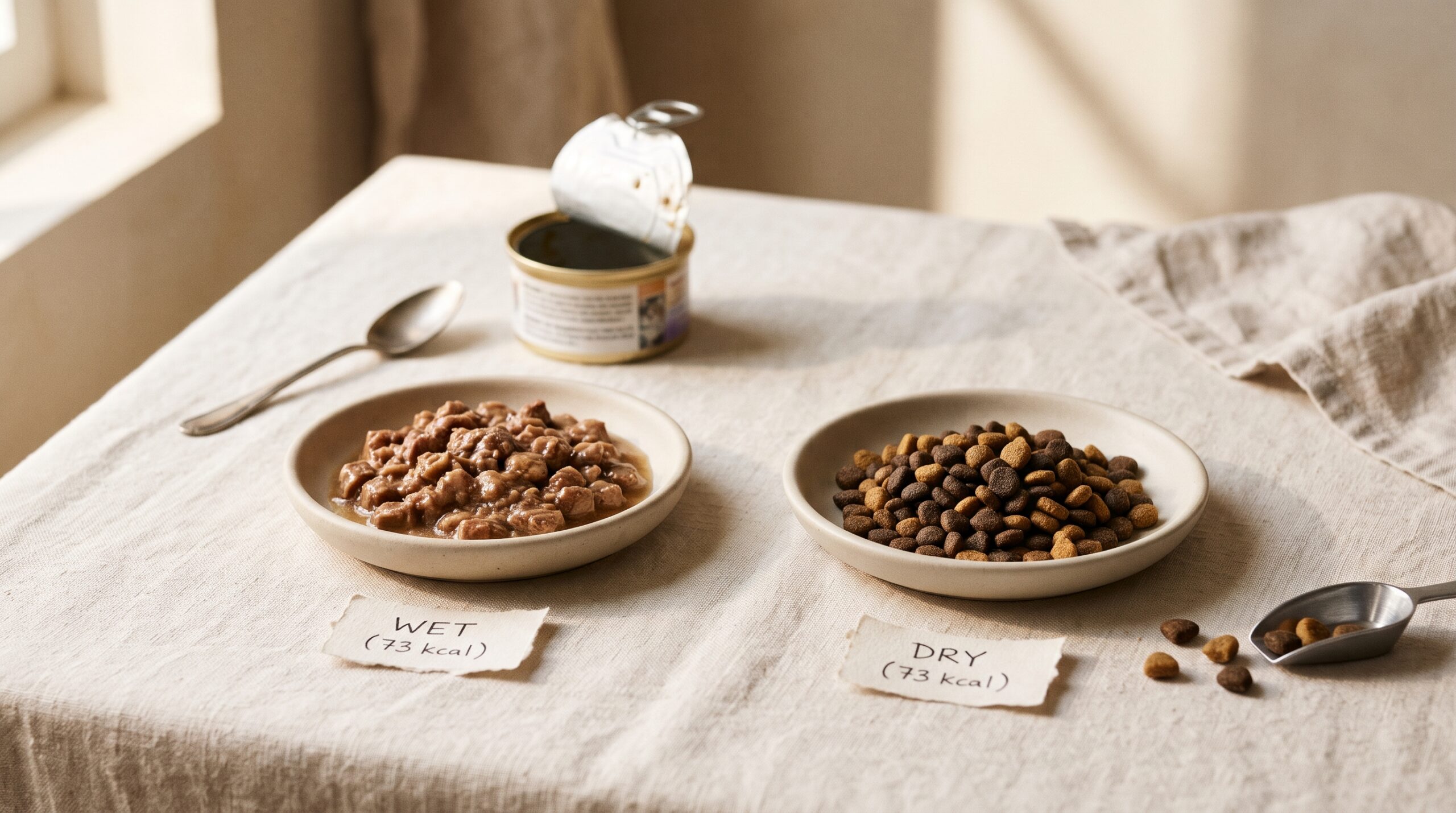
The wet vs dry cat food debate is not about brand loyalty. It is a clinical question grounded in species-specific biology. Cats evolved as desert-dwelling obligate carnivores with a low thirst drive, and their physiology is built to extract moisture from prey rather than to drink from standing water (Zoran, JAVMA, 2002). Dry kibble typically contains around 10% moisture, while canned food sits near 75% to 80% (Case et al., Canine and Feline Nutrition, 3rd ed.). That gap forces a dry-fed cat to rely on drinking, a behavior the species is neurologically wired to ignore. Chronic low-level dehydration concentrates urine, and concentrated urine contributes to feline idiopathic cystitis and to the progression of kidney disease (AAFP and ISFM Environmental Needs Guidelines, 2013). This protocol dissects the biochemical differences that shape the wet vs dry cat food decision, evaluates the carbohydrate load in kibble, and outlines the feeding strategy that best matches feline physiology.
1. Clinical Answer & Dietary Triage
The clinically sound position in the wet vs dry cat food debate favors wet food as a primary diet for cats, with dry kibble used as a supplement or convenience feeding rather than the sole ration. Wet food delivers the moisture a cat would have obtained from prey, and that moisture load dilutes urine in a way dry food cannot replicate (Zoran, JAVMA, 2002). Protein quality matters just as much, and a named animal protein source with a guaranteed taurine level protects cardiac and retinal function. Dry food carries a place in the plan, especially for free-feeding households and for cats that refuse canned textures, but the carbohydrate load in kibble requires closer scrutiny. Matching moisture, protein source, and carbohydrate load to the cat’s life stage and urinary history is the working core of any wet vs dry cat food protocol.
For species-appropriate hydration and protein (Pro Tier):
Tiki Cat After Dark Variety Pack
(affiliate link)
For vet-backed digestive consistency (Mid Tier):
Royal Canin Feline Health Nutrition Indoor
(affiliate link)
For high-volume, budget-friendly kibble (Budget Tier):
Purina Pro Plan Complete Essentials
(affiliate link)
2. The Nutritional Biochemistry Context
The feline thirst drive runs lower than that of dogs, a difference that traces to the species’ desert ancestry (Zoran, JAVMA, 2002). Cats evolved to obtain most of their moisture from prey, which means a cat on a wet diet rarely needs to seek water. A dry-food-only diet pushes that intake down toward 10%, and the cat must close the gap by drinking. Studies measuring water intake in cats show that cats fed dry food consume roughly half the water of cats fed canned food at the same caloric intake, and they do not compensate by drinking enough to reach parity (Zoran, 2002). Chronic subclinical dehydration follows, and the consequences accumulate over years. The wet vs dry cat food choice, seen through this lens, is first a hydration decision.
Urine concentration is the measurable downstream effect. When moisture intake falls, the kidney concentrates urine to conserve water, and that concentration raises the risk of struvite and calcium oxalate crystal formation (AAFP and ISFM Environmental Needs Guidelines, 2013). Concentrated urine also contributes to the low-grade inflammation that precedes feline idiopathic cystitis, a condition with a documented association between low water intake and flare frequency. The AAFP and ISFM guidelines list increased water intake as a core environmental modification for cats with urinary and renal disease, and moving from dry to wet food is the most direct route to that increase. For any cat with a urinary history, the wet vs dry cat food decision moves from preference to clinical priority.
The wet vs dry cat food comparison also runs through protein quality and carbohydrate load. Cats lack salivary amylase, and their pancreatic amylase activity runs lower than that of dogs (Zoran, 2002). Dry kibble can contain 30% to 50% carbohydrate on a dry matter basis because starch holds the kibble together, and a high-carbohydrate load drives a larger postprandial glucose response and higher insulin demand (Verbrugghe and Hesta, Journal of Animal Science, 2017). The cat nutrition library covers these mechanisms in more depth, and the cat food archive documents how products are scored before review.
3. The Ingredient & Strain Matrix
Three variables decide how any wet vs dry cat food comparison lands for an individual cat. Moisture content shapes hydration more than any other dietary factor, because the feline urinary system responds directly to dilution. Carbohydrate load matters because kibble depends on starch for structure, and that starch carries metabolic cost. Protein quality matters because cats require preformed taurine and arginine from animal tissue, and plant proteins cannot supply them. Each variable can be read from a label and a blood panel, and each one shifts the wet vs dry cat food recommendation for the cat in front of you.
3.1 Moisture Content & Renal Health
Dry kibble sits near 10% moisture, while canned food delivers roughly 75% to 80% (Case et al., Canine and Feline Nutrition, 3rd ed.). That difference changes the water balance of the whole animal. A cat eating canned food at maintenance takes in most of its daily water through the food itself, and the urine that follows stays dilute. A cat eating only kibble must drink to close the gap, and the feline thirst drive does not reliably drive intake high enough (Zoran, 2002). The consequence is concentrated urine, and concentrated urine sits at the center of struvite and calcium oxalate urolith formation and of the chronic dehydration that precedes feline kidney disease diagnoses (AAFP and ISFM Environmental Needs Guidelines, 2013). Wet food is not a luxury in the wet vs dry cat food question. It is the biologically appropriate moisture delivery system for a species that evolved to get water from prey.
Clinical Verdict: Wet food is biologically superior for feline hydration and renal health. The moisture content alone justifies the inclusion of wet food in any feline diet.
3.2 Carbohydrate Load & Glycemic Index
Cats lack salivary amylase, the enzyme that begins starch digestion in the mouth for omnivores, and their pancreatic amylase activity runs lower than that of dogs (Zoran, JAVMA, 2002). Dry food manufacturers use starches as binders because extrusion requires them, and the resulting carbohydrate load in maintenance kibble can run 30% to 50% of dry matter (Verbrugghe and Hesta, Journal of Animal Science, 2017). Postprandial blood glucose rises further and stays elevated longer in cats fed high-carbohydrate diets, and the repeated insulin demand contributes to obesity and to the insulin resistance that precedes feline diabetes mellitus. AAFCO sets no minimum carbohydrate requirement for cats, because none exists. A high-protein, low-carbohydrate kibble is preferable to a grain-heavy formula within the wet vs dry cat food comparison, but the wet option still wins on this axis because canned formulas typically carry far less carbohydrate.
Clinical Verdict: Dry foods should be chosen carefully to minimize carbohydrate load. A high-protein, low-carb kibble is preferable to a grain-heavy formula.
3.3 Protein Quality & Obligate Carnivore Biology
Cats require preformed taurine, arginine, arachidonic acid, and preformed vitamin A, and their bodies cannot synthesize those nutrients from plant precursors (NRC, Nutrient Requirements of Dogs and Cats, 2006). That requirement makes named animal protein non-negotiable in the wet vs dry cat food comparison, regardless of moisture level. A wet food built on organ meat, such as a chicken or duck formula with liver and heart, delivers a biologically appropriate amino acid profile and a taurine level close to what a cat would obtain from prey. A dry kibble built on corn gluten and soybean meal delivers nitrogen without the amino acid pattern the cat needs, and the deficiency accumulates silently. AAFCO sets the feline minimum at 0.10% taurine in extruded diets and 0.20% in canned products on a dry matter basis (AAFCO, 2024 Official Publication), and those minimums exist because processing degrades the amino acid (Pion et al., Science, 1987). Named animal proteins with a documented taurine guarantee anchor the protein side of the wet vs dry cat food decision.
Clinical Verdict: Feline diets must prioritize named animal proteins. High-protein wet foods are the closest approximation to the feline ancestral diet.
| Product Image | Product Name | Primary Button / Our Rating |
|---|---|---|
Luxury Ancestral Anchor |
| |
Vet-Backed Digestive |
| |
High-Volume Essential |
| |
Species-Appropriate Wet |
| |
Grain-Free Retail Favorite |
| |
Maximum Cost Efficiency |
| |
High-Velocity Hydration |
|
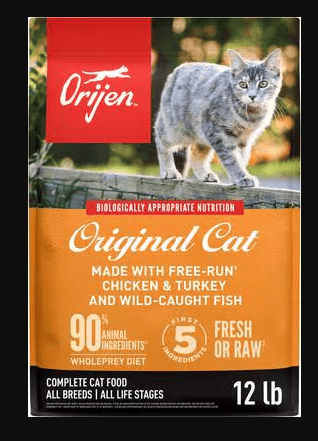
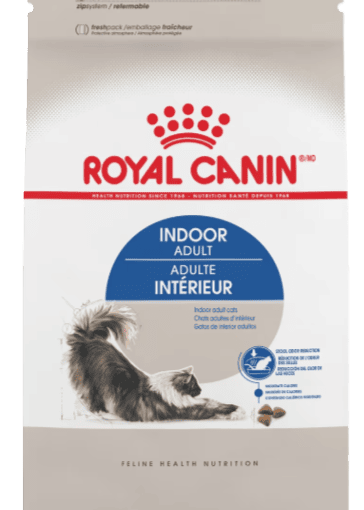
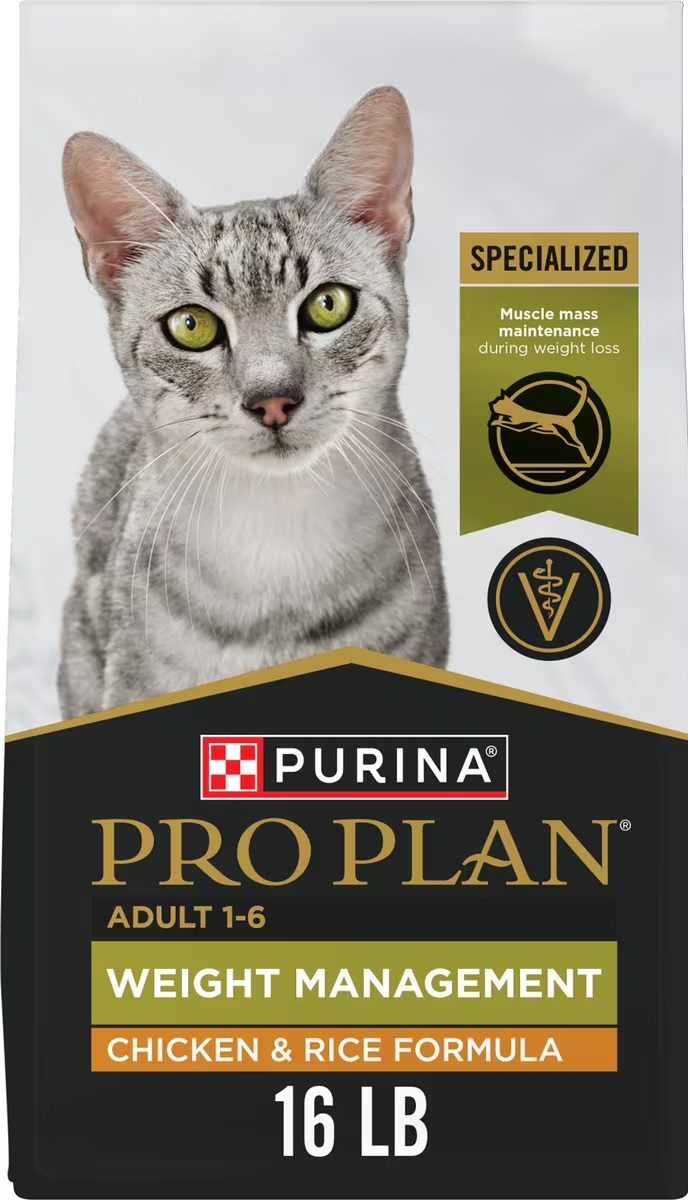
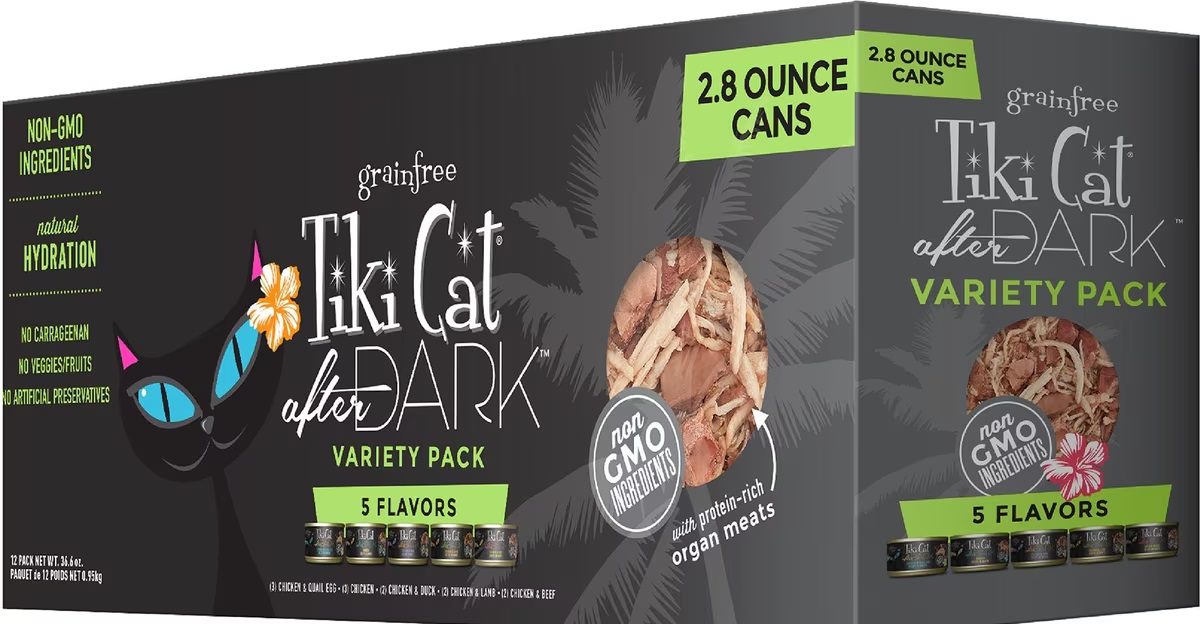
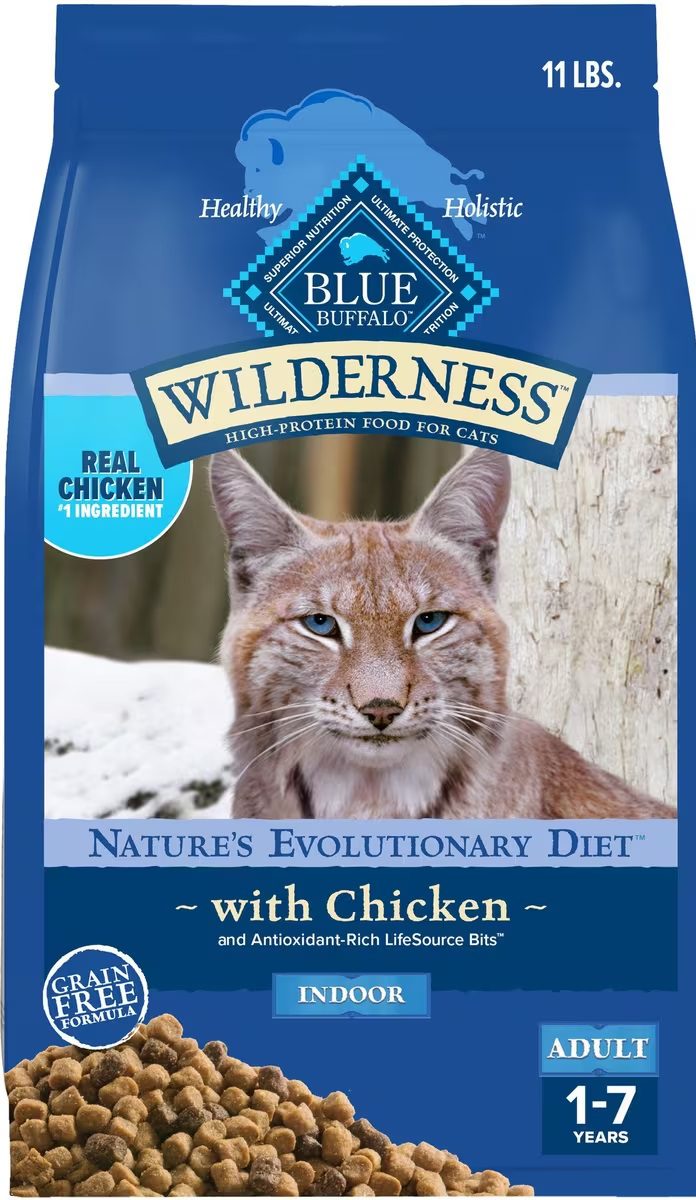
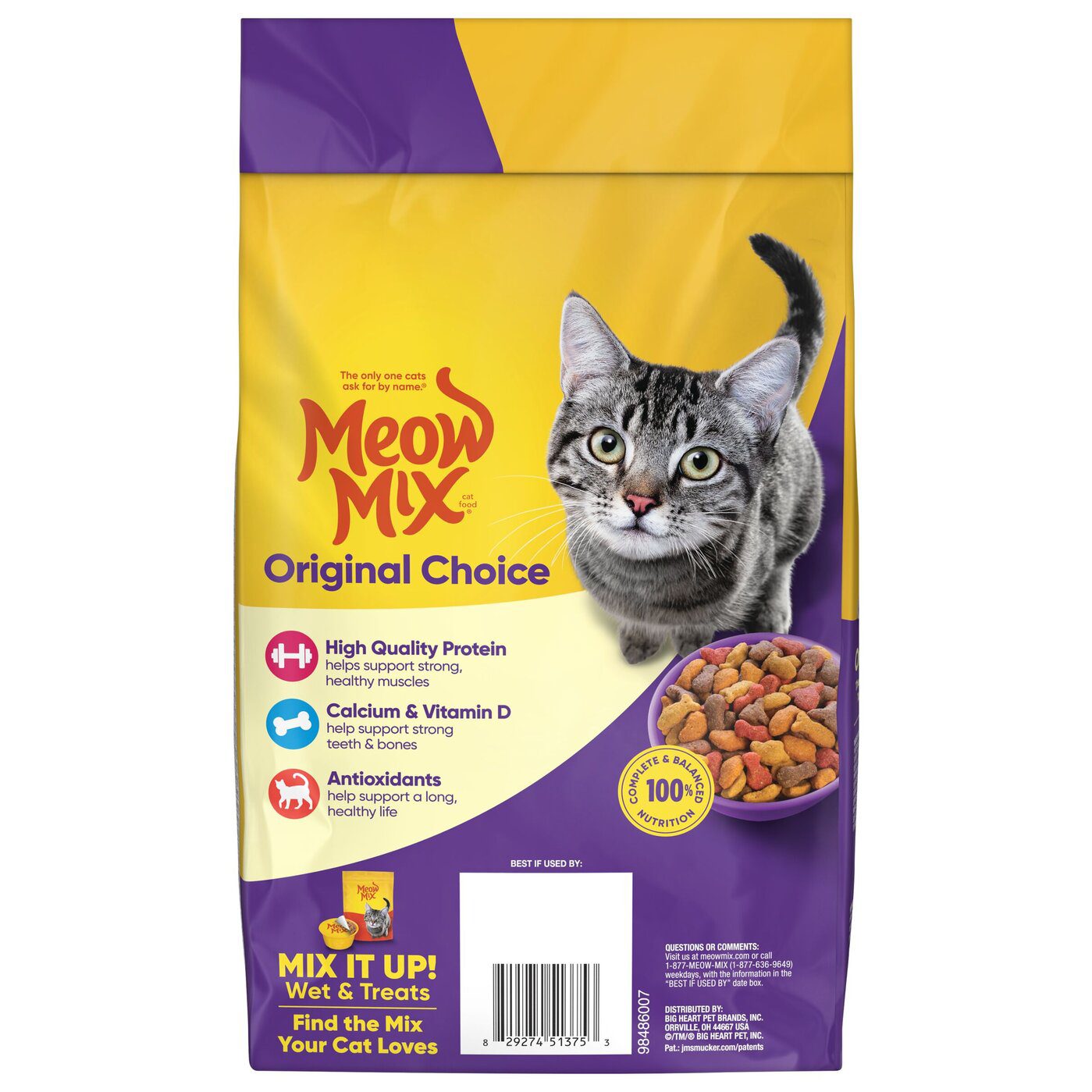
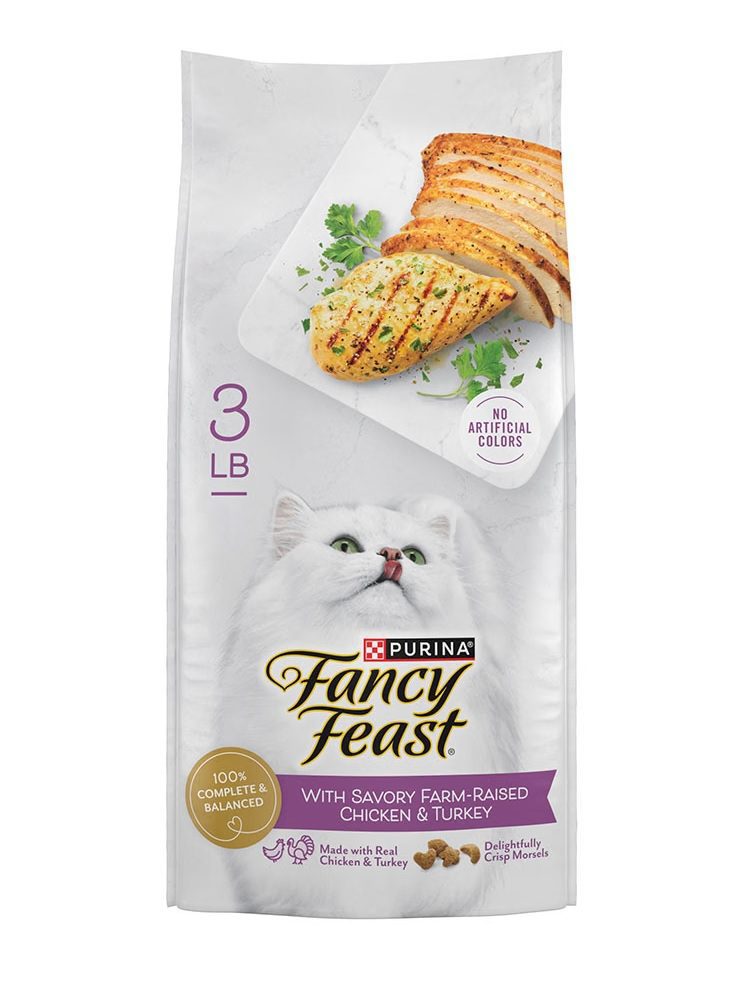
(affiliate link)
4. The Therapeutic Administration Protocol
Transitioning between wet and dry cat food requires more patience than the canine equivalent, because cats are neophobic and reject unfamiliar textures quickly (Case et al., 3rd ed.). A ten to fourteen day ladder can be used, with 10% new food to 90% old for the first three days, then 25/75, then 50/50, then 75/25, and finally full transition. Warming wet food to body temperature is a practical technique that can be tried, and aroma can influence acceptance (Case et al., 3rd ed.). Match the texture first, pate to pate or shreds to shreds, and change texture only after the moisture base is accepted. Some cats accustomed to kibble can resist wet food for an extended period, and the resistance often centers on texture and moisture rather than flavor. Never withhold food to force acceptance, because a cat that refuses food for more than 48 to 72 hours risks hepatic lipidosis (Center, Veterinary Clinics of North America, 2005). The full transition framework for a wet vs dry cat food change is documented in the cat food archive.
5. Adverse Events & Contraindications
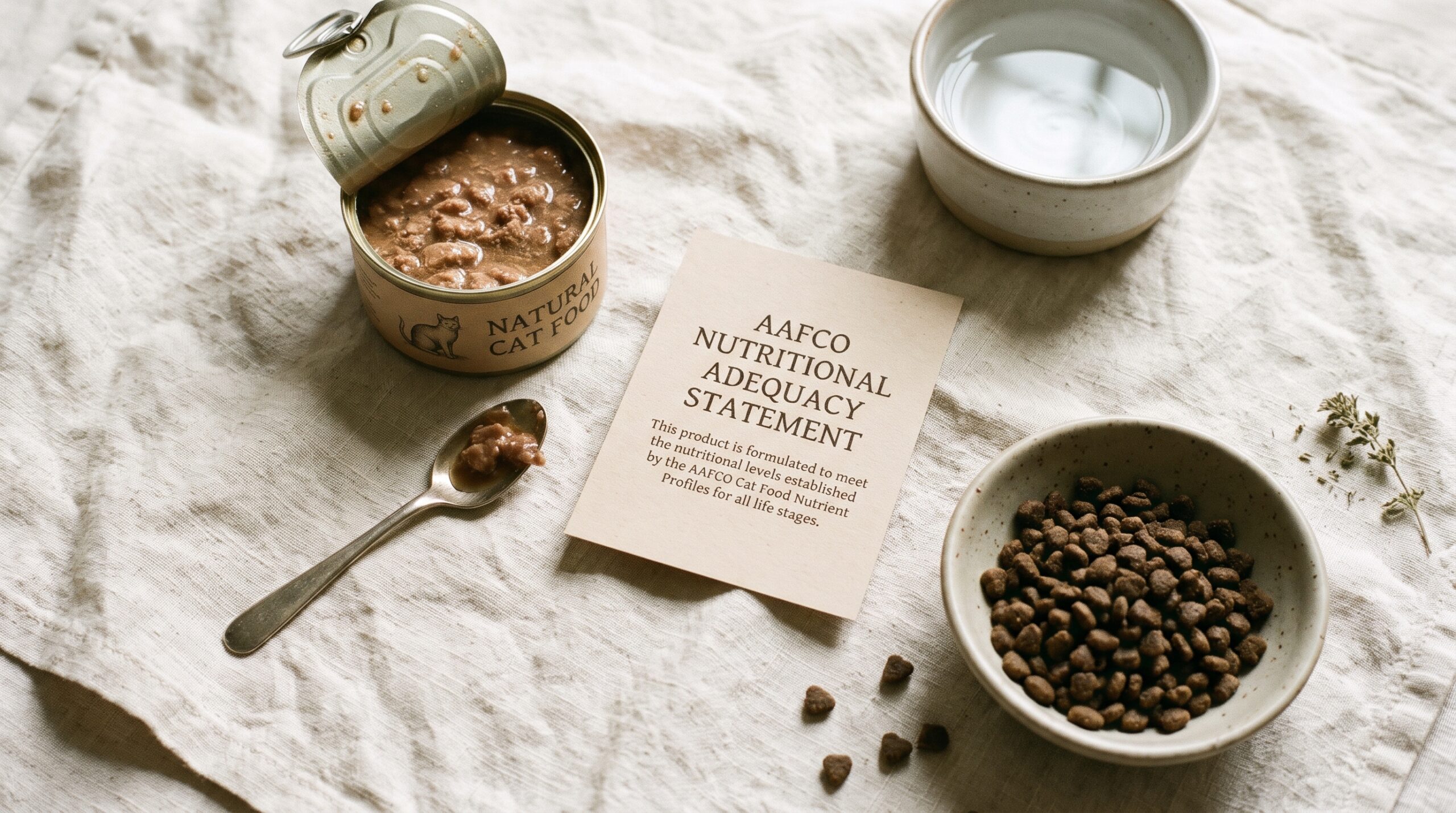
Never feed a cat a dry-only diet without monitoring water intake. Chronic dehydration runs silent, and the first visible sign may be a urinary blockage rather than a behavior change (AAFP and ISFM Environmental Needs Guidelines, 2013). Never assume all wet foods are complete. Check the AAFCO nutritional adequacy statement on the label, because products can be labeled as complementary or supplemental and are not formulated to serve as the sole diet in a wet vs dry cat food plan (AAFCO, 2024 Official Publication). Never transition a cat abruptly from dry to wet. Sudden dietary change in a neophobic species produces food aversion that can persist for months, and the resulting refusal carries a real risk of hepatic lipidosis (Center, 2005). Never feed a cat a diet high in carbohydrates. The repeated insulin demand from starch-heavy kibble contributes to obesity and to the insulin resistance that precedes feline diabetes (Verbrugghe and Hesta, 2017). Moistened kibble should not be left out for long periods, because it can spoil (FDA pet food handling guidance). Never feed toxic human foods such as xylitol, grapes, onions, or chocolate to a cat, because those toxins compound any gastrointestinal upset and confuse the clinical picture during a diet transition (Pet Poison Helpline). Never substitute human probiotic products for veterinary probiotics during a wet vs dry cat food transition. Human strains are selected for the human gut and doses can trigger severe gastrointestinal distress in a cat already adapting to a new formula (WSAVA Global Nutrition Committee). Consult a veterinarian before introducing a new wet or dry formula while the cat is on antibiotics or recovering from illness, because simultaneous variables complicate interpretation of the dietary response. The AVMA literature on feline nutritional requirements and hydration informs this guidance, and the primary source at JAVMA should be reviewed before altering any wet vs dry cat food protocol for a cat with a urinary or cardiac history.
6. Pre-Diet Assessment Markers
Nine markers establish a baseline before any wet vs dry cat food change begins. Without them, improvement cannot be measured objectively.
- Stool Quality: Evaluate using the Bristol Stool Scale, where a score of 3 or 4 indicates optimal hydration and form. High-volume, soft stool signals poor digestibility, which matters more when the moisture content of the diet changes.
- Body Condition Score (BCS): Determine if the cat is underweight, ideal, or overweight on a 1 to 9 scale. Photograph from above and from the side, and weigh weekly during the transition.
- Gastric Distension: Monitor for abdominal bloating or discomfort one to two hours after eating, since timing separates gastric from intestinal signs and flags a formula that ferments too quickly.
- Hydration Status: Check for skin tenting at the scruff and monitor daily water intake. Note whether the cat drinks from a bowl, a fountain, or a running tap, and adjust expectations upward as the diet moves toward dry food.
- Skin & Coat Quality: Check for dandruff, greasiness, or erythema along the belly and flanks, which indicate poor fat metabolism or an essential fatty acid deficit in the wet vs dry cat food plan.
- Antibiotic History: Review recent medical history, because antibiotic therapy is a relevant clinical variable that can complicate interpretation of digestive changes during the transition window.
- Urinary Output: Monitor litter box clumps for size and frequency, which indicate renal health and urine concentration. Smaller, harder clumps point toward inadequate moisture intake.
- Dental Health: Inspect the teeth for tartar buildup and gingivitis, especially if feeding a dry-only diet. Kibble abrasion does not substitute for brushing and veterinary dental cleaning.
- Renal Function: Check bloodwork for BUN, creatinine, and SDMA, the most sensitive early marker of CKD (ISFM and IRIS Kidney Guidelines, 2019). SDMA rises before creatinine leaves the reference range, and the IRIS staging system depends on both values.
Never change a cat’s diet without consulting a veterinarian, especially if the cat has a history of urinary blockages or kidney disease. The practical care guides cover the owner-side logistics of a structured wet vs dry cat food transition.
6.1 Sensory Check: Palatability and Feeding Response
The cat’s willingness to eat signals whether the new wet vs dry cat food plan is palatable enough to sustain long-term adherence. Watch for acceptance at the bowl, rate of consumption, and any sign of refusal, lip curling, or turning away. A wet formula that requires force-feeding rarely survives the first month, because the owner abandons the diet when the effort outweighs the perceived benefit. Smell the food before serving. A rancid or sharply acidic smell can indicate oxidized fat or a degraded batch. Observe stool within 24 to 48 hours of a new formula and log texture, color, frequency, and any blood or mucus present. Weigh the cat weekly and record body condition monthly. These are owner-side observations, not diagnostic criteria, but they surface problems faster than a follow-up appointment.
The Hydration Crisis
Chronic dehydration in cats operates as a slow, cumulative stress on the kidney. The feline kidney concentrates urine efficiently, which allowed the species to survive on limited water in arid environments, but that same efficiency means a dry diet pushes the organ into constant high-concentration duty (Zoran, 2002). Over years, the nephrons that perform that concentration work wear down, and chronic kidney disease can become detectable only after significant function loss (ISFM and IRIS Kidney Guidelines, 2019). The AAFP and ISFM guidelines list increased water intake as a core management strategy for cats with kidney disease and for cats with feline idiopathic cystitis. This is the clinical backdrop that makes the wet vs dry cat food question more than a feeding preference.
Practical hydration tools can support any wet vs dry cat food plan. A circulating water fountain is one option owners can try. Wide ceramic bowls are another option to consider. Adding a tablespoon of warm water to a wet meal is a simple technique that raises moisture intake without altering the nutrient balance. Multiple water stations placed away from food and litter boxes give the cat more opportunities to drink in passing. Each of these is an owner-side technique rather than a clinical intervention, and response varies by cat. The PetMD cat nutrition reference covers the hydration side of the wet vs dry cat food decision in more depth, and the AKC nutrition library provides a general reference on how commercial pet foods are evaluated.
7. Clinical References & Nutritional Disclaimer
According to the veterinary nutrition and feline physiology literature, cats evolved a low thirst drive that reflects their desert ancestry, and cats fed dry food consume roughly half the water of cats fed canned food at the same caloric intake. The AAFP and ISFM Environmental Needs Guidelines list increased water intake as a core management strategy for feline urinary and renal disease, which places moisture content at the center of the wet vs dry cat food comparison.
This is for educational purposes. Nutritional interventions should be tailored by a board-certified veterinary nutritionist.
Read more about the institutional research standards behind this protocol and the editorial leadership that reviews every clinical claim.
Related Cluster
The wet vs dry cat food decision connects to every other system a cat owner manages. The breed-specific care protocols explain why certain lines carry higher rates of polycystic kidney disease and hypertrophic cardiomyopathy, the cat nutrition section covers taurine targets and life stage requirements, and the cat food archive documents how wet and dry feline nutrition products are evaluated before review.
8. Frequently Asked Questions
Written by: PGA Nutrition & Dietetics Desk
Reviewed by: PGA Editorial Board (Zaheer Aujla, Head of Board)
Research sources: PetMD, AKC, CFA, WSAVA, AAFCO, veterinary journals
Last updated: 2026-01-15
As an Amazon Associate I earn from qualifying purchases. This article is editorially independent. Not a substitute for veterinary diagnosis.
Is wet food better than dry food for cats?
Wet food is biologically superior for hydration and urinary health, because it delivers 75% to 80% moisture and moves water intake closer to what a cat would obtain from prey (Case et al., 3rd ed.). Dry food can meet nutrient minimums, but it concentrates urine and adds renal workload over years. The wet vs dry cat food comparison can favor wet as the primary diet, with dry kibble used as a supplement or convenience feeding.
Can I feed my cat only dry food?
A dry-only diet can meet nutrient minimums if the formula is complete, but it leaves the cat relying on drinking to close the moisture gap, and the feline thirst drive does not reliably drive intake high enough (Zoran, 2002). Cats on dry-only plans need monitored water intake, multiple water stations, and regular urine concentration checks. Adding one wet meal per day reduces the risk without disrupting the household routine, and that middle path is often the practical answer to the wet vs dry cat food question.
How do I get my cat to drink more water?
A circulating fountain can encourage drinking, because moving water draws feline interest more than still water. Wide ceramic bowls reduce whisker contact, and multiple stations placed away from food and litter boxes give the cat more opportunities to drink in passing. The most reliable lever in the wet vs dry cat food debate is adding wet food, which delivers water through the meal itself.
Is grain-free cat food better?
Not automatically. Grain-free formulas can swap corn and wheat for potatoes or peas, which carry carbohydrate loads that rival the grains they replace. The FDA investigated a possible link between legume-heavy grain-free diets and dilated cardiomyopathy in pets, and the question remains open. Judge any dry food in the wet vs dry cat food comparison on total carbohydrate load and protein source rather than on the absence of grain.
Can I mix wet and dry cat food?
Yes, and a mixed plan can work well, provided total calories are adjusted to account for both components. Serve them in separate bowls at separate times rather than mixing wet and dry in the same bowl, because moistened kibble can spoil when left at room temperature. Keep both components on the same protein base so the transition does not introduce two new variables at once, and the wet vs dry cat food balance stays interpretable.


The PGA Clinical Desk analyzes AAFCO nutritional guidelines, veterinary dermatological baselines, and genetic sensitivities (MDR1). We translate dense institutional data from the AVMA and NAVC into actionable at-home care protocols. We do not provide veterinary diagnoses.