Written by: PGA Hardware & Equipment Desk
Reviewed by: PGA Editorial Board (Zaheer Aujla, Head of Board)
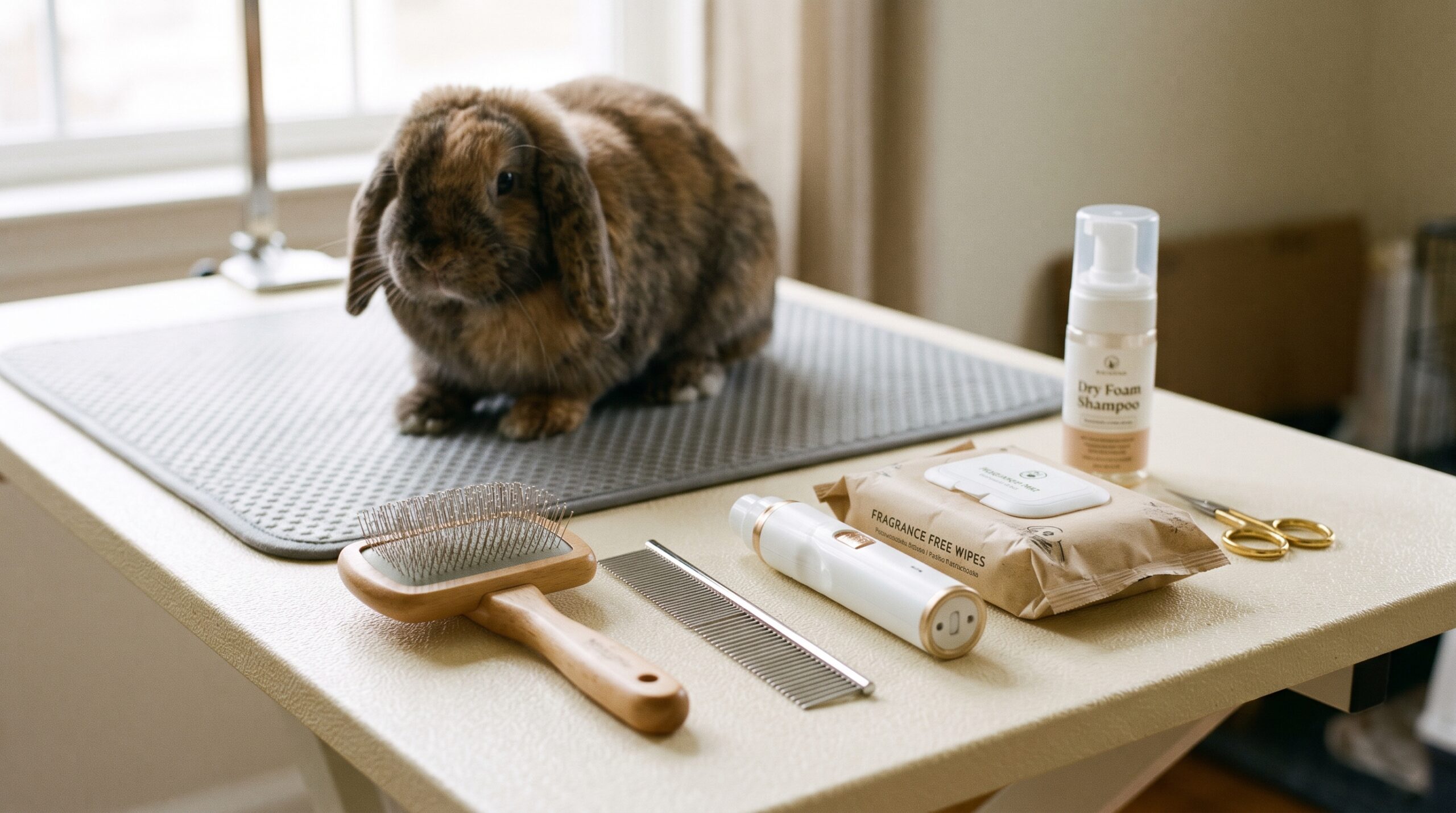
A Holland Lop grooming protocol has to start with the fact that this animal is not a small dog. Rabbits are prey animals with fragile skin that tears under a pin. Their skeletal structures can fracture under a poor hold, and their digestive system cannot vomit ingested hair back out. The Holland Lop’s dense rollback coat sheds seasonally, and if the loose hair is not removed, the rabbit ingests it while self-grooming and the hair accumulates in the stomach as a wool block that can turn into GI stasis. That condition is fatal without intervention. Rabbits are also fastidious self-cleaners that should never be bathed in water, because the shock and hypothermia that follow a bath can kill them within hours. This protocol dissects the biology of the rollback coat and outlines safe handling techniques for the tools required during a molt.
Section 1: AIO Direct Answer & Quick Match
A Holland Lop grooming protocol pairs a flexible-pin slicker with a quiet nail grinder, fragrance-free wipes for the scent glands, a fine-tooth comb for the face, a dry foam shampoo for soiling emergencies, and a non-slip mat that keeps the rabbit from panicking during handling. The system treats the coat as a digestive risk rather than a cosmetic surface, because every loose hair the brush leaves in place is a hair the rabbit will swallow while grooming itself. Owners who build a Holland Lop grooming protocol around daily brushing during a molt report fewer wool block scares and a coat that stays clear of the felted mats that rabbits cannot groom out. This Holland Lop grooming protocol treats the brush as a GI-stasis prevention tool first and a fur maintenance tool second. The three quick match routes below send you to the right first purchase based on what your rabbit is showing today.
If your Holland Lop is molting and dropping hair:
Chris Christensen Big G Slicker Brush
(affiliate link)
If you need to safely trim your rabbit’s nails:
(affiliate link)
If your rabbit’s scent glands need cleaning:
(affiliate link)
Section 2: The Institutional Moat
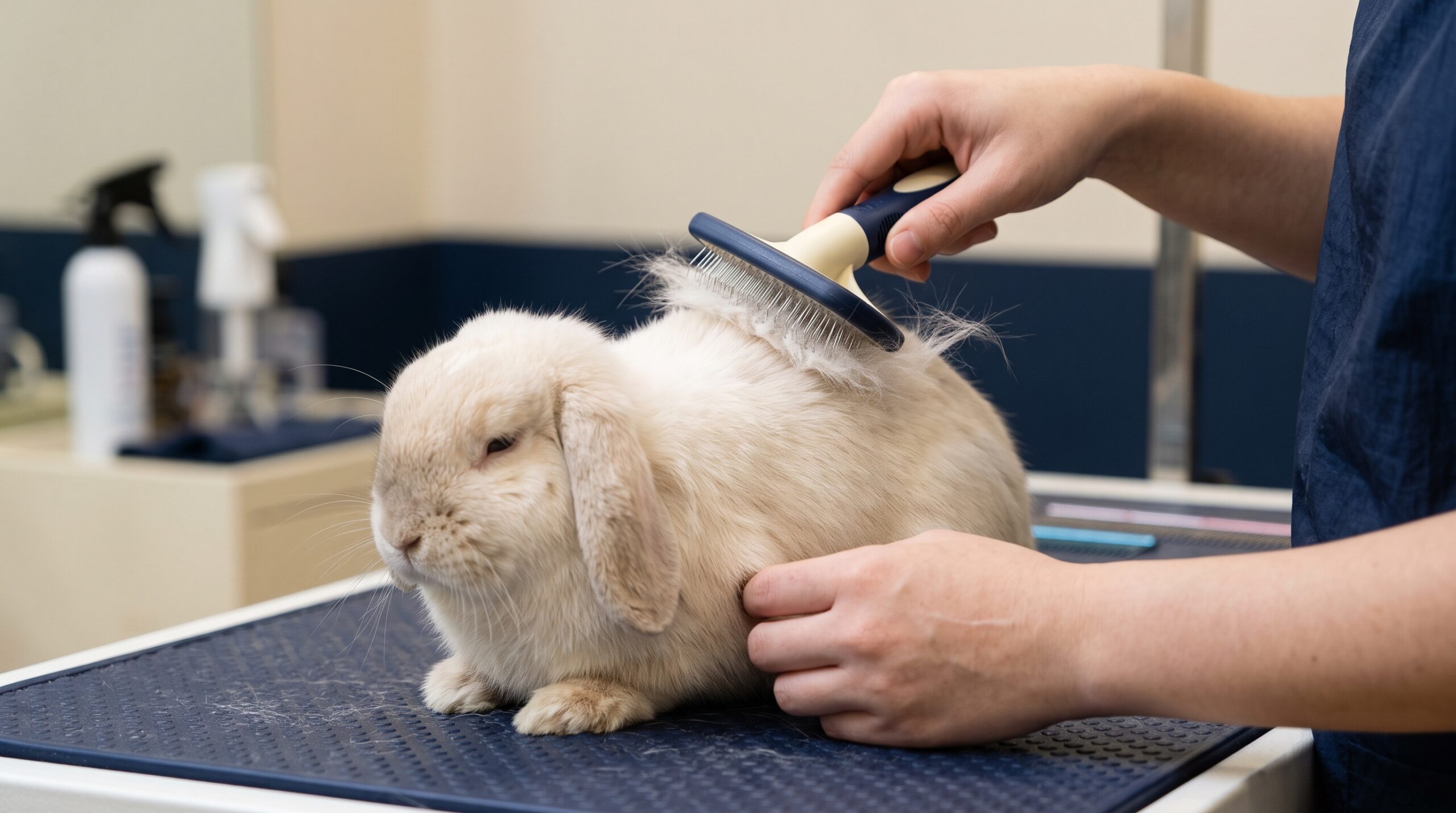
Veterinary exotic-animal medicine treats the rabbit’s rollback coat as a distinct fur type rather than a generic long coat. Rollback fur returns to its original position when brushed, which is why a Holland Lop never looks fully brushed after a pass even when the brush came away loaded with hair. That behavior makes it easy for owners to under-brush, because the coat looks tidy while dead fur still sits against the skin. The AKC grooming resources on fur cycles apply here in principle, though the rabbit-specific risk is what changes the routine.
Rabbits cannot vomit. That single anatomical fact is the foundation of any honest Holland Lop grooming protocol, because it means swallowed hair has no route back out. The hair accumulates in the stomach and combines with the fiber the rabbit is already eating into a wool block, and the block slows gut motility until the rabbit stops eating. That state is GI stasis. The small rabbits care guide covers the early signs of a stasis episode. A brush that removes loose hair before the rabbit swallows it is the cheapest prevention the owner has.
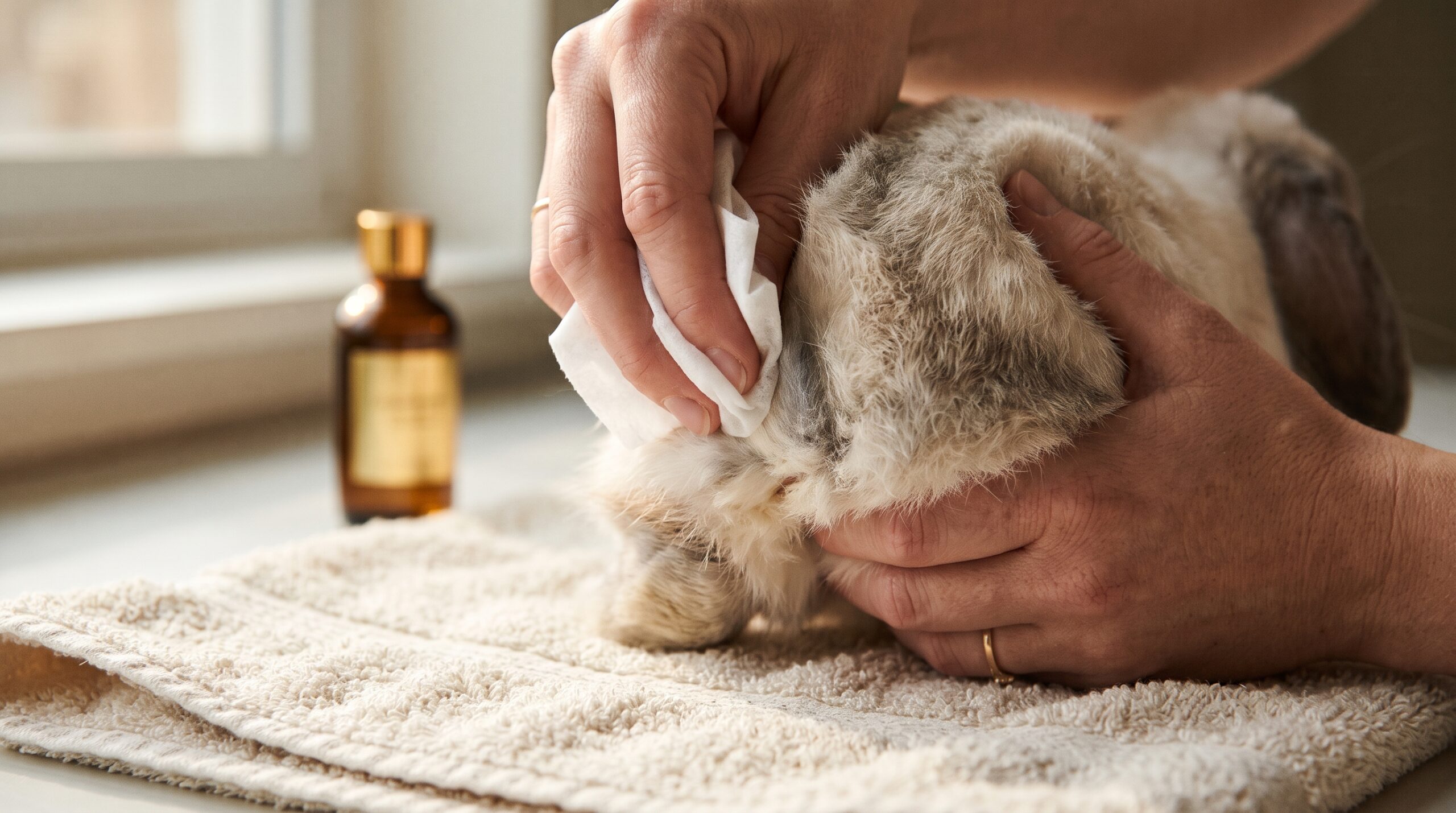
Scent glands on either side of the anus produce a brown waxy secretion that hardens against the skin if it is not cleaned. The breed protocols guide covers how often the glands need attention across the small animal breeds. A fragrance-free wipe clears the secretion without irritating the sensitive skin around the anus, and skipping the step lets the wax harden into a plug that irritates the rabbit into scooting and scratching.
Section 3: Bio-Mechanical Breakdown
Each tool in a Holland Lop grooming protocol is judged on how it touches fragile rabbit tissue. The slicker removes molt hair without tearing the thin skin, while the grinder reaches the nail at a speed slow enough that the rabbit can tolerate it inside a Holland Lop grooming protocol that has to stay calm from start to finish.
3.1 Brushes (The Molt Tools)
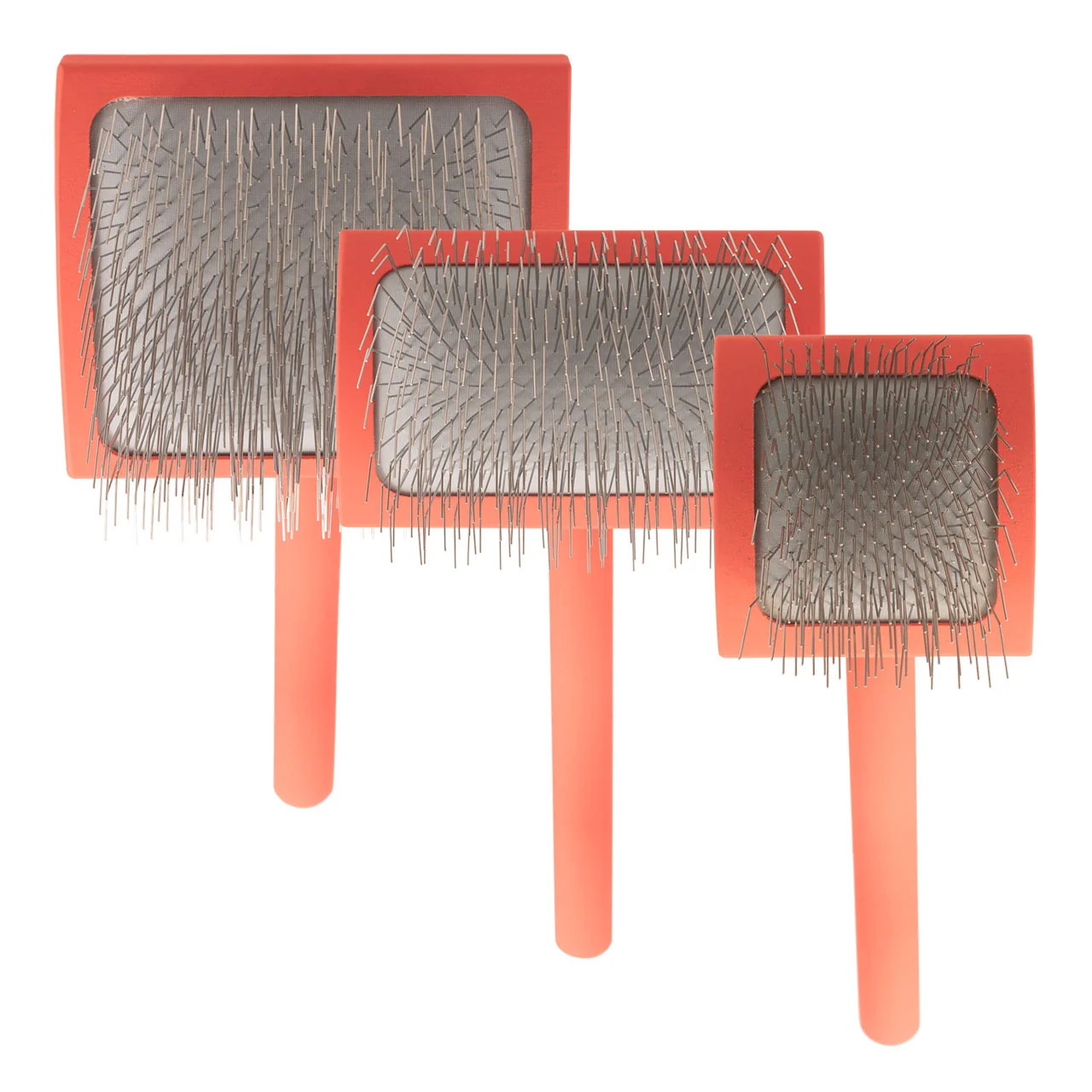
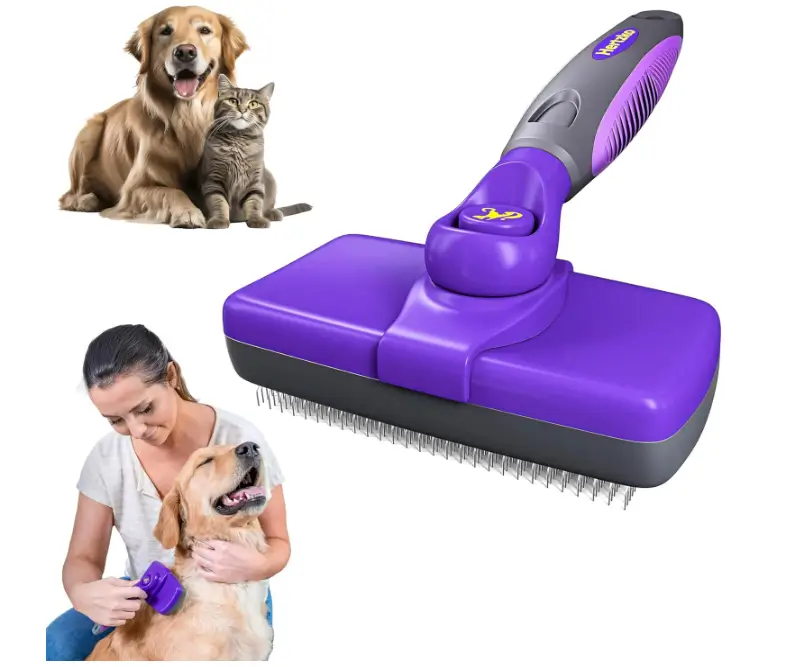
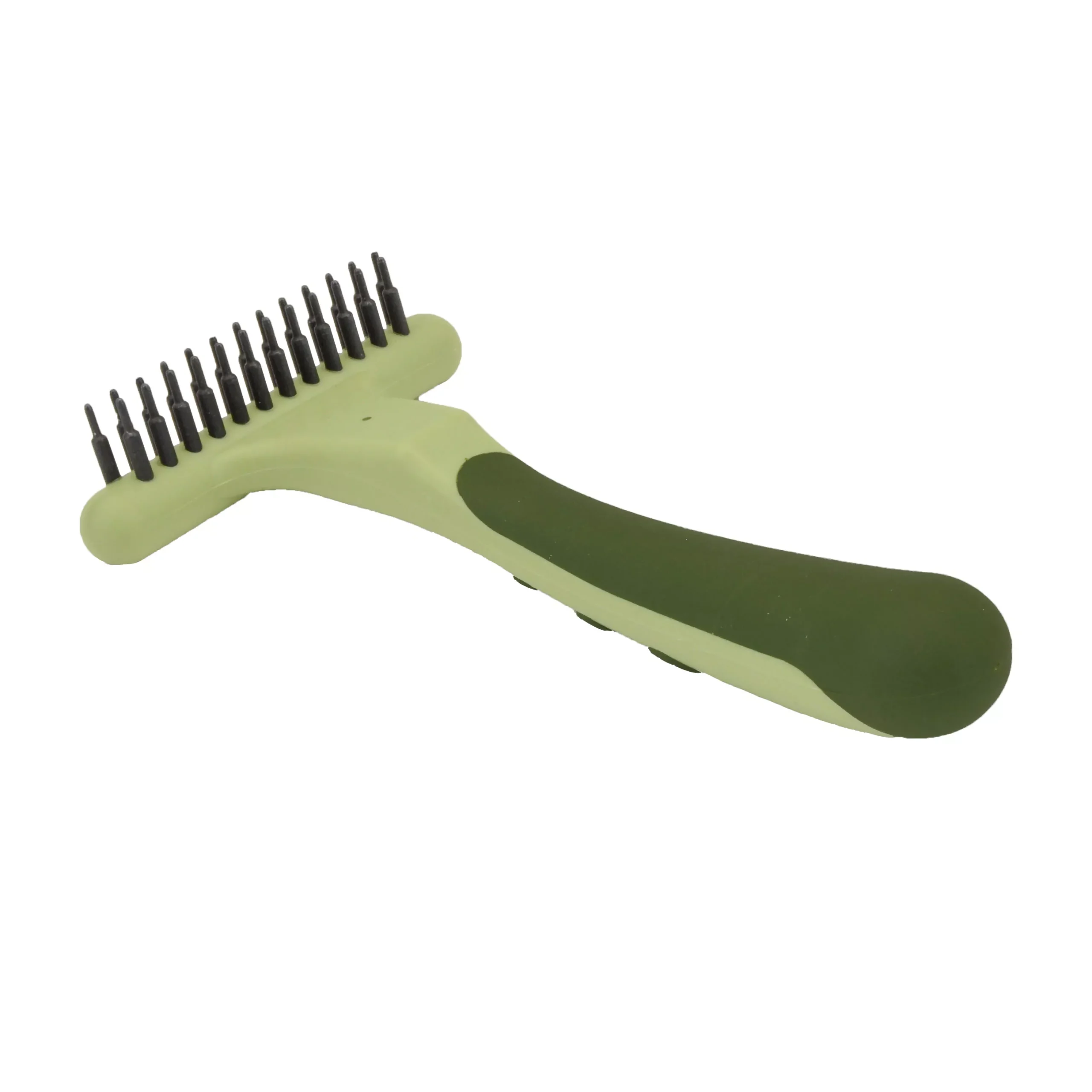
The Holland Lop’s rollback fur requires a soft slicker brush to remove dead hair during a molt, and inside a Holland Lop grooming protocol the pin flexibility is the whole decision. A wire slicker with soft flexible pins glides over the thin rabbit skin without catching. A stiff-pinned slicker designed for a dog coat catches the same skin at the first snag and tears it, and rabbit skin tears far more easily than a dog’s because it lacks the dense connective layer beneath the surface. Brush in slow strokes in the direction of the fur, working from the back toward the tail so the loose hair lifts away from the skin rather than pressing into it. The brush should never be used with pressure, because pressure on rabbit skin is what causes the tears that send the owner to the exotic vet. Every tier below is judged by pin flexibility and by how softly the pins travel across the coat, because the brush is the tool the rabbit sees most often during a molt.
Clinical Verdict: Chris Christensen Big G Slicker Brush is the safest option due to its flexible pins. Hertzko for light maintenance. Never use a dog rake on a rabbit.
| Product Image | Product Name | Verified Spec | Primary Button / Our Rating |
|---|---|---|---|
Pro Tier: Zero Abrasion |
|
| |
Mid Tier: Easy Clean |
|
| |
Budget Tier: Deshedding |
|
|
(affiliate link)
3.2 Nail Grinders (Precision)
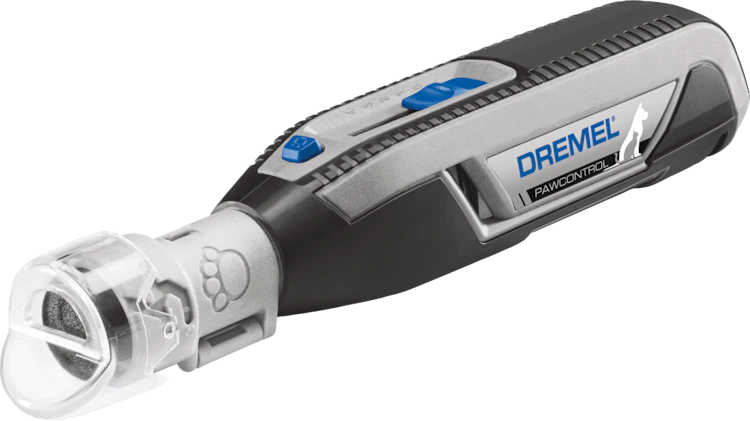
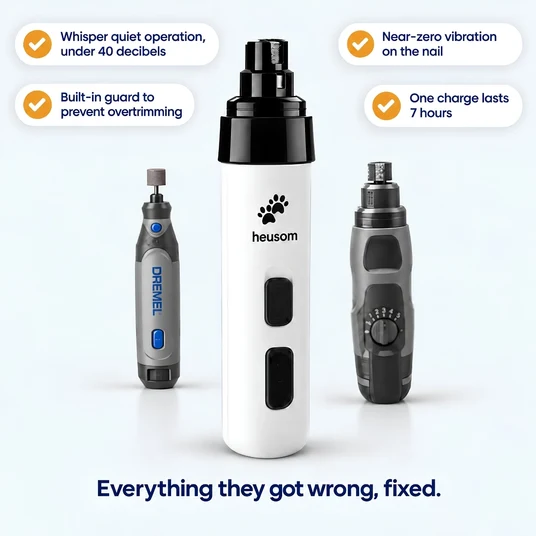
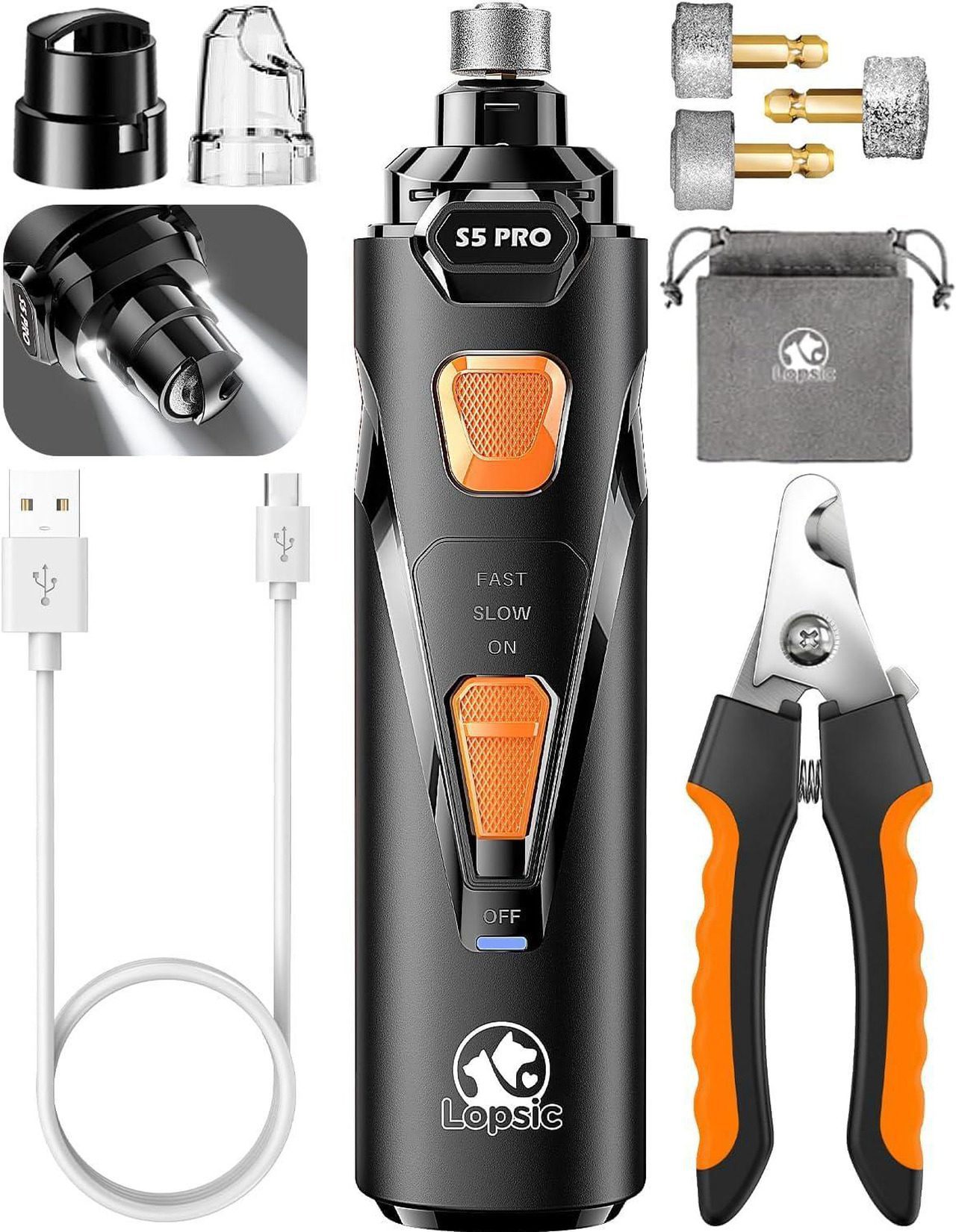
Rabbit nails are thin and curved, and inside a Holland Lop grooming protocol the grinder is the safer tool because it sands the nail in small increments and lets the owner see the quick on a nail that is thin enough to shine through. A grinder with a fine grit is required to trim the nail slowly. The motor has to be quiet. A loud grinder spooks a rabbit faster than it spooks a cat, and a spooked rabbit kicks with the full strength of its hind legs while its spine is still in the owner’s hold. That kick can fracture the spine, which is the single most common serious injury in rabbit handling. The quiet motor is not a comfort feature. It is a safety feature that keeps the rabbit from panicking while the nail is being ground. Every tier below is judged by grind precision and by low-noise behavior together, because the nail grinder is the tool that most often decides whether a nail session ends calmly or ends with a kick.
Clinical Verdict: Dremel PawControl 7760 on its lowest speed setting. LOPSIC for its whisper-quiet motor. Heusom only for very calm rabbits.
| Product Image | Product Name | Verified Spec | Primary Button / Our Rating |
|---|---|---|---|
Pro Tier: High-Output Precision |
|
| |
Mid Tier: Ultra-Low-Noise Entry |
|
| |
Budget Tier: Whisper-Quiet Desensitization |
|
|
(affiliate link)
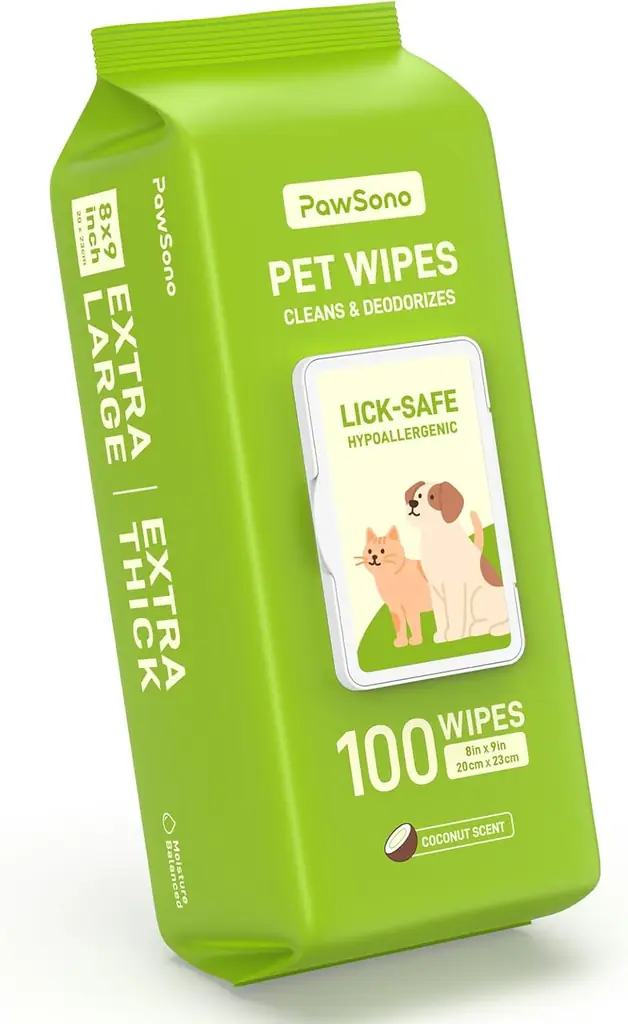
3.3 Wipes (Scent Gland Care)
Rabbits have scent glands on either side of the anus, and inside a Holland Lop grooming protocol those glands need a routine clearing because they produce a brown waxy secretion that hardens against the skin. The wipe is the tool that clears the secretion without irritating the sensitive skin around the vent. A fragrance-free wipe is the only safe option. The scent compounds that make a wipe pleasant to humans irritate the rabbit’s thin skin and trigger a scratching response that can turn a small wax plug into a self-inflicted wound within a day. Hold the rabbit with the hindquarters supported and lift the tail gently, then wipe from front to back on each side of the vent in a single pass. Do not scrub. The wax softens with a single wipe and a second pass, and scrubbing a rabbit’s skin in that area is a guaranteed way to start a fight the rabbit will win. Every tier below is judged by how softly the wipe travels across the skin.
Clinical Verdict: Earth Rated Dog Wipes for gentle, fragrance-free cleaning. Do not use human baby wipes with alcohol or fragrance.
| Product Image | Product Name | Primary Button / Our Rating |
|---|---|---|
Pro Grade |
| |
Pro Grade |
| |
Top Tier |
| |
Top Tier |
| |
Alternative Pick |
|
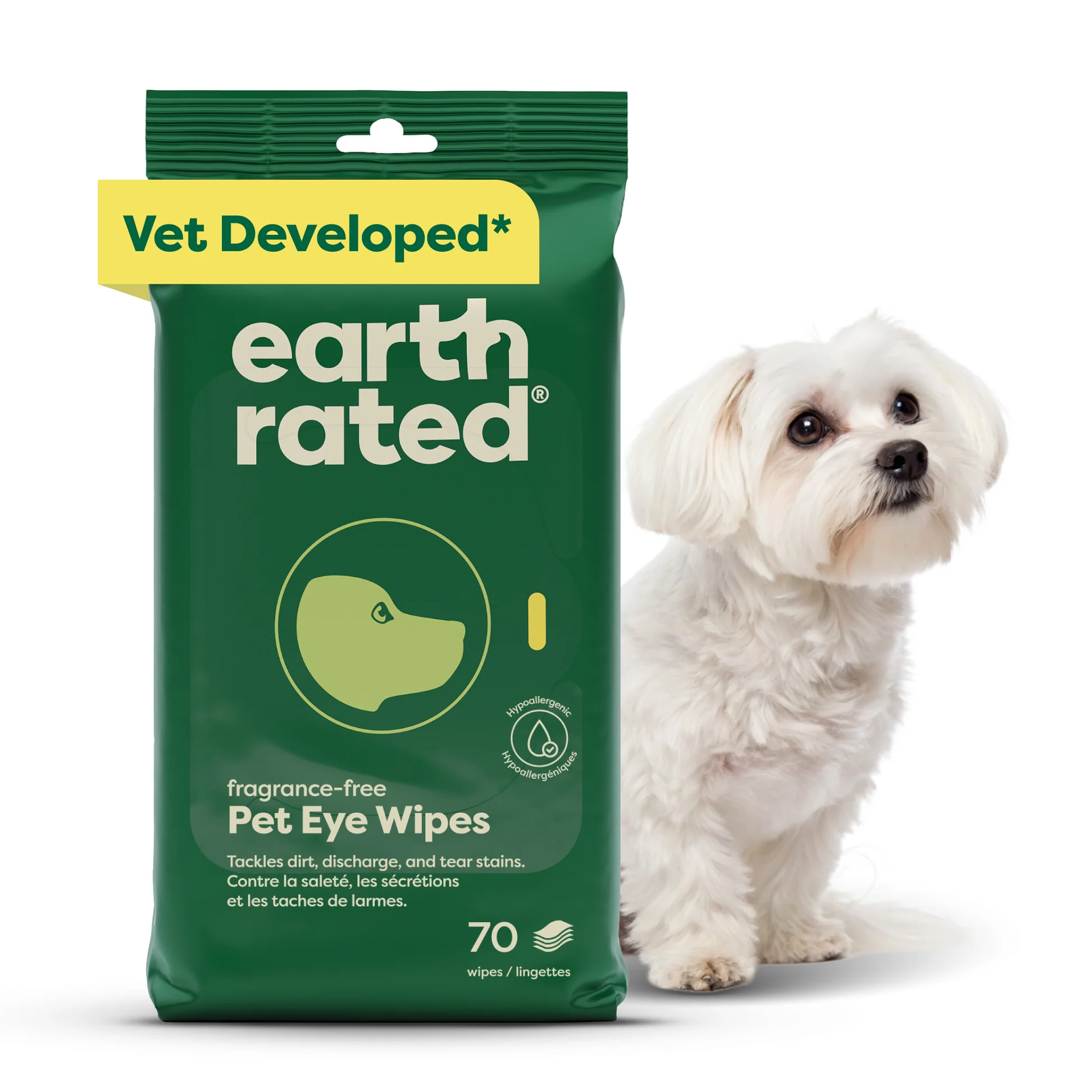
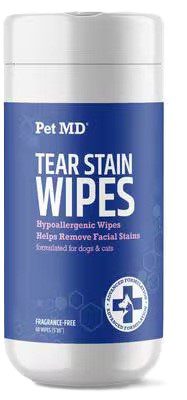
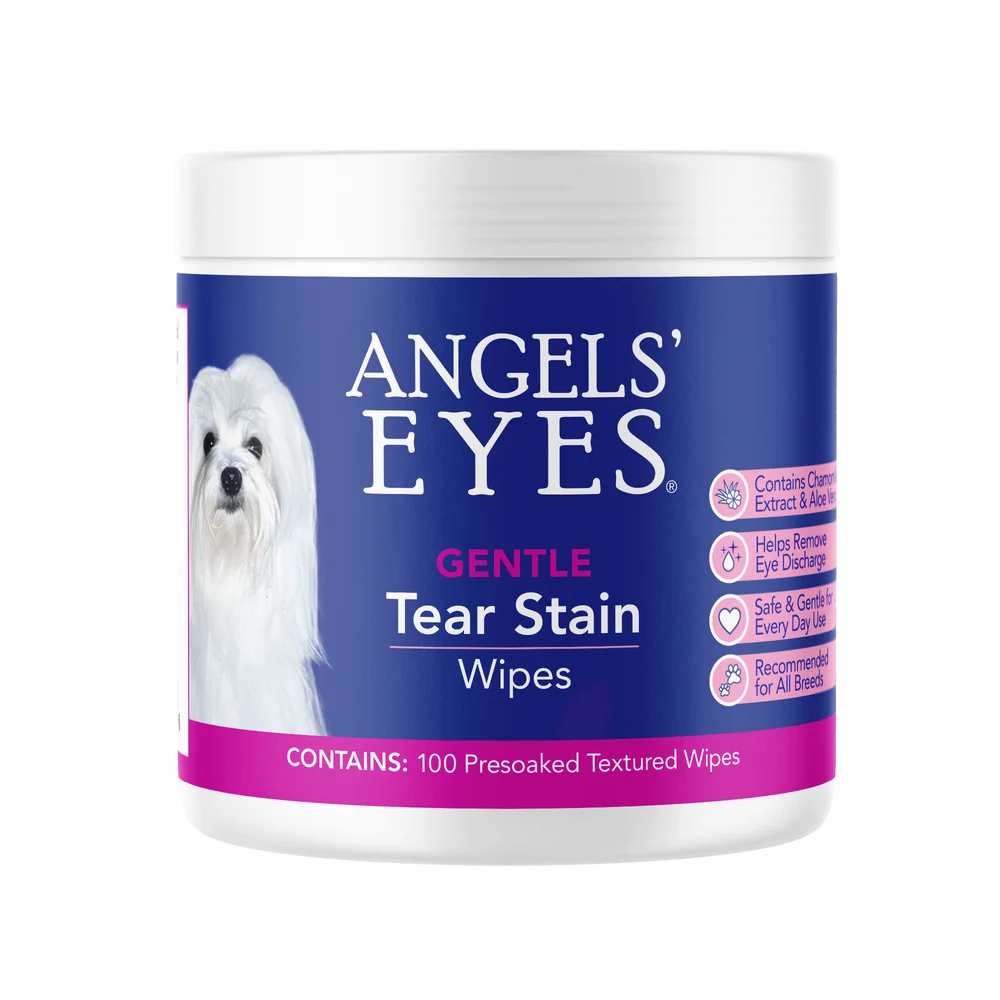
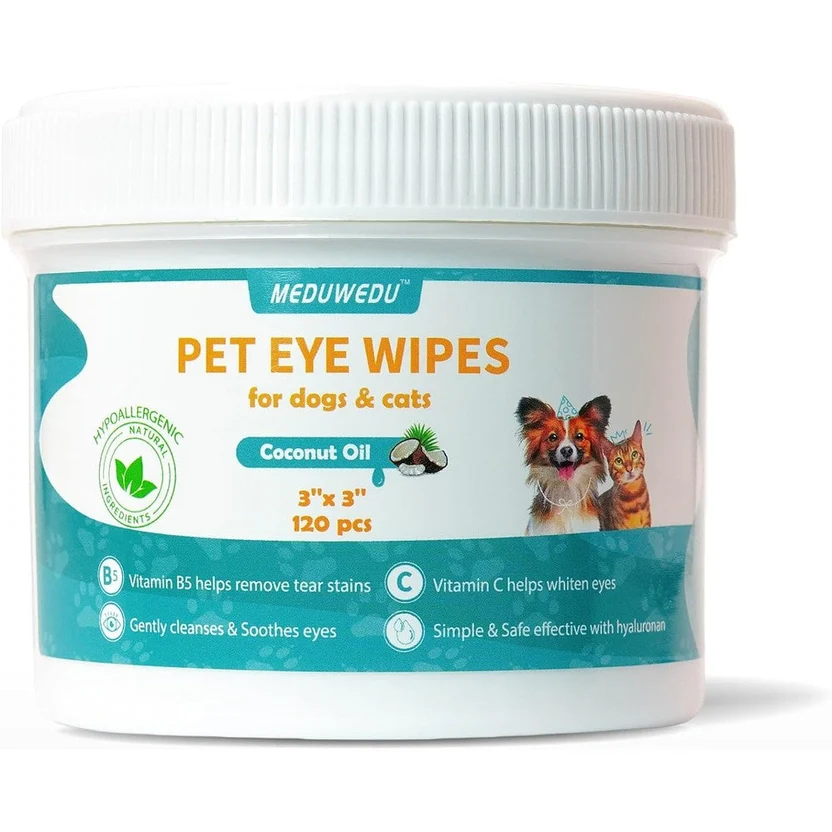
(affiliate link)
3.4 Combs (Face & Cheeks)
The fur on the Holland Lop’s cheeks and face is shorter and denser than the body coat, and inside a Holland Lop grooming protocol the face needs a different tool because the skin there is thinner than the skin on the back. A fine-tooth metal comb with rounded tips lifts the loose hair from the cheeks and the area under the chin without scratching the skin. That last point matters because the face is where the rabbit is most sensitive to being touched, and a tool that scrapes there teaches the rabbit to resist every future handling session. The comb should pass through the fur in a single stroke from the cheekbone down toward the jaw. Skip the eye area entirely, and stop if the rabbit flinches, because a flinch on the face is a signal that the tool is moving too fast or the fur is too tangled for a comb. Every tier below is judged by tooth spacing and by how rounded the tips are, because a sharp tooth near a rabbit’s eye is a worse tool than no tool at all.
Clinical Verdict: A fine-tooth metal comb with rounded tips is the safest tool for the face. Skip plastic combs, as they generate static and irritate the fur.
| Product Image | Product Name | Verified Spec | Primary Button / Our Rating |
|---|---|---|---|
Pro Tier: Zero Abrasion |
|
| |
Mid Tier: Easy Clean |
|
| |
Budget Tier: Deshedding |
|
|
(affiliate link)
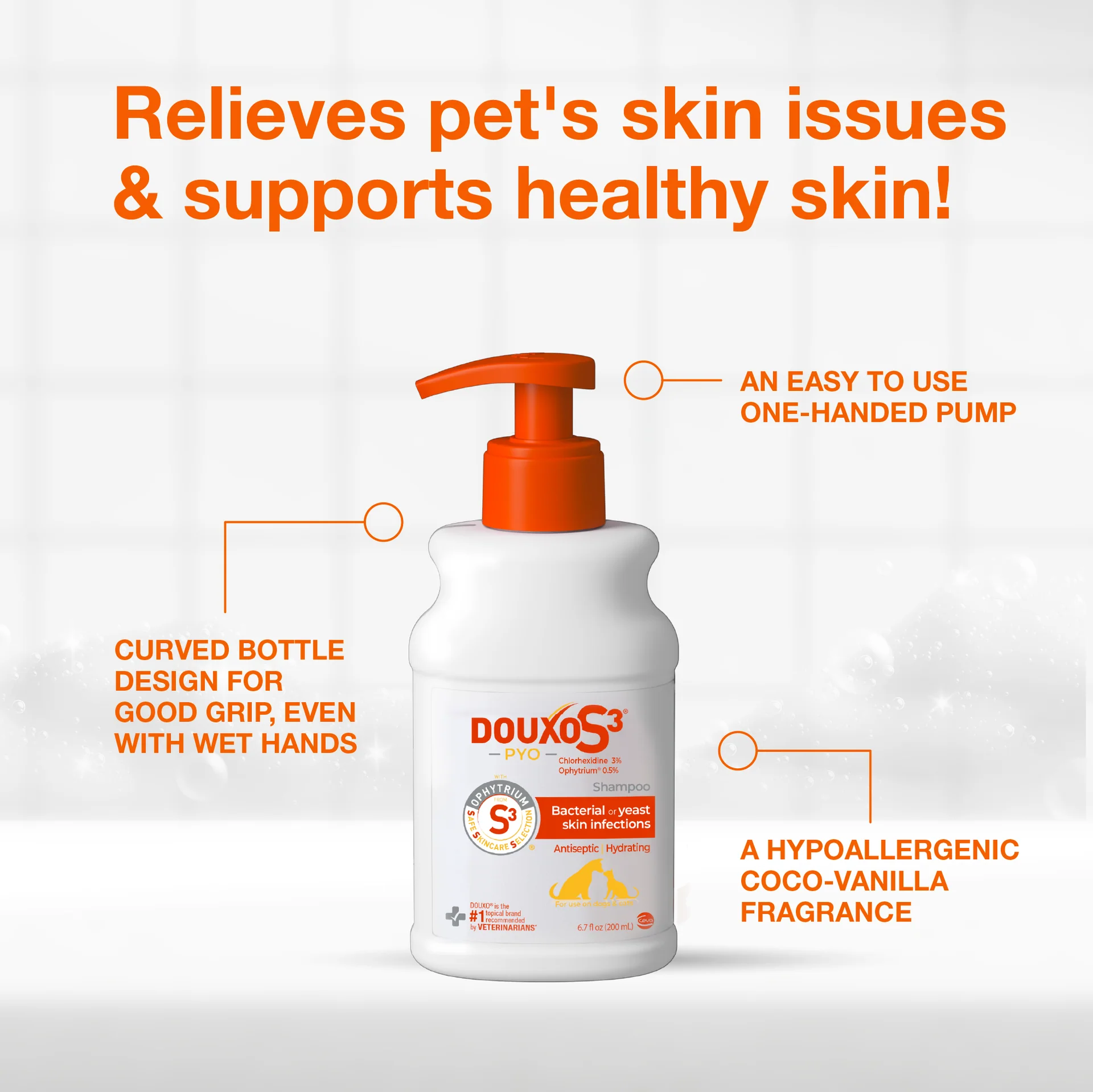
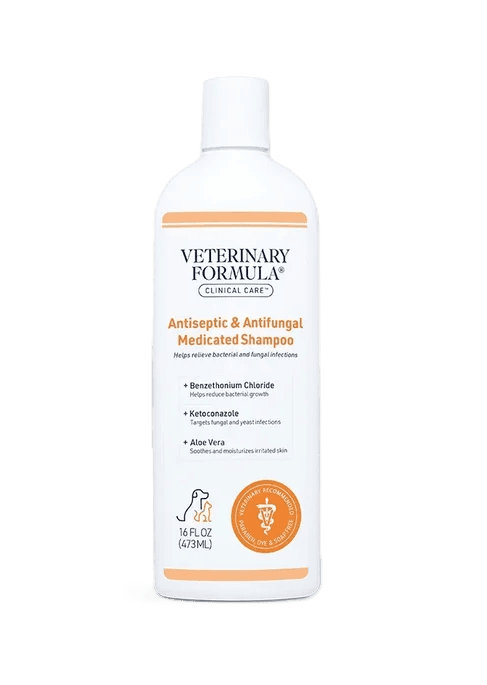
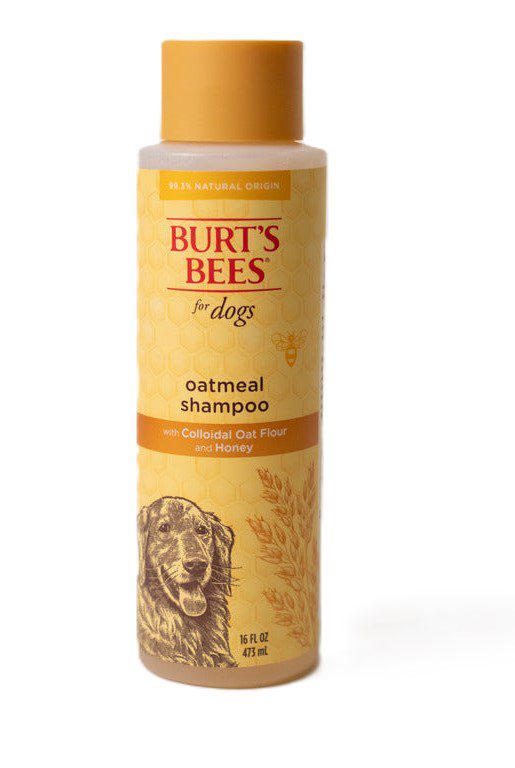
3.5 Shampoos (Dry Shampoo Only)
Rabbits must never be bathed in water. Inside a Holland Lop grooming protocol the bath is the single most dangerous step an owner can take, because water on a rabbit’s coat drops core temperature fast and the shock that follows can kill the animal within hours. Water also damages the coat’s natural oils and leaves the rabbit unable to regulate its own temperature while the fur dries. If a rabbit is soiled, a dry foam shampoo or plain cornstarch is used to absorb the dirt, then brushed out. The dry foam lifts the soiling from the surface, and the cornstarch binds the oil so a brush can remove it in a single pass. Neither product leaves the coat damp, which is the whole reason the dry method exists. Every tier below is judged by whether it leaves the coat fully dry, because a shampoo that leaves residue damp against the skin has produced the same hypothermia risk as a water bath without the visible signal that the rabbit is wet.
Clinical Verdict: Dry foam shampoos or cornstarch only. Never use water or human shampoo on a rabbit.
| Product Image | Product Name | Verified Spec | Primary Button / Our Rating |
|---|---|---|---|
Pro Tier: Prescription-Strength Antiseptic |
|
| |
Mid Tier: OTC Medicated |
|
| |
Budget Tier: Barrier-Safe Maintenance |
|
|
(affiliate link)
3.6 Handling (Non-Slip Grooming)
Rabbits have fragile spines and can break their own backs if they kick while being held unsupported, which is why the handling surface inside a Holland Lop grooming protocol is a tool in its own right. A non-slip mat under the rabbit prevents the sliding that triggers panic, and panic is the moment a kick becomes a fracture. The mat also gives the rabbit something to grip with its nails so it feels secure, and a rabbit that feels secure stays still while the brush and grinder do their work. Never hold a rabbit by the scruff or the ears. Always support the hindquarters with one hand while the other controls the front. That support is what keeps the spine in line if the rabbit kicks. Every tier below is judged by grip and by how easily the surface can be cleaned between sessions, because the mat is the piece of equipment that quietly decides whether a grooming session ends with a rabbit that trusts the owner or a rabbit that fights every future handling.
Clinical Verdict: A non-slip mat is mandatory. Never hold a rabbit by the scruff or ears. Support the hindquarters at all times.
| Product Image | Product Name | Verified Spec | Primary Button / Our Rating |
|---|---|---|---|
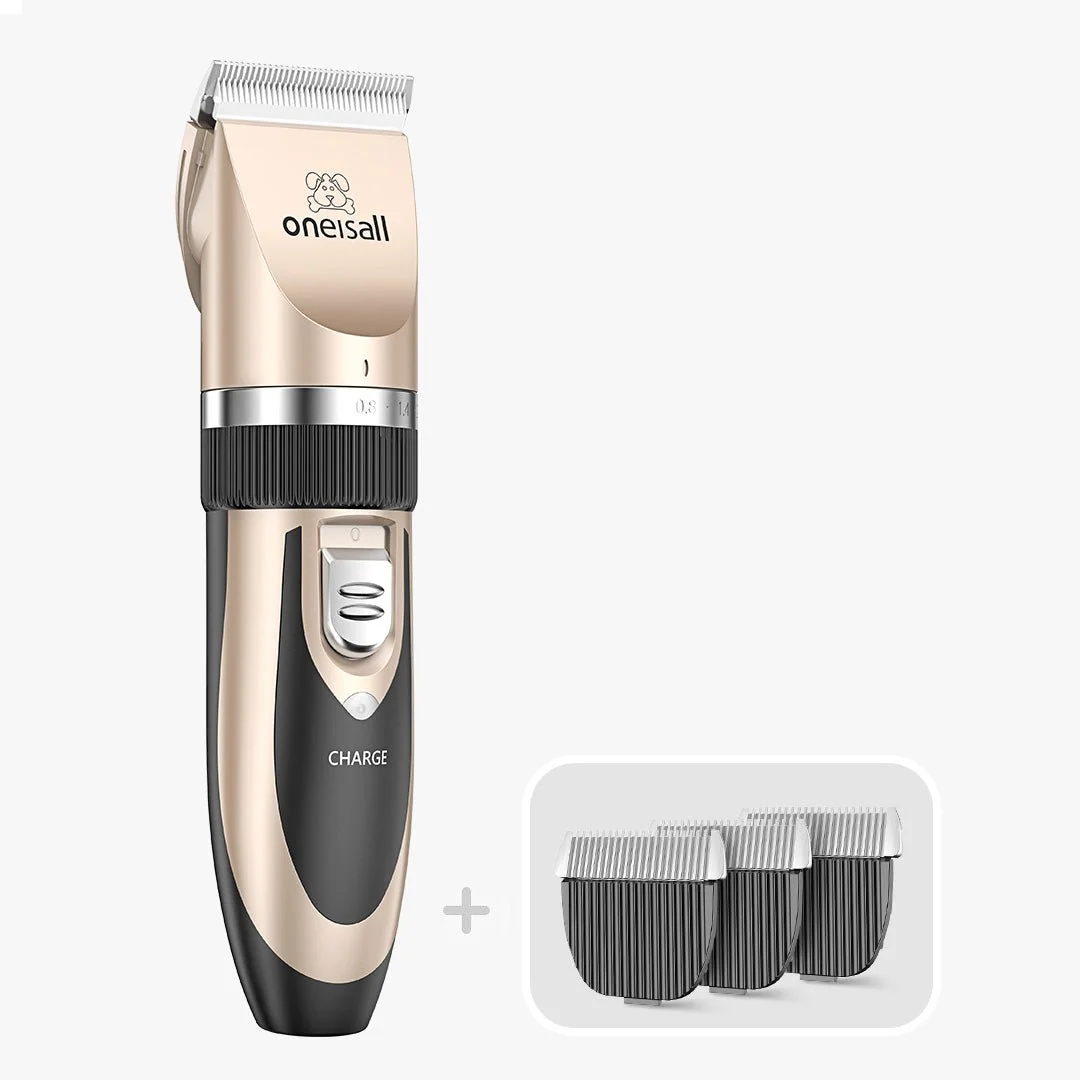
Pro Tier: Salon Standard |
|
| |
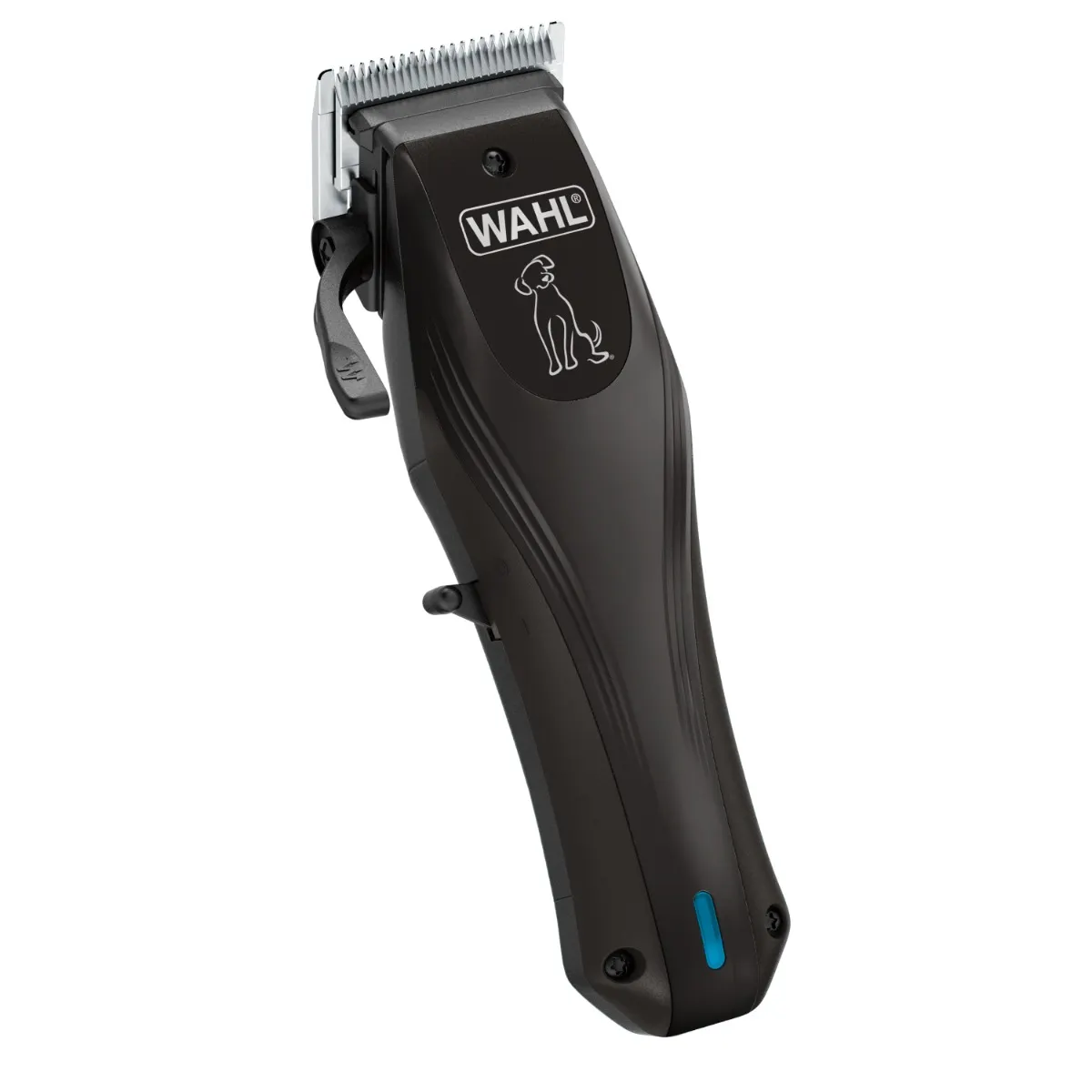
Mid Tier: Cordless Heavy Duty |
|
| |
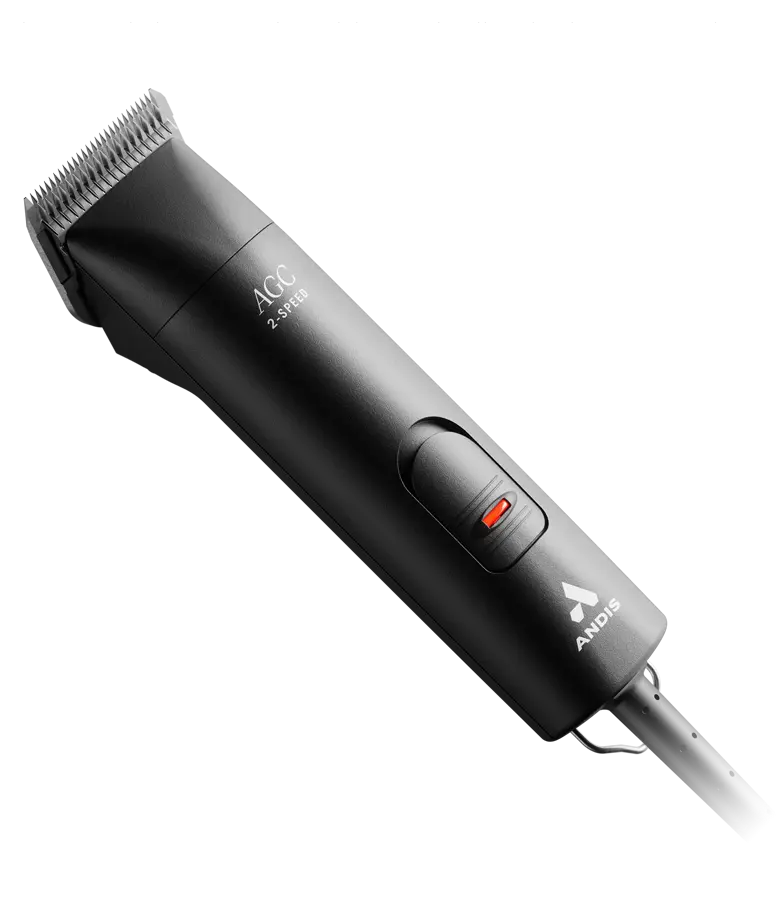
Budget Tier: Quiet & Light |
|
|
(affiliate link)
Section 4: Choice Architecture
A Holland Lop grooming protocol has two non-negotiable purchases: the soft slicker brush and the quiet nail grinder. The brush is the tool that prevents GI stasis by removing loose hair before the rabbit ingests it, and the grinder is the tool inside any Holland Lop grooming protocol that keeps the nails from overgrowing into the mat and into the rabbit’s own hocks. Between them, those two purchases decide whether the rabbit finishes a molt with a clean gut and healthy feet or whether the owner is scheduling an exotic-vet visit mid-shed. The wipes belong in the kit because the scent glands will otherwise harden into a plug, and the non-slip mat belongs in the kit because the handling surface is what prevents a spine fracture during a nail session. Compare full specs at the grooming tools hub before committing to a full Holland Lop grooming protocol.
Sensory Check: Grinder Noise and Rabbit Panic Response
Grinder noise is the sensory variable that decides whether a Holland Lop tolerates a nail session or panics mid-grind, and it is the reason two grinders with the same speed rating can produce completely different outcomes inside a Holland Lop grooming protocol. A grinder with a balanced motor passes a steady hum through the housing, and the rabbit registers that hum as background. A grinder with a wobbling bit or a loud motor hits the frequency rabbits read as a predator signal, and the rabbit’s response is a full-body kick. That kick is the injury. It is not the grinder that breaks the rabbit’s back. It is the kick.
Vibration follows the same logic across the grinders sold for small-animal work. A larger motor turning at lower revolutions produces less high-frequency whine than a small unit spinning fast, which is why a whisper-quiet grinder reads as safe to a rabbit that would panic at a cheaper model. Verify any decibel figure against the manufacturer’s own listing, because measurement distance and method change the number. Vibration travels through the hand as much as the paw, and a balanced bit lets the owner feel the quick before the bit reaches it. That tactile control is what keeps the grinder below the panic threshold on a rabbit that is already braced against the tool.
Section 5: Clinical Contraindications
Never bathe a rabbit in water. The water drops core temperature fast enough to trigger hypothermia, and the shock of the bath itself can kill the animal within hours. That is the single most important line inside any Holland Lop grooming protocol, and it is the one new rabbit owners break first. Never use a stiff rake on a rabbit. The tines that are designed to dig through a dog’s undercoat will tear the thin rabbit skin on the first pass, and rabbit skin does not heal the way a dog’s skin heals. Never hold a rabbit by the scruff or the ears. That grip removes the hindquarter support the spine depends on, and a kick while the spine is unsupported can fracture the back. Never cut a rabbit’s nail down to the quick. The quick contains nerve endings and blood vessels, and cutting into it causes severe pain that teaches the rabbit to fight every future nail session. Never ignore a rabbit that stops eating. A rabbit that refuses food is showing the first sign of GI stasis, and stasis can become fatal within twenty-four to forty-eight hours without veterinary intervention. The AVMA veterinary literature documents handling injuries and GI stasis as real outcomes in small-animal care, not cosmetic preferences. Every one of these contraindications inside a Holland Lop grooming protocol exists because the wrong move on a rabbit is not reversible in a single session, and the cost of correcting the damage lands in an exotic-veterinary emergency instead of the grooming table.
Section 6: Pre-Groom Palpation & Texture Checklist
Run the palpation pass first before any tool touches the rabbit. The thin skin and fragile spine mean a rabbit that is already flinching needs a vet visit rather than a grooming session, and a rabbit that has stopped eating needs an emergency appointment before the brush comes out of the drawer.
- Palpate the spine gently. Run flat fingertips along the back to feel for any misalignment or swelling, and stop the session if the rabbit reacts at any point along the spine.
- Check the abdomen for firmness. A hard, distended belly signals GI stasis and needs an exotic vet rather than a groom session.
- Palpate for lumps and abscesses. Run flat palms under the chin, along the jaw, and across the flanks to feel for the abscesses that are common in rabbit lines.
- Check the hocks for pododermatitis. Press the fur over each hock to feel for the swelling that signals a pressure sore starting on the foot.
- Press each nail bed with your thumb. Heat or swelling at the base of a nail signals an infection the grinder should not touch.
Then run the texture pass while the rabbit is settled on the non-slip mat and the tools are still off.
- Check the coat for loose hair and molt pattern. Run fingers through the fur to feel where the molt is releasing before the slicker touches it.
- Check the nails for overgrowth or curling. A nail curling toward the pad changes gait and traps debris against the skin.
- Check the scent glands for waxy buildup. A dark plug against the skin signals that the wipe routine has fallen behind the secretion rate.
- Check the face and cheeks for matted fur. The shorter fur on the face mats faster than the body coat and hides moisture under the chin.
- Check the rabbit’s behavior for stress signals. Flattened ears or a hard-eyed stare mean stop the session. Thumping is a separate stress signal that also means stop.
Never groom a rabbit that is showing signs of extreme stress, respiratory distress, or a fever. Refer to an exotic veterinarian first. The full guides index covers breed-specific handling variations that change how a Holland Lop grooming protocol should be tuned.
Interlude: The Molt Management Routine
Molt management is the seasonal window where a Holland Lop grooming protocol earns its keep, and the routine inside that window is different from the maintenance routine between molts. Brush daily with the soft slicker, because the rollback fur releases dead hair in waves and the brush catches each wave before the rabbit grooms it down. Offer plenty of hay. The fiber pushes ingested hair through the gut and is the cheapest prevention for the wool block that the brush is trying to avoid, and a rabbit eating hay through a molt is a rabbit whose gut is moving.
Monitor the droppings daily during a molt, because a drop in volume or a string of droppings joined by hair is the first sign that hair is moving through the gut slower than it should. The House Rabbit Society GI stasis guide covers the early signs of stasis and the feeding schedule that keeps the gut moving through the shed.
Section 7: Clinical References & Vet Disclaimer
The AVMA veterinary literature describes the rabbit as a species that cannot vomit, which is why ingested hair accumulates in the stomach and produces the wool block that precedes GI stasis. That structural limitation is why a Holland Lop grooming protocol has to treat the brush as a digestive safety tool rather than a cosmetic one, and why the molt is the window where the routine matters most.
Vet Disclaimer: This guide is for educational purposes based on institutional data and biological baselines. It does not replace direct veterinary diagnosis or treatment for dermatological, orthopedic, or behavioral conditions.
Read more about our editorial standards and our lead author’s credentials.
Related Cluster
Different small-animal breeds need different Holland Lop grooming protocol adjustments. The breed protocols hub covers coat density and molt cadence by breed group. The small rabbits care guide covers the handling protocols and diet that keep the gut moving through a molt. The small animals hub covers the wider set of small-animal maintenance routines that apply across rabbit, guinea pig, and chinchilla breeds.
Section 8: Frequently Asked Questions
Written by: PGA Hardware & Equipment Desk
Reviewed by: PGA Editorial Board (Zaheer Aujla, Head of Board)
Research sources: PetMD, AKC, CFA, WSAVA, AAFCO, veterinary journals
Last updated: 2026-01-15
As an Amazon Associate I earn from qualifying purchases. This article is editorially independent. Not a substitute for veterinary diagnosis.
Can I bathe my Holland Lop rabbit?
No. Water drops core temperature fast enough to trigger hypothermia, and the shock of a bath can kill a rabbit within hours. A Holland Lop grooming protocol uses dry foam shampoo or cornstarch for soiling emergencies, and the rabbit handles the rest of the cleaning itself.
How often should I brush my rabbit?
Every day during a molt, and two to three times a week between molts. The rollback fur releases dead hair in waves, and the brush has to catch each wave before the rabbit grooms it down and swallows it inside any Holland Lop grooming protocol.
What is GI stasis in rabbits?
GI stasis is a slowdown of gut motility that can become fatal within twenty-four to forty-eight hours. Ingested hair is a leading cause because rabbits cannot vomit the hair back out, and a Holland Lop grooming protocol that keeps the coat clear of loose fur is the cheapest prevention the owner has.
How do I clean my rabbit’s scent glands?
Support the hindquarters and lift the tail gently. Wipe each side of the vent with a fragrance-free wipe in a single pass. The wax softens with one or two passes, and scrubbing the area is the fastest way to irritate the thin skin inside any Holland Lop grooming protocol.
Why is my rabbit shedding so much?
Rabbits molt seasonally, usually in spring and fall, and the rollback coat releases dead fur in concentrated waves rather than steadily. A Holland Lop grooming protocol that brushes daily through the molt catches the release before the rabbit swallows it, and the shed ends in weeks instead of months.


The PGA Hardware Desk analyzes and verifies mechanical specifications (SPM, CFM, motor torque, blade metallurgy) against biological and veterinary baselines. We do not accept payment for positive reviews. Our recommendations are derived from a synthesis of manufacturer technical data, veterinary ergonomics, and aggregated professional user experiences.