Written by: PGA Procedural Documentation Desk
Reviewed by: PGA Editorial Board (Zaheer Aujla, Head of Board)
Potty training a new puppy is a scheduling exercise built on bladder physiology, not a test of obedience. An eight-week-old puppy has a physically small bladder and sphincter control that is still developing. When the animal eliminates indoors, it is not being defiant. It lacked the capacity to hold on, and the human missed the cues. Crate training does separate work in parallel. It relies on the canine denning instinct, the same preference that leads a dog to sleep in a sheltered spot rather than an open floor, and dogs avoid soiling that space when the space is sized correctly. Pair a rigid potty schedule with a properly fitted crate and learning accelerates without a single correction. This procedural protocol sets out the exact timeline for potty training a new puppy using biology rather than fear, and it treats every accident as data about scheduling rather than evidence of a stubborn dog. A humane schedule moves faster than a correction-heavy one, and the veterinary behavior literature supports that ordering (AVMA Journals).
Section 1: Clinical Answer & Immediate Triage
When potty training a new puppy, the top priorities are a correctly sized crate, a timer, an exit door that always leads to the same patch of grass, and an enzymatic cleaner for the accidents that will happen. Nothing else on the supply list changes the outcome in the first week. The crate must be small enough that the puppy cannot designate one corner as a bathroom and large enough to stand, turn, and lie flat. The schedule must be rigid before it is flexible, because a puppy cannot generalize a rule from inconsistent evidence. If the puppy soils the crate repeatedly, the crate is too big or the confinement window is too long. If the puppy eliminates within minutes of coming back inside, the outdoor trip ended too early. The three items below address the failures that stop progress first when potty training a new puppy.
If you need the correct den size for your puppy: Midwest Homes for Pets Life Stages Crate
(affiliate link)
(affiliate link)
If you need high-value rewards for successful potty trips: Wellness Soft Puppy Bites
(affiliate link)
Section 2: The Environmental Moat (Denning & Bladder Biology)
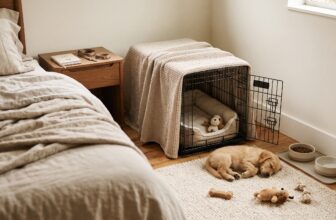
A crate becomes a den only when the dimensions permit denning behavior. The puppy must be able to stand upright without ducking, turn around without compressing, lie down flat, and stretch without pressing its nose against the wire. Give a puppy a crate sized for an adult Labrador and it will sleep in the front half and eliminate in the back half, because the back half has stopped being den. The correct fix is mechanical. Set the divider panel to the puppy’s current length plus a few inches, and move it back as the animal grows. The PetMD puppy reference describes this sizing standard as basic crate training practice for puppies, and it treats the divider panel as the tool that keeps a growing puppy inside a correctly sized den. This is the single most common mechanical error in potty training a new puppy, and it produces the false conclusion that the animal cannot be housebroken. Our puppy care hub and the new owner guides cover the wider first-month setup.
Puppies eliminate on a biological clock that has nothing to do with training. The gastrocolic reflex drives a bowel movement after a meal, on a timeline veterinary references describe as predictable and short (PetMD puppy reference). Waking from sleep means a full bladder. Play drives fluid turnover, so plan a trip outside after every play session. None of these are moments for checking a phone. Stand at the door with the treat already in hand, because potty training a new puppy succeeds or fails on how consistently those triggers are managed.
Accidents require enzymatic cleaners, not detergent. Standard household cleaners lift the visible stain and leave the pheromone marker intact. The puppy reads that marker as an instruction to return to the same square of carpet. Enzymatic formulas break down the uric acid crystals that carry the odor signal, which removes the cue entirely. Apply generously, let it dwell according to the label, and let it air dry rather than blotting it dry. Every accident is also a timestamp that tells you where the potty training a new puppy schedule failed. Write them down for a week and a pattern appears that no amount of intuition will match.
Section 3: The Procedural Timeline (The Housebreaking Schedule)
The governing rule is one hour of bladder hold per month of age, plus one. At two months, a puppy’s bladder capacity supports about three hours between trips at rest and about one hour during active play (PetMD puppy reference). That number is a ceiling, not a target. The four phases below sequence the work of potty training a new puppy. Each phase begins inside a specific window on day one, then extends over the following days and weeks until the animal settles into calm baseline behavior. Each phase also has a completion criterion, and the criterion is behavior, not the clock. Used correctly, this structure turns potty training a new puppy into a procedure with observable checkpoints rather than an emotional project.
3.1 Phase 1 (Hours 0 to 2): Crate Introduction and Base Setup
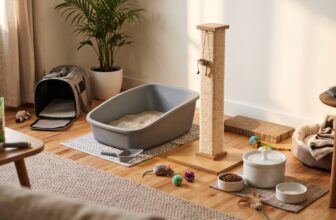
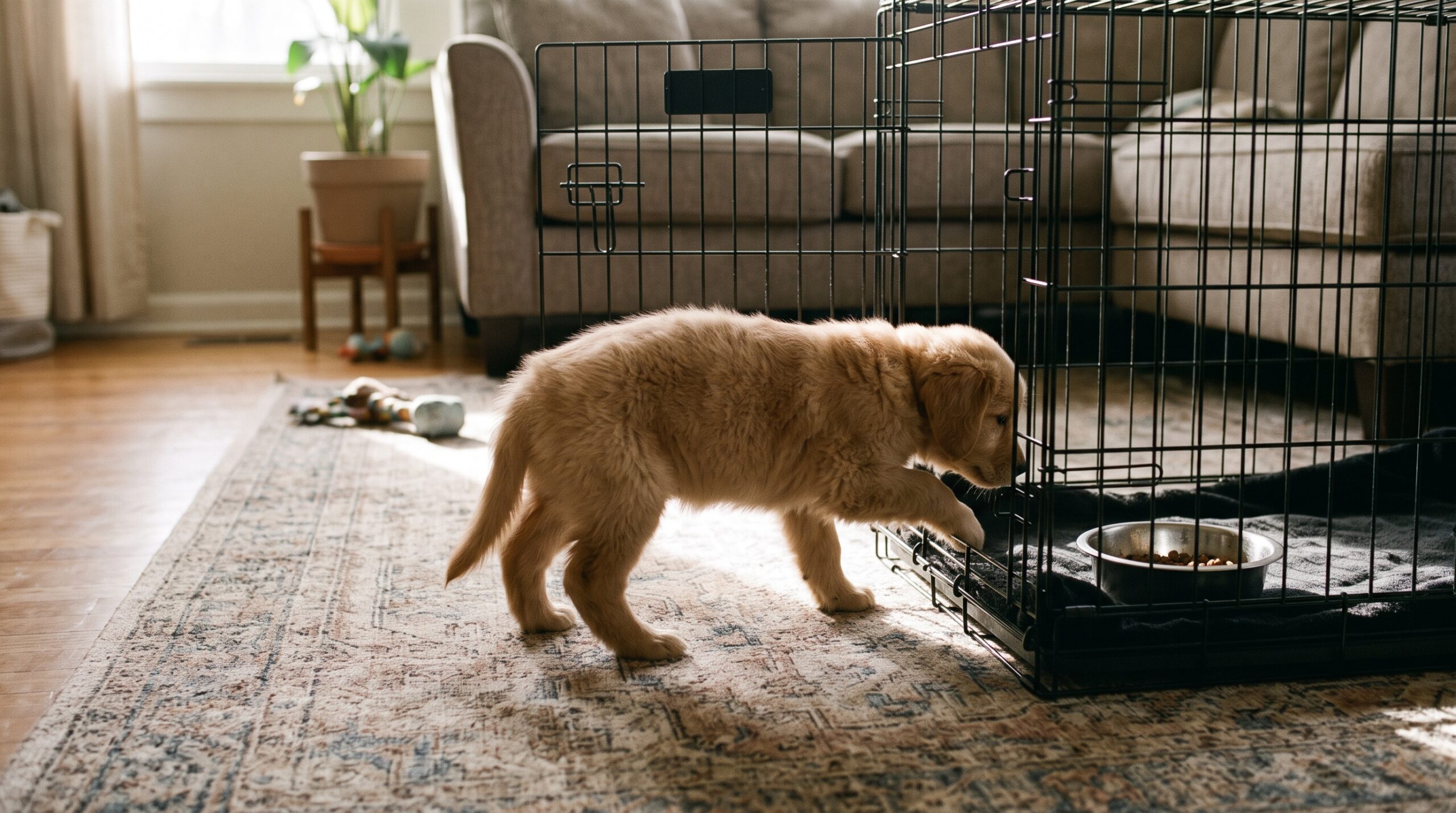
Phase one begins in the first two hours, and it is about association rather than confinement. Place the crate in the room where the family spends its evenings, not in a basement or a laundry room, because isolation makes the den feel like a punishment. Leave the door open. Toss a treat inside and let the puppy walk in and out without consequence. Feed every meal inside the crate with the door open for the first two days, then close the door for the length of the meal once the puppy is entering voluntarily. Toss a treat in and close the door for three seconds, then open it. Build to ten seconds, then thirty, then a minute. Do not force the puppy in. Do not push it backward by the collar. Do not close the door on a struggling animal. The den has to be the best room in the house before it is ever a locked one. A stuffed food toy in the crate buys you quiet minutes and pairs confinement with a reward, and that pairing is the entire mechanism of potty training a new puppy without correction. In a multi-pet household, the cat’s litter box stays in its own zone away from the puppy’s base camp, the puppy’s food and water sit at opposite ends of the room, and the cat’s vertical sisal scratching post stays out of the puppy’s reach so the two setups never collide.
Procedural Check: The crate must be introduced as a reward, never as a punishment. Never use the crate for time-outs. A den used for correction stops functioning as a den, and potty training a new puppy stalls on that single mistake.
3.2 Phase 2 (Hours 2 to 8): First Feeding and Potty Schedule Install
Between hour two and hour eight of day one, the first meal happens, and the schedule installs with it. Take the puppy out immediately after that meal. Take it out again after the following nap. Take it out after any play session, and take it out one more time right before bed. Add a trip every two hours during the day for a two-month-old puppy, and shorten the interval if accidents cluster. Pick the same patch of grass every time, on the same route. Puppies do not transfer a learned behavior from one location to another without repetition, so the same spot becomes the cue for the bathroom (PetMD puppy reference). The scent left there reinforces the location, and the walk to it becomes the cue. Stand still, stay quiet, and give the puppy three to five minutes to perform. If nothing happens, return inside and put the puppy in the crate, then try again in fifteen minutes. Never let the puppy wander the house after a failed trip. Reward within two seconds of the finished behavior, outdoors, before walking back inside, and remember that potty training a new puppy lives or dies on the reward timing.
Procedural Check: Puppies do not transfer learning between locations without repetition. Taking them to the same spot every time is the fastest way to teach that this location is the bathroom. A strict puppy potty schedule beats intuition every week, and that is what makes potty training a new puppy predictable.
3.3 Phase 3 (Hours 8 to 12): Evening Cue Reading and Reward Timing
Between hour eight and hour twelve, the puppy is tired, the household is winding down, and this is where cue reading starts to matter most. A puppy that sniffs the ground in tight circles, starts to squat, walks toward the door, or suddenly leaves the room mid-play is telling you it is about to eliminate. That is the moment to scoop it up and carry it outside, not the moment to say no. The reward has to land within two seconds of the finished behavior, and it has to land outdoors. A treat delivered after the puppy has walked back inside teaches nothing about the act, because the animal cannot connect a reward to a behavior it finished ninety seconds ago in a different location. Keep a treat jar by the door so the timing is physically possible. Use a marker word, said once, calmly, at the exact instant the puppy finishes. Save the high-value food for potty trips only so it retains value, and treat every successful trip during potty training a new puppy as a completed transaction rather than a lucky accident.
Procedural Check: Reward timing is the entire mechanism. A treat delivered indoors ninety seconds late teaches nothing. Potty training a new puppy only works when the reward follows the act within two seconds, outdoors, at the same patch of grass.
3.4 Phase 4 (Hours 12 to 24): First Overnight and Expansion Criteria
Between hour twelve and hour twenty-four, the first overnight happens, and that night sets the pattern for the next two weeks. Set an alarm rather than waiting for crying. For a two-month-old puppy, that means every three to four hours. When the alarm goes, pick the puppy up, carry it to the door, and carry it to the spot. Keep the lights dim and say nothing. No play, no greeting, no conversation, because a puppy that learns that nighttime produces a party will begin producing the crying that starts the party. When the puppy eliminates, give one soft verbal marker and one small treat, then carry it straight back to the crate. If the puppy does not eliminate after five minutes, return it to the crate and try again on the next alarm. Clean any crate accidents with the enzymatic formula before returning the animal. That overnight work is where potty training a new puppy either settles or regresses, and the first night is the one to get right.
Procedural Check: Nighttime trips must be strictly business. Play or attention at 2 A.M. teaches the puppy that crying produces a party. Potty training a new puppy depends on the overnight routine being the most boring part of the day.
| Product Image | Product Name | Primary Button / Our Rating |
|---|---|---|
Maximum volume baseline |
| |
High-Value Training Reward |
| |
Bio-Enzymatic Cleaner |
| |
#1 Best-Selling Den |
| |
Luxury Den Anchor |
|
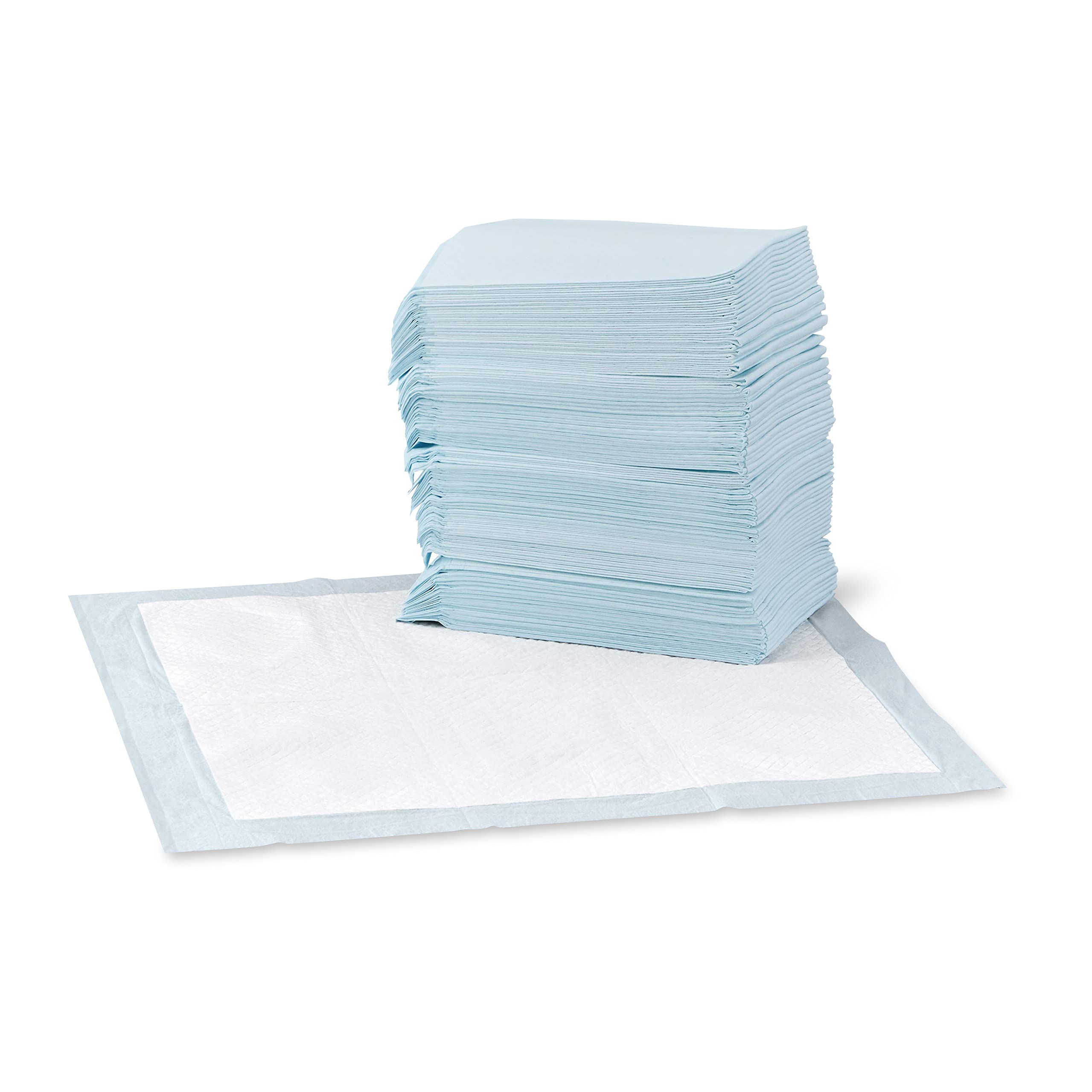


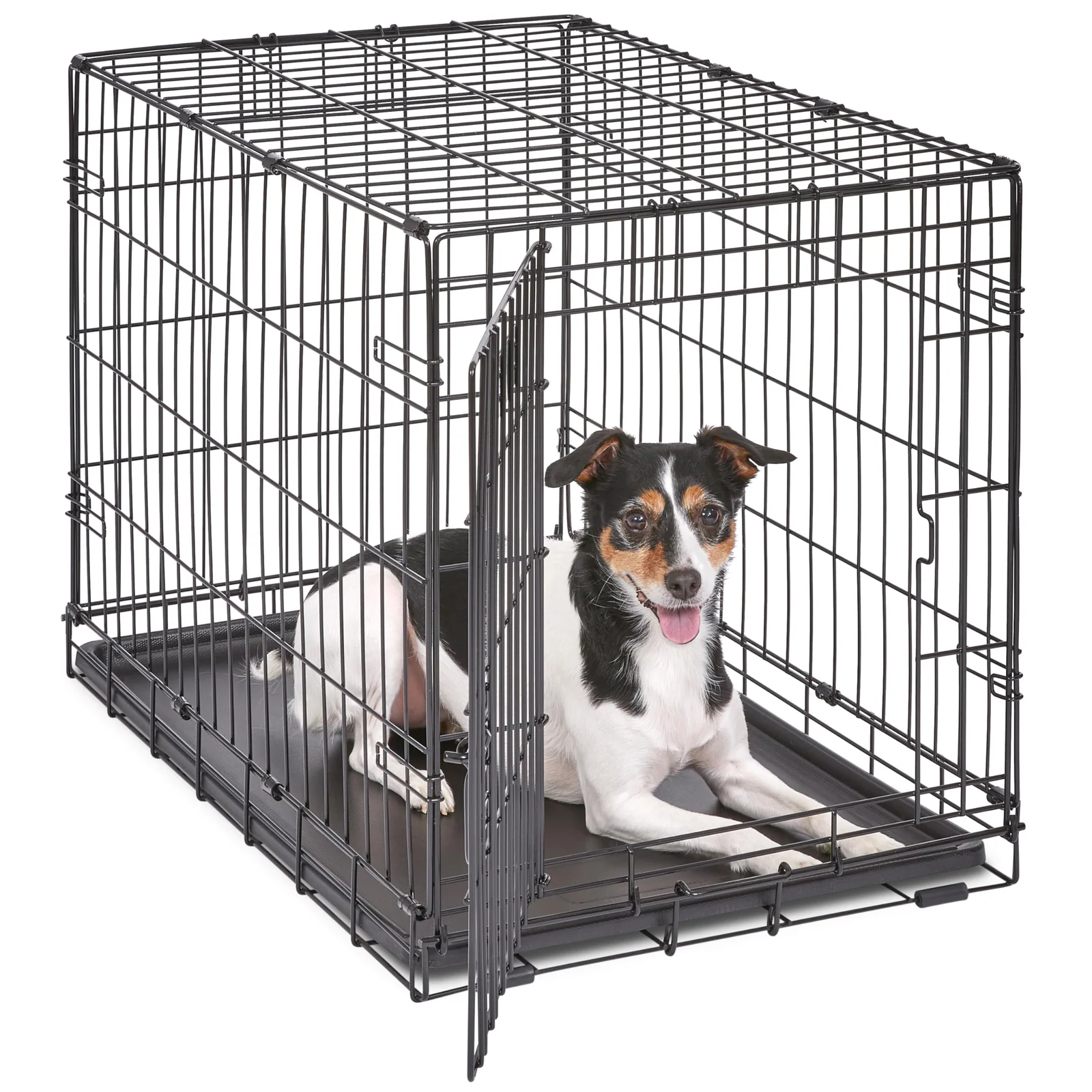
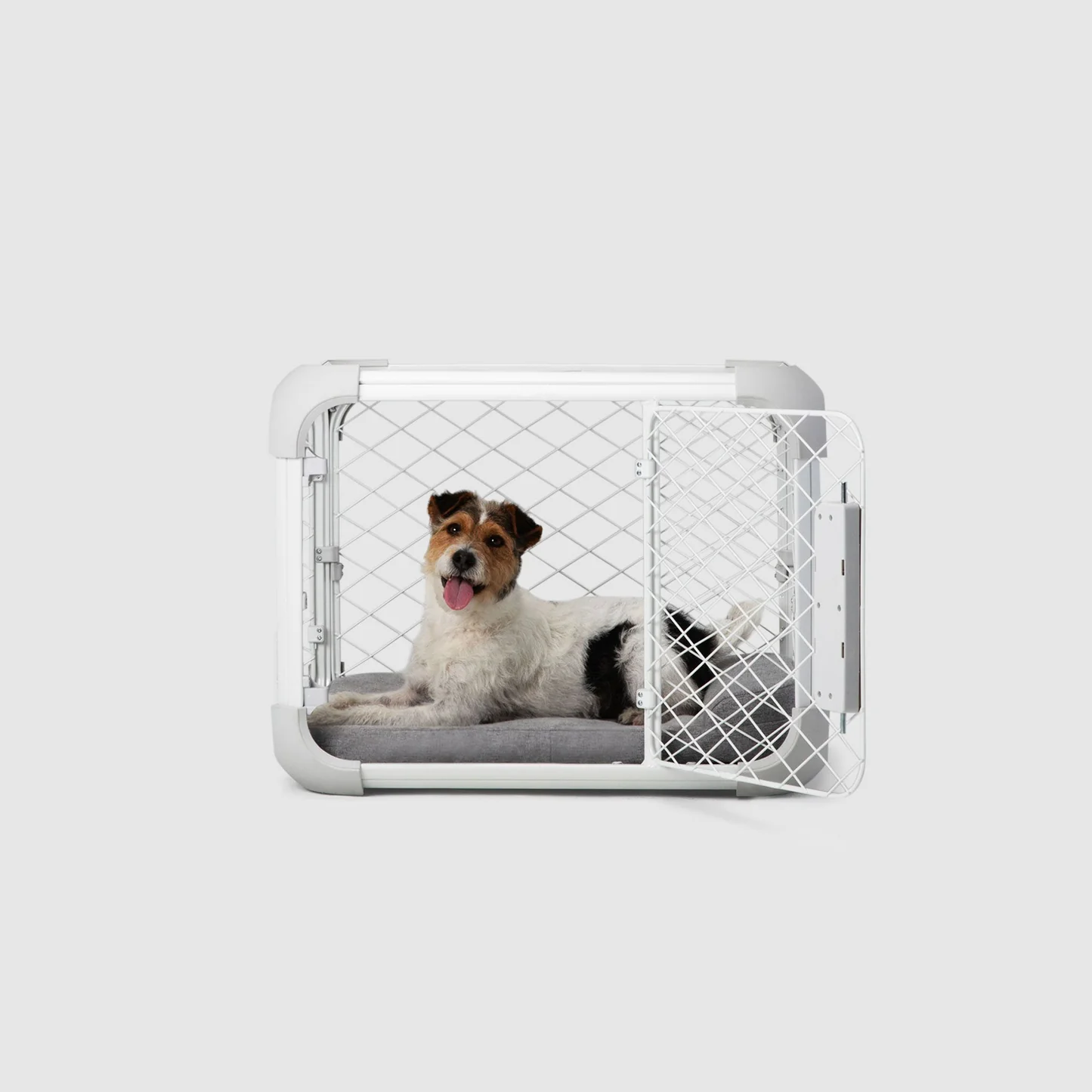
(affiliate link)
Section 4: The Socialization & Reinforcement Protocol
Freedom is granted in rooms, not in houses. For potty training a new puppy, two consecutive weeks with no accidents in the crate and no accidents in the single supervised room are the trigger for adding one adjacent room and nothing more. Keep the puppy tethered to you indoors or behind a baby gate, so that it is never out of sight. Watch for the pre-elimination cues and interrupt them by carrying the puppy outside, not by correcting it. If two accidents occur in the new space within a week, remove the new privilege immediately and return to the previous boundary for another week. That is not a punishment. It is a schedule correction. Puppy potty training regression is almost always an expansion that ran ahead of the animal’s reliability, and the fix is a smaller map rather than a firmer voice. Track successes on a calendar, because the visual pattern of clean days is the only honest measure of readiness. Potty training a new puppy rewards patience at this stage more than any other, and the dog training reference covers the timing of expanding privileges in more depth.
Section 5: Behavioral & Safety Contraindications
Five errors derail potty training a new puppy, and each one is avoidable. Never rub a puppy’s nose in an accident. It produces fear and teaches the animal to hide while eliminating, which converts a scheduling problem into a secretive one that is far harder to solve. Never use an oversized crate. One end becomes a bathroom and the den instinct never engages. Never leave a puppy crated for more than four hours during the day. The puppy cannot simply hold it past that window. Bladder capacity is a physical limit, and confinement past the limit produces soiling the puppy cannot prevent. Never punish a puppy for whining at night during the first few days. Ignore the whining, but take the puppy out for a quiet potty break, because a genuine need and an attention request look identical at 2 A.M. and only one of them resolves with a trip outside. Never use ammonia-based cleaners on accidents. Ammonia smells like urine and attracts the puppy back to the same spot. The AVMA literature on canine behavior and welfare supports reward-based housebreaking and documents the risk of fear-based methods producing avoidance behavior rather than compliance (AVMA Journals). All five contraindications share a single logic: punishment teaches concealment, and a puppy that hides to potty cannot be scheduled. Potty training a new puppy fails on punishment long before it fails on timing.
Section 6: The Crate & Potty Checklist
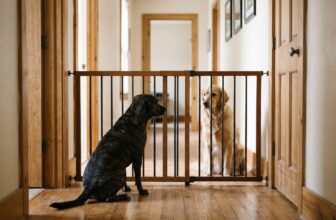
The checklist below is the physical setup for potty training a new puppy. Everything on it should be in place before the first day, because improvising supplies is how a two-week housebreak turns into a three-month project. In a household with a cat, add the cat’s own markers to the plan: the litter box stays out of the puppy’s base camp and away from the puppy’s food and water, and the cat’s scratching post stays behind a gate the puppy cannot cross.
- Measure the puppy to buy the correct crate size.
- Purchase an enzymatic cleaner for accidents.
- Set a timer for every 2 hours during the day.
- Place a high-value treat jar near the door.
- Set an alarm for nighttime potty breaks.
Never ignore signs of a urinary tract infection, such as frequent straining or blood in the urine. Contact a veterinarian immediately. The guides index covers the escalation path when home management is not enough, and the list above is the minimum viable setup for potty training a new puppy without guesswork. If a kitten joins the same household, the preventing epidermal tenting markers for hydration and coat condition in the puppy care hub apply to both animals.
Interlude: The Midnight Potty Run
The 2 A.M. trip is the test of the whole protocol, because it is the moment when consistency costs the most. Do not turn on the lights. A single hallway nightlight is enough to see by. Do not talk to the puppy beyond one quiet cue word. Pick the puppy up out of the crate rather than letting it walk, because a puppy that walks has time to squat in the hallway. Carry it to the door, carry it down the steps if there are steps, and set it down on the same patch of grass it used yesterday. Stand still. Do not pace around, because movement is a distraction and distraction delays elimination.
When the puppy goes, praise softly, deliver one small treat, and pick it up again. Carry it back to the crate and close the door. Total elapsed time should be under five minutes. The PetMD puppy reference describes the same business-only nighttime routine for a reason: a puppy that receives any reward at 2 A.M. other than relief will begin to demand that reward. Potty training a new puppy is mostly a story about who controls the rewards and when they are delivered, and nobody controls them well at 2 A.M. unless the routine was decided in advance. That is why the interlude belongs in the protocol rather than in a footnote.
Section 7: Clinical References & Nutritional Disclaimer
Veterinary behavior literature identifies the denning instinct and consistent elimination scheduling as the primary determinants of successful housebreaking, and it supports reward-based methods over correction. The evidence holds that punishment during housebreaking produces avoidance and concealment rather than reliable outdoor elimination.
Vet Disclaimer: This article is a procedural reference for environmental setup and does not constitute veterinary advice, diagnosis, or treatment. Individual puppies vary in age, breed, medical status, and temperament. Consult a licensed veterinarian for any concern involving urinary frequency, straining, blood in urine, diarrhea, or refusal to eat, and before changing diet or introducing any supplement.
Read more about our editorial standards at About Pet Grooming Authority and our review board lead at Zaheer Aujla.
Related Cluster
Continue with our breed protocols library, which adjusts crate sizing, exercise load, and housebreaking timelines by breed and adult weight. The puppy care hub covers vaccination cadence, teething windows, and the first-year supply additions that matter alongside potty training a new puppy. For marker timing, leash manners, and the transition from housebreaking to general obedience, use the dog training reference.
Section 8: Frequently Asked Questions
Written by: PGA Procedural Documentation Desk
Reviewed by: PGA Editorial Board (Zaheer Aujla, Head of Board)
Research sources: PetMD, AKC, AVMA, veterinary journals
Last updated: 2026-10-17
As an Amazon Associate I earn from qualifying purchases. This article is editorially independent. Not a substitute for veterinary diagnosis.
How long does it take to potty train a puppy?
Potty training a new puppy requires four to six months of consistent scheduling before the animal is reliably housebroken, a range the PetMD puppy reference supports in its housebreaking guidance. Small breeds may need additional time because bladder capacity develops more slowly. The process is finished when the puppy has gone two consecutive months without an indoor accident.
Should I use pee pads or take my puppy outside?
Take the puppy outside. Pee pads teach the puppy that eliminating indoors on a soft surface is acceptable, and that lesson transfers to rugs and carpet. When potty training a new puppy, pads are defensible only for a puppy that cannot yet be vaccinated or for a temporary medical restriction, and the transition off them must be deliberate.
Why does my puppy pee in the crate?
Four causes account for nearly every case. The crate is too large and the puppy has designated a corner as a bathroom. The confinement window exceeds bladder capacity. The puppy was left too long after a meal. Or soiled bedding was returned to the crate without an enzymatic wash. Fix all four at once when potty training a new puppy, and the soiling stops once the crate size, confinement window, post-meal timing, and bedding wash are all corrected.
Can I put a bed and toys in the crate?
Yes, with one condition. Everything in the crate must fit without crowding the floor space, and a soft bed that occupies most of the footprint is fine only if the puppy still has room to stretch out. Remove stuffed toys that a teething puppy could shred and swallow.
At what age can my puppy hold their bladder overnight?
The one-hour-per-month bladder rule applied to sleep points to a full night without a break around the four to five month mark, though individual capacity varies by breed size (PetMD puppy reference). Until then, set an alarm rather than waiting for the puppy to wake you. When potty training a new puppy, an overnight accident is a scheduling failure rather than a training failure.


The PGA Procedural Desk documents bio-mechanical workflows, safe handling protocols, and 4-Station grooming sequences. Our frameworks are built on canine ergonomics and breed-specific behavioral baselines to ensure safety and efficiency.