Written by: PGA Hardware & Equipment Desk
Reviewed by: PGA Editorial Board (Zaheer Aujla, Head of Board)
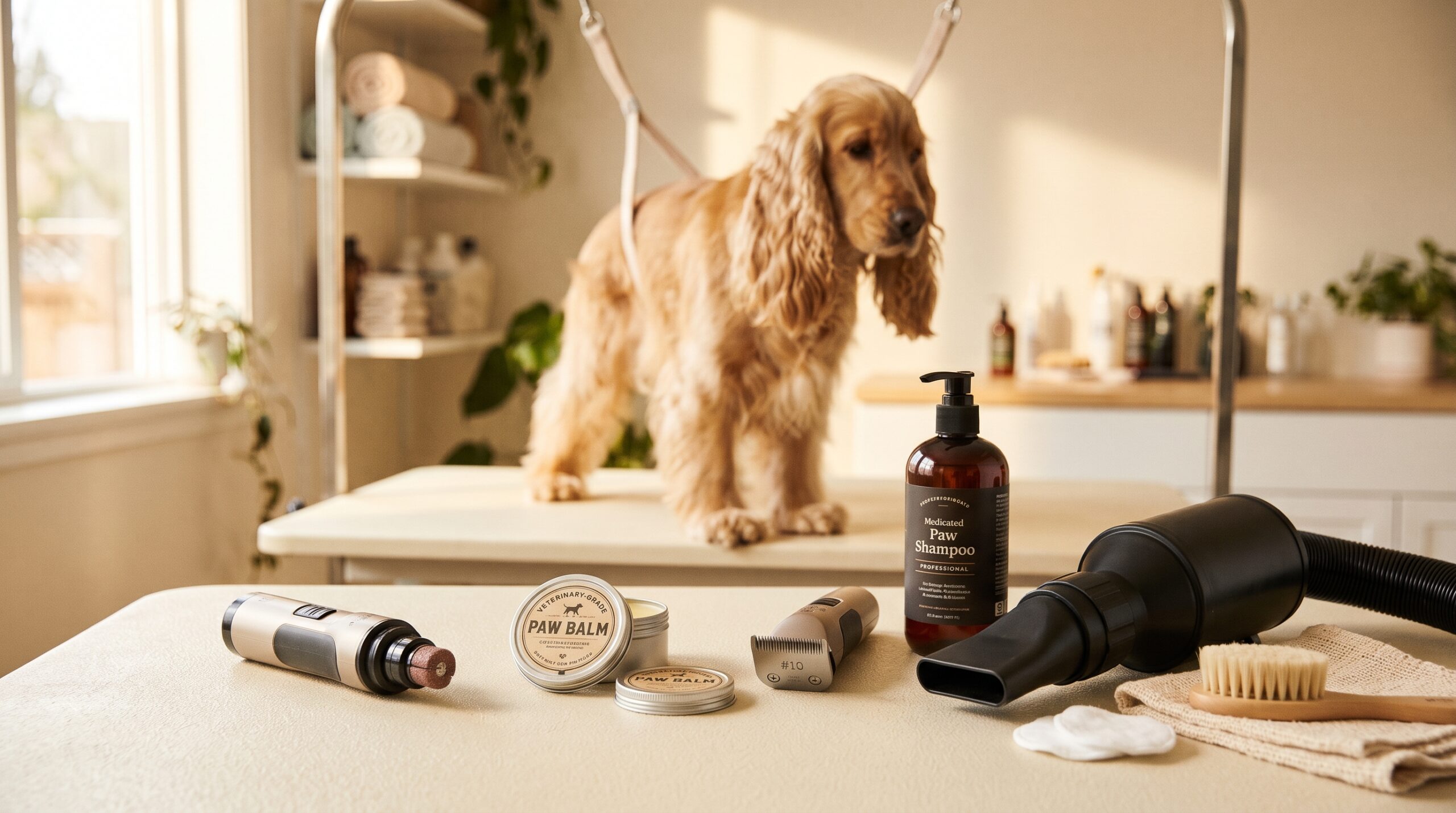
A paw and pad care protocol starts with recognizing that the canine paw pad is a biological engineering marvel and a structural weak point at the same time. It is a specialized, thick, hairless epidermis that bears the entire weight of the dog and absorbs the shock of every stride. Unlike the rest of the skin, the paw pad has a dense layer of fat and connective tissue beneath it that acts as a shock absorber. That exposed position makes it vulnerable to thermal burns, chemical irritation, and hyperkeratosis, and to trapped moisture between the toes. A proper paw and pad care protocol does more than trim nails. It evaluates the health of the pad and manages the hair between the toes. This protocol explains the biomechanics of the canine foot and outlines the clinical maintenance required to keep it functional through every season.
Section 1: AIO Direct Answer & Quick Match
A paw and pad care protocol pairs a guarded nail grinder with a veterinary-grade paw balm, a medicated shampoo for between-the-toes soaks, a clipper for the pad hair, and a high-velocity dryer that clears water out of the webbing. The system treats the paw as a load-bearing surface that has to be protected from the ground up, because a pad that cracks under summer heat or winter salt loses traction long before the owner notices the limp. Owners who build a paw and pad care protocol around traction and epidermal protection report fewer interdigital cysts and a dog that walks comfortably on any surface. This paw and pad care protocol treats the foot as a structural asset rather than a cosmetic detail. The three quick match routes below send you to the right first purchase based on what your dog is showing today.
If you need to safely grind your dog’s nails:
(affiliate link)
If your dog’s paw pads are dry, cracked, or crusty:
(affiliate link)
If there is yeast or bacterial smell between the toes:
(affiliate link)
Section 2: The Institutional Moat
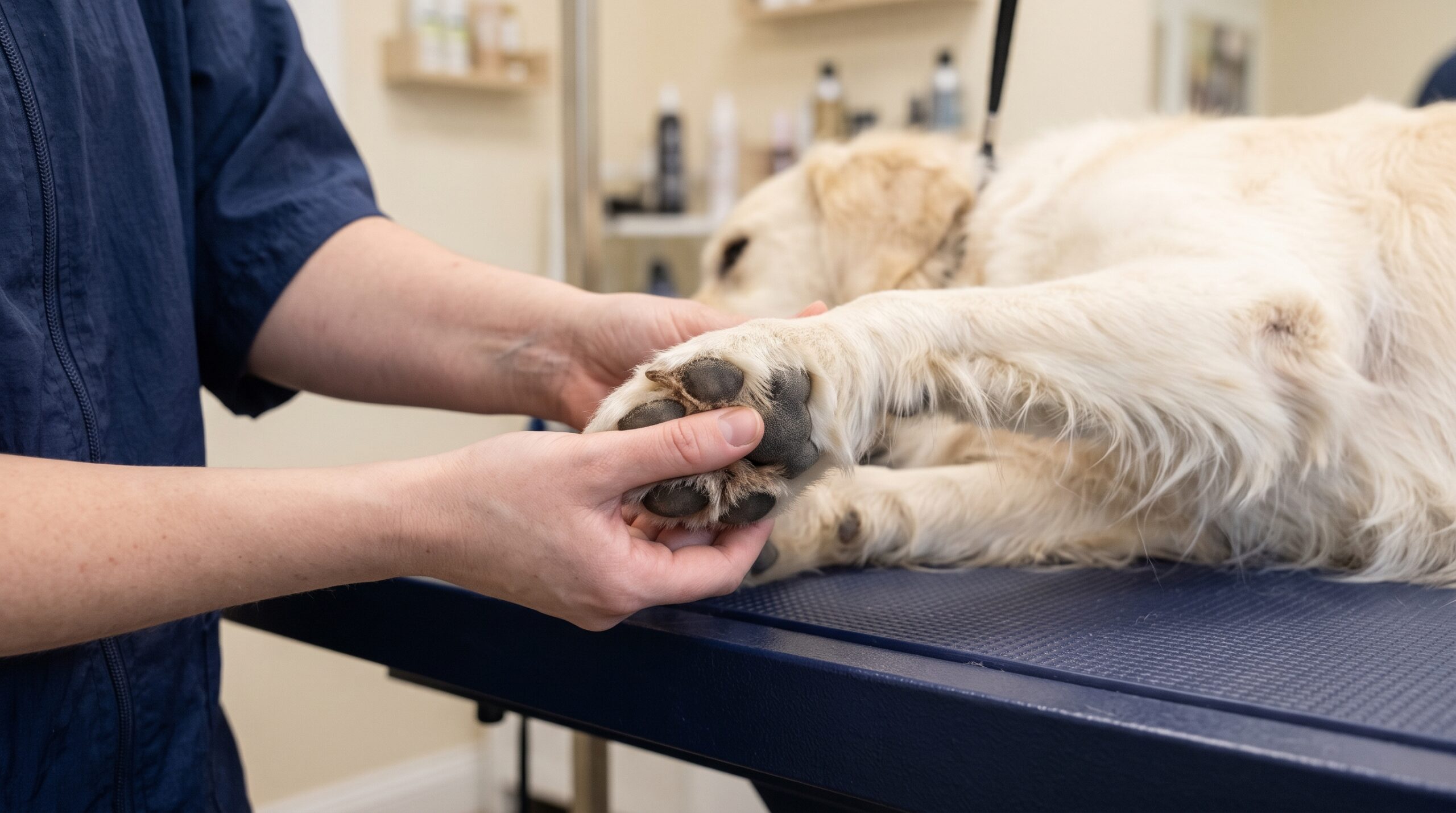
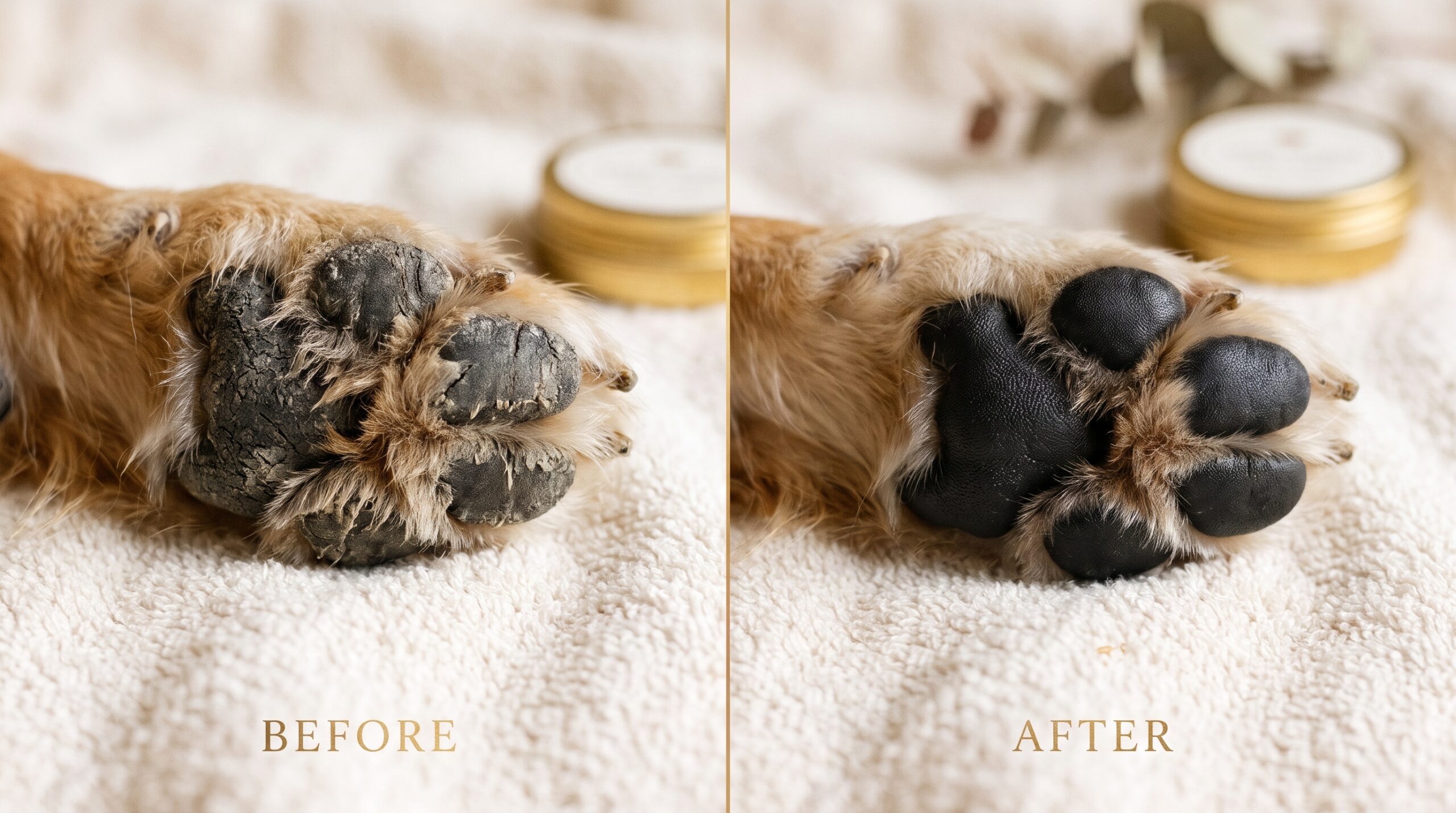
Veterinary dermatology treats the paw pad as a specialized, thick stratum corneum with a keratin concentration far higher than the skin on the torso. That keratin layer is what makes the pad durable, and it is also what makes it prone to hyperkeratosis, the crusty overgrowth that shows up in senior dogs and in breeds like the Cocker Spaniel. The overgrowth is not just cosmetic. It cracks under load and opens a path for bacteria to move into the deeper tissue of the paw.
The AKC grooming resources note that interdigital cysts on the top of the foot usually start with trapped hair and moisture rather than with bacteria alone. That distinction is the whole reason a paw and pad care protocol has to include the pad hair, because hair growing between the toes wicks moisture and dirt into the webbing the same way a candle wick pulls wax. Once moisture is trapped there, yeast and bacteria colonize the space, and the cyst forms under the skin where the owner can only see it after it has already swollen. The dog problems hub covers the wider set of dermatological issues that show up on the foot.
The core dog grooming guide establishes the base cadence for coat care. The paw variation adds a weekly check on the pad itself, because the foot is the one part of the dog that touches every surface the environment can throw at it. Owners who run a paw and pad care protocol on a weekly schedule catch hyperkeratosis before it cracks and catch interdigital moisture before it smells. Owners who wait until the dog is limping pay for a vet visit instead of a balm.
Section 3: Bio-Mechanical Breakdown
Each tool category in a paw and pad care protocol has to be evaluated on how it touches the pad and the webbing, not on how it handles the rest of the dog. A clipper removes the pad hair that traps moisture, and a grinder shortens the nail that changes gait. The shampoo soaks the infection out of the webbing while the balm seals the barrier back down. Every choice below follows from how each tool touches the foot.
3.1 Clippers (Paw Pad Hair)
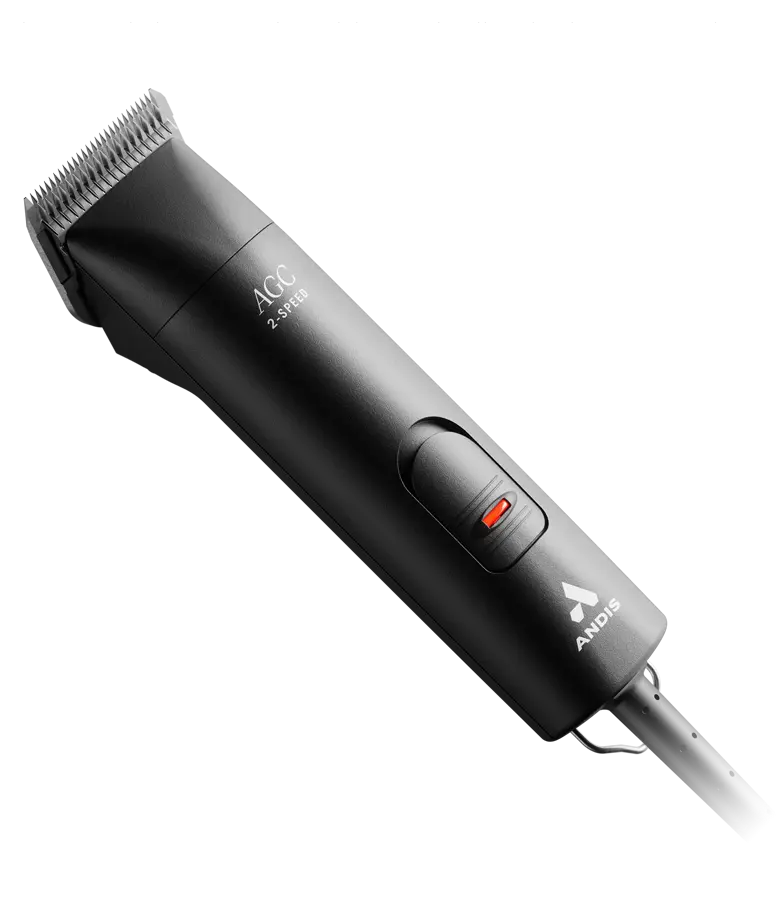
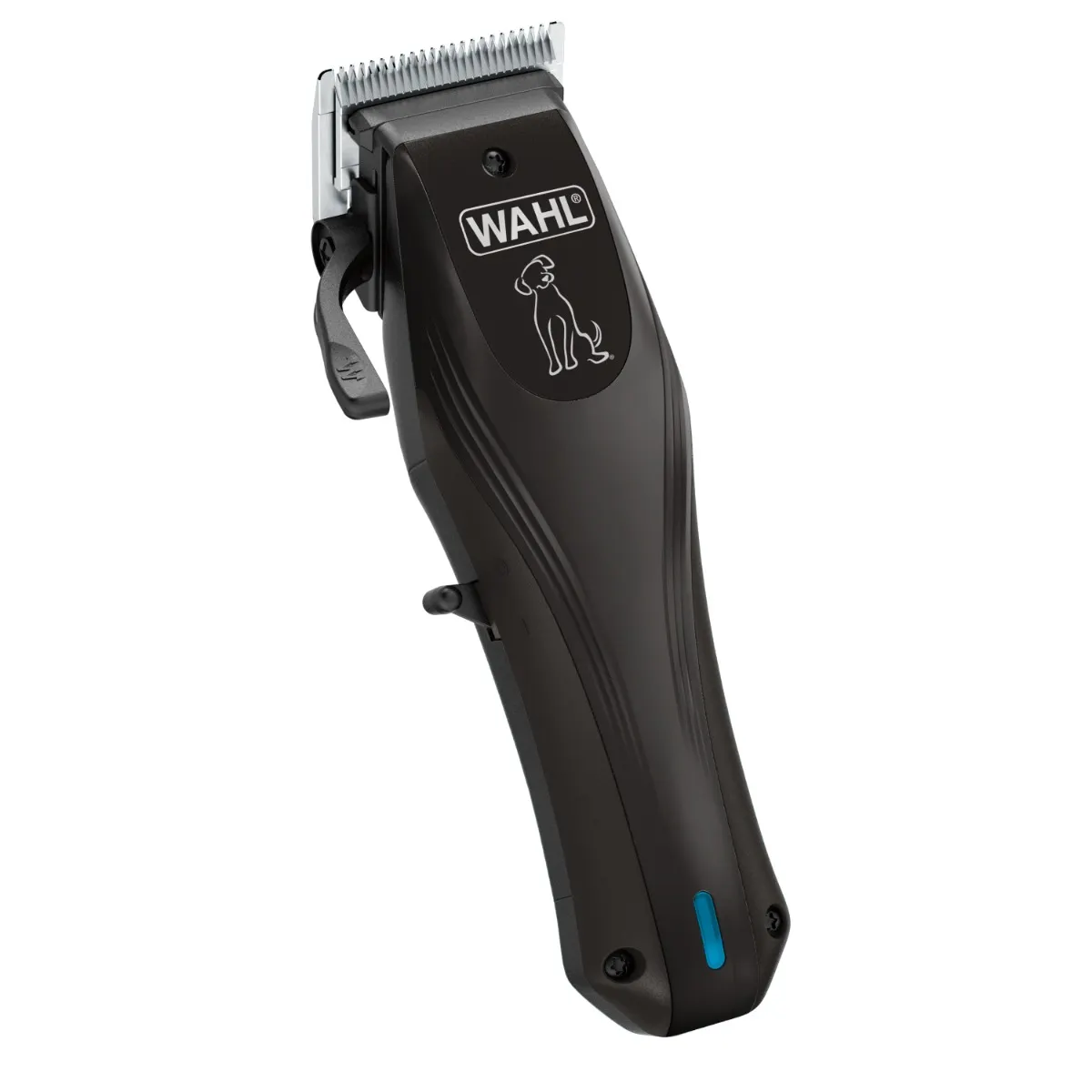
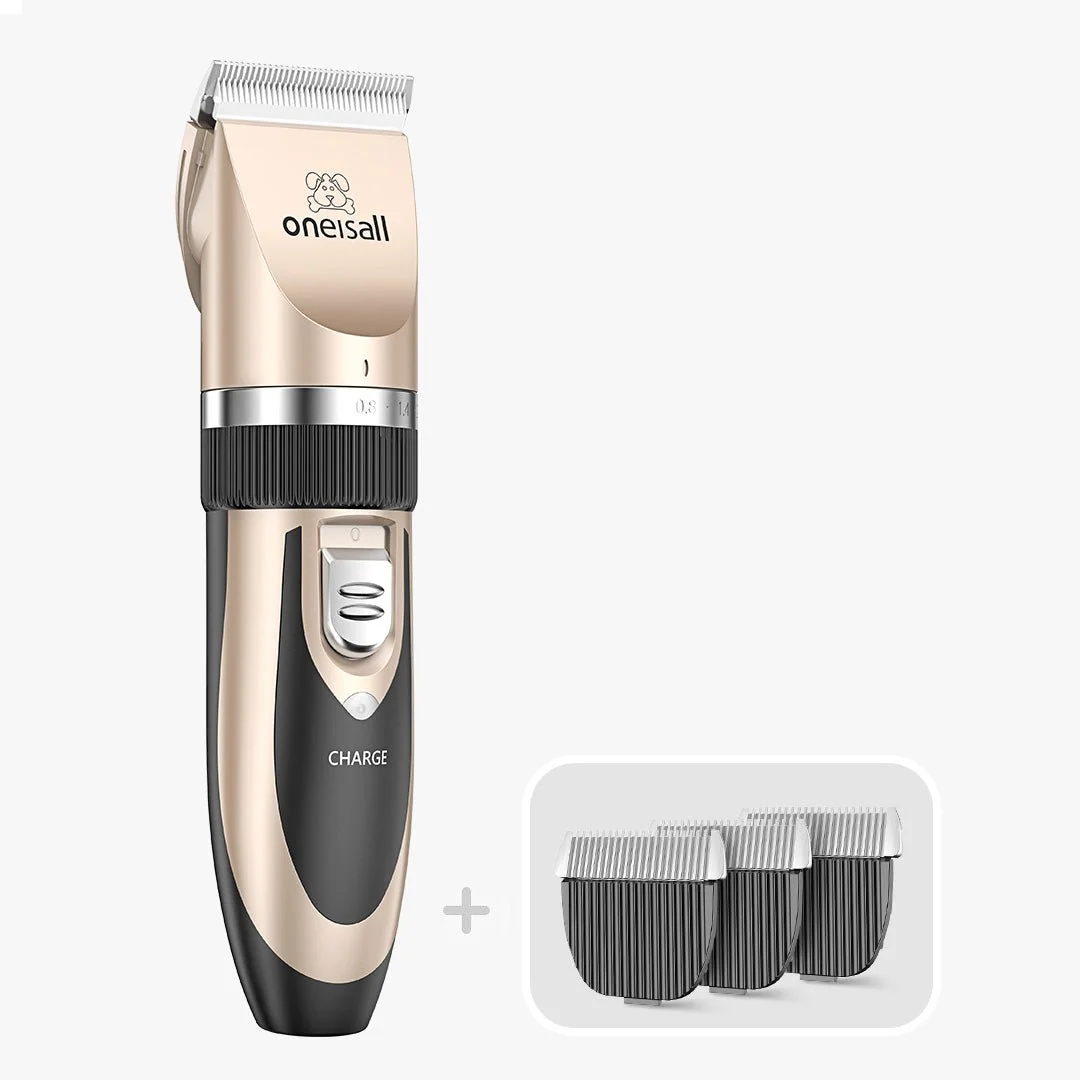
Hair growing between the paw pads acts like a wick inside a paw and pad care protocol, pulling moisture and dirt into the spaces between the toes and creating the perfect environment for an interdigital cyst. Clippers are used to shave that hair flush with the pad, which restores traction and removes the moisture trap at the same time. The risk is nicking the thin webbing between the toes, which is a fraction of the thickness of the pad itself and cuts easily under a fast-moving blade. A dull blade on the webbing drags instead of cuts, and the drag is what opens the nick. A rotary motor that holds speed under load removes the stall-and-push cycle, and a #10 blade sits at the safe depth for the pad surface without cutting into the webbing. Every clipper choice in a paw and pad care protocol is judged on how it behaves on the thinnest tissue on the foot. Owners who shave the pad hair with a cool, sharp blade prevent the cysts that form when that hair stays in place.
Clinical Verdict: Andis AGC2 with a #10 blade for safely shaving paw pad hair. Wahl Power Pro for quick trims. oneisall only for light touch-ups on calm dogs.
| Product Image | Product Name | Verified Spec | Primary Button / Our Rating |
|---|---|---|---|
Pro Tier: Salon Standard |
|
| |
Mid Tier: Cordless Heavy Duty |
|
| |
Budget Tier: Quiet & Light |
|
|
(affiliate link)
3.2 Nail Grinders (Traction & Structure)
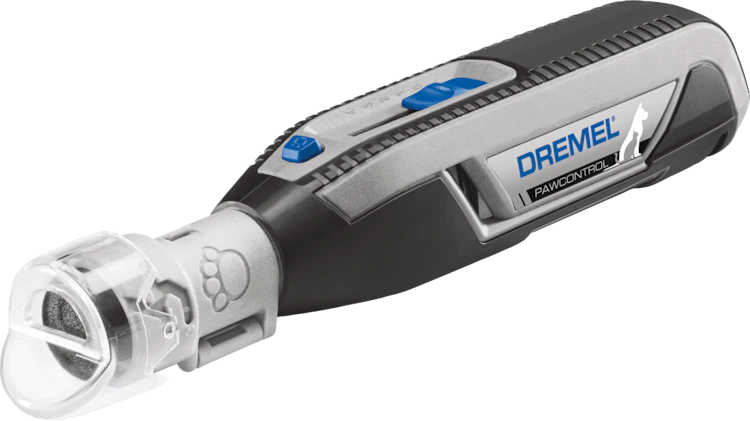
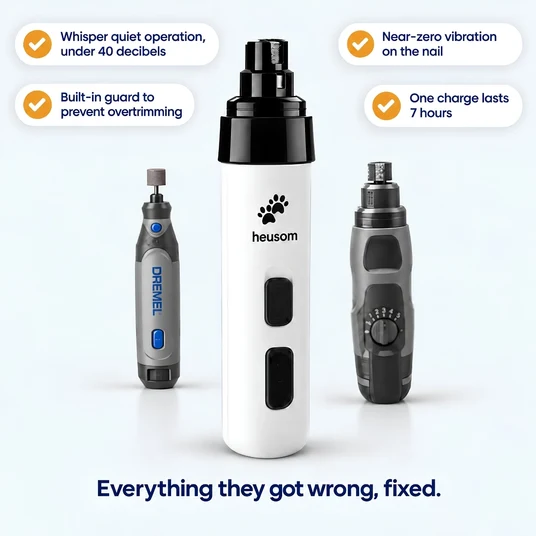
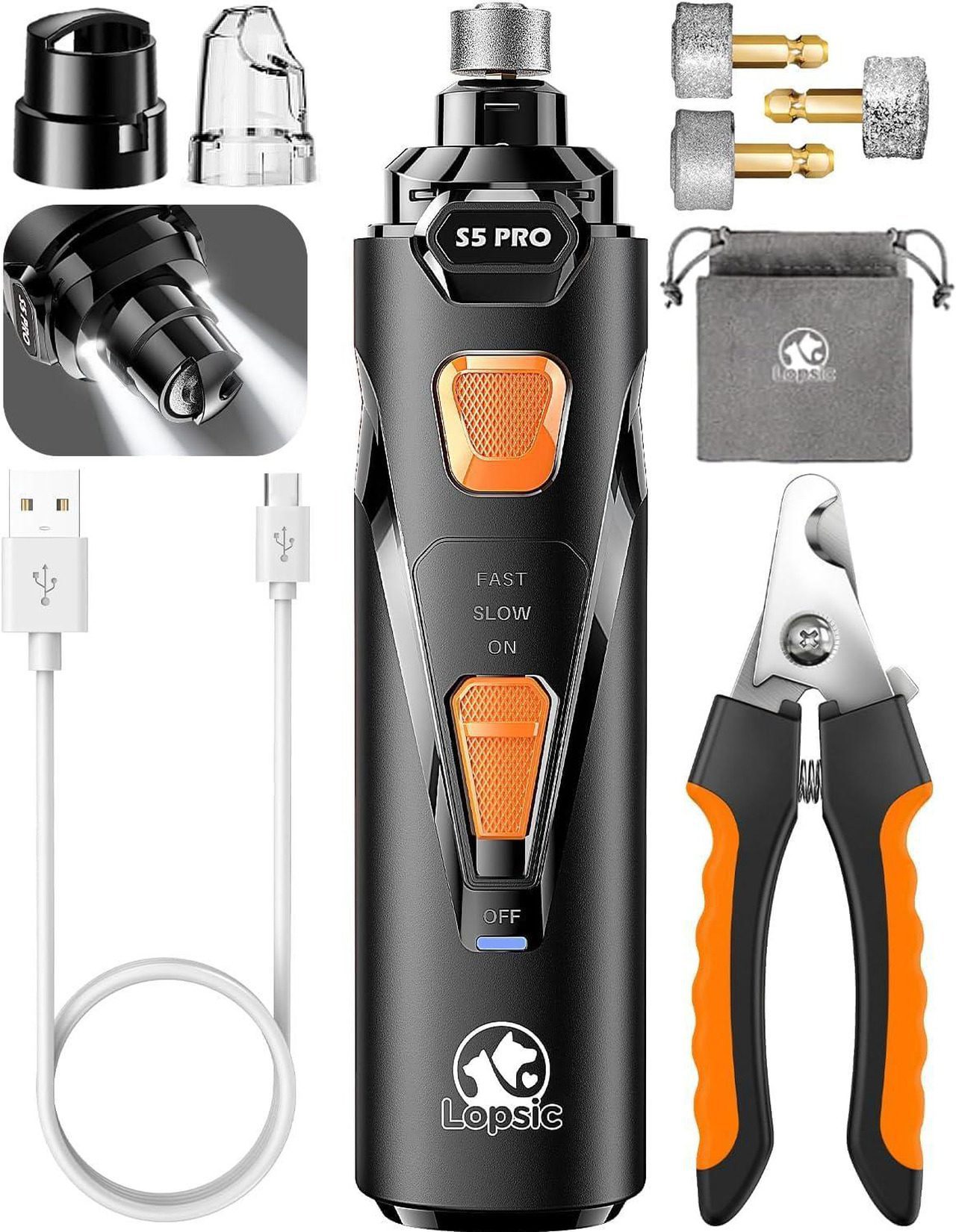
Long nails force the dog’s foot into an unnatural position, altering gait and loading joints in ways that show up as shoulder and hip pain months later. That is the structural reason a paw and pad care protocol includes the grinder as a core tool rather than a cosmetic add-on. A grinder sands the nail in small increments and lets you see the quick, especially on models with LED lights that shine through a dark nail. Vibration is the trade-off. A grinder transfers more sensation into the paw than a clipper does, and a dog that is already sensitive about the feet registers that vibration as a threat. A quiet motor and a guarded bit reduce the stress response enough that the dog stands still for the grind. Every tier below is judged by grind precision and by noise level together, because the grinder is the tool that quietly decides whether a dog learns the foot is safe to touch.
Clinical Verdict: Dremel PawControl for its 45-degree guide and precision. LOPSIC for its whisper-quiet motor and LED lights. Heusom only for light maintenance.
| Product Image | Product Name | Verified Spec | Primary Button / Our Rating |
|---|---|---|---|
Pro Tier: High-Output Precision |
|
| |
Mid Tier: Ultra-Low-Noise Entry |
|
| |
Budget Tier: Whisper-Quiet Desensitization |
|
|
(affiliate link)
3.3 Shampoos (Medicated Paw Soaks)
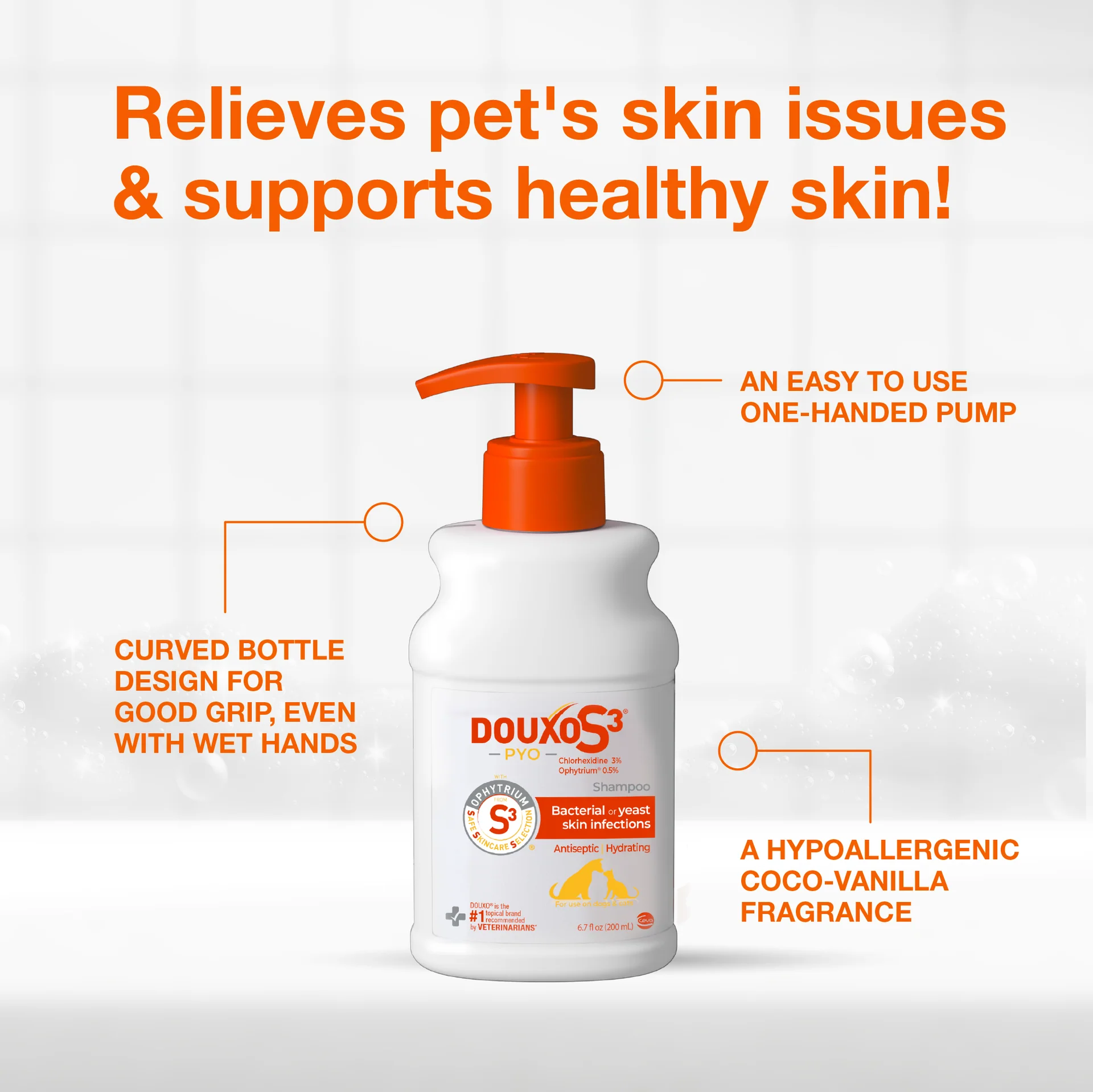
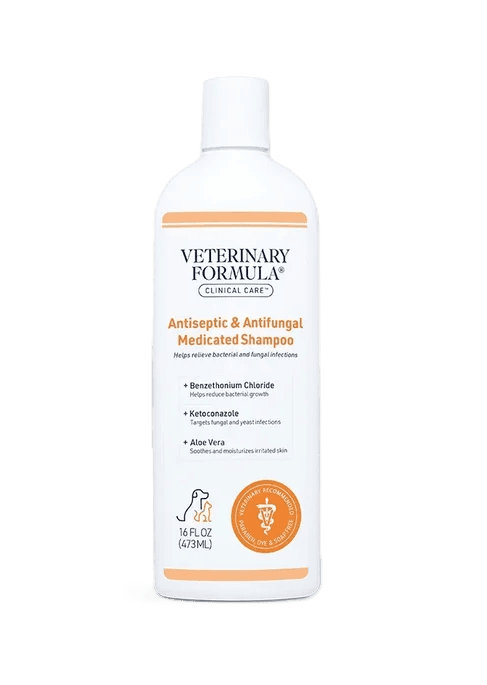
When a dog licks its paws constantly, it creates a moist environment where yeast and bacteria thrive, and that cycle is exactly what a paw and pad care protocol has to break. A medicated shampoo with chlorhexidine and ketoconazole, diluted into a paw soak, reaches the webbing where a topical spray cannot penetrate and treats the infection at the source. A pH-balanced formula matters here because the pad tissue is already compromised, and a stripped barrier heals slower than an intact one. The soak technique is part of the therapy rather than an optional step, because the active ingredients need contact time on the skin to work. Every tier below is judged by how cleanly it rinses and by whether it leaves the webbing dry enough to heal, because a paw and pad care protocol that leaves moisture behind has set the infection up to return within the week.
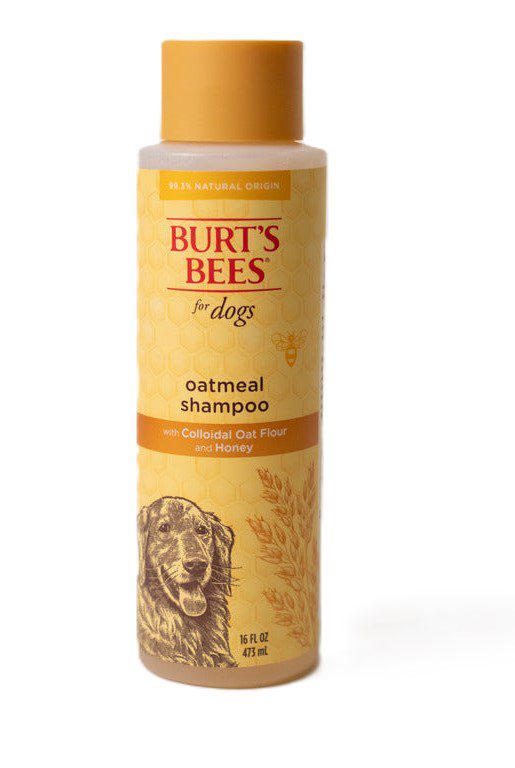
Clinical Verdict: Douxo S3 PYO for yeast and bacterial infections between the toes. Veterinary Formula for general maintenance. Burt’s Bees Oatmeal for soothing irritated pads.
| Product Image | Product Name | Verified Spec | Primary Button / Our Rating |
|---|---|---|---|
Pro Tier: Prescription-Strength Antiseptic |
|
| |
Mid Tier: OTC Medicated |
|
| |
Budget Tier: Barrier-Safe Maintenance |
|
|
(affiliate link)
3.4 Paw Balms (Epidermal Protection)
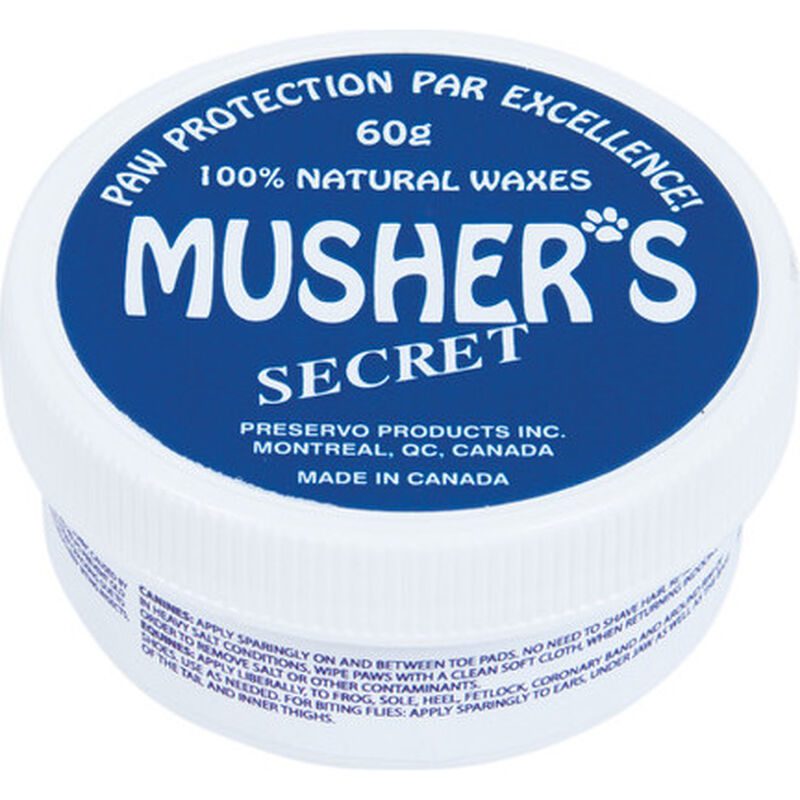
A paw balm inside a paw and pad care protocol creates a breathable barrier that locks in moisture and protects the pad from hot pavement and road salt. The material matters more than the marketing label. Natural waxes like beeswax and shea butter sit on the surface long enough to protect without over-softening the pad, while petroleum-based products actually soften the keratin layer until the pad loses the toughness that protects it in the first place. Anti-inflammatory ingredients help with the residual irritation that follows a long walk on hot pavement, but the barrier is the primary function. The balm goes on after the pad is clean and dry, because a barrier over a dirty pad seals the dirt in. Every tier below is judged by the wax base and by how quickly it absorbs, because a paw and pad care protocol that leaves a greasy residue on the floor is a protocol the owner stops using after a week.
Clinical Verdict: A veterinary-grade paw balm is essential for winter and summer protection. Avoid petroleum-based products, as they can soften the pads too much and attract dirt.
| Product Image | Product Name | Primary Button / Our Rating |
|---|---|---|
All-Season Barrier |
| |
Organic Daily Care |
| |
Crowd-Favorite Value |
| |
Alt Pick |
| |
Value Pick |
| |
Top Tier |
|
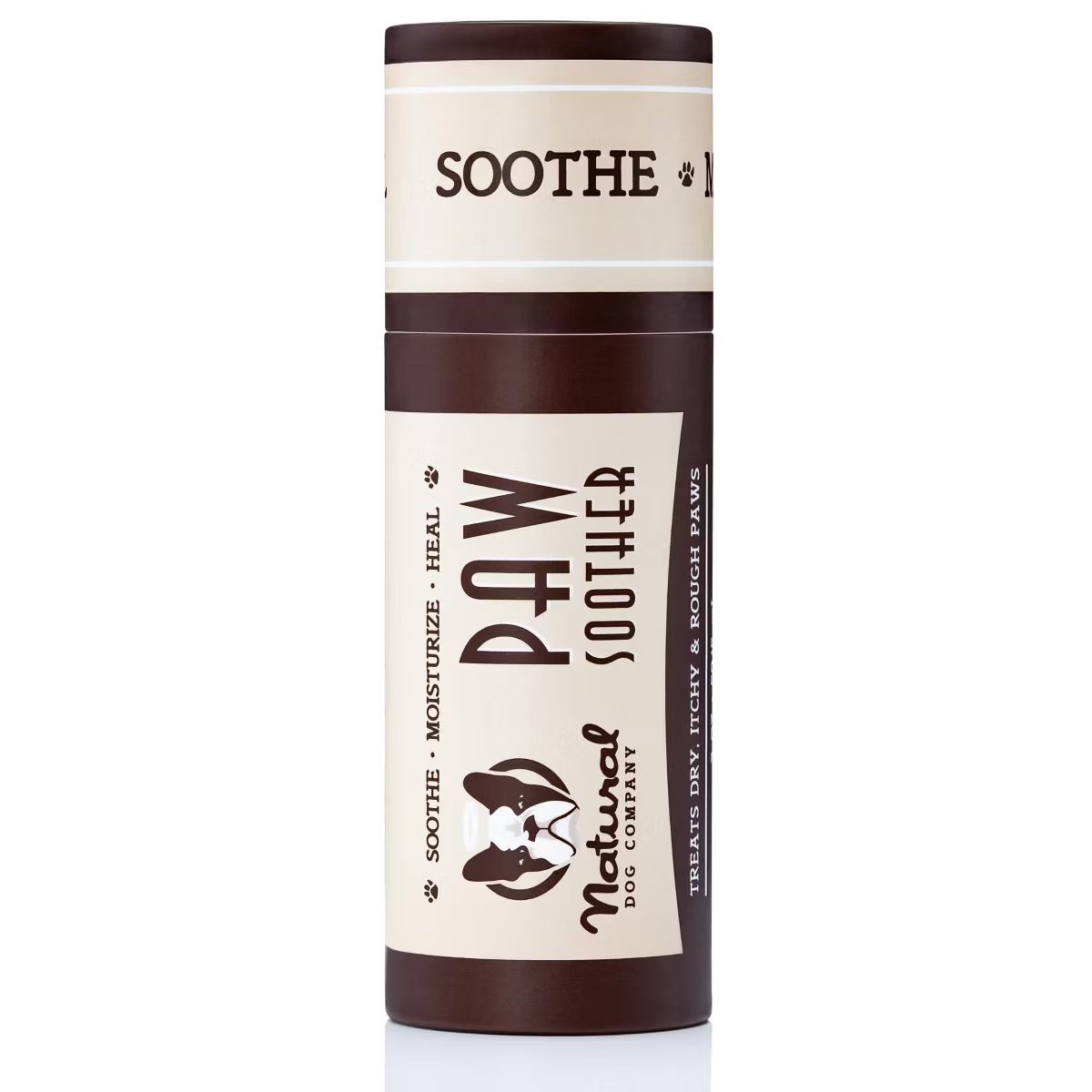
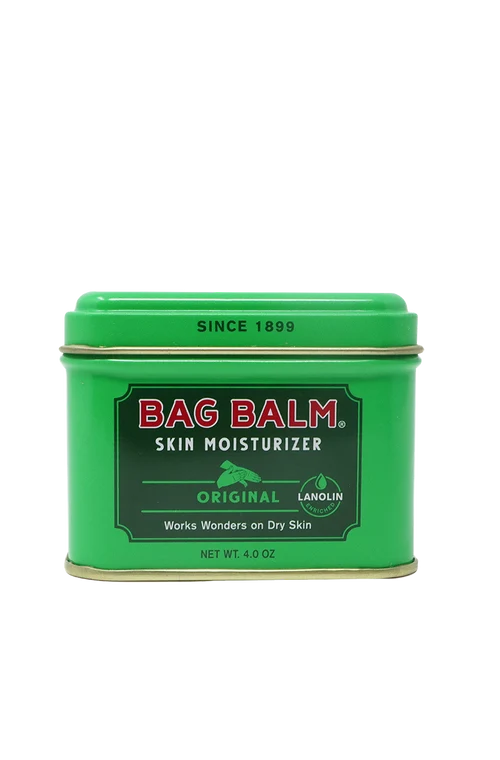
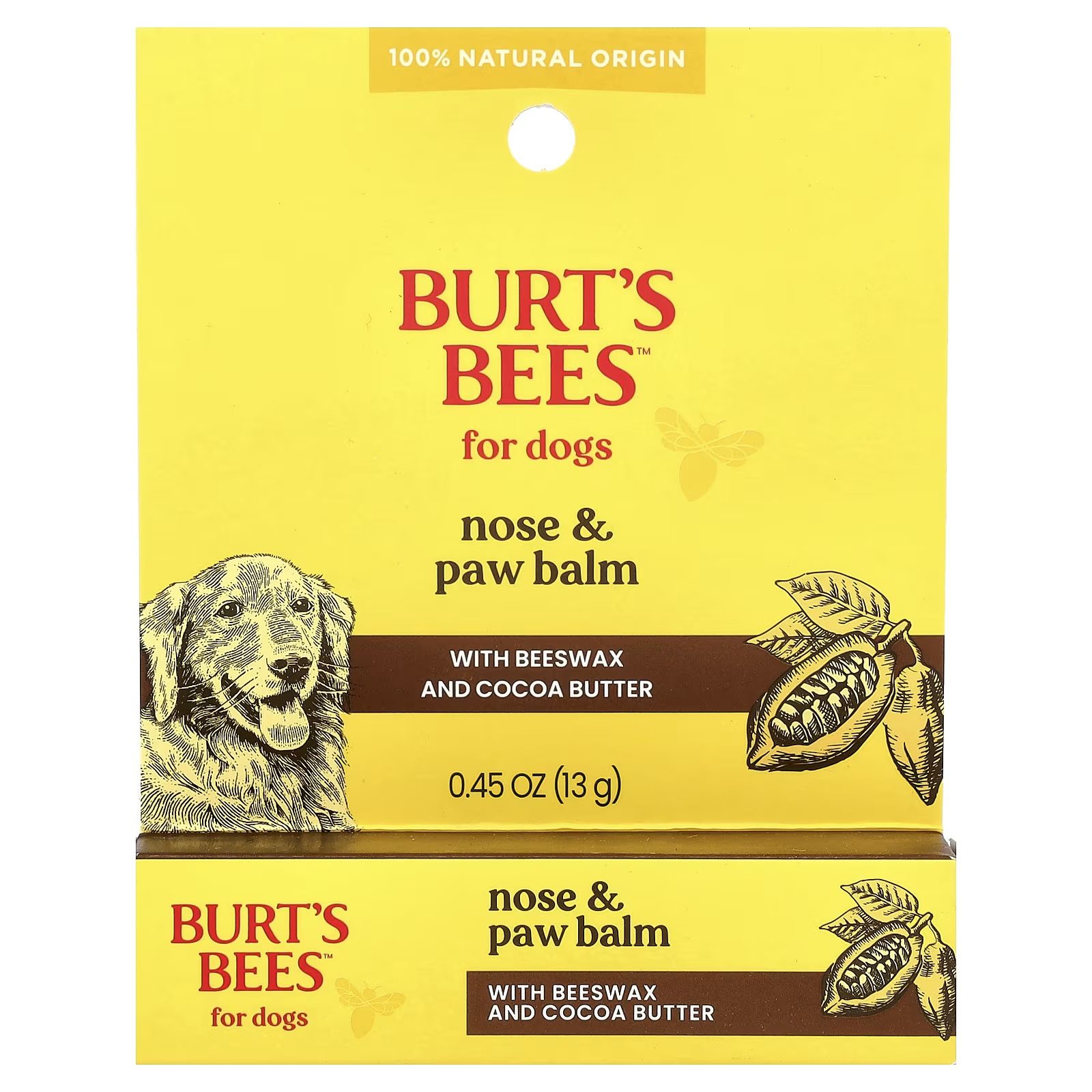
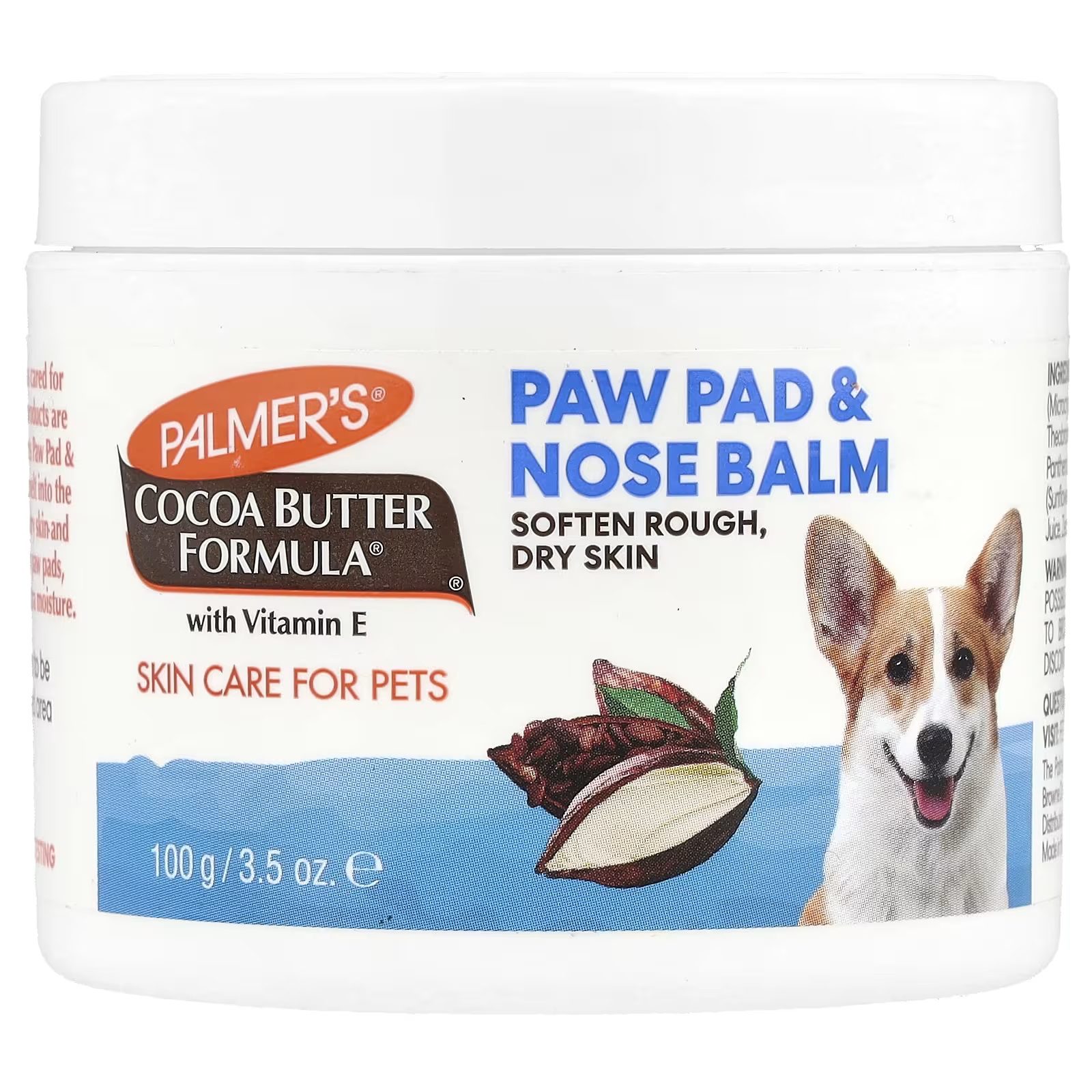

(affiliate link)
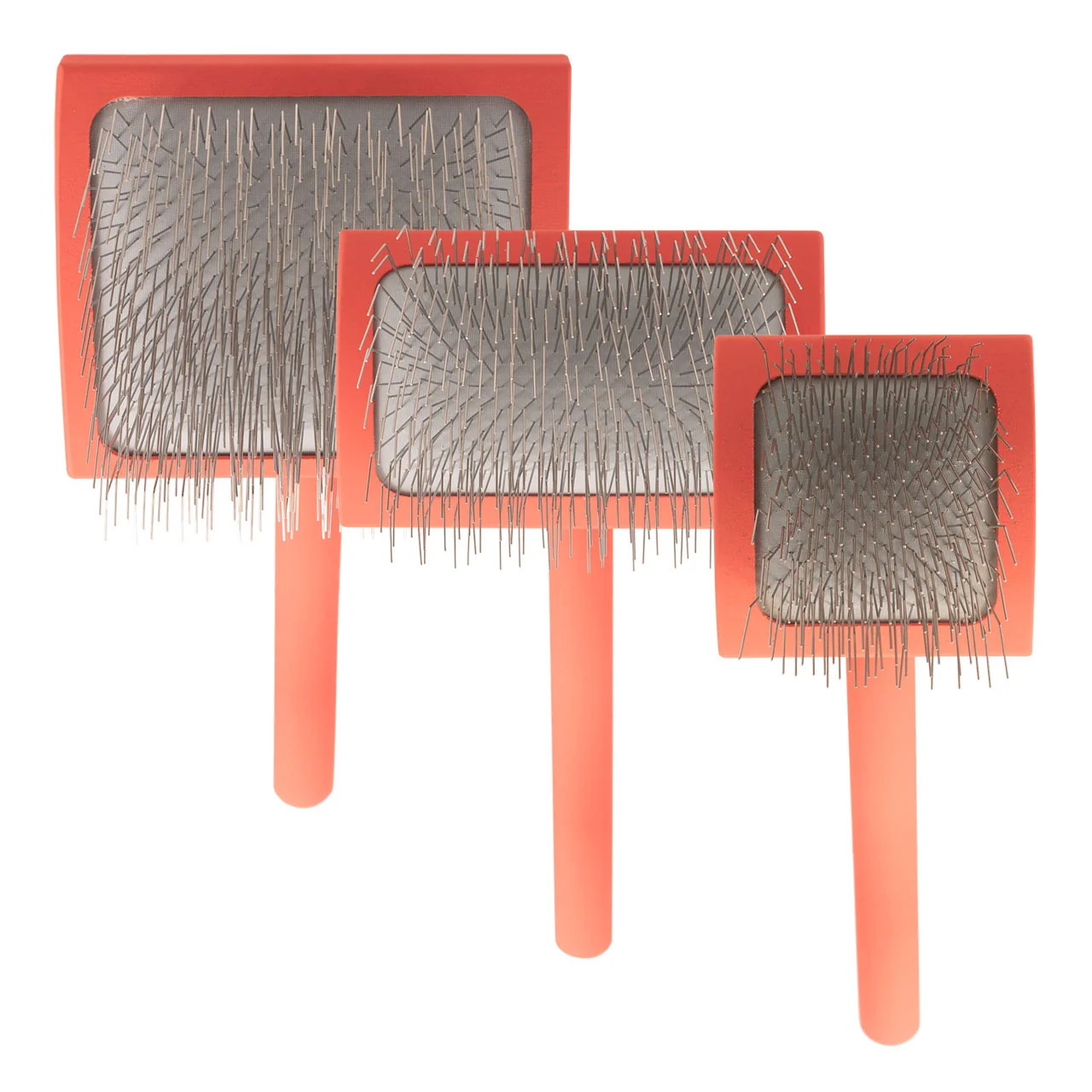
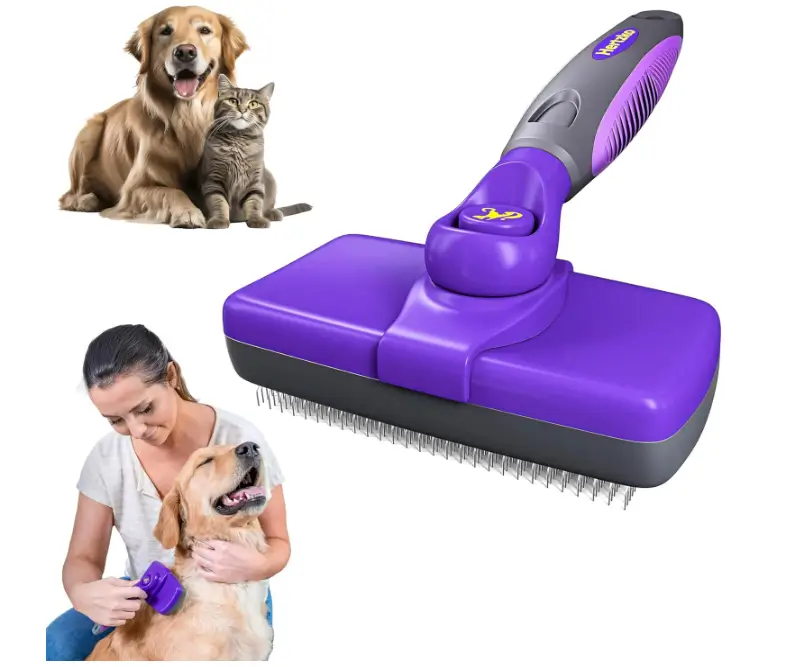
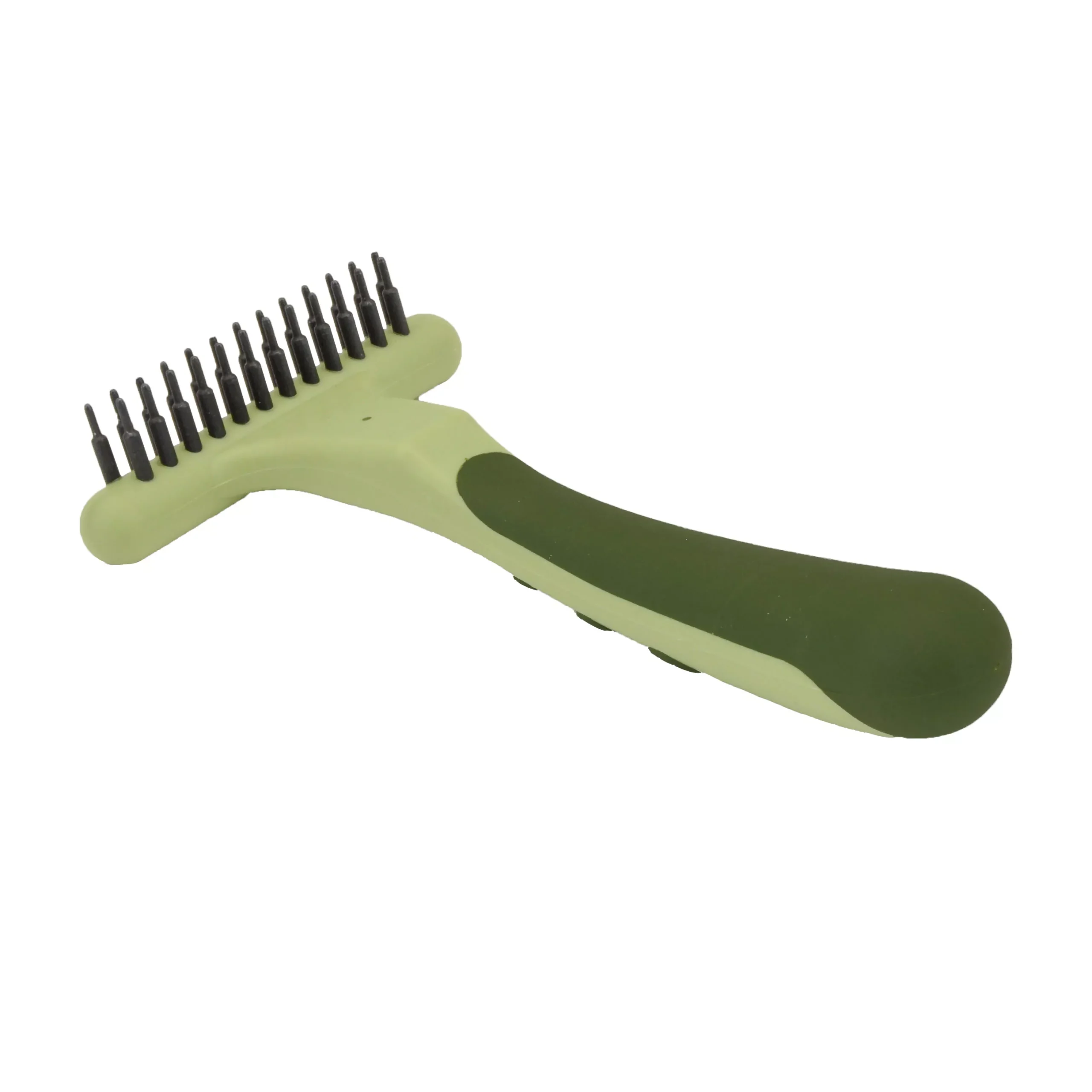
3.5 Brushes (Paw Fur Detangling)
For long-haired breeds like Spaniels and Retrievers, the hair between the toes tangles and forms tight knots that pull on the webbing with every step. A slicker brush or a metal comb inside a paw and pad care protocol gently detangles that hair before it becomes a mat, and the comb verifies whether the detangling actually reached the skin or just the surface. The rake is the wrong tool here. Rake tines are designed for the dense undercoat of a double-coated breed, and on the thin fur between the toes they rip live hair out at the root. Every paw and pad care protocol decision about brushes comes down to pin flexibility and pin spacing, and the wrong tool in either dimension turns a routine toe check into a painful one. Owners who keep a metal comb in the paw kit catch the first knot before it becomes a mat that has to be cut out.
Clinical Verdict: Chris Christensen Big G for gentle detangling around the toes. Hertzko for light maintenance. Never use a rake on the paw fur.
| Product Image | Product Name | Verified Spec | Primary Button / Our Rating |
|---|---|---|---|
Pro Tier: Zero Abrasion |
|
| |
Mid Tier: Easy Clean |
|
| |
Budget Tier: Deshedding |
|
|
(affiliate link)
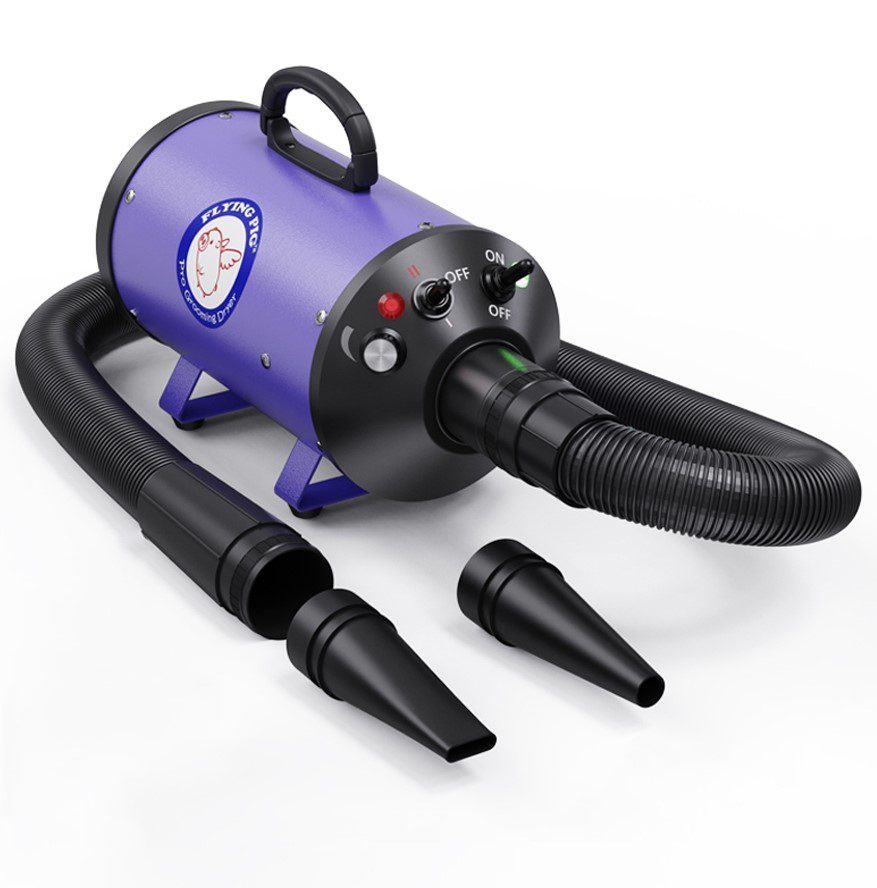
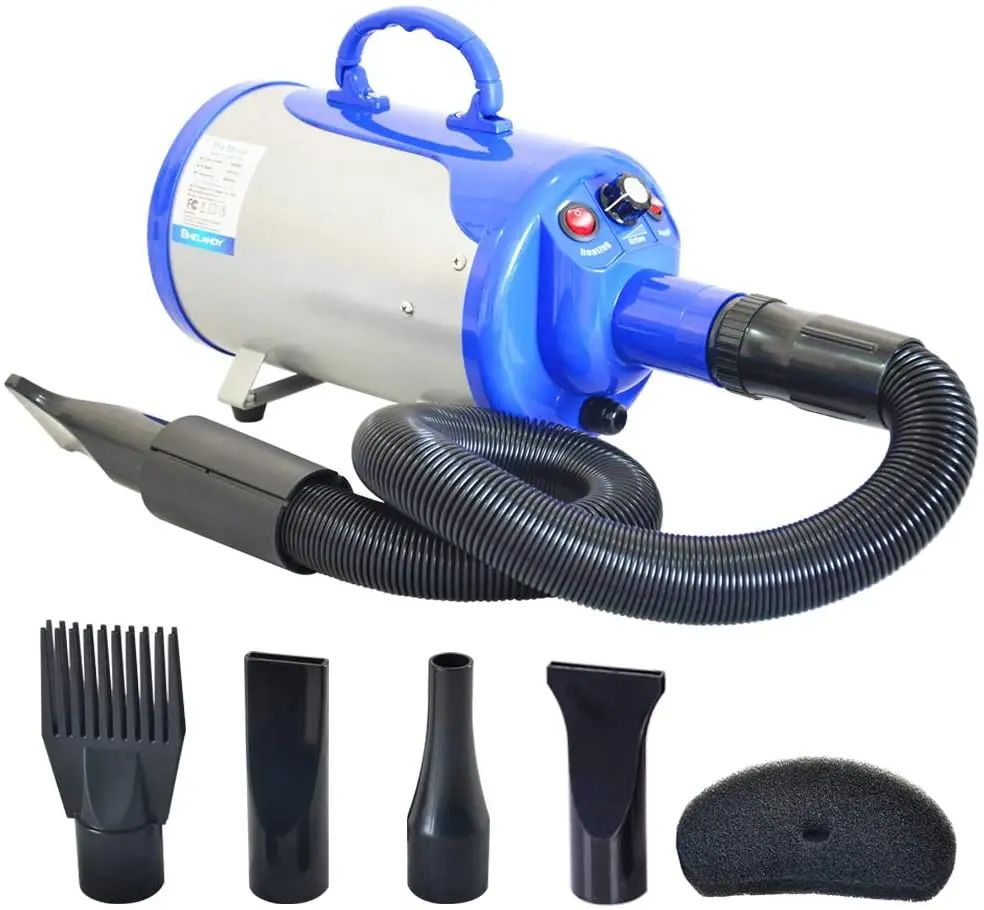
3.6 Dryers (Moisture Prevention)
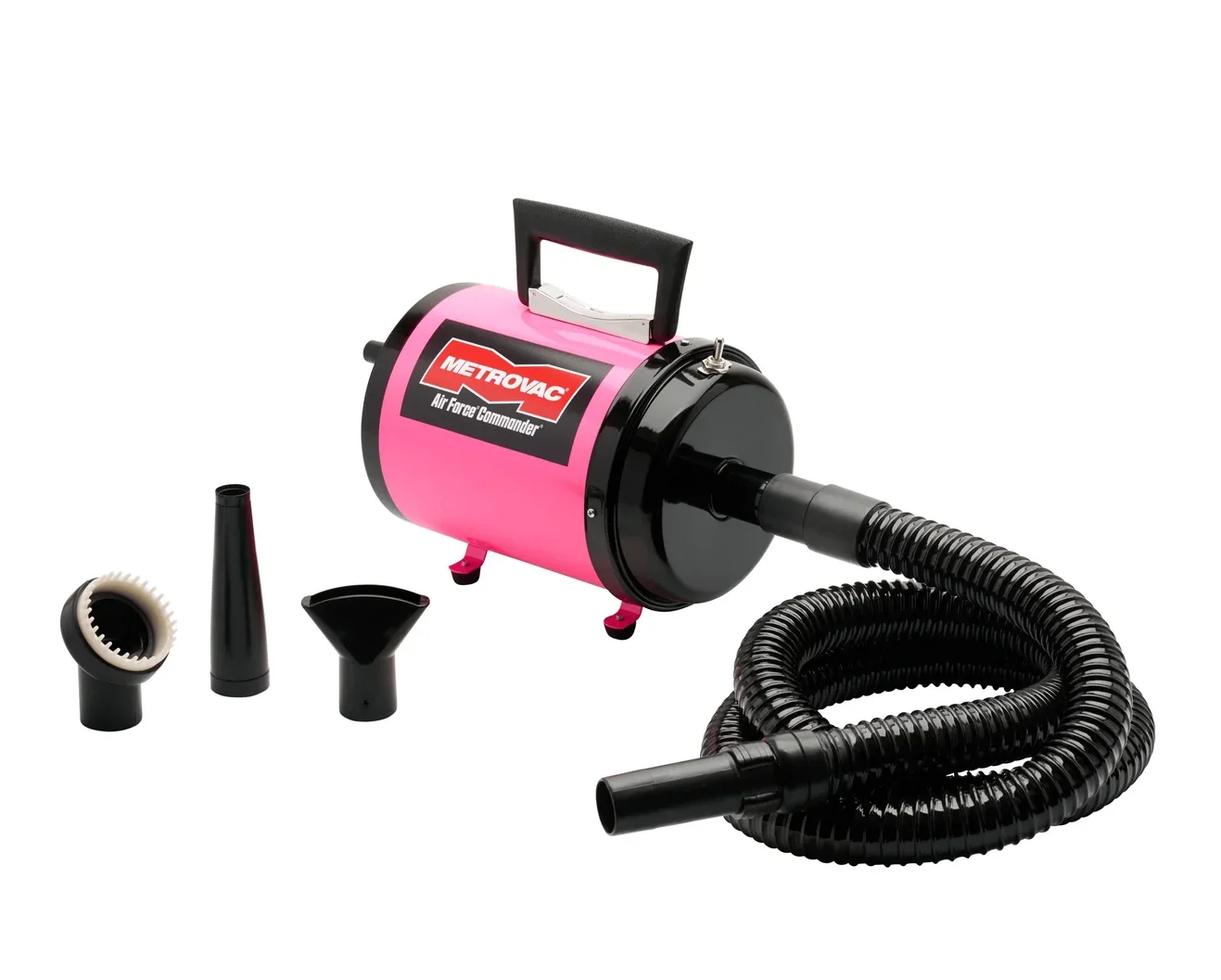
Drying the paws after a bath or a walk in the rain is a critical step inside any paw and pad care protocol, because trapped moisture between the toes is what feeds the fungal infections that show up two days later. A high-velocity dryer on a low setting blasts the water out of the paw fur and out of the webbing without raising skin temperature on tissue that is already sensitive. Heat is the danger here. The pad tissue is thick but the webbing between the toes is thin, and a heat-based dryer cooks that webbing faster than it cooks the rest of the dog. Ambient-temperature velocity does the job without ever pushing the tissue into the burn range. Every tier below is judged by airflow and by heat control together, because a paw and pad care protocol that dries the paws hot and fast is a protocol that trades a moisture problem for a burn problem.
Clinical Verdict: Metro Air Force Commander on the lowest setting for drying wet paws. Flying Pig for medium coats. SHELANDY for small dogs.
| Product Image | Product Name | Verified Spec | Primary Button / Our Rating |
|---|---|---|---|
Pro Tier: Lifetime Warranty |
|
| |
Mid Tier: Steel Shell Power |
|
| |
Budget Tier: High CFM Value |
|
|
(affiliate link)
Section 4: Choice Architecture
A paw and pad care protocol has two non-negotiable purchases. The first is the nail grinder, which prevents the structural damage that shows up as joint pain months down the line and is the only tool in the kit that protects the joint itself rather than the pad. The second is the paw balm, which prevents the epidermal damage that shows up as cracks and hyperkeratosis within a single season and is the tool that keeps the barrier intact between groomings. Everything else in the kit follows from those two. The clipper matters most for long-haired breeds, because the pad hair is the moisture trap that starts an interdigital cyst. The medicated shampoo belongs in the kit for the dogs that already lick their paws, and the dryer belongs in the kit for any dog that walks in the rain. Compare full specs at the grooming tools hub before committing.
Sensory Check: Grinder Vibration and Paw Feedback
Grinder vibration is the sensory variable that decides whether a dog tolerates a weekly nail session inside a paw and pad care protocol or fights every grind, and it is the reason two grinders with the same speed rating can produce completely different reactions. A grinder with a well-balanced bit passes a smooth rotation into the nail, and the owner feels that smoothness through the handle before the dog does. A grinder with a wobbling bit or a loose collet transfers a rattle into the paw that the dog reads as pain even when the bit has not touched the quick. That rattle is what makes the dog pull away on the first nail and refuse the second.
Noise behaves the same way across the grinders sold for paw work. A larger motor turning at lower revolutions produces less high-frequency whine than a small unit spinning fast, which is why a whisper-quiet grinder reads as safe to a dog that would panic at a cheaper model. Verify any decibel figure against the manufacturer’s own listing, because measurement distance and method change the number. Vibration travels through the hand as much as the paw, and a balanced bit lets the owner feel the quick before the bit reaches it. That tactile control is what keeps the grinder below the pain threshold on a dog that is already braced against the tool.
Section 5: Clinical Contraindications
Never cut the hair between the toes with scissors. The webbing is thin and the mat pulls the skin up against the hair mass, so the scissor blade meets skin before it meets hair and the cut is deeper than the coat looks. Never grind a nail down to the quick. The quick contains nerve endings and blood vessels, and grinding into it causes severe pain and bleeding that teaches the dog to fight every future nail session. Never use human lotion or petroleum jelly on paw pads. Both soften the keratin layer until the pad loses the toughness that protects it, and the softened pad picks up environmental dirt that drives the infection cycle the paw and pad care protocol is trying to break. Never ignore a dog that licks its paws constantly. Persistent licking is the sentinel sign of pain or infection, and a dog that is already licking is a dog that needs a vet exam before any tool touches the foot. Never walk a dog on hot pavement. If the ground burns your hand after five seconds, it burns their paws after five seconds, and the burn blisters the pad in a way that takes weeks to heal. The AVMA veterinary literature documents thermal pad burns and interdigital infections as real outcomes in the paw and pad care category, not cosmetic preferences. Every one of these contraindications exists because the wrong move on the foot is not reversible in a single session, and the cost of correcting the damage lands in veterinary care.
Section 6: Pre-Groom Paw Palpation & Texture Checklist
Run the palpation pass first before any tool touches the foot. The pad hides problems under the keratin layer, and a dog that is already flinching needs a vet visit rather than a grooming session.
- Palpate for lesions and swelling. Run your thumb across the pad and between the toes to feel for cysts or any mass the eye cannot see under the fur.
- Check pad tension and cracks. Press the pad gently to feel for hyperkeratosis that has started to fissure, and stop if the skin pulls away from the deeper tissue.
- Smell the webbing. A musty or yeasty odor between the toes signals a fungal infection that needs a vet visit before soaking.
- Press each nail bed with your thumb. Heat or swelling at the nail base means the quick is already inflamed and the grind will be painful.
- Scan for redness at the webbing. Inflamed skin between the toes is the first sign of an interdigital cyst forming under the fur.
Then run the texture pass while the dog is settled and the tools are still off.
- Check the pad surface. Look for cracks and any crusty keratin buildup that signals hyperkeratosis.
- Check between the toes. Look for redness or discharge that has dried into the fur.
- Check nail length. If the nails click on the floor when the dog walks, they are long enough to alter gait and need grinding.
- Smell the paws. A musty or yeasty odor means the webbing is holding moisture and the infection cycle has already started.
- Check for burrs and foreign objects. Seeds and small debris lodge in the paw fur and work their way into the pad between walks.
Never groom a dog with active paw infections, open sores, or a fever. Refer to a veterinarian first. The full guides index covers breed-specific paw variations that change how a paw and pad care protocol should be tuned.
Interlude: The Paw Soak Technique
The paw soak is the delivery method that makes medicated shampoo work on a paw and pad care protocol, and it is not the same as a bath. Dilute the shampoo to the label ratio, fill a shallow basin just deep enough to cover the pads, and let the dog stand in the solution for five to ten minutes. The soak time is the active window when the chlorhexidine and ketoconazole reach the webbing where the infection actually lives.
Rinse thoroughly with clean water and dry the paws completely with a towel and a cool-air dryer, because any moisture left between the toes is what feeds the next round of infection. A dog that walks away from the soak with wet webbing has undone the treatment the soak was supposed to deliver. The PetMD dog bathing guide covers how the soak fits into the wider bath schedule so the paws dry clean and the next session starts from a healthy baseline.
Section 7: Clinical Citations & Vet Disclaimer
The AKC grooming resources describe the paw pad as a specialized stratum corneum with a keratin concentration that makes it durable under load and prone to hyperkeratosis as the dog ages. Veterinary dermatology notes that interdigital cysts usually start with trapped hair and moisture rather than with bacteria alone, which is why a paw and pad care protocol has to include the pad hair and the webbing check rather than just the nail trim.
Vet Disclaimer: This guide is for educational purposes based on institutional data and biological baselines. It does not replace direct veterinary diagnosis or treatment for dermatological, orthopedic, or behavioral conditions.
Read more about our editorial standards and our lead author’s credentials.
Related Cluster
Different paw types need different paw and pad care protocol variations. The breed protocols hub covers pad thickness and paw fur density by breed group. The dog problems hub covers the wider set of dermatological and orthopedic issues that show up on the foot. The Cocker Spaniel breed guide covers the pad fur density and hyperkeratosis risk that make a paw and pad care protocol more aggressive on that breed than on most others.
Section 8: Frequently Asked Questions
Written by: PGA Hardware & Equipment Desk
Reviewed by: PGA Editorial Board (Zaheer Aujla, Head of Board)
Research sources: PetMD, AKC, CFA, WSAVA, AAFCO, veterinary journals
Last updated: 2026-01-15
As an Amazon Associate I earn from qualifying purchases. This article is editorially independent. Not a substitute for veterinary diagnosis.
Why does my dog lick its paws constantly?
Persistent licking is the sentinel sign of pain or infection, and it is the first behavior a paw and pad care protocol should investigate. The most common causes are interdigital moisture and yeast overgrowth in the webbing. A vet exam rules out the medical causes before any grooming step touches the foot.
Can I use human lotion on my dog’s paws?
No. Human lotion and petroleum jelly soften the pad’s keratin layer until the tissue loses the toughness that protects it on hard ground. A veterinary-grade paw balm uses natural waxes that seal the barrier without softening it, and it is the only safe moisture layer inside a paw and pad care protocol.
How often should I grind my dog’s nails?
Every three to four weeks for most dogs. Every two weeks on dogs whose nails grow fast, and if you can hear the nails click on the floor when the dog walks they are already long enough to alter gait. That single click is the signal a paw and pad care protocol uses to schedule the next grind.
What is hyperkeratosis in dogs?
Hyperkeratosis is an overgrowth of keratin that builds up on the paw pad as a crusty layer, most often in senior dogs and in breeds like the Cocker Spaniel. The crusty layer cracks under load and opens a path for infection, which is why a paw and pad care protocol includes a pad check on every session.
Are dog paw balms necessary?
Yes, for any dog that walks on hot pavement or road salt. The balm creates a barrier that the pad cannot maintain on its own under those conditions, and it prevents the cracks that hyperkeratosis makes worse. A paw and pad care protocol without a balm is a protocol that waits for the pad to fail before it protects anything.


The PGA Hardware Desk analyzes and verifies mechanical specifications (SPM, CFM, motor torque, blade metallurgy) against biological and veterinary baselines. We do not accept payment for positive reviews. Our recommendations are derived from a synthesis of manufacturer technical data, veterinary ergonomics, and aggregated professional user experiences.