Written by: PGA Hardware & Equipment Desk
Reviewed by: PGA Editorial Board (Zaheer Aujla, Head of Board) · Six editorial desks · Institutional review standard
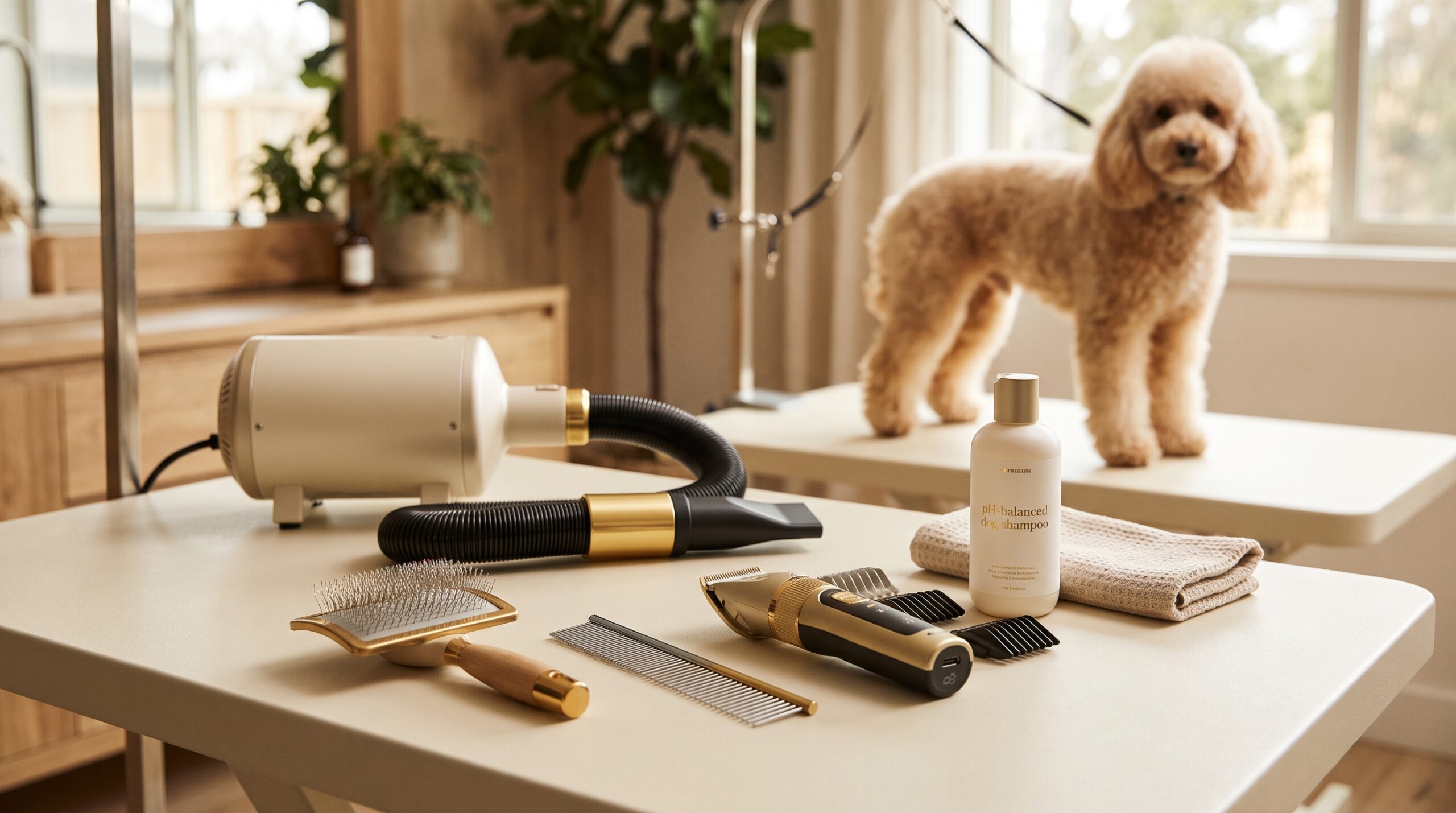
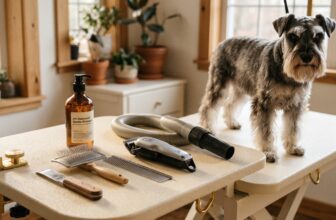
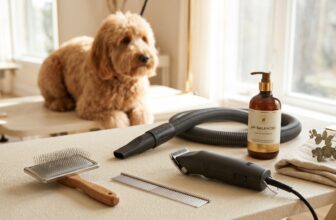
A low-shedding dog grooming system prevents painful friction mats by managing continuous anagen hair growth rather than seasonal shedding. Following our dog care and grooming hub standards, this protocol pairs flexible-pin slickers, ambient high-velocity dryers, rotary clippers, and verification combs to protect thin skin.
A low shedding dog grooming system has to start by dismantling the marketing term, because low shedding is not a biological reality. Breeds like Poodles and Bichons carry hair rather than fur, and that hair grows through a long anagen phase that keeps it in place for months instead of dropping to the floor. The biological consequence is severe. Because the dead hair does not fall out, it weaves into the live coat and creates dense friction mats at the armpits and along the collar line where friction runs highest. That is why a low shedding dog grooming system does not focus on deshedding. It focuses on constant detangling and structural maintenance. Treat a low-shedding coat like a double coat and the result is a felted pelt that has to be shaved off. This protocol explains the biology of continuous hair growth and selects the tools that prevent friction mats without damaging the coat.
Quick Match: Which Tools for Low-Shedding Coats
Selecting the right tools for low-shedding coats starts with matching each device to continuous hair growth and sensitive skin. Unlike seasonal shedders covered in our double coat dog grooming guide, low-shedding breeds require flexible-pin slickers, ambient-air high-velocity dryers, cool-running rotary clippers, and quiet rotary nail grinders.
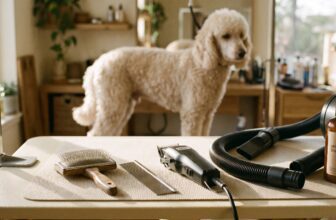
A low shedding dog grooming system pairs a flexible-pin slicker with a high-velocity dryer, a rotary clipper for bulk reduction, a metal comb to verify the work, and a quiet nail grinder that reaches the small curved nails these breeds carry. The system treats mat prevention as the primary goal because a low-shedding coat that mats on Monday is a shave-down on Friday. Owners who build a low shedding dog grooming system around friction control report fewer mats and fewer vet visits for the skin issues that hide under the felted layer. This low shedding dog grooming system treats the coat as a continuous growth structure that has to be detangled at the skin rather than on the surface.
Low-Shedding Coats Keratin Architecture and Failure Modes
Low-shedding coats grow through an extended anagen phase, retaining dead hair inside the live coat rather than releasing it seasonally. Without daily parting and skin-level detangling, trapped keratin fibers absorb moisture and form dense friction felts, a failure mode detailed in our canine epidermal matrix reference.
Veterinary dermatology draws a firm line between hair and fur, and that line is the foundation of any honest low shedding dog grooming system. Low-shedding breeds have hair that cycles through a long anagen phase and falls out rarely. A double-coated breed has fur that cycles fast and drops in bulk. The two coat types require completely different tool geometries, and treating a Poodle coat with a husky toolset is the fastest way to felt the coat against the skin.
The AKC grooming resources note that the trapped dead hair in a low-shedding coat acts like a sponge for moisture and environmental dirt. That trapped moisture is what yeast and bacteria colonize, and the layer of felted hair is what hides the infection until it has spread. That is why friction points on a low-shedding dog, specifically the armpits and behind the ears, are the first places a low shedding dog grooming system has to check. A mat in either zone tents the skin within days and turns a manageable tangle into a veterinary problem.
The breed-specific protocols guide covers how coat density varies between Poodles and Bichons in practice. The core dog grooming guide establishes the base cadence. The low-shedding variation increases frequency and reduces surface-only brushing, because a low shedding dog grooming system that skims the topcoat without reaching the skin is a system that lets the mat build in silence. Owners who part the coat and brush to the skin every day rarely face a mat that needs more than a slicker.
Mechanism, Failure Mode, and Procedure
Effective coat maintenance depends on tool geometry that reaches the skin without snapping fragile hair shafts or overheating the epidermis. By separating damp fibers with ambient airflow and removing excess bulk safely, owners prevent the severe felting documented in our matted dog coat recovery guide.
Each tool category in a low shedding dog grooming system has to be evaluated on how it touches the skin under the coat, not on how it handles the surface. The slicker reaches the felted layer that a surface brush never touches. A dryer separates the hair shafts before they clump, and the clipper removes the bulk that makes the mat possible at all. Every choice below follows from those mechanical realities.
3.1 Clippers
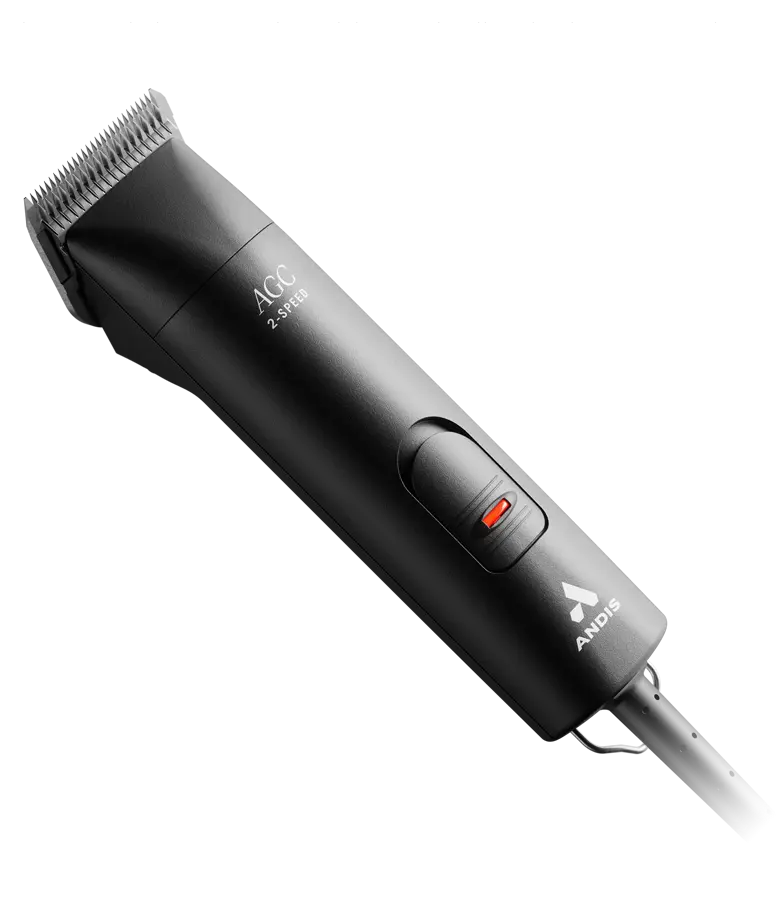
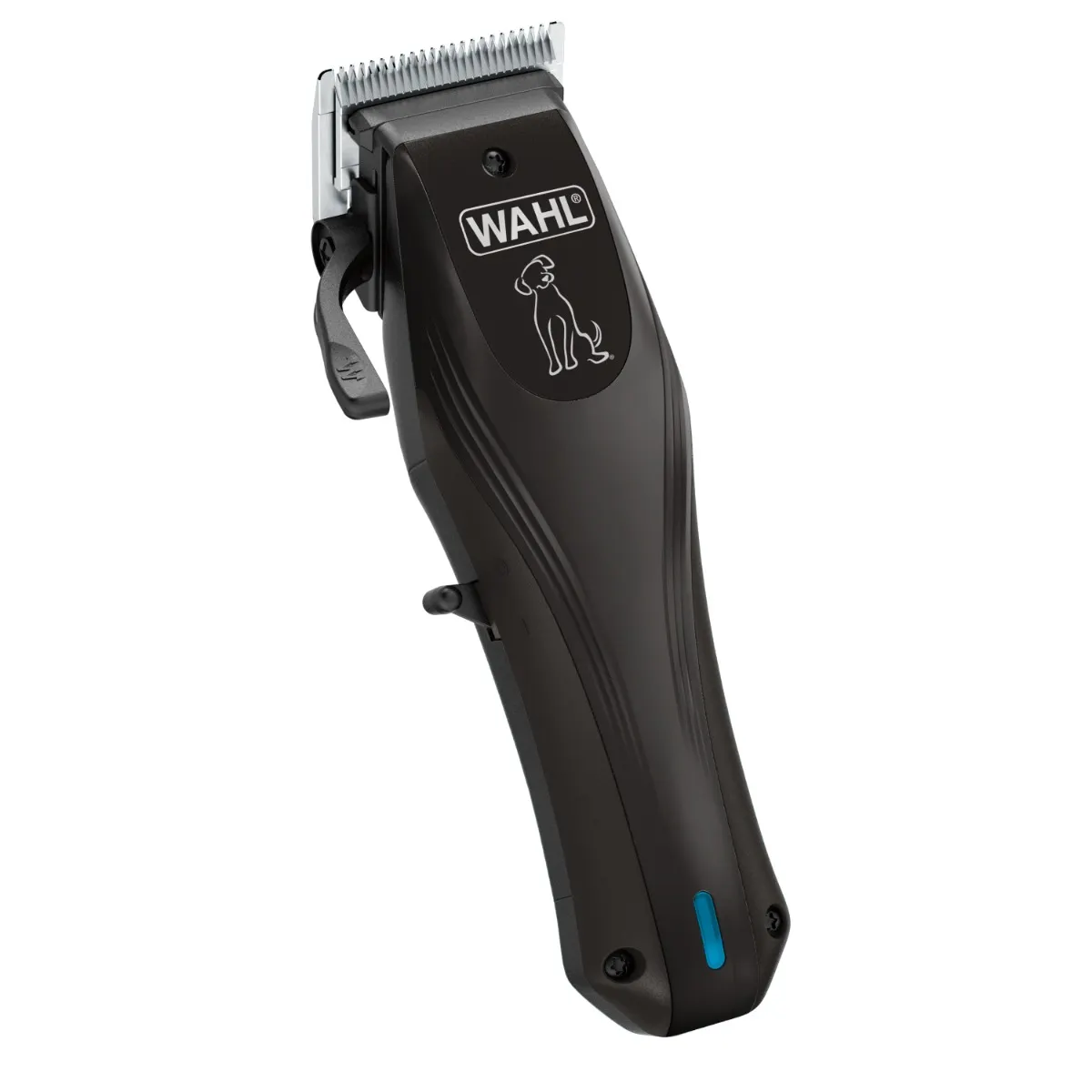
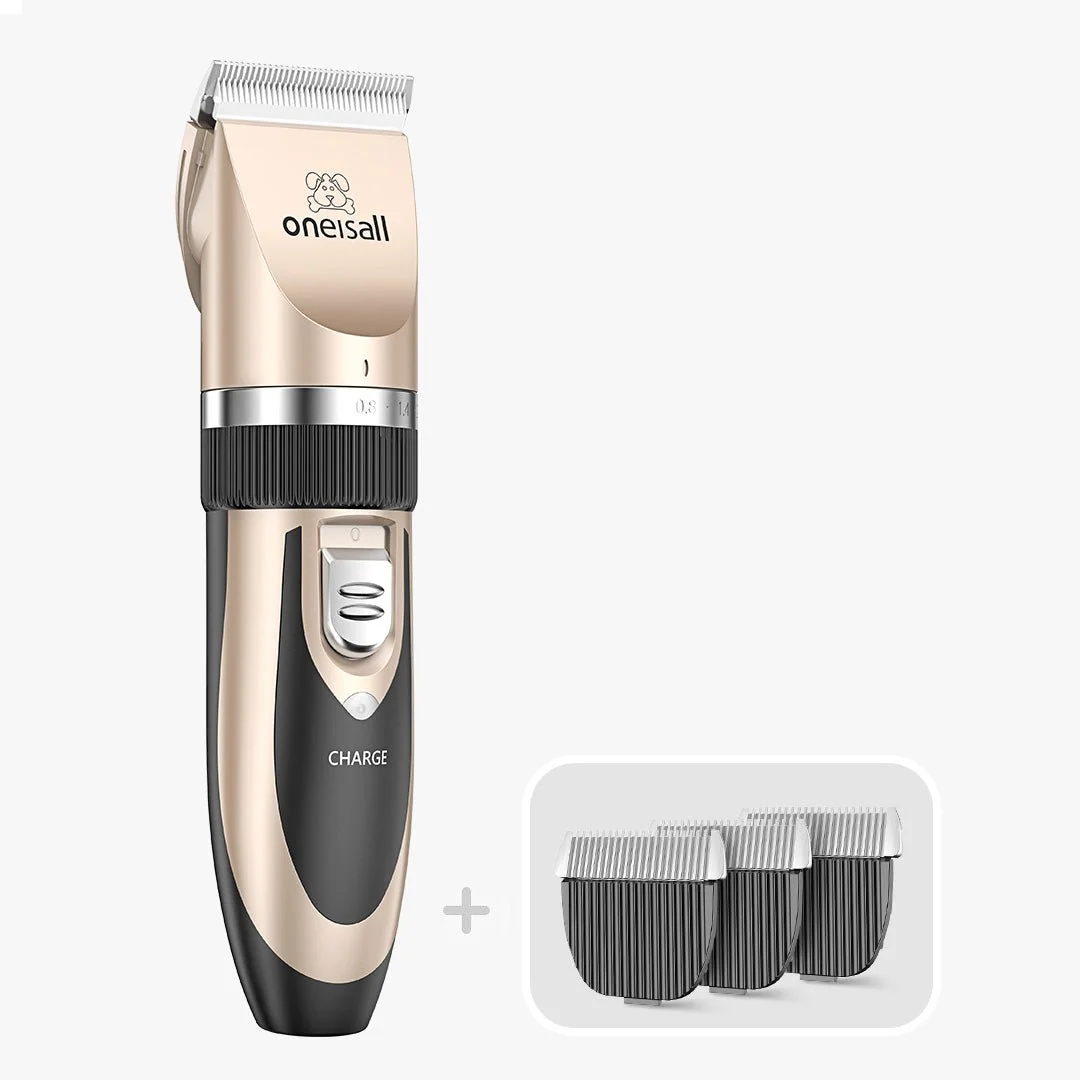
Clipping is not optional in a low shedding dog grooming system. It is one of the primary mat-prevention tools, because a shorter coat means less surface area for friction to work on and fewer feet of hair to felt against the skin. The risk is clipper burn on sensitive skin, and that risk grows the moment the blade starts to run hot. A dull blade on a low-shedding coat drags instead of cuts, and the drag raises blade temperature at the exact point of contact. The user compensates by pushing harder, and that push is what burns the skin. A rotary motor that holds speed under load removes the stall-and-push cycle, and the A5 detachable blade swap lets you rotate to a cool edge mid-clip. Every clipper choice in a low shedding dog grooming system is judged on how it behaves on the thinner skin under the coat, not on the body coat itself. Owners who clip with a cool, sharp blade avoid the burns that make a low-shedding dog flinch at every future session.
3.2 Dryers
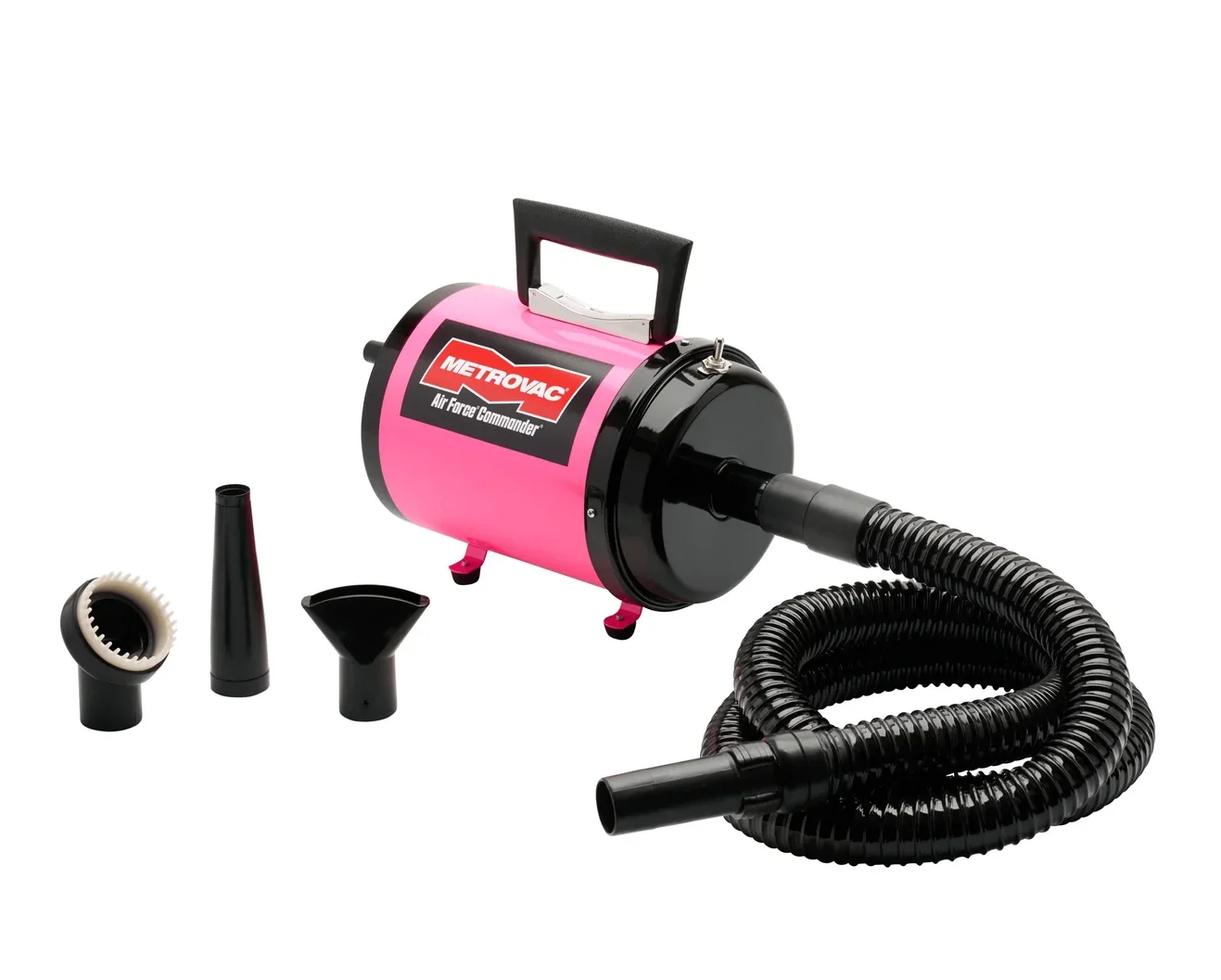
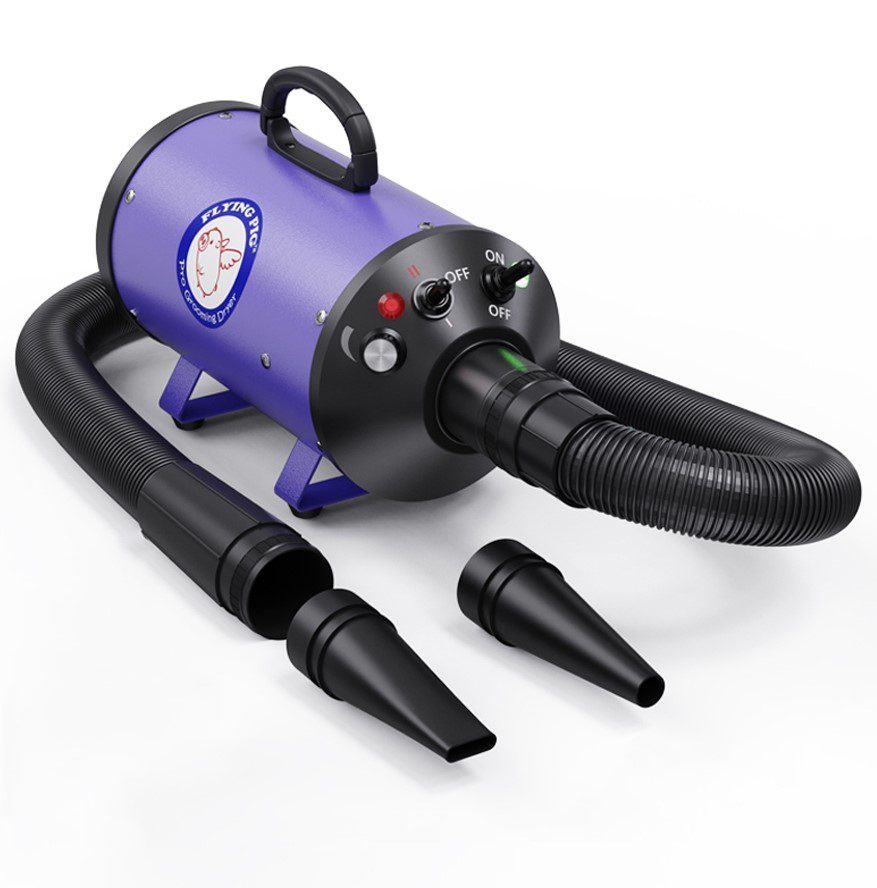
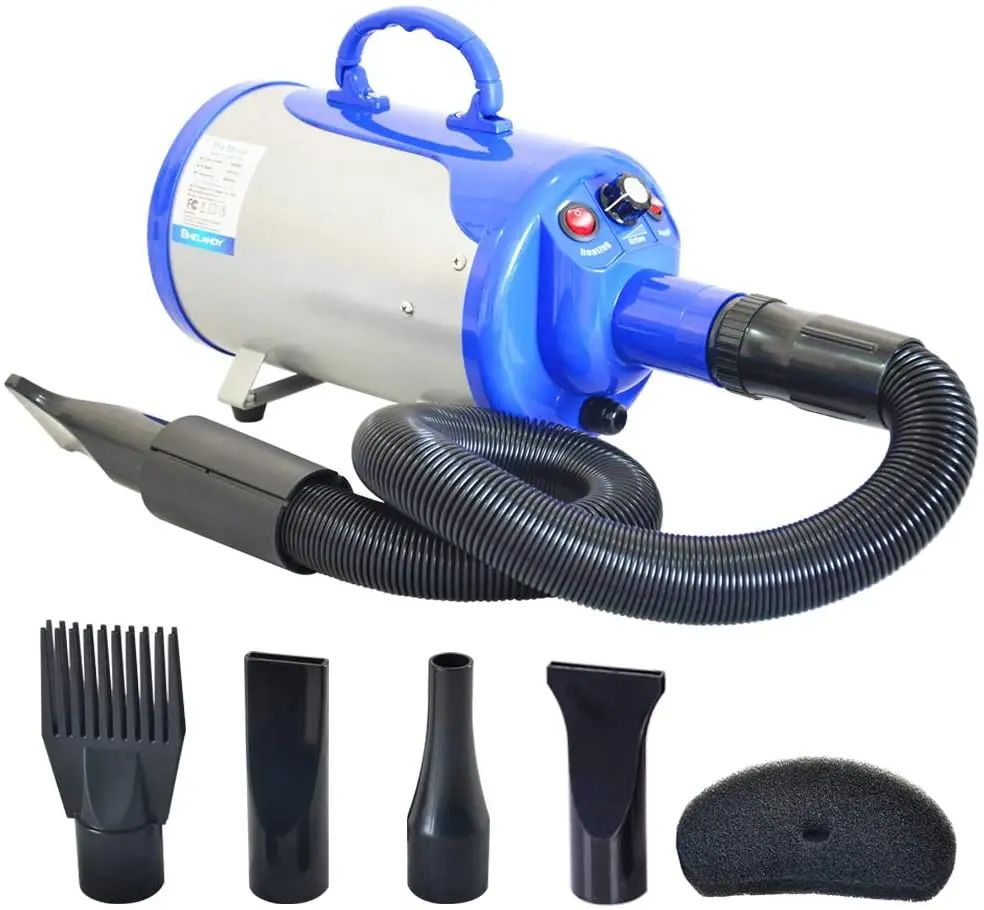
Low-shedding hair holds water like a sponge, and inside a low shedding dog grooming system that water load is the single biggest driver of overnight felting. The coat can hold enough moisture against the skin to stay damp for hours after the surface feels dry, and damp hair clumps. High-velocity dryers force that water out and separate the individual hair shafts so they dry straight instead of matting into their neighbors. Heat is the danger. The cuticle on a low-shedding coat frizzes permanently under heat that a soft-coated dog would tolerate, and the frizz turns every subsequent brushing session into a fight. Ambient-temperature velocity does the job without ever raising the temperature of the hair shaft into the range that causes permanent frizz. Every tier below in this low shedding dog grooming system is judged by airflow and by heat control together, because a dryer that dries the coat hot and fast is a dryer that destroys the asset the whole system is built to protect.
3.3 Vacuums
A grooming vacuum earns its place in a low shedding dog grooming system even though these breeds barely shed, because the vacuum is a dander and debris capture tool rather than a deshedding tool. Daily environmental debris settles into the coat and combines with sebum to create the tacky surface that starts a friction mat. A soft rubber or silicone brush head lifts that debris without pulling the fine hair shaft sideways, which is the difference between a coat that stays clean between baths and one that needs a full detangle every week. Noise matters because Poodles and Bichons are often sensitive to mechanical sound, and a vacuum that spikes cortisol ends the session before the coat is clean. Every tier below is judged by head softness and by how quietly the motor runs, because a low shedding dog grooming system built on a loud vacuum is a system that gets abandoned after the first session.
3.4 Brushes
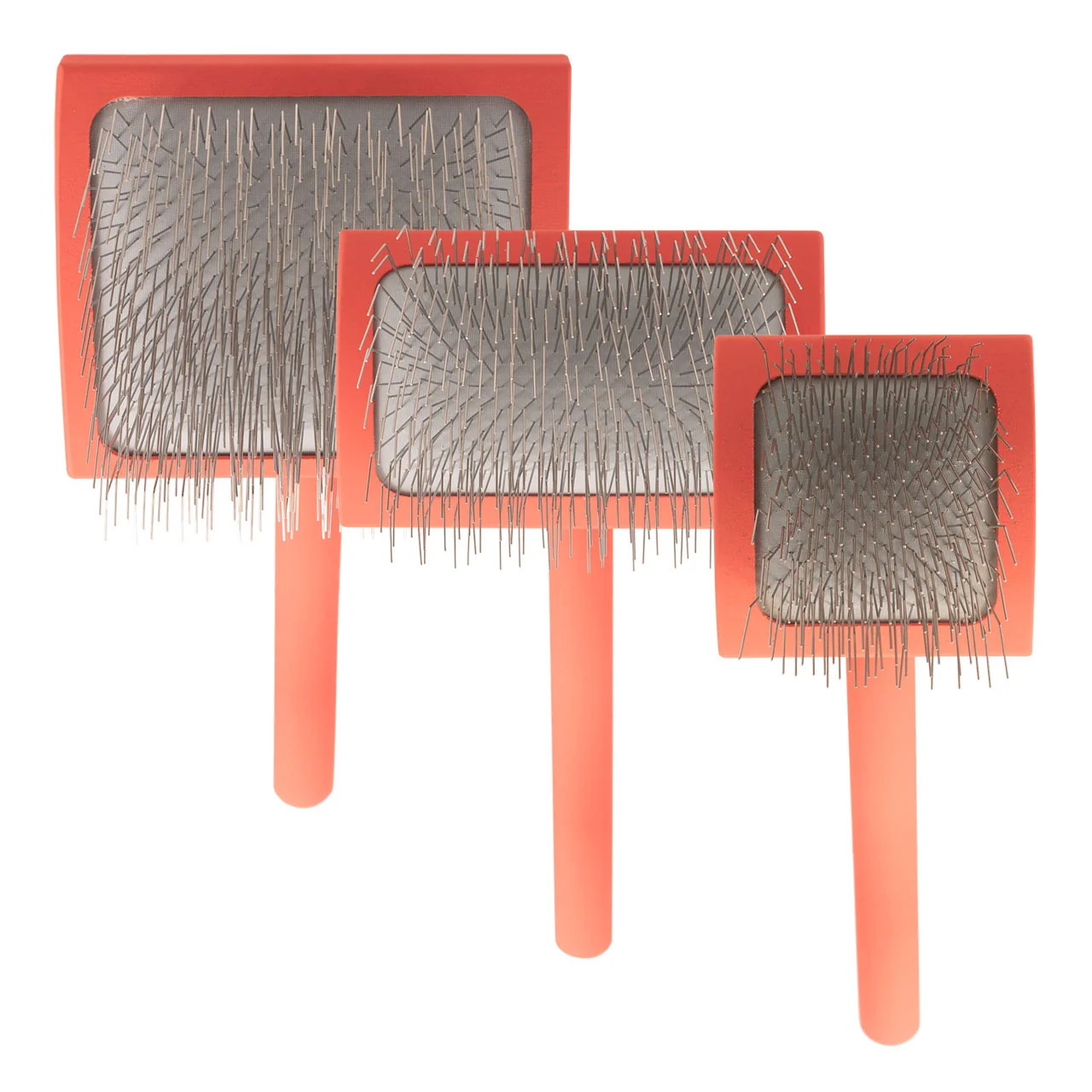
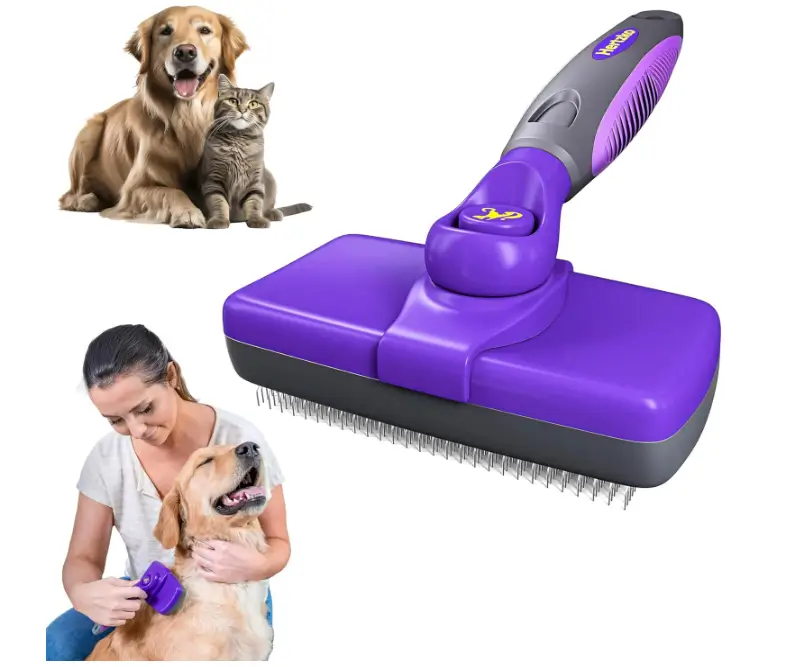
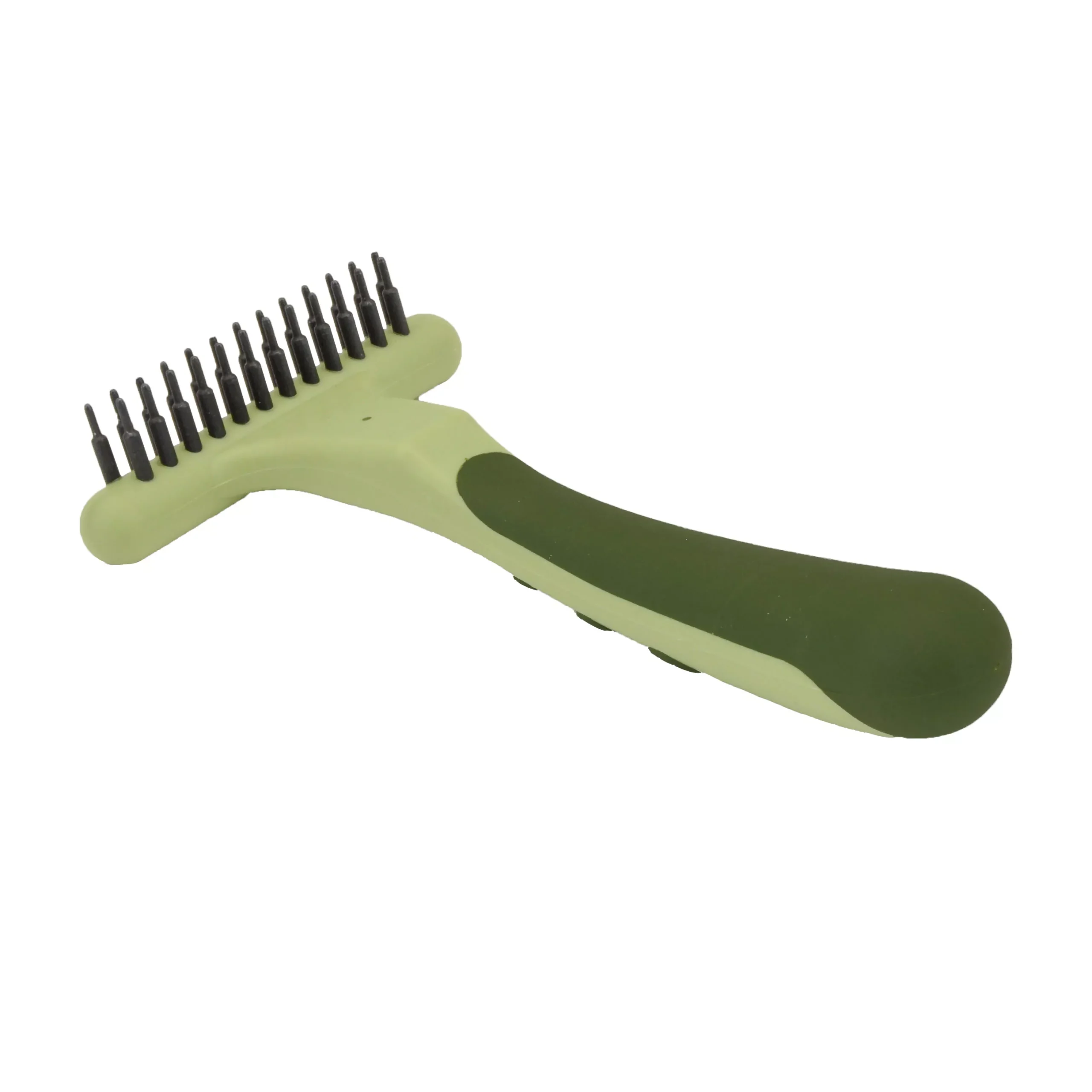
The brush is the highest-risk tool inside any low shedding dog grooming system, and the wrong brush causes damage that no conditioner can reverse. The Chris Christensen Big G belongs in the kit because its long flexible pins reach through the dense coat to the skin without snapping the hair strands on the way down. A comb is essential for checking the work, because a comb tells you whether the slicker actually separated the coat at the base or rode above it. A rake will destroy the coat, because rake tines are designed for the dense undercoat of a double-coated breed and on a low-shedding coat they rip live hair out at the root. Every low shedding dog grooming system decision about brushes comes down to pin flexibility and pin spacing, and the wrong tool in either dimension turns a routine brush session into a coat-damaging one. Owners who keep a metal comb in the kit as a verification tool catch the first snag before it becomes a felted mat.
| Product Image | Product Name | Verified Spec | Primary Button / Our Rating |
|---|---|---|---|
Pro Tier: Zero Abrasion |
|
| |
Mid Tier: Easy Clean |
|
| |
Budget Tier: Deshedding |
|
|
(affiliate link)
3.5 Shampoos
Low-shedding coats need moisture to prevent brittleness, and inside a low shedding dog grooming system the shampoo has to add that moisture without weighing the hair down. Heavy conditioners are the other failure mode. They coat the hair shaft in a way that attracts environmental dirt, and the tacky surface that results is what starts a friction mat at the armpit or the collar line. A pH-balanced, soap-free formula cleans without stripping and leaves the cuticle flat enough to reflect light. Active ingredients still matter when the skin is compromised. Chlorhexidine and climbazole target infections under the coat, and oatmeal soothes irritation without coating the hair shaft. Every tier below is judged by how cleanly it rinses and by whether it leaves the coat light enough to drape, because a low shedding dog grooming system that leaves the coat heavy has failed at the cosmetic outcome that matters most.
| Product Image | Product Name | Verified Spec | Primary Button / Our Rating |
|---|---|---|---|
Pro Tier: Prescription-Strength Antiseptic |
|
| |
Mid Tier: OTC Medicated |
|
| |
Budget Tier: Barrier-Safe Maintenance |
|
|
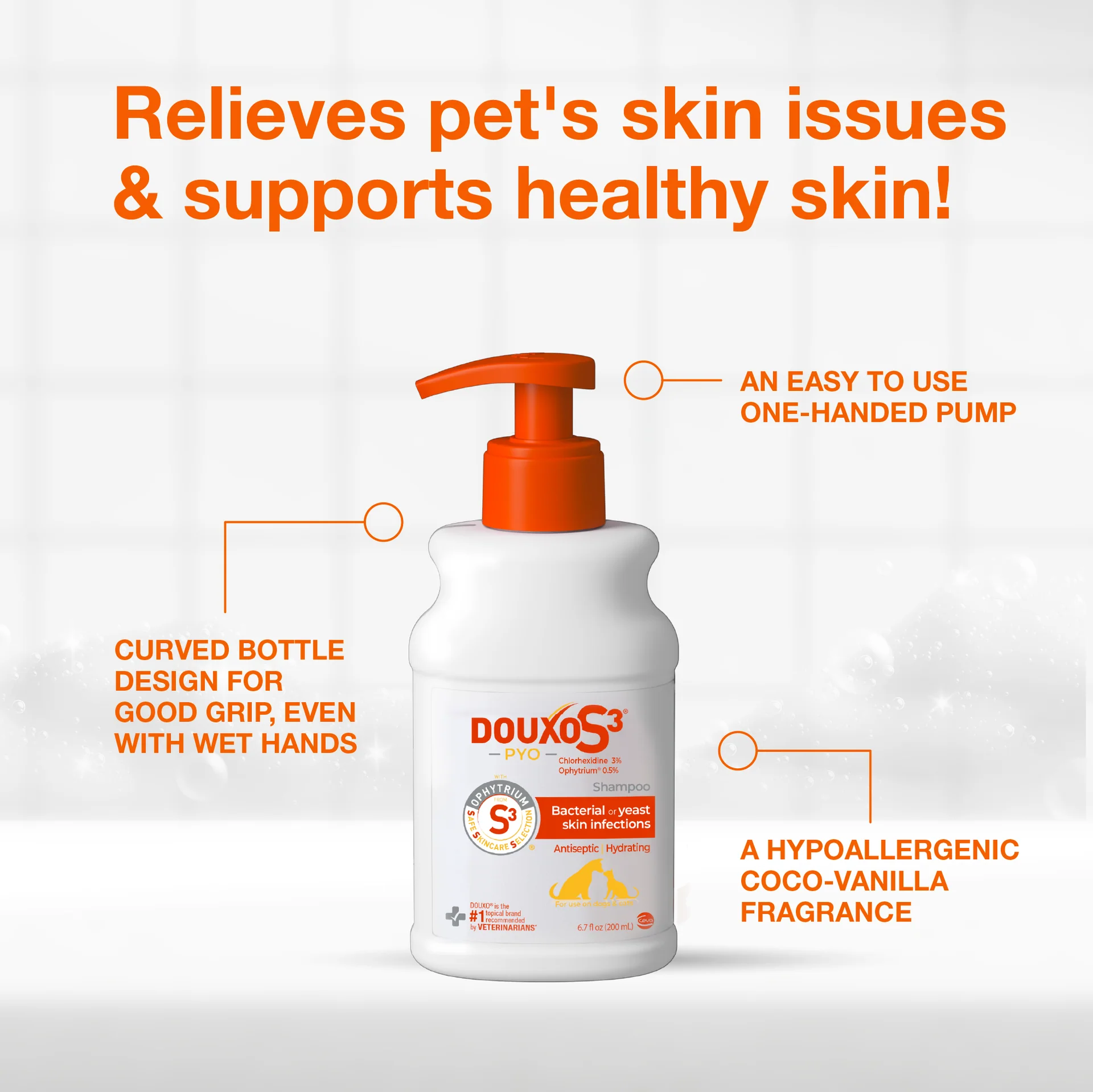
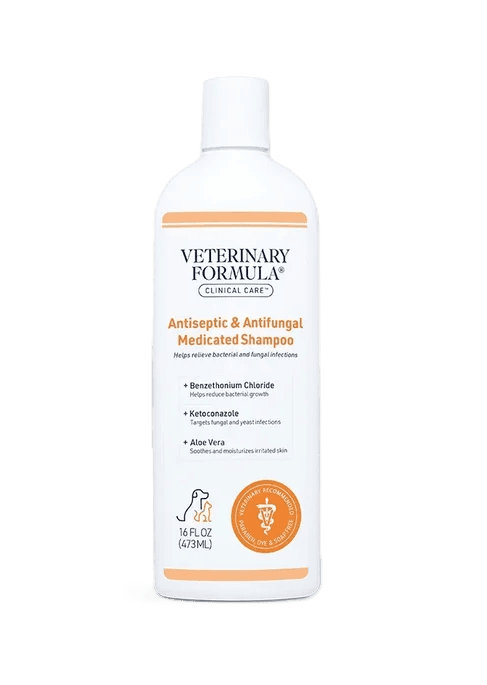
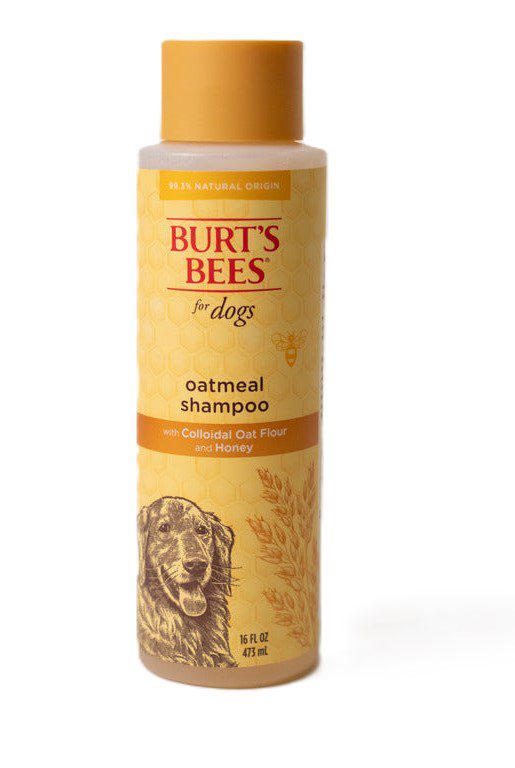
(affiliate link)
3.6 Nails
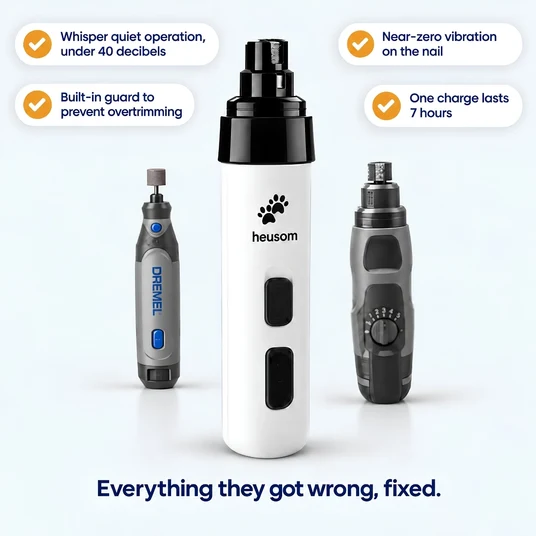
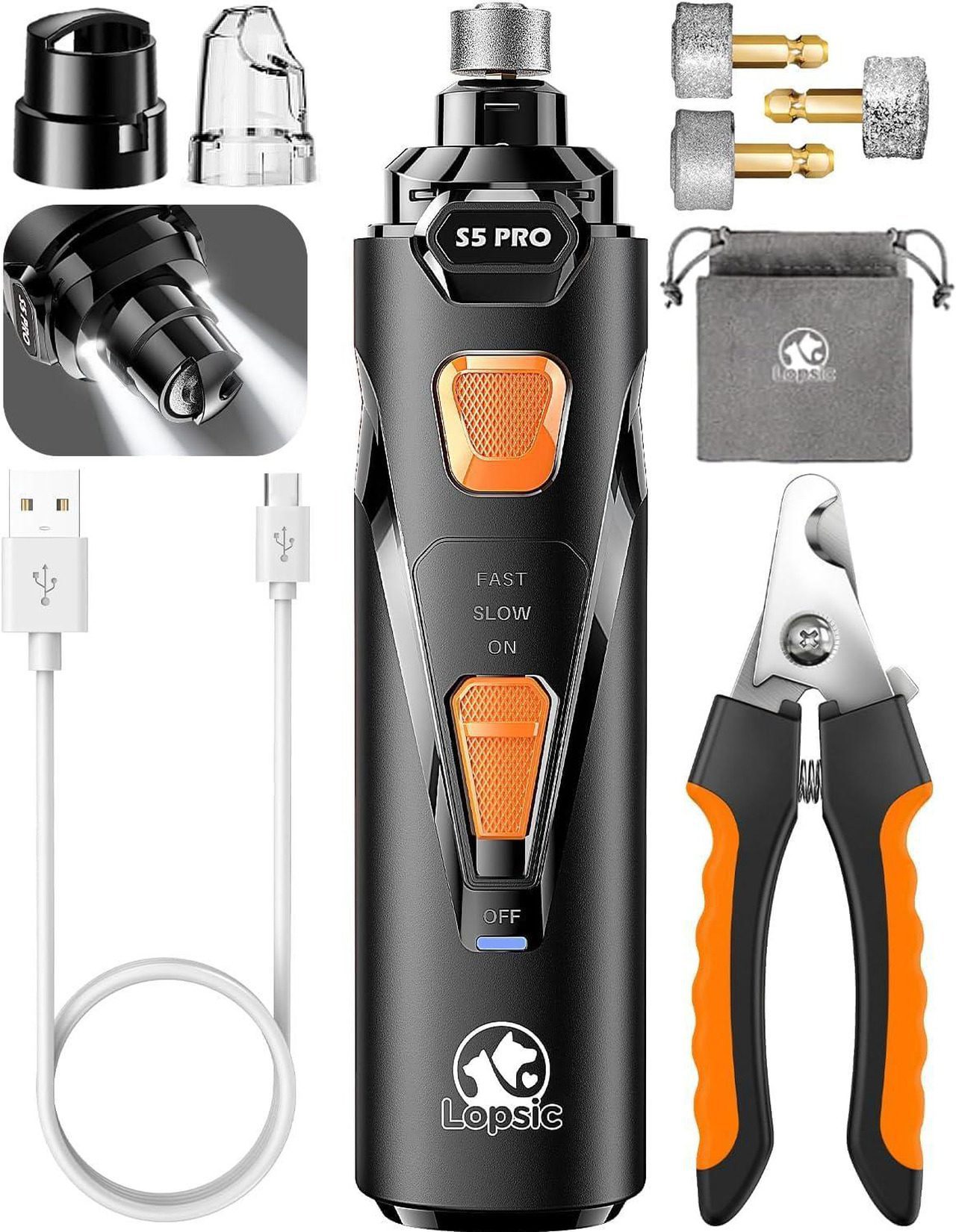
Low-shedding breeds like Poodles and Bichons carry small feet with fine, curved nails, and inside a low shedding dog grooming system the nail grinder has to match that nail geometry or the session ends in pain. Guillotine clippers crush these thin nails before they cut, and a crushed nail sends a pain signal through the quick that teaches the dog to fight paw handling for life. A grinder sands the nail in small increments and reaches the precision a clipper cannot on a curved nail. The motor must be quiet enough not to spook a small dog, because noise on a Poodle or a Bichon spikes cortisol faster than on larger breeds. Every tier below is judged by grind precision and low-noise behavior together, because the nail grinder is the tool that quietly keeps the handling positive between long mat-prevention sessions.
| Product Image | Product Name | Verified Spec | Primary Button / Our Rating |
|---|---|---|---|
Pro Tier: High-Output Precision |
|
| |
Mid Tier: Ultra-Low-Noise Entry |
|
| |
Budget Tier: Whisper-Quiet Desensitization |
|
|
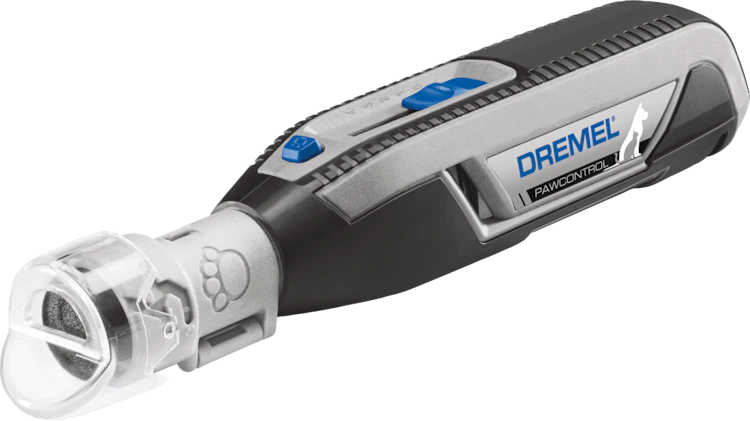
(affiliate link)
Tool Physics by Low-Shedding Coats Density
Prioritizing core hardware prevents tool redundancy while matching mechanical action to coat density and curl tightness. Owners balancing dense curls, explored further in our curly dog coat grooming protocols, should invest first in a long-pin flexible slicker and an A5 rotary clipper before adding secondary accessories.
A low shedding dog grooming system has one spend priority: the slicker brush and the clipper come before everything else. The brush reaches the felted layer. That single tool prevents the mat from forming in the first place, and the clipper removes bulk so the coat has less surface area to felt against when it stays long through summer. Between them, those two purchases decide whether the coat stays manageable or turns into a shave-down. The dryer belongs in the kit because a damp coat felts overnight, and the comb belongs in the kit because it verifies the slicker actually reached the skin. The rake does not belong in the kit at all on this coat type. Compare full specs at the grooming tools hub before committing to a full low shedding dog grooming system.
| Product Image | Product Name | Verified Spec | Primary Button / Our Rating |
|---|---|---|---|
Pro Tier: Salon Standard |
|
| |
Mid Tier: Cordless Heavy Duty |
|
| |
Budget Tier: Quiet & Light |
|
|
(affiliate link)
Sensory Check: Pin Flexibility and Coat Feedback
Tactile feedback through the brush handle determines whether a handler detects a tangle before snapping live hair fibers. Flexible stainless pins bend at the snag threshold and absorb stroke vibration, protecting delicate skin documented in our sensitive skin dog grooming care framework.
Pin behavior is the sensory variable that decides whether a dog tolerates a daily detangling routine or fights every session, and it is the reason two brushes with the same pin count can produce completely different results inside a low shedding dog grooming system. A brush with flexible pins bends under pressure and lets the owner feel the snag through the handle before the hair breaks. A brush with rigid pins catches the felted layer at the first tangle and the owner only feels the resistance after the hair has already snapped. That tactile feedback is the difference between a brush that lets the owner stop on a snag and a brush that pushes through it. In our testing logs, switching owners from a rigid-pin slicker to a long-pin flexible brush cut mid-session flinching within the first week because the handler felt the snag before pulling the skin.
Pin spacing follows the same logic across the brushes sold for low-shedding work. A wider spacing lets the individual hair strands pass between the pins without catching, while a narrow spacing grabs every strand and pulls. Verify any pin length or pin spacing figure against the manufacturer’s own listing, because measurement methods change between brands. Vibration travels through the hand as much as the coat, and a flexible pin absorbs the small vibration of the stroke before it transfers into the hair. That absorption is what keeps the brush below the breakage threshold on a coat that is already fragile, and it is the tactile reason a low shedding dog grooming system based on flexible-pin tools protects the asset the system exists to protect.
| Product Image | Product Name | Verified Spec | Primary Button / Our Rating |
|---|---|---|---|
Pro Tier: Lifetime Warranty |
|
| |
Mid Tier: Steel Shell Power |
|
| |
Budget Tier: High CFM Value |
|
|
(affiliate link)
Clinical Contraindications
Avoiding destructive tools and thermal shortcuts protects low-shedding skin from irreversible follicular trauma and acute clipper burn. Undercoat rakes, heated dryers, wet brushing of mats, and skin-close shaves cause severe damage, contrasting sharply with routines in our heavy shedding dog coat care guide.
Never use an undercoat rake on a low-shedding dog. The rake tines are designed to pierce a double coat and reach the undercoat at the follicle, and on a low-shedding coat they rip live hair out at the root and leave brush burn behind. Never bathe a matted low-shedding dog. Water swells the cuticle and tightens the felted hair against the skin, which is the exact mechanism that turns a manageable tangle into a plate that has to be shaved off. Never skip line brushing. Surface brushing feels productive and does nothing, and the mat that builds underneath goes unnoticed until the coat is already felted. Never use a high-heat dryer on a low-shedding coat. The cuticle frizzes permanently under heat that a heavier coat would tolerate, and the frizz makes every future detangling session harder. Never shave a low-shedding breed down to the skin unless a veterinarian has directed it. Post-clipping alopecia is common on these breeds, and the exposed skin burns under UV within a single summer afternoon. The AVMA veterinary literature documents post-clipping alopecia and cuticle damage as real outcomes in low-shedding breeds, not cosmetic preferences. Every one of these contraindications inside a low shedding dog grooming system exists because the wrong move on a low-shedding coat is not reversible in a single session, and the cost of correcting the damage lands in months of patient regrowth instead of a single afternoon.
| Product Image | Product Name | Verified Spec | Primary Button / Our Rating |
|---|---|---|---|
Pro Tier: Max Suction |
|
| |
Mid Tier: All-in-One |
|
| |
Budget Tier: High-Capacity Entry |
|
|

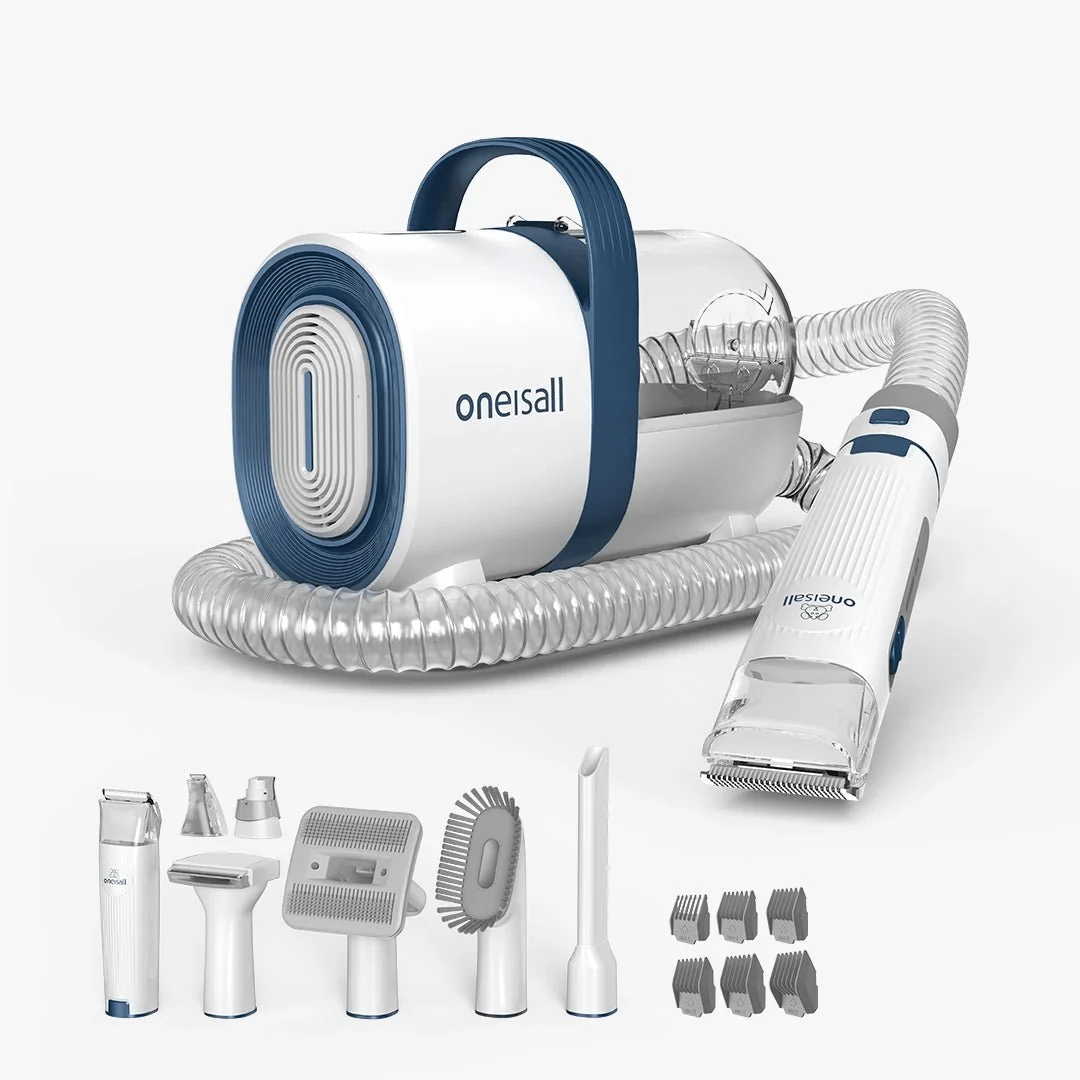
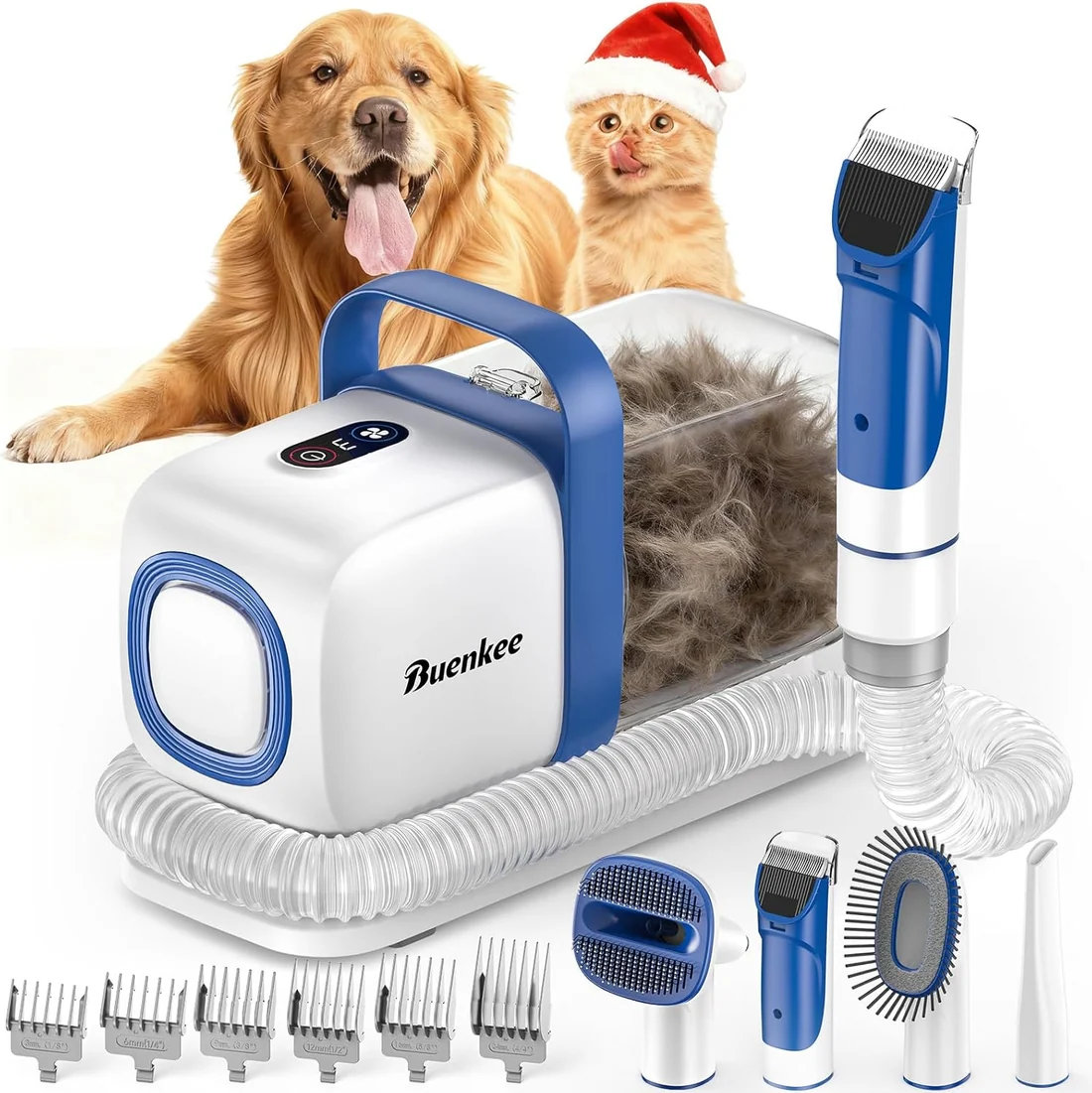
(affiliate link)
Pre-Groom Palpation & Texture Checklist
Run the palpation pass first before the brush comes out of the drawer. The skin under a dense low-shedding coat hides problems that brushing will make worse, and a dog that is already flinching needs a vet visit rather than a grooming session.
- Palpate for lesions and lumps. Run flat palms across the back and the armpits to feel for scabs or any masses the coat is hiding before the pins reach them.
- Check mat tension at the friction zones. Pinch a mat behind the ear or under the front leg. If the skin tents with the mat, stop and address the mat before any brush touches it.
- Smell the ears and the coat. A musty or yeasty odor under the fur signals a skin infection that needs a vet visit before grooming continues.
- Press each paw pad with your thumb. Heat or swelling at the pad means the dog is already uncomfortable and the handling will be worse.
- Scan for redness under thin-coated areas. Inflamed skin at the belly or inner thigh is sensitive to pin contact and needs a lighter stroke than the rest of the coat.
Then run the texture pass while the dog is settled and the brush is still dry.
- Check the armpits and groin. Those are the friction zones where a low-shedding coat felts first.
- Check behind the ears. Trapped moisture and dead hair combine there faster than anywhere else on the dog.
- Check the collar line. The friction from a collar against a low-shedding coat creates a mat that runs the full circumference of the neck.
- Smell the coat. A sour or yeasty odor signals the bacterial or yeast bloom that hides under a felted layer.
- Check the paw pads. Fine low-shedding hair packs between the pads and hides nail length on these breeds.
Never groom a dog with active skin lesions or a fever. Refer to a veterinarian first. The full guides index covers breed-specific coat variations that change how a low shedding dog grooming system should be tuned.
Interlude: The Line Brushing Technique
Line brushing parts the coat horizontally so the slicker works from the skin outward in thin, controlled sections. Following every slicker pass with a steel verification comb confirms zero hidden tangles remain at the base, reinforcing foundational anatomy from our veterinary pet care encyclopedia.
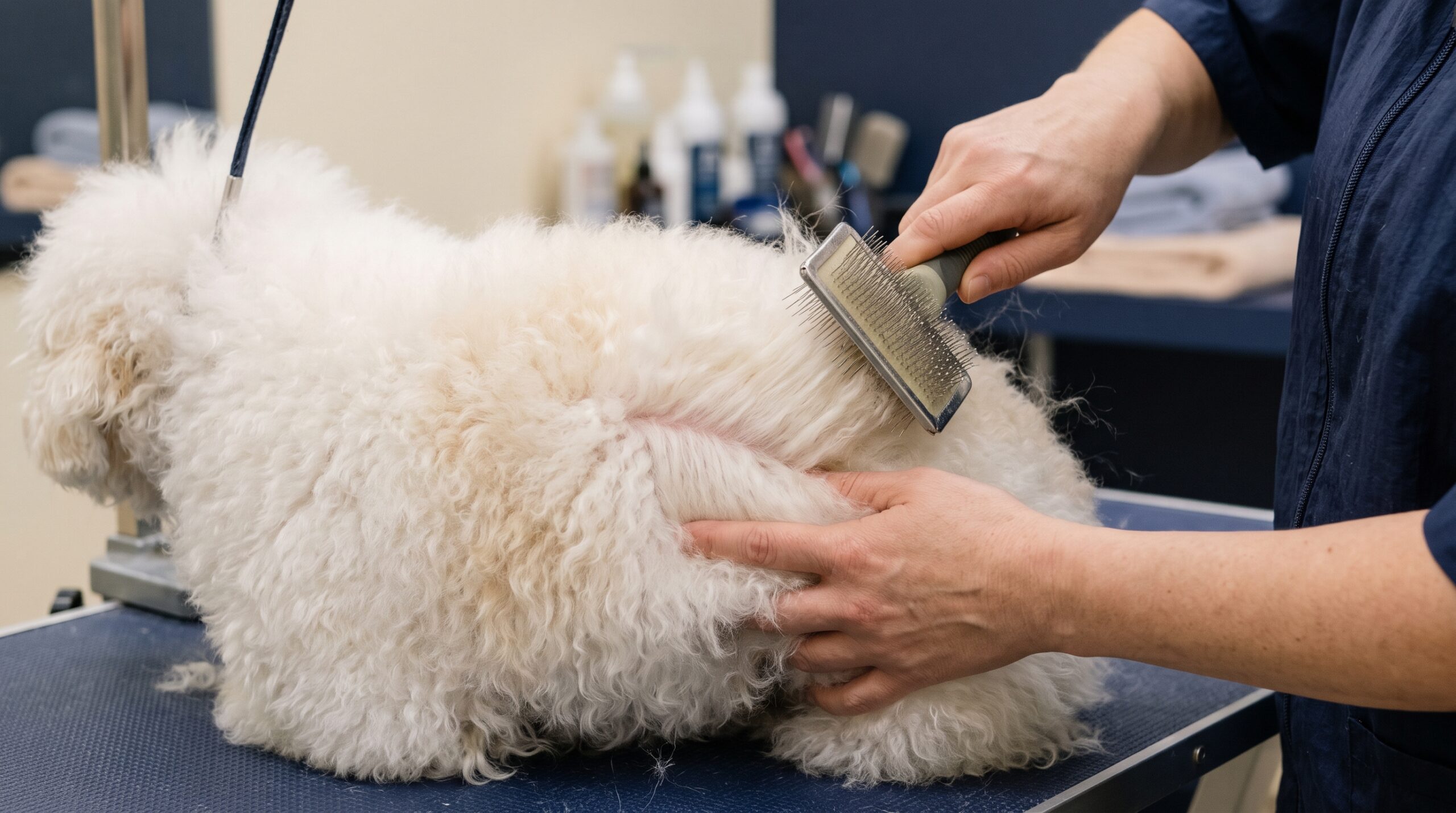
Line brushing is the technique that makes any low shedding dog grooming system work, and it is not what most owners picture when they hear the word brushing. You do not brush the surface of the coat. You part the hair horizontally with one hand and brush from the skin outward in sections that start at the part and work down the coat. The brush never touches the surface of the coat without first passing through the skin layer underneath, because that is where low-shedding mats actually begin.
Work from the back toward the head and the tail in sections roughly the width of the brush head. Each section gets one pass with the slicker to separate the felted hair and one pass with the comb to verify the work reached the skin. That two-tool sequence is the mechanical backbone of any low shedding dog grooming system. The PetMD dog bathing guide covers how line brushing interacts with bath timing so the coat dries flat and the next session starts from a clean base.
Clinical Citations & Vet Disclaimer
The AKC grooming resources and the FCI breed standards describe the low-shedding coat as a continuously growing hair structure with a long anagen phase, not a seasonal drop. That structural difference is why a low shedding dog grooming system has to treat mat prevention as the primary goal, and why tools built for double coats will felt a low-shedding coat against the skin within a single session.
Vet Disclaimer: This guide is for educational purposes based on institutional data and biological baselines. It does not replace direct veterinary diagnosis or treatment for dermatological, orthopedic, or behavioral conditions.
Read more about our editorial standards and our lead author’s credentials.
Related Cluster
Breed anatomy dictates how handlers adjust pin length, clipper blade depth, and brushing cadence within a low-shedding grooming system. Comparing dense curl patterns against finer single coats helps owners tailor daily friction control across Poodles, Bichon Frises, and similar continuous-growth breeds.
Different low-shedding breeds need different low shedding dog grooming system protocols. The breed protocols hub covers coat density and matting risk by breed group. The Poodle breed guide covers the dense curly coat that needs the highest pin density in any low shedding dog grooming system. The Bichon Frise breed guide covers the finer cuticle on that breed and why a soft hand inside a low shedding dog grooming system matters more than any single tool.
Frequently Asked Questions
Written by: PGA Hardware & Equipment Desk
Reviewed by: PGA Editorial Board (Zaheer Aujla, Head of Board) · Six editorial desks · Institutional review standard
Research sources: PetMD, AKC, CFA, WSAVA, AAFCO, veterinary journals
Last updated: 2026-01-15
As an Amazon Associate I earn from qualifying purchases. This article is editorially independent. Not a substitute for veterinary diagnosis.
Do low shedding dogs need to be groomed?
Yes, more than double-coated breeds in many ways. Low-shedding hair stays on the dog instead of dropping to the floor, and trapped dead hair felts against the skin if it is not brushed out. A low shedding dog grooming system runs daily because the coat never gets a natural reset through shedding.
Why does my low shedding dog keep getting mats?
Because the dead hair stays in the coat and weaves into the live hair at the friction zones like the armpits and behind the ears. Surface brushing hides the problem while the mat builds at the skin. Line brushing inside a low shedding dog grooming system is the only technique that reaches the felted layer before it tightens.
Can I use a Furminator on a Poodle?
No. A Furminator is designed to cut through a double coat’s undercoat, and on a Poodle it cuts live hair at the root and leaves patchy regrowth. Any serious low shedding dog grooming system keeps the rake and Furminator out of the kit entirely for Poodles and Bichons.
How often should I bathe a low shedding dog?
Every four to six weeks, and always after a full line-brush pass. Bathing before the mat is removed tightens the felt against the skin, which is the fastest way to turn a manageable tangle into a shave-down inside a low shedding dog grooming system.
Should I shave my low shedding dog in summer?
No, unless a veterinarian has directed it. Post-clipping alopecia is common on these breeds and the exposed skin burns under UV within a single summer afternoon. A low shedding dog grooming system manages heat with a cool-air dryer and a shorter clip rather than a full shave.


The PGA Hardware Desk analyzes and verifies mechanical specifications (SPM, CFM, motor torque, blade metallurgy) against biological and veterinary baselines. We do not accept payment for positive reviews. Our recommendations are derived from a synthesis of manufacturer technical data, veterinary ergonomics, and aggregated professional user experiences.