Written by: PGA Hardware & Equipment Desk
Reviewed by: PGA Editorial Board (Zaheer Aujla, Head of Board) · Six editorial desks · Institutional review standard
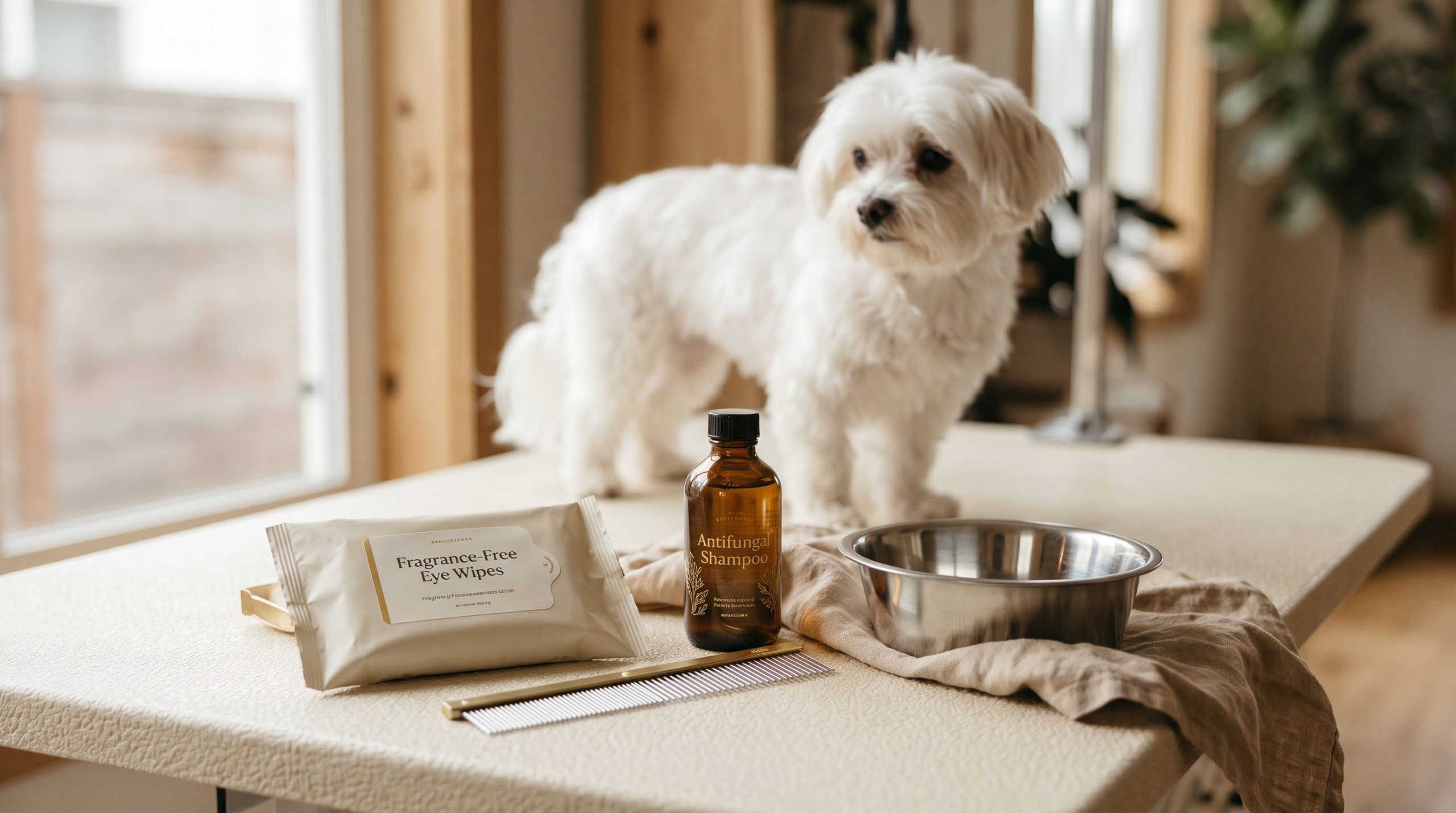
Tear stain removal starts with a fact most owners never hear, because a tear stain is a biological symptom and not a hygiene failure. The reddish-brown stain is caused by porphyrins, natural pigments in tears and saliva that turn dark when exposed to air and light. When a dog’s eyes water constantly, that moisture traps between the fur and the skin. A warm, damp pocket forms against the epidermis, and Malassezia yeast thrives in exactly that environment. The visible stain is the last stage of tear stain removal, not the first, and any honest protocol for common canine dermatological and grooming problems has to address the moisture and the yeast underneath the discoloration. Wiping the surface without controlling the moisture just moves the same problem onto a fresh patch of fur the next morning.
Quick Match: Symptom to Intervention
Daily tear stain control depends on matching the primary clinical symptom to a gentle moisture-management intervention rather than using harsh bleaching agents. Fragrance-free wipes clear fresh porphyrins, rounded combs lift hardened crusts, diluted antifungal cleansers resolve Malassezia yeast, and shallow stainless bowls prevent repeated facial wetting during drinking.
A tear stain removal protocol is a moisture-control kit, not a bleaching treatment. It pairs a fragrance-free eye wipe with a fine-tooth metal comb, an antifungal shampoo for the yeasty smell that follows chronic wetness, a cool-air dryer to finish the fur, and a shallow stainless steel bowl. The goal is to interrupt the porphyrin oxidation cycle before the stain sets while treating the yeast that turns a cosmetic discoloration into a skin problem. Owners who build a tear stain removal routine around moisture control report lighter stains on the fur, with fewer flare-ups after boarding or seasonal allergies. Tear stain removal treats the eye area as sensitive skin first and a cosmetic surface second.
Differential Diagnosis for Tear Stains
Chronic periocular staining reflects underlying epiphora rather than poor coat hygiene, requiring veterinary evaluation before cosmetic maintenance begins. Anatomical causes such as nasolacrimal duct obstruction, distichiasis, or entropion increase tear overflow, creating warm epidermal folds where porphyrin oxidation and secondary Malassezia or bacterial pyoderma rapidly colonize.
Veterinary ophthalmology treats epiphora, the medical term for chronic tearing, as a symptom rather than a diagnosis, and that distinction is the foundation of any honest tear stain removal protocol. A blocked tear duct or an inward-rolling eyelid can push tear volume past what the drainage system handles. The stain is cosmetic. The eye underneath it is medical. A routine that skips the eye exam and goes straight to the wipe is treating the symptom and ignoring the cause.
The AKC grooming resources describe the stain as a combination of porphyrin pigment and secondary microbial overgrowth, which is why the smell that accompanies a bad stain is different from the smell of a clean dog. Chronic moisture under the eye creates the warm, damp environment where skin fold pyoderma and Malassezia both take hold. A routine that only addresses the fur never touches the skin underneath it, and the cycle restarts within days. The tear stain problem guide covers the underlying ocular causes in more detail.
The core dog grooming guide establishes the base cadence for coat care. The eye-area variation in tear stain removal reduces pressure and increases frequency, because the skin around the eye is the thinnest on the body and the stain returns faster than any other grooming problem. That is the institutional frame this protocol rests on: gentle and daily beats harsh and occasional every single time.
Root Cause and Intervention Ladder
Effective tear stain intervention follows a sequential moisture-control ladder engineered to protect the thin periocular epidermis and cornea. Each step pairs safe mechanical or topical action with low-irritation tools, moving from twice-daily outward wiping and crust separation to targeted antifungal cleansing, ambient-air drying, and hygienic stainless steel hydration.
Each tool category inside a tear stain removal protocol is a moisture-control decision. The question is not which product bleaches the stain fastest. The question is which product reduces the wetness under the eye without damaging the skin or the cornea. Each section below names the biological risk and the tier logic that matches it, so every purchase gets made on ocular safety rather than on cosmetic claims.
3.1 Wipes & Cleansers (The Daily Maintenance)
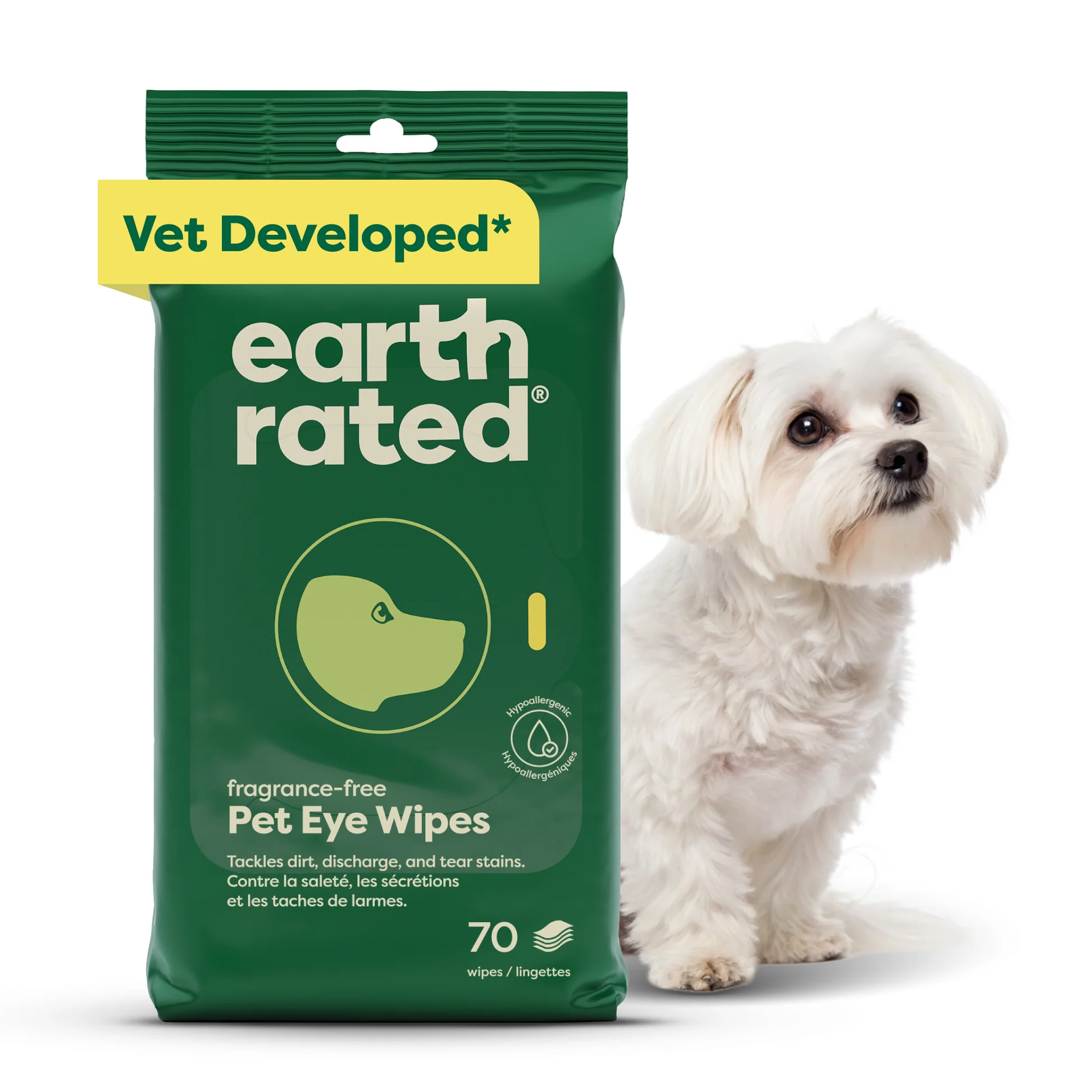
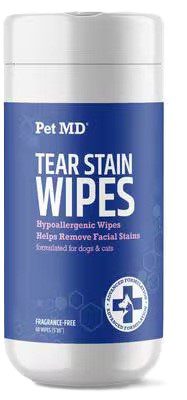
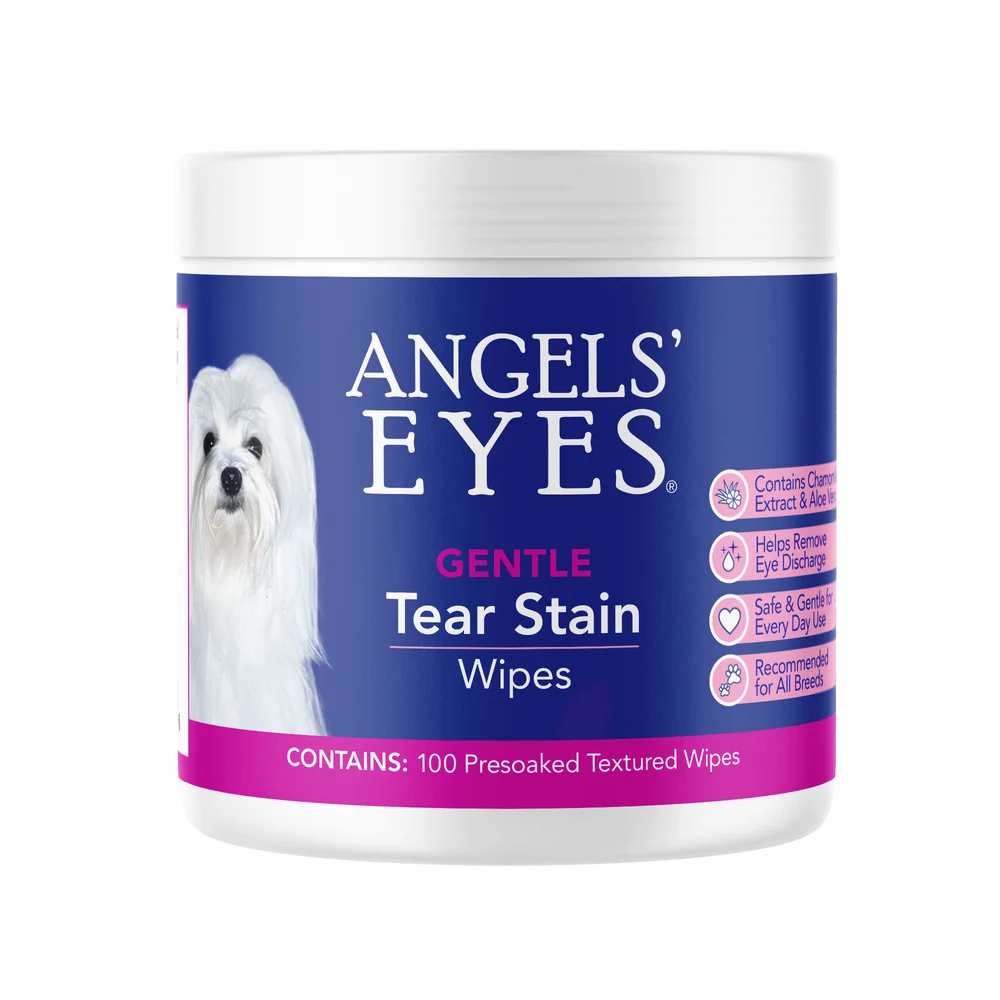
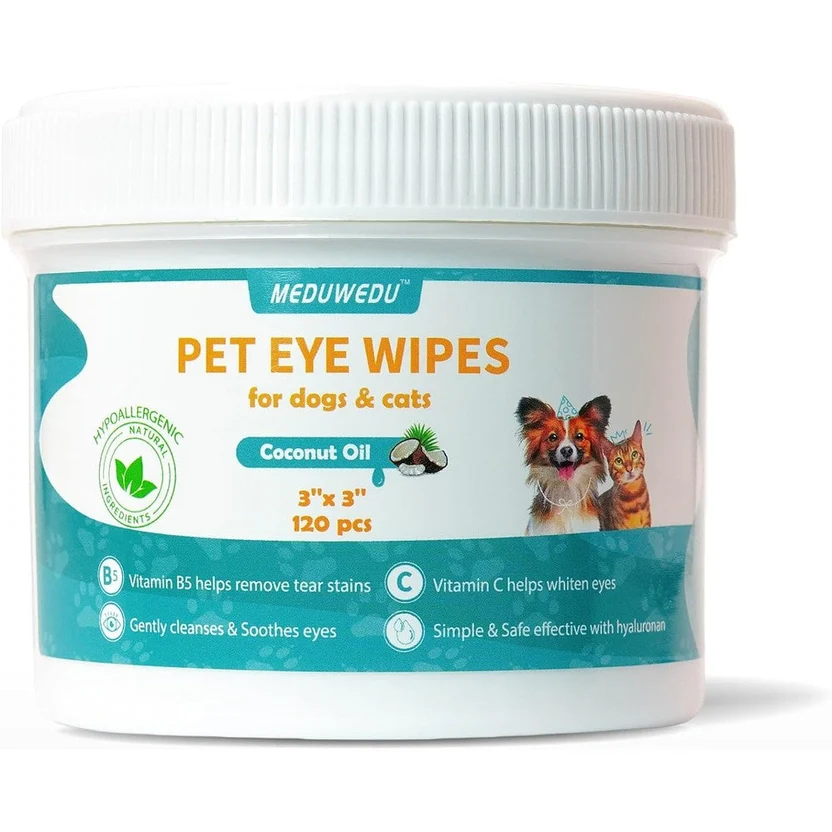
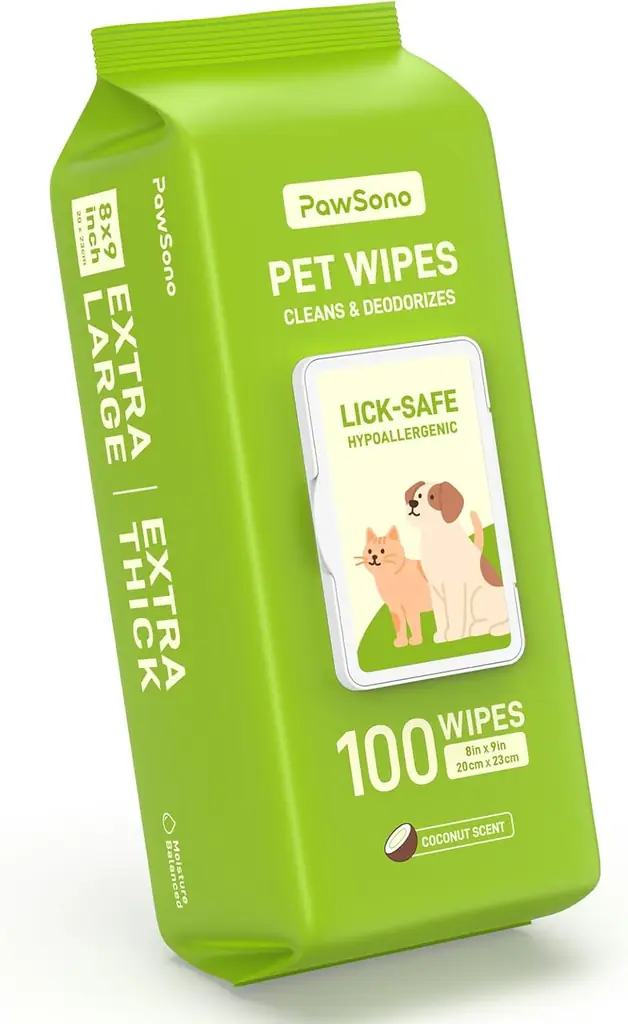
The eye area is the most sensitive skin on a dog, and inside any tear stain removal routine the daily wipe is the single most important step. Porphyrins oxidize over hours. Wiping twice a day removes the pigment before it binds to the fur and before it stains, which means the fur never gets the chance to turn brown in the first place. Human baby wipes are the wrong tool for this job because they contain synthetic alcohols and perfumes that sting the eye and dry the skin. The wipe has to be hypoallergenic and gentle enough to use on the eyelid margin. If you choose a scented wipe, ensure the scent is derived from natural extracts like coconut, not synthetic fragrance, and monitor the skin for any reaction. Direction matters as much as product. The wipe moves from the inside corner outward, away from the tear duct, so bacteria do not get pushed back into the drainage system. Every tier below in tear stain removal is judged by fragrance-free formulation and by how softly the wipe travels across the eyelid.
3.2 Brushes (The Matte Prevention)
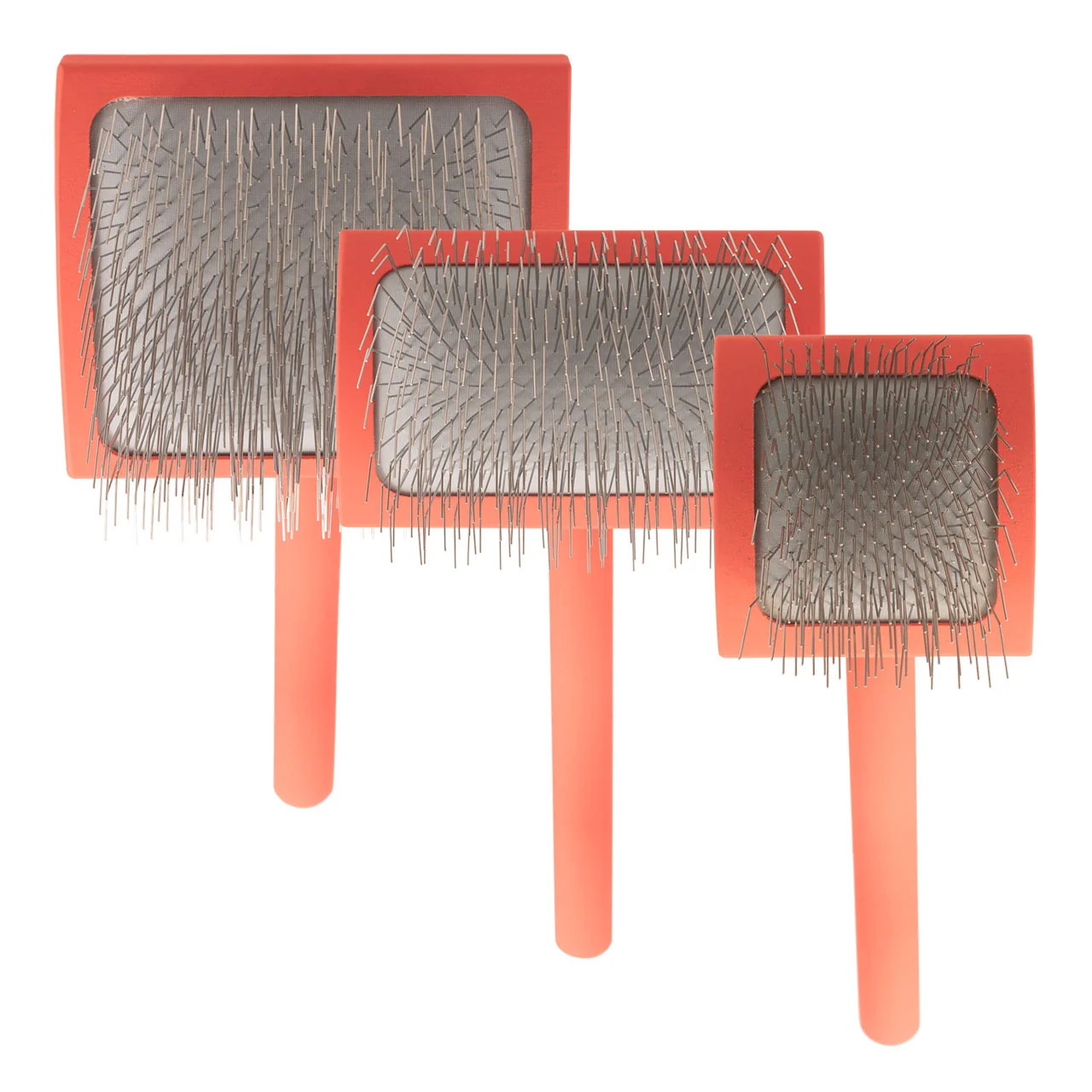
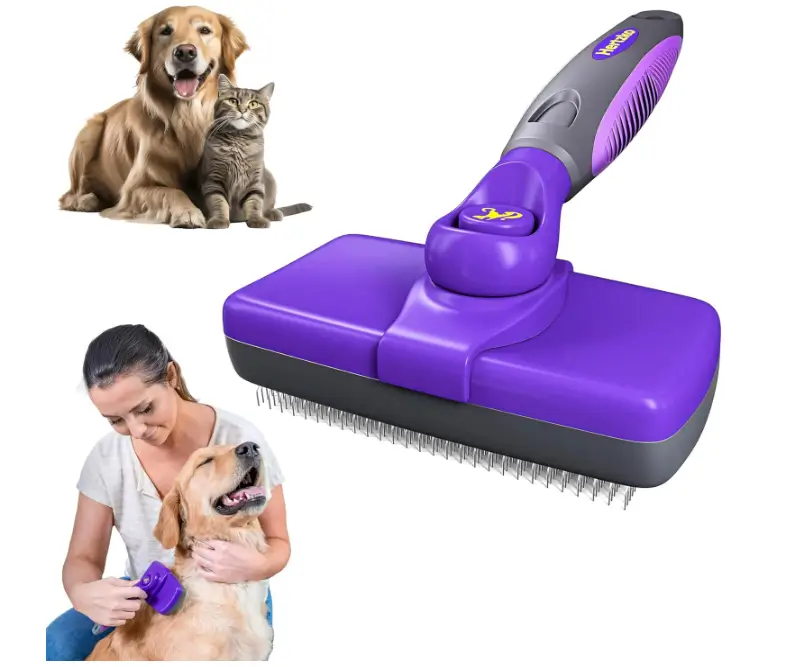
Hardened tear stains bind the hair into tiny mats directly under the eye, and those mats have to come apart before the skin underneath them can breathe. A soft slicker brush is the right tool because it can break the mat apart without pulling at the eyelid, following the same gentle principles used for managing localized coat matting around sensitive areas. A stiff brush will scratch the cornea if the dog moves at the wrong moment, and the margin between the eye and the mat is measured in millimeters. The motion is a gentle lift from underneath, never a downward drag across the eye. The biological goal of tear stain removal is to separate the matted fur so air and product can reach the skin, without ever touching the globe itself. Owners who skip the brush and go straight to the shampoo end up trapping moisture inside the mat, which is the exact condition that produced the stain in the first place.
3.3 Shampoos (The Yeast Treatment)
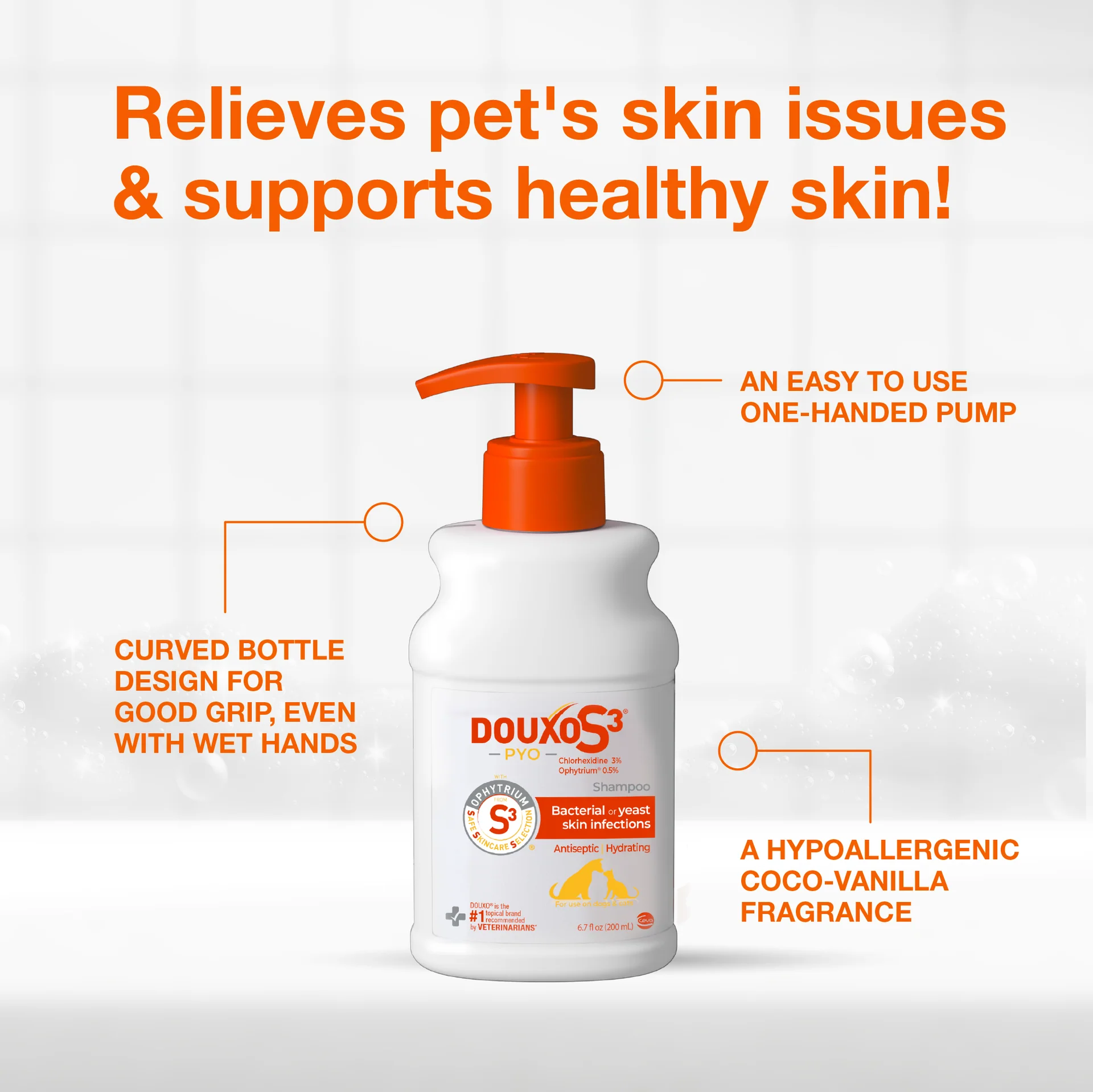
The reddish-brown stain is often accompanied by a musty, yeasty smell, and that smell is the signal that Malassezia has taken hold on the skin under the eye. A tear stain removal protocol that skips this step wipes the surface while the colony regrows underneath. A gentle antifungal shampoo is required, but it has to be used carefully around the eye because the same ingredients that treat the skin will sting if they reach the cornea. The technique is a small amount of diluted shampoo on a washcloth, worked into the fur under the eye, then rinsed clean with a damp cloth that stays below the lid line. Douxo S3 PYO uses a pH-adjusted formula with phytosphingosine, which rebuilds the lipid barrier while treating the yeast. That combination matters more around the eye than on the body, aligning with protocols for dogs with reactive sensitive skin. The skin there is thinner and more reactive. Every routine that includes shampoo has to treat the eye area as a separate, gentler zone than the rest of the face.
3.4 Water Bowls (The Environmental Fix)
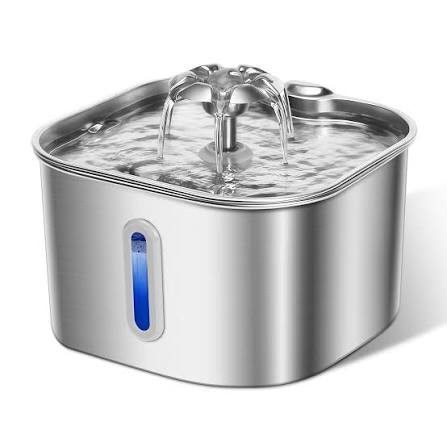
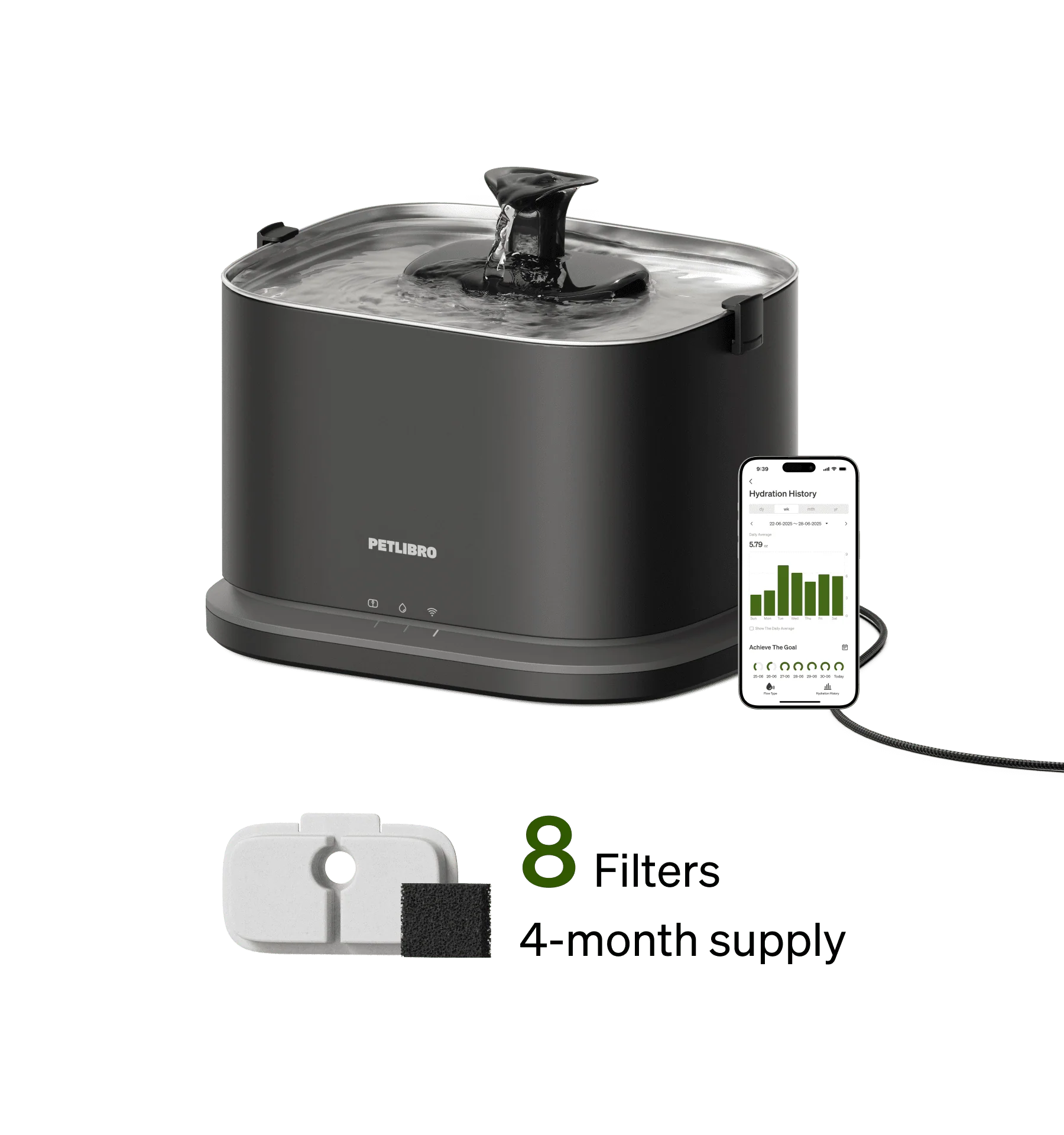
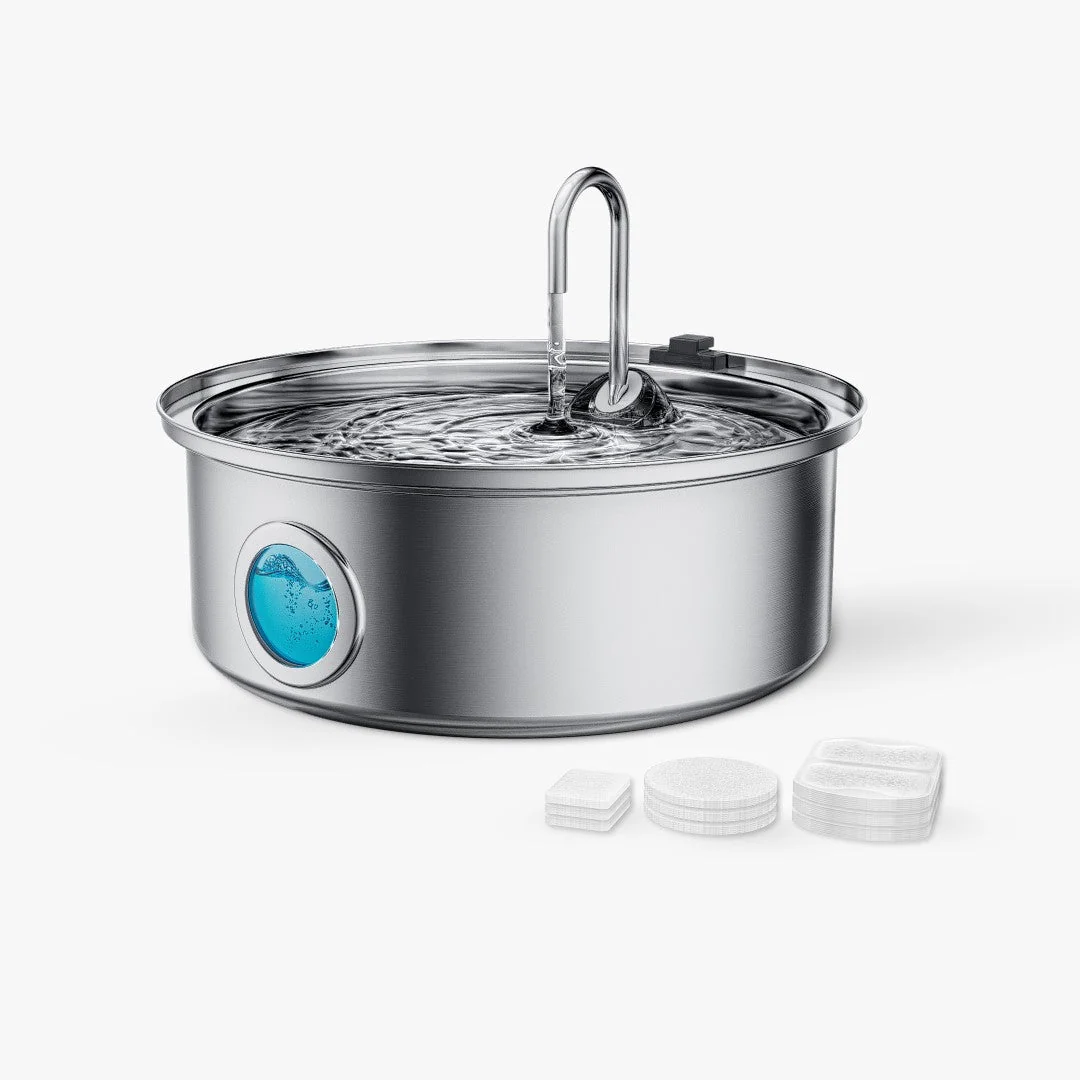
The shape of the water bowl decides how wet a dog’s face gets at every drink, and that makes it a genuine part of any tear stain removal protocol even though it is not a grooming tool. Deep bowls force the dog to plunge its entire snout into the water, and moisture wicks up the face from the muzzle to the eye area with every lap. A shallow, wide bowl keeps the water at the surface and reduces facial wetness without limiting how much the dog drinks. Stainless steel is the right material because it does not harbor bacteria the way scratched plastic does, whether you use a shallow bowl or a filtered fountain. A plastic bowl that has been sitting in the kitchen for two years is a reservoir that keeps reinfecting the face after every wipe. If you choose a fountain, ensure it has a wide, shallow drinking tray so the dog does not plunge its entire snout into the water. The biological goal is to remove the moisture source, not just the moisture, because a dog that gets its face soaked three times a day will outrun any wipe routine on the market.
| Product Image | Product Name | Primary Button / Our Rating |
|---|---|---|
Alternative Pick |
| |
Top Tier |
| |
Pro Grade |
| |
Top Tier |
|

3.5 Dryers (The Post-Wipe Drying Step)
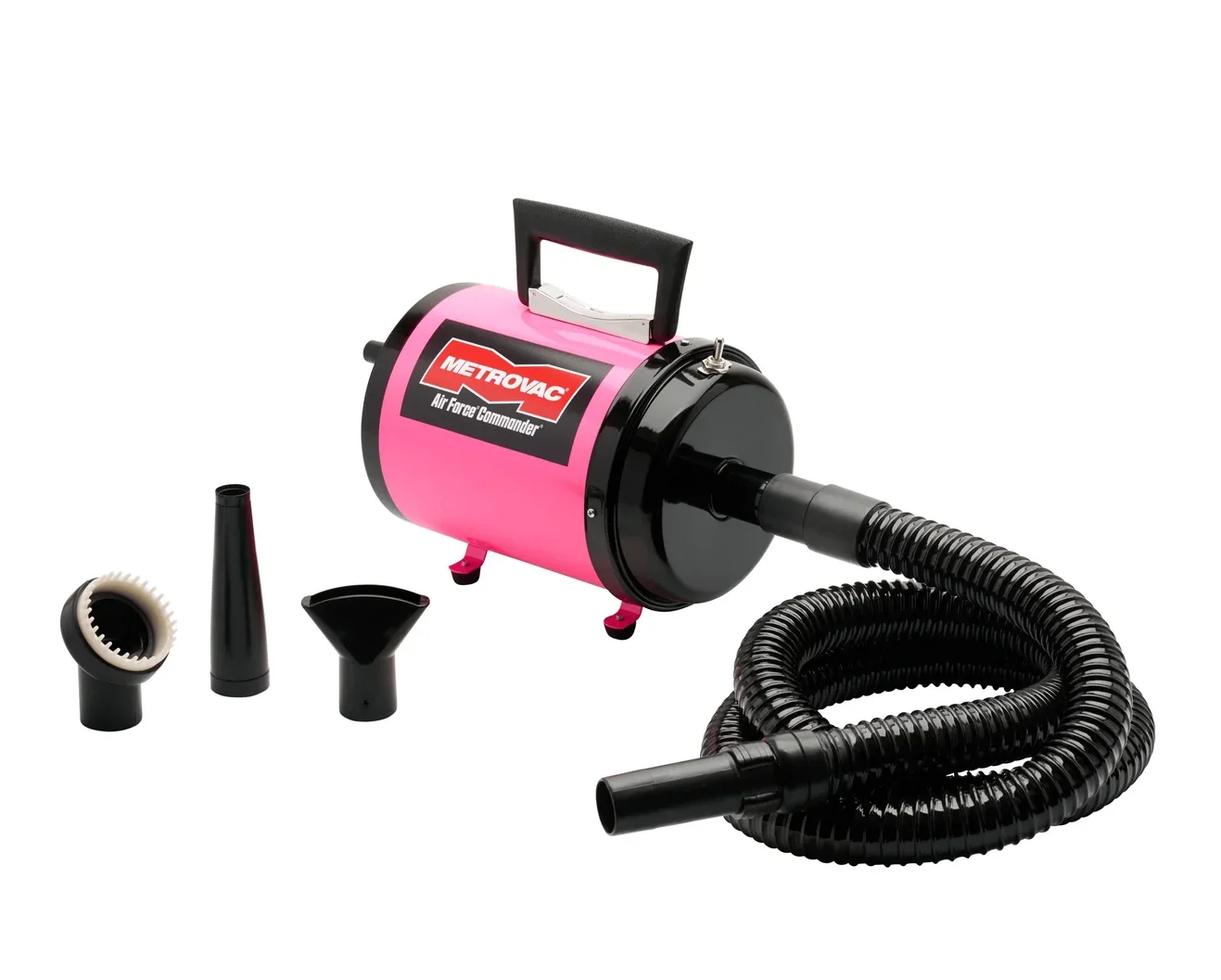
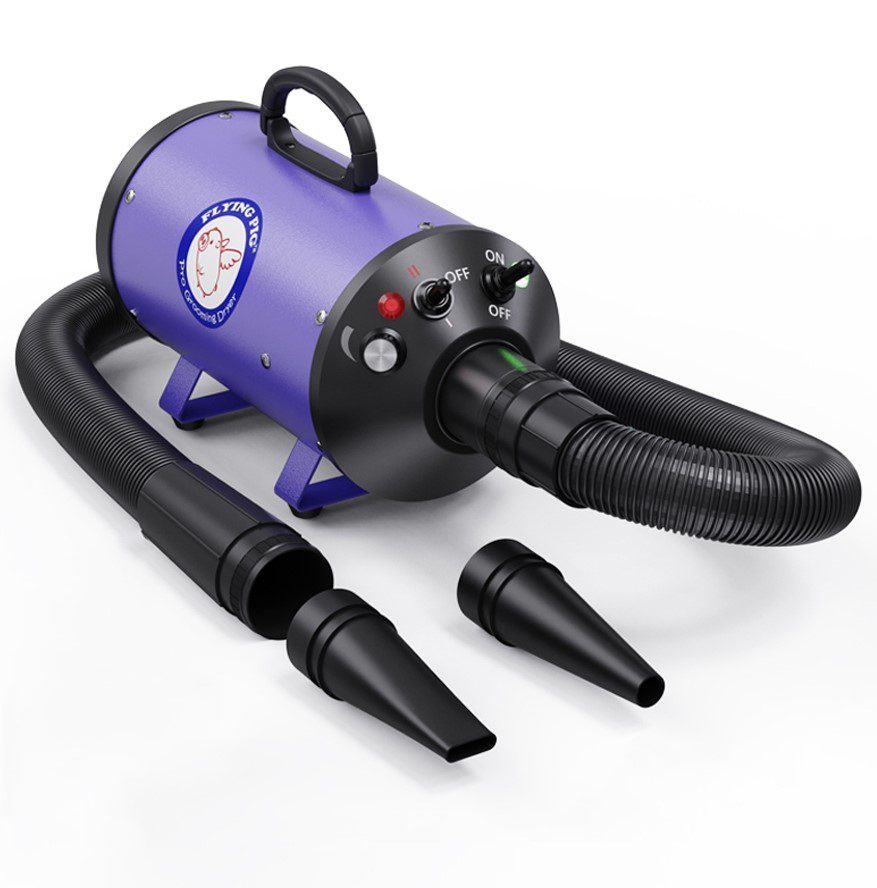
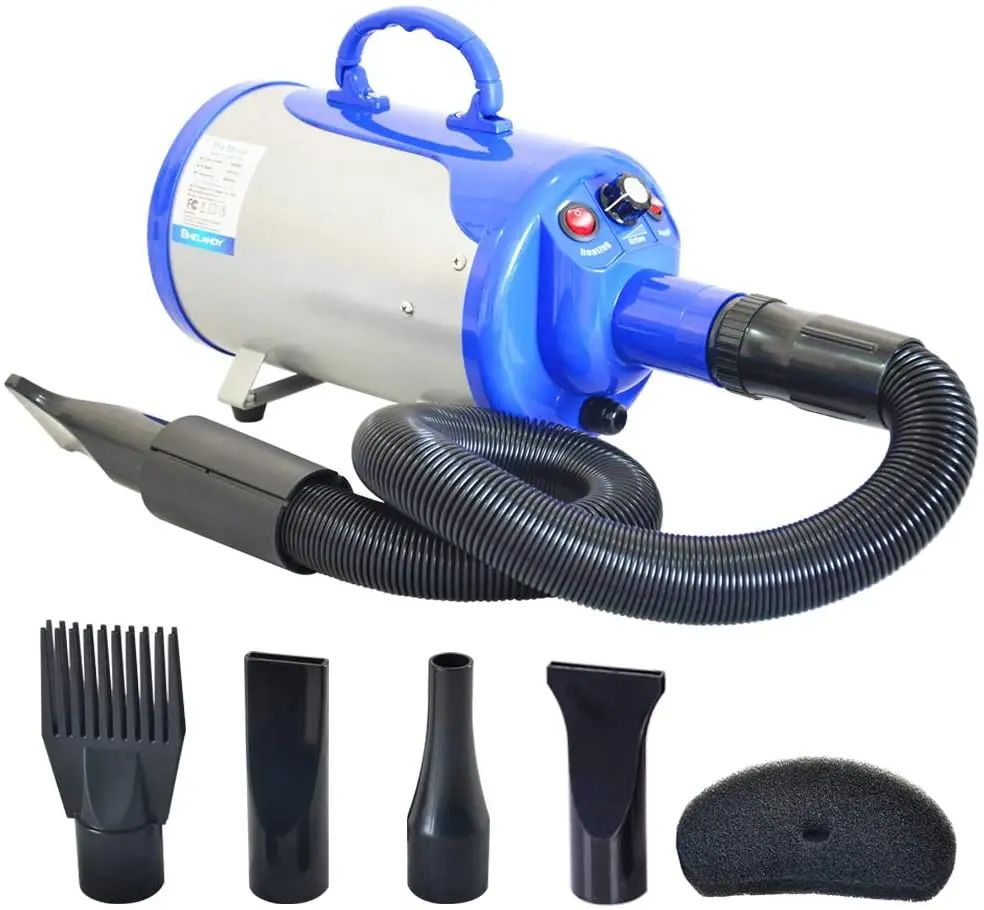
A wipe removes the pigment, but if the fur stays damp the moisture feeds the next round of yeast before the day is over, and that is why a dryer belongs in the same tear stain removal kit as the wipe. The eye area needs ambient-temperature airflow, not heat. Canine skin around the orbit is thin and burns at a lower threshold than skin on the body, as documented in the canine epidermal barrier thickness reference matrix, so a heat-based dryer can inflame the exact patch the protocol is trying to calm. Cool-air velocity strips moisture from the fur without raising skin temperature, which dries the under-eye zone in seconds rather than letting it air dry against the skin. The dryer is also useful for the mats that come apart after a wipe. High velocity at a low setting separates the fur while it dries so the strands do not clump back together. Every tier below in tear stain removal is judged by temperature control and by how gently the airflow lands near the eye, not by raw CFM.
| Product Image | Product Name | Verified Spec | Primary Button / Our Rating |
|---|---|---|---|
Pro Tier: Lifetime Warranty |
|
| |
Mid Tier: Steel Shell Power |
|
| |
Budget Tier: High CFM Value |
|
|
3.6 Combs (The Fine Detail Work)
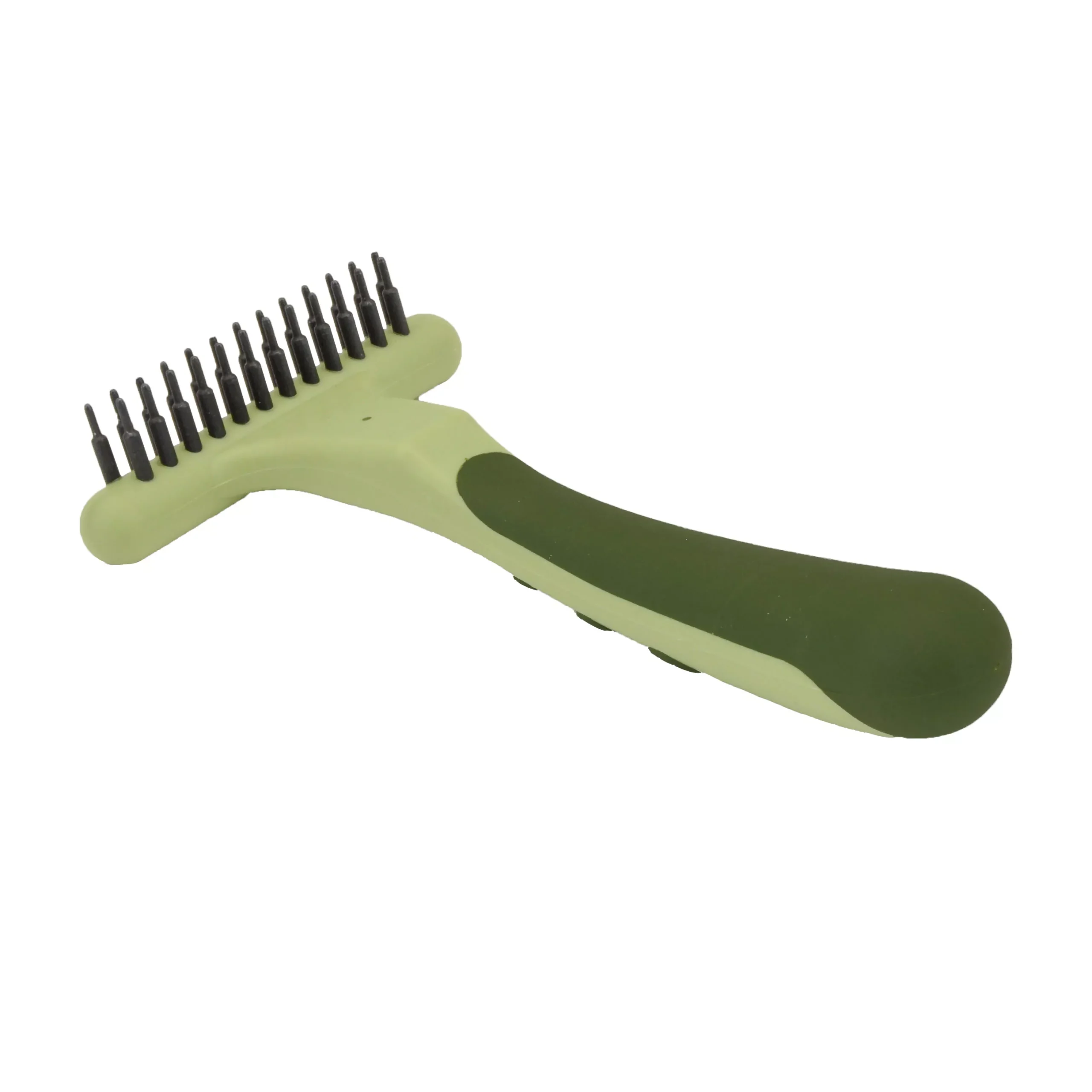
A slicker reaches the mats that lift away from the skin, but the tiny hardened clumps directly under the eye need a fine-tooth metal comb to come apart without scraping the lid. The comb teeth slide under the mat at the skin line and lift the clump away from the eye in one controlled motion. A brush pushes the mat toward the globe. A comb pulls it away. That difference matters when the fur is touching the eyelid margin and any wrong movement is a corneal scratch waiting to happen. The comb is also the tool that lets you check the skin underneath the stain during tear stain removal. If the comb passes through cleanly, the fur is workable. If the comb snags, the mat needs more time with the wipe and the dryer before any combing continues. Every tier below is judged by tooth spacing and by how rounded the tips are, because a sharp tooth near the eye is a worse tool than no tool at all.
| Product Image | Product Name | Verified Spec | Primary Button / Our Rating |
|---|---|---|---|
Pro Tier: Zero Abrasion |
|
| |
Mid Tier: Easy Clean |
|
| |
Budget Tier: Deshedding |
|
|
Escalation Path and Prevention
Structured tear stain management begins with a veterinary ophthalmic examination to rule out structural drainage defects before investing in daily grooming hardware. Once medical pathology is excluded, consistent twice-daily wiping and shallow water bowls control baseline moisture, while combs, cool-air dryers, and antifungal washes address secondary flare-ups.
A tear stain removal protocol starts with a decision most owners skip: rule out the medical causes before spending on the cosmetic tools. The highest-value investment is a vet visit to check the tear ducts and the eyelids, because a blocked duct or an entropion will keep producing tears no matter how often you wipe. After that diagnosis is ruled out, a daily wipe routine and a shallow bowl do most of the work. The comb and the dryer handle the secondary problems that build up when moisture control slips for a few days, and the shampoo handles the yeast that the moisture feeds. Compare eye-care products at our verified pet grooming product reviews hub before committing to a full kit, because the wipe is the one place where spending a little more for a fragrance-free formula pays off immediately.
| Product Image | Product Name | Primary Button / Our Rating |
|---|---|---|
Pro Grade |
| |
Pro Grade |
| |
Top Tier |
| |
Top Tier |
| |
Alternative Pick |
|
Sensory Check: Brushless vs. Rotary Motors
Acoustic and tactile stability determine whether a dog tolerates powered grooming tools near the sensitive orbital margin. Brushless motors eliminate high-frequency carbon brush whine and maintain steady rotational speed, while larger low-RPM impellers reduce sharp airflow pitch and hand vibration so handlers keep light, controlled periocular contact.
Motor type usually decides what a dog hears and feels inside a grooming session, and even in tear stain removal the motor noise matters because a dog that is already defensive about its face will flinch at any unexpected sound. Brushless motors eliminate the carbon brush contact that produces the buzzing hum on cheaper cordless units, and they hold a steadier speed as the battery drains. Rotary motors trade a little weight for torque that does not sag under load. Pivot motors sit at the bottom of the price ladder and whine noticeably under load. That whine is audible. It is also the moment a dog that is already sensitive about its face decides the whole session is a threat.
Noise behaves the same way across clippers and dryers used near the face. A larger impeller turning at lower revolutions moves the same air volume with less high-frequency whine than a small unit spinning fast. That whine, not the raw airflow, is what most dogs react to first. Verify any decibel figure against the manufacturer’s own listing, because measurement distance and method change the number. Vibration travels through the hand as much as the ear, and a motor that passes less vibration into the palm lets the user keep contact light and brief around the eye, which is the only way any tear stain removal routine stays safe on a moving dog.
| Product Image | Product Name | Verified Spec | Primary Button / Our Rating |
|---|---|---|---|
Pro Tier: Zero Abrasion |
|
| |
Mid Tier: Easy Clean |
|
| |
Budget Tier: Deshedding |
|
|
Clinical Contraindications
Periocular grooming carries strict clinical boundaries because the canine cornea and thin eyelid skin suffer rapid injury from inappropriate household remedies. Owners must avoid human ophthalmic drops, chemical bleaches, cornstarch powders, and scratched plastic bowls, while halting home care immediately if acute squinting or purulent discharge appears.
Never use human eye drops on a dog without a vet’s approval. The pH and preservatives that are safe in a human eye can damage the canine cornea, and the damage is not always visible until the dog is squinting. Never use bleach or any harsh chemical to remove a tear stain. They burn the skin around the eye and can cause blindness if any of it reaches the surface of the globe. Never ignore a sudden increase in tearing. A spike in tear volume can be the first sign of underlying canine ocular and dermatological health conditions such as a corneal ulcer, and a routine that keeps wiping over an ulcer makes the injury worse. Never use plastic bowls. Scratched plastic is a breeding ground for the same bacteria and yeast that keep the stain coming back, and the fix costs less than a single vet visit. Never use cornstarch or baby powder to dry the area. Both are fine particulate that drifts into the eye and causes irritation at the exact spot the protocol is trying to protect. The AVMA veterinary literature documents ocular surface damage and periocular dermatitis from inappropriate home treatments as real outcomes, not cosmetic preferences. Every one of these tear stain removal contraindications exists because the eye does not tolerate a second mistake, and the cost of correcting the damage lands in ophthalmology care.
Pre-Groom Eye Checklist
A structured pre-groom inspection prevents mechanical trauma to an already compromised eye before any wipe or comb touches the face. Evaluating corneal clarity, discharge color, sub-orbital odor, hair matting, and water bowl geometry ensures active infections or structural triggers receive prompt veterinary care rather than topical wiping.
- Check the eye itself. Red or cloudy means stop and call the vet before any tear stain removal step begins.
- Check the discharge. Yellow or green discharge signals infection, not the porphyrin staining this protocol addresses.
- Smell the area. A musty smell under the eye means yeast, and the wipe alone will not resolve it.
- Check the hair under the eye. Matted fur traps moisture against the skin and needs to come apart before the next wipe.
- Check the water bowl. A deep bowl keeps wetting the face at every drink and undercuts the whole routine.
Never groom a dog with a visible eye injury or excessive green discharge. Refer to a veterinarian first. The foundational pet care and grooming guides hub covers breed-specific eye-area variations that change how tear stain removal should be tuned.
| Product Image | Product Name | Verified Spec | Primary Button / Our Rating |
|---|---|---|---|
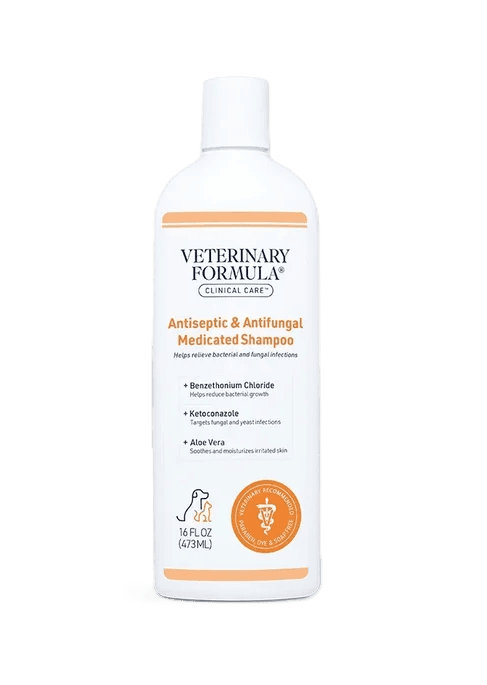
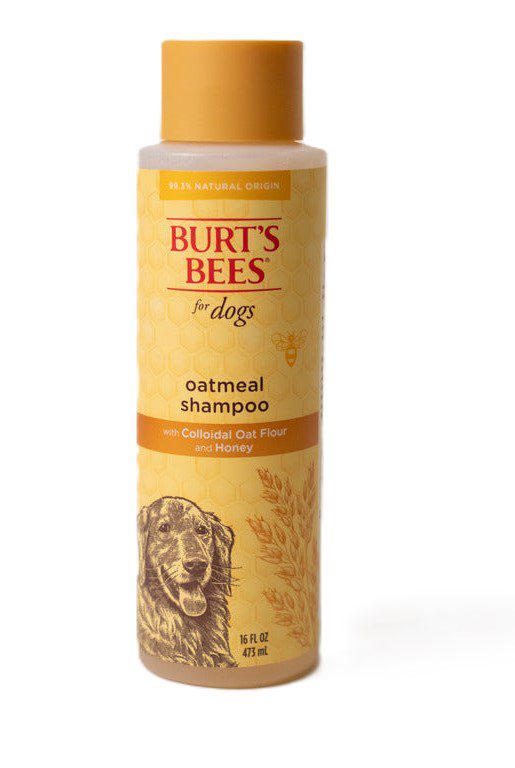
Pro Tier: Prescription-Strength Antiseptic |
|
| |
Mid Tier: OTC Medicated |
|
| |
Budget Tier: Barrier-Safe Maintenance |
|
|
Interlude: The Wipe Technique
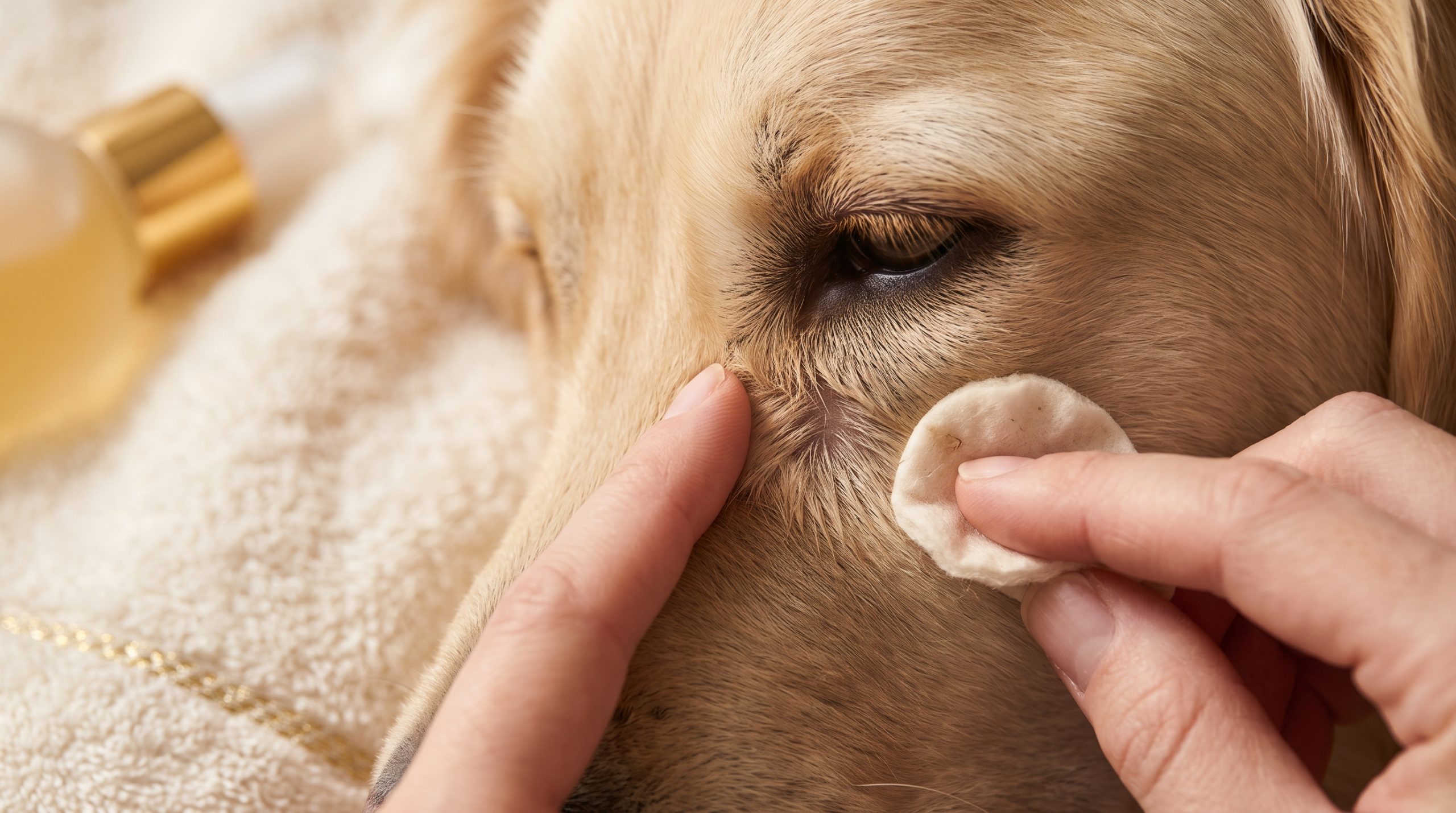
Proper wiping technique prevents cross-contamination between eyes and avoids forcing surface debris into the nasolacrimal puncta. Using a separate hypoallergenic wipe per eye in a single gentle pass from the medial canthus outward, followed immediately by cool-air drying, interrupts porphyrin binding without irritating fragile eyelid margins.
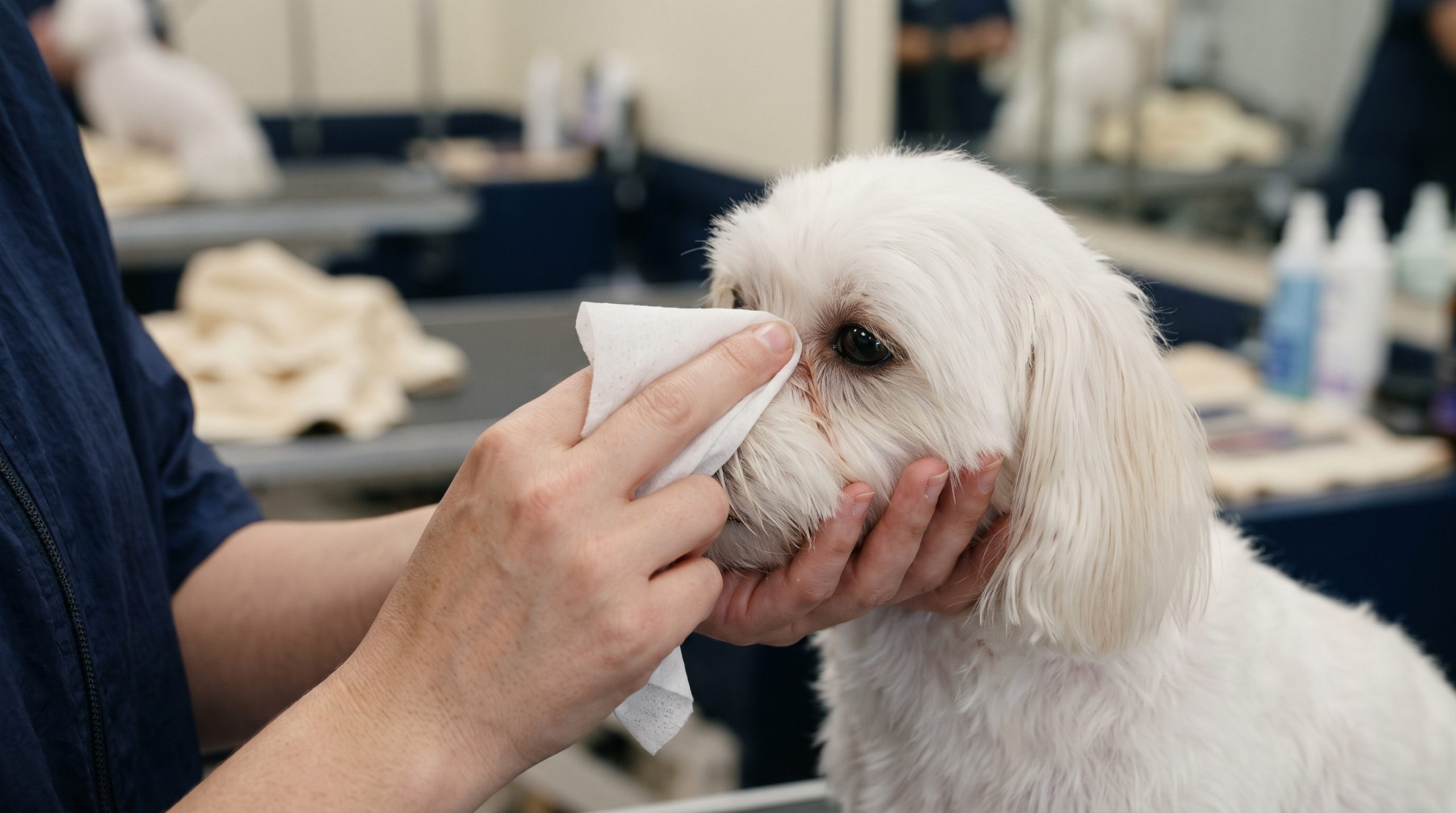
The wipe is the smallest step in tear stain removal and the one that most often goes wrong. Use a separate wipe for each eye so bacteria from one side never crosses to the other. Start at the inside corner and wipe outward, away from the tear duct, because the duct is the drainage system and pushing debris back into it is how a low-grade infection starts. The motion is one clean pass per side. Do not scrub. Do not press. One clean pass per wipe.
Pat the area dry after wiping, or run a cool-air dryer across the fur for a few seconds to finish the job. That last step matters more than most owners realize, because the whole tear stain removal protocol is built on moisture control and leaving the fur damp undoes the wipe. The PetMD dog bathing guide covers how to sequence the eye-area wipe around a bath so the fur dries clean and the next stain cycle starts from a dry base.
On the grooming table, a light two-finger rest under the chin keeps a squirming Maltese or Shih Tzu still for the three seconds it takes to make one clean outward pass without risking a sudden head turn toward the wipe.
Clinical Citations & Vet Disclaimer
The AKC grooming resources describe epiphora and the resulting staining as a symptom that requires an ocular exam before cosmetic treatment. Porphyrin oxidation is what produces the visible stain, but the moisture that feeds the secondary yeast overgrowth is the actual driver, and protocols that skip the eye exam risk masking an underlying condition.
Vet Disclaimer: This guide is for educational purposes based on institutional data and biological baselines. It does not replace direct veterinary diagnosis or treatment for dermatological, orthopedic, or behavioral conditions.
Read more about our editorial standards and our lead author’s credentials.
Related Cluster
Breed facial anatomy, orbital depth, and coat texture strongly influence daily tear overflow and porphyrin accumulation around the eyes. Exploring breed-specific grooming protocols and dedicated problem guides helps owners calibrate wiping frequency, tool selection, and veterinary screening intervals to their dog’s exact structural risk profile.
Different breeds produce different tear stain removal challenges. The breed protocols hub covers eye shape and epiphora risk by breed group. The tear stain problem guide covers the underlying ocular causes beyond grooming neglect. The Maltese breed guide covers the white coat and shallow eye socket that make tear stain removal a daily routine on silky-coated breeds prone to periocular staining, as detailed in our veterinary dermatology and grooming pet encyclopedia.
Frequently Asked Questions
Can I use human eye drops on my dog?
No. The pH and preservatives in human eye drops are calibrated for the human cornea, and on a dog they can cause irritation or damage. Any product that goes into the eye needs a veterinarian’s approval first, and plain saline is the only safe home substitute in the meantime.
Why do white dogs get tear stains more than black dogs?
White coats show the porphyrin pigment because there is no dark pigment to mask it. Black and brown dogs get the same porphyrin oxidation and the same moisture-driven yeast, but the stain blends into the coat. The problem is visible on white breeds, not biologically different.
Are tear stain removers safe for puppies?
Fragrance-free wipes are safe on puppies, but medicated removers are not. A puppy’s eye is still developing and the corneal surface is more permeable than an adult’s. Keep tear stain removal on puppies limited to daily wiping and a shallow bowl until the vet clears anything stronger.
Does changing my dog’s food stop tear stains?
Sometimes, if the stain is driven by a food allergy that keeps the eyes watering. Food changes do nothing when the cause is a blocked tear duct or an anatomical eyelid problem, so the protocol should start with a vet exam that rules those out before any diet trial begins.
Why does my dog’s tear stain smell bad?
A musty smell under the eye means Malassezia yeast has colonized the damp fur. That is why tear stain removal includes an antifungal shampoo step and not just a wipe. Wiping alone leaves the colony in place, and the smell returns the next morning.


The PGA Hardware Desk analyzes and verifies mechanical specifications (SPM, CFM, motor torque, blade metallurgy) against biological and veterinary baselines. We do not accept payment for positive reviews. Our recommendations are derived from a synthesis of manufacturer technical data, veterinary ergonomics, and aggregated professional user experiences.