Written by: PGA Hardware & Equipment Desk
Reviewed by: PGA Editorial Board (Zaheer Aujla, Head of Board) · Six editorial desks · Institutional review standard
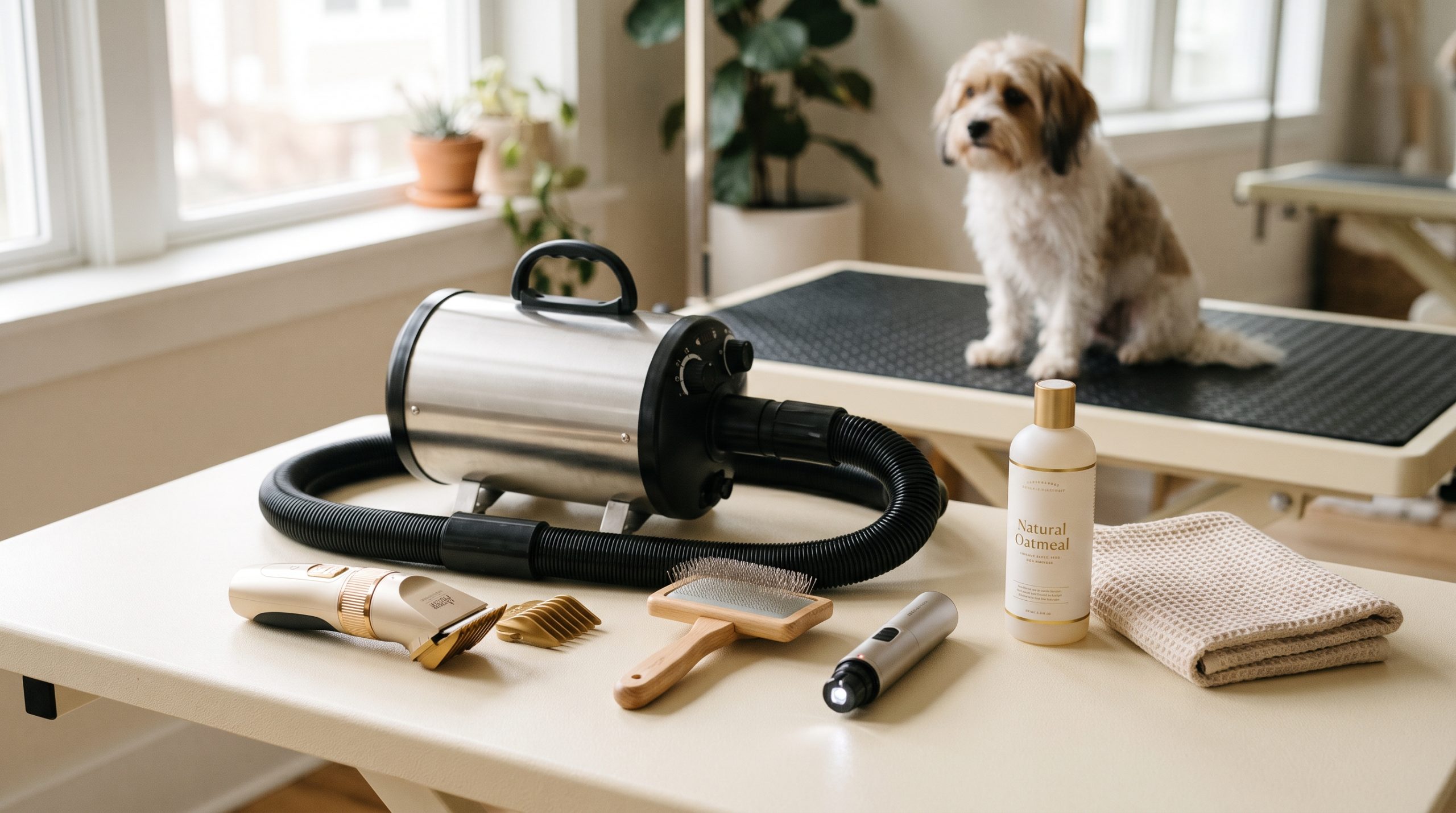
Anxious dog grooming starts with a neurochemical fact most owners never learn, and it changes how every tool in the kit gets chosen. Anxiety during grooming is not a behavioral flaw, as documented across our canine behavioral and grooming problem guides. It is a neurochemical flood. When a dog hears a loud clipper or feels the vibration of a dryer, its amygdala triggers the HPA axis and floods the bloodstream with cortisol and adrenaline. Once that happens, the dog is no longer learning. It is surviving. The biological goal of anxious dog grooming is to keep the dog below its panic threshold. That means controlling the sensory inputs, which come down to decibels and to vibration frequency that travels through the floor before the sound even registers. None of that can be fixed with praise or patience alone. It has to come from tools that lower the load before the dog crosses the threshold that ends the session.
Quick Match: Symptom to Intervention
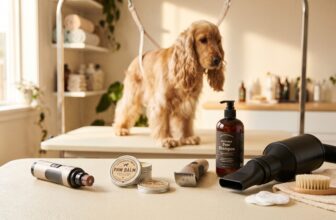
Anxious dog grooming requires a sensory-load reduction kit designed to keep cortisol and adrenaline below the panic threshold. Prioritize a cordless brushless clipper, an adjustable-speed steel-shell dryer, a soft-pin slicker brush, a fast-rinse shampoo, and an LED nail grinder to prevent acoustic and tactile startle responses.
A system for anxious dog grooming is a sensory-load reduction kit, not a standard grooming kit with softer edges. It pairs a quiet clipper with an adjustable-speed dryer, a low-decibel vacuum, a soft-pin brush, a fast-rinse shampoo, and a whisper-quiet nail grinder with an LED light. The goal is to keep the dog’s stress hormones below the panic threshold long enough that habituation can actually happen. Owners who build a kit around the sensory load report shorter sessions and fewer bite attempts. Their dogs also start walking to the grooming table instead of hiding under it. Anxious dog grooming works because it treats every tool as a sensory risk rather than a maintenance task.
Differential Diagnosis for Anxious Dog Grooming
Grooming anxiety is an involuntary sympathetic nervous system response rather than behavioral stubbornness. High-frequency motor whine and floor-borne vibration trigger amygdala activation, pushing cortical learning offline and extending stress recovery for hours unless acoustic and tactile inputs are lowered before handling begins.
Veterinary behavior standards treat anxiety as a physiological state, not defiance, and that distinction is the foundation of any honest protocol for anxious dog grooming. A dog that snaps at the clipper is not being stubborn. Its sympathetic nervous system has already taken over, and the higher cortical functions that let a dog learn and cooperate have been pushed offline. Pushing through the session anyway teaches the dog that grooming equals threat.
The AKC grooming resources and the FCI breed standards both note that high-frequency noise and sustained vibration trigger the sympathetic nervous system in most dogs, and that recovery time after a stress spike can run for hours, which aligns with established canine stress and mental health baselines. That is why a tool choice in anxious dog grooming matters more than the number of treats in your pocket. The goal is not to force the dog through the groom. The goal is to lower the sensory load far enough that the dog can habituate.
The anxious dog problem guide covers the underlying causes of grooming anxiety, from a single bad experience to a chronic noise sensitivity that generalizes across tools. The core dog grooming guide covers the base cadence for dogs that tolerate handling. The anxious dog grooming protocol in this article sits on top of both, because it assumes the dog is already past its threshold and needs the sensory load pulled down before any grooming can happen.
Root Cause and Intervention Ladder
Selecting tools for noise-sensitive dogs requires matching motor acoustics, housing vibration damping, pin flexibility, and rinse speed to specific sensory thresholds. Brushless clippers, adjustable-speed dryers, gentle slickers, pre-diluted shampoos, and LED nail grinders minimize physiological arousal across every stage of home maintenance.
Each tool category inside an anxious dog grooming kit is a sensory-risk decision. The question is not which tool works fastest. The question is which tool keeps the dog below its panic threshold while still doing the job. Each section below names the biological risk and the tier logic that matches it, so every purchase in anxious dog grooming gets made on nervous system safety rather than on marketing claims.
3.1 Clippers
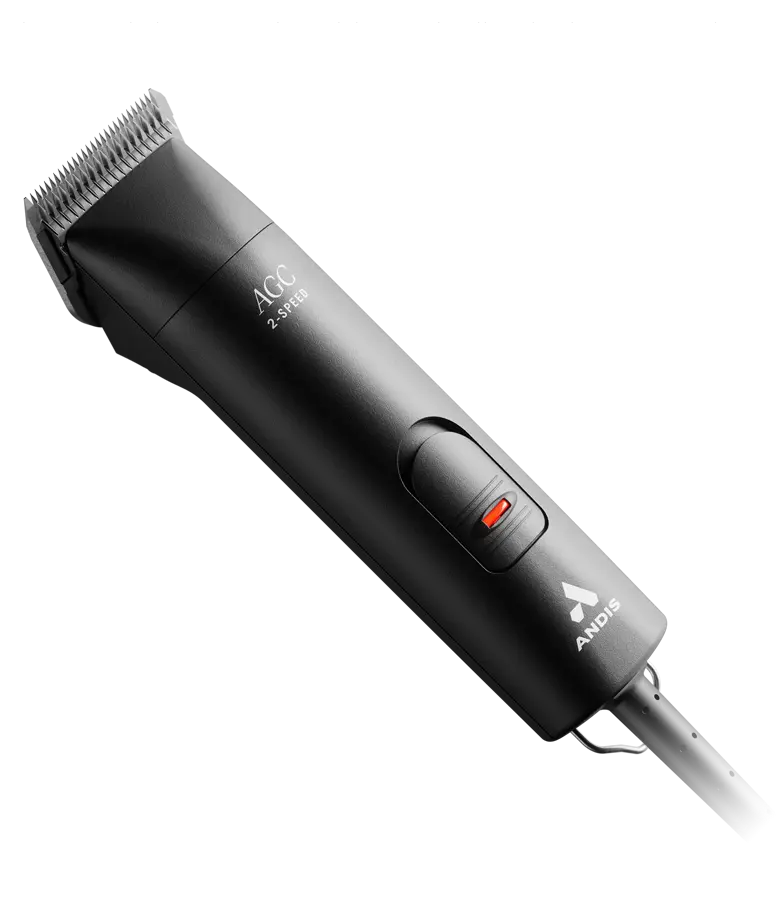
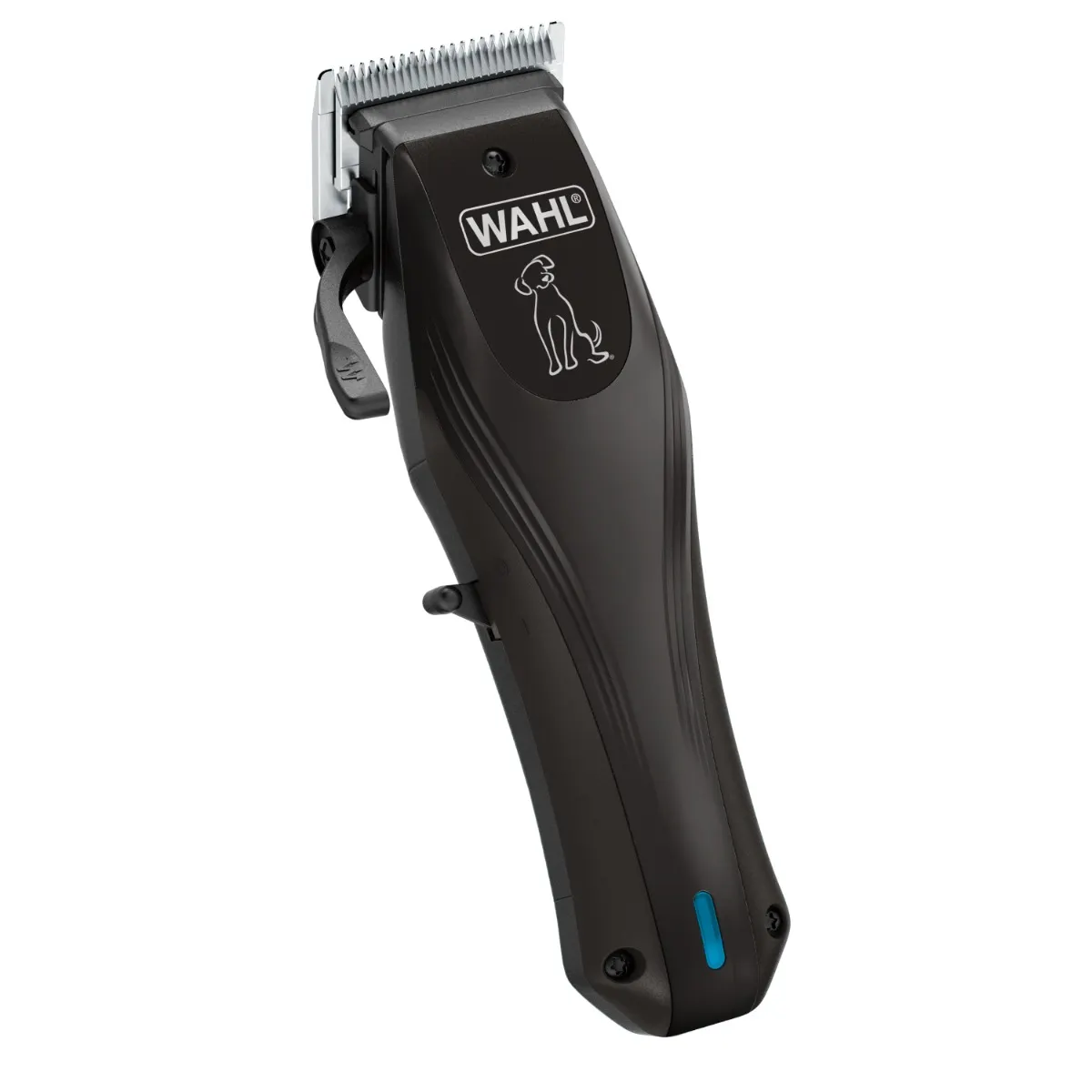
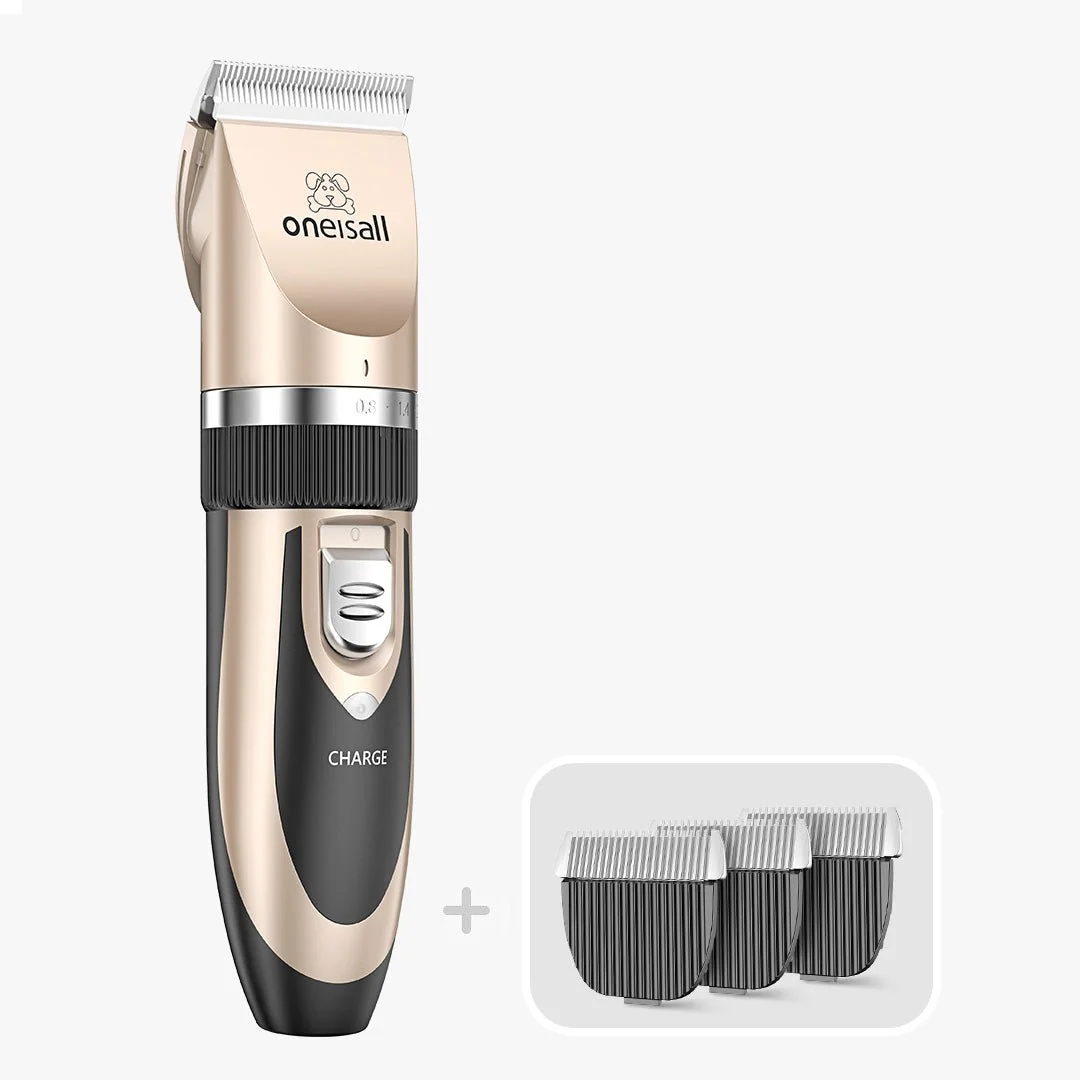
The high-pitched whine of a pivot motor and the vibration of a dull blade are the two most common triggers of the startle response in anxious dog grooming. A brushless motor eliminates the carbon brush hum that sits right in the range most dogs find aversive. A lower stroke count and lower decibels matter far more here than raw power, because a clipper that cuts fast but screams is worse than a clipper that cuts slowly and quietly. A cordless design also helps, because the cable drag adds a physical tug the dog reads as restraint. The biological goal is to run the clipper below the dog’s threshold long enough that the sound becomes background and the dog stops bracing. That habituation cannot begin until the tool stops triggering the amygdala on every pass.
3.2 Dryers
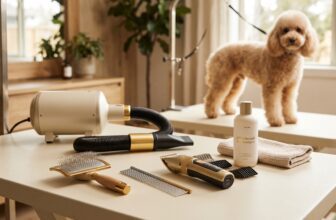
High-velocity dryers are loud by nature, but heat and high-pitched whine are the real enemies in anxious dog grooming. A dryer with an adjustable motor speed lets the owner start on the lowest setting and climb only when the dog stops bracing. A steel shell dampens vibration better than plastic, which matters because vibration transfers through the floor and into the dog’s paws before the sound even registers. The goal is to dry the coat without triggering the flight response that ends the session. Heat adds a second sensory channel the dog has to process, and on an already reactive dog that second channel is what pushes it over. Every tier below is judged by adjustable speed and by how well the housing dampens vibration, not by raw CFM, because a dryer that pushes a lot of air but terrifies the dog has failed at the only job that mattered.
3.3 Vacuums
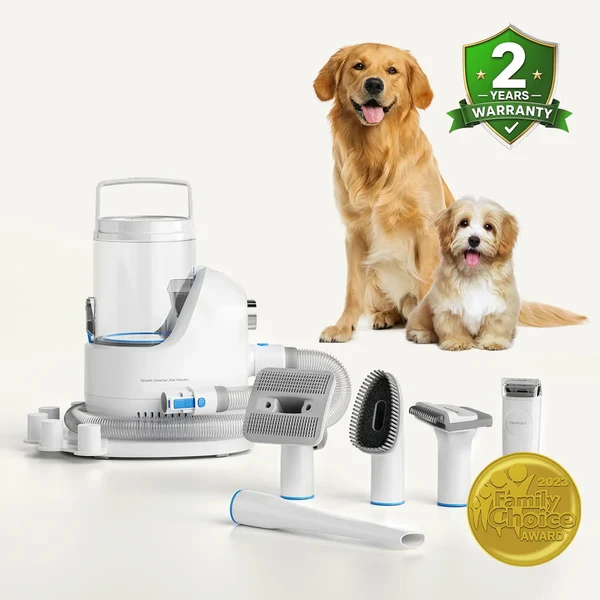
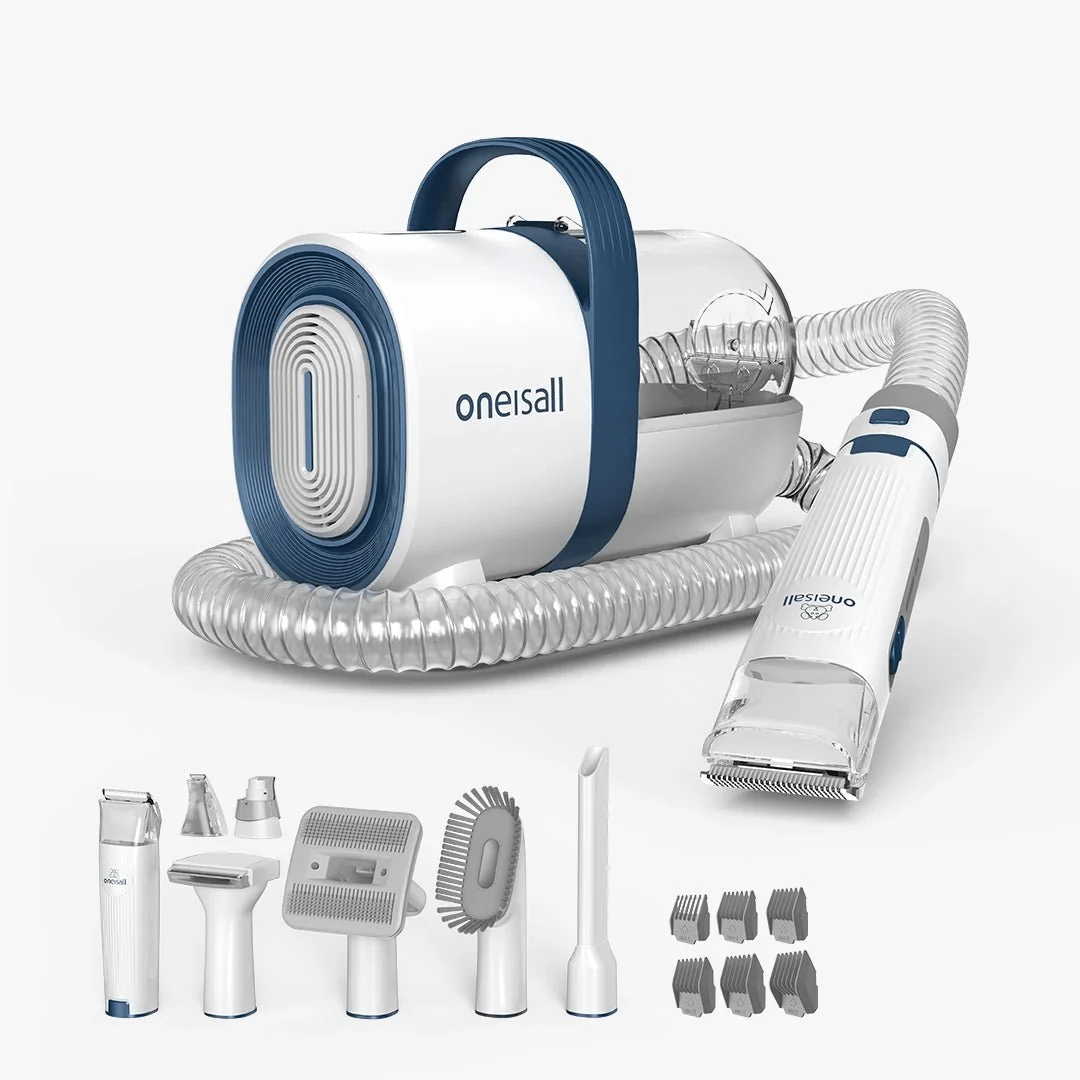
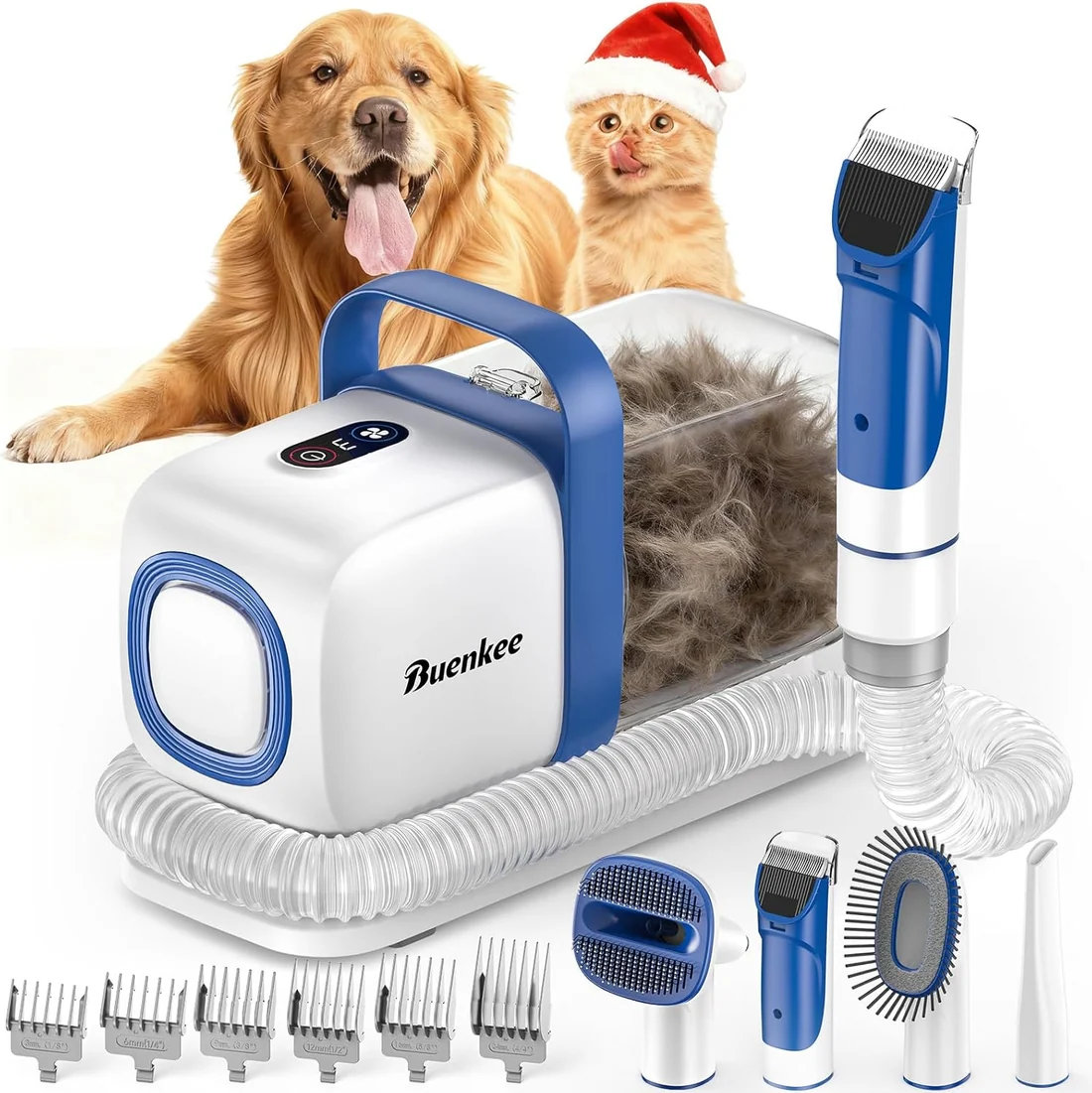
A grooming vacuum stacks noise and suction on top of each other in a single sensory event, which is why the vacuum is the easiest tool to misuse in anxious dog grooming. A low-decibel motor is mandatory. Suction that is strong enough to work on a calm dog will pull skin on a panicking one, so the attachment has to be gentle and the suction has to be adjustable. If the dog is terrified of the vacuum, do not use it at all. Switch to a manual brush and accept the longer session. That trade is not a failure. It is the system working as intended, because anxious dog grooming exists to keep the dog under threshold, not to complete a checklist. Noise is the variable that decides whether the vacuum stays in the kit or goes back in the closet.
| Product Image | Product Name | Verified Spec | Primary Button / Our Rating |
|---|---|---|---|
Pro Tier: Max Suction |
|
| |
Mid Tier: All-in-One |
|
| |
Budget Tier: High-Capacity Entry |
|
|
3.4 Brushes
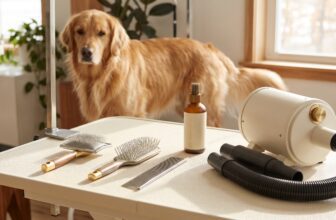
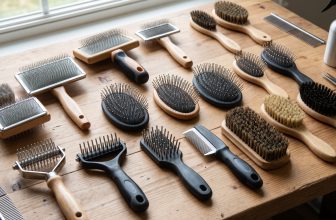
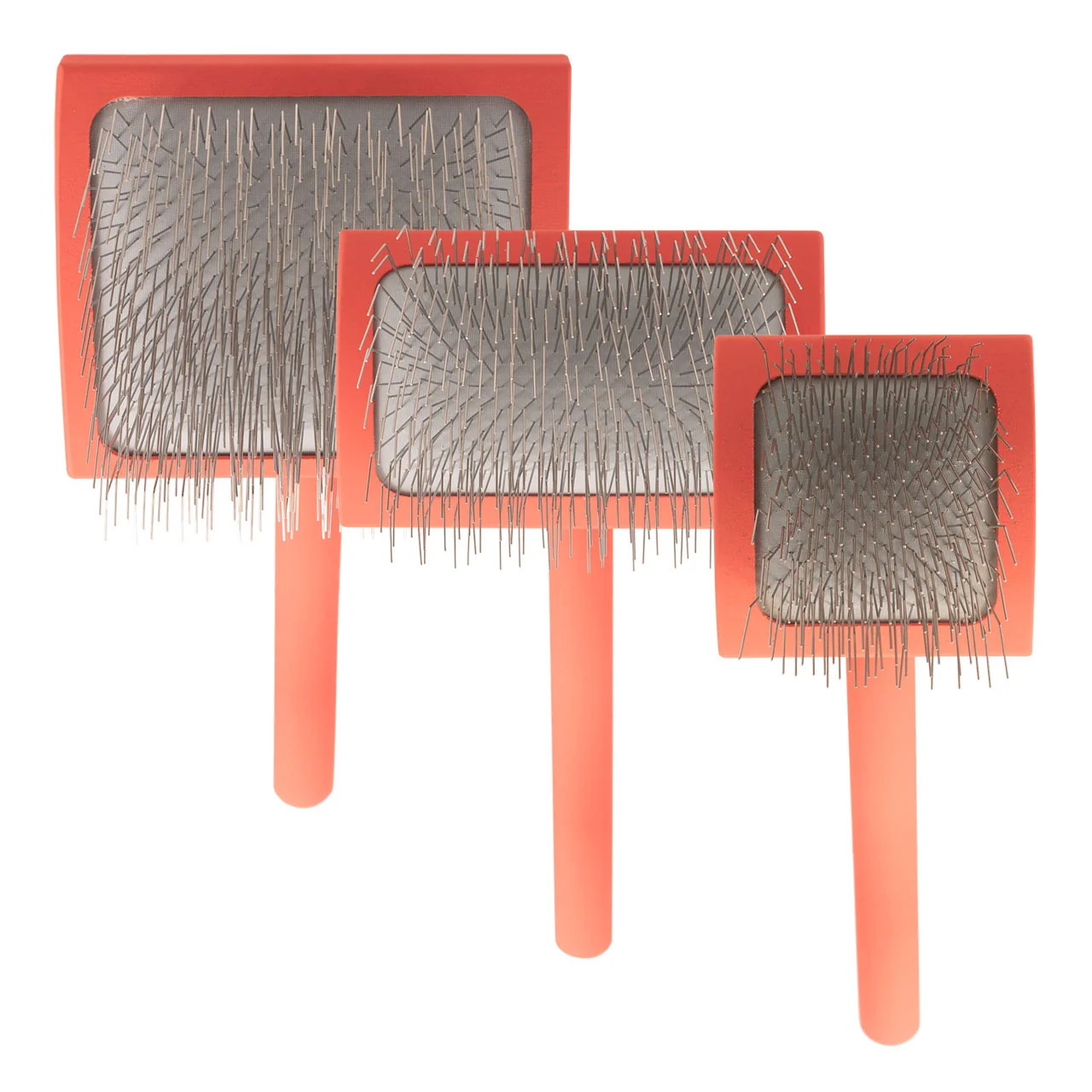
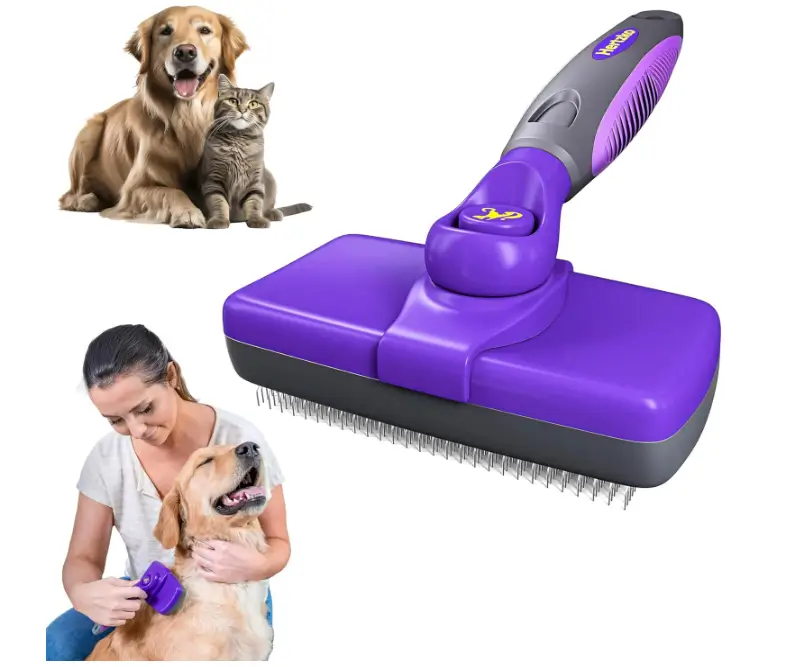
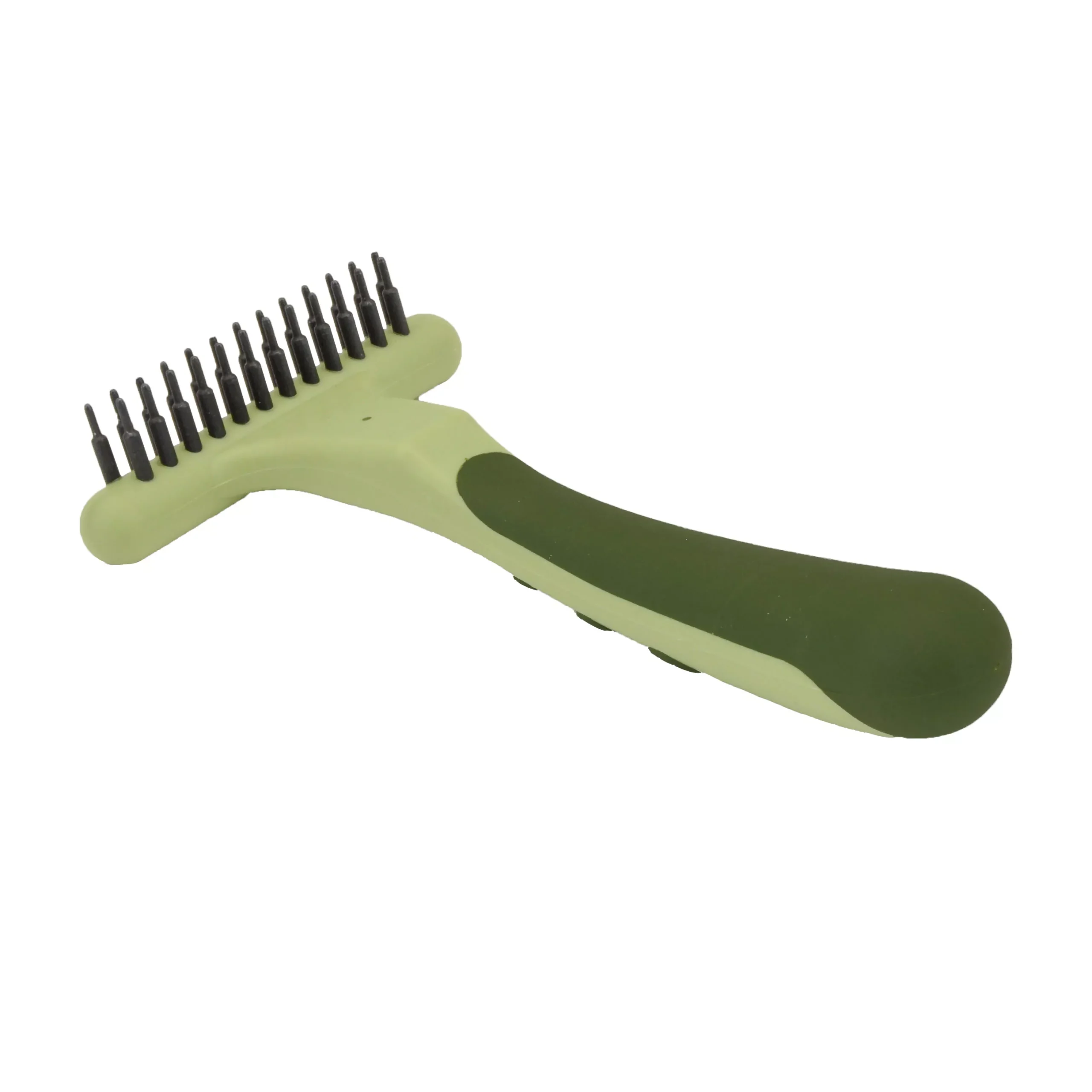
Anxious dogs often have sensitive skin, and a stiff slicker or a rake can cause pain that reinforces the fear anxious dog grooming is trying to dismantle, especially in dogs with heightened tactile skin sensitivity or when managing severely matted coats without pain. A soft slicker with flexible pins or a rubber curry is the safest choice, because flexible pins bend before they dig and rubber grips hair without scratching the epidermis. The brush must glide, not scrape. If the dog flinches at the first pass, stop. That flinch is a signal that the tool is wrong for that dog, and no amount of treats will override the pain. The biological goal of brushing inside an anxious dog grooming routine is to build a positive association with handling, which means the first few sessions have to end before the dog ever feels discomfort. Brush choice is what makes that possible.
| Product Image | Product Name | Verified Spec | Primary Button / Our Rating |
|---|---|---|---|
Pro Tier: Zero Abrasion |
|
| |
Mid Tier: Easy Clean |
|
| |
Budget Tier: Deshedding |
|
|
3.5 Shampoos
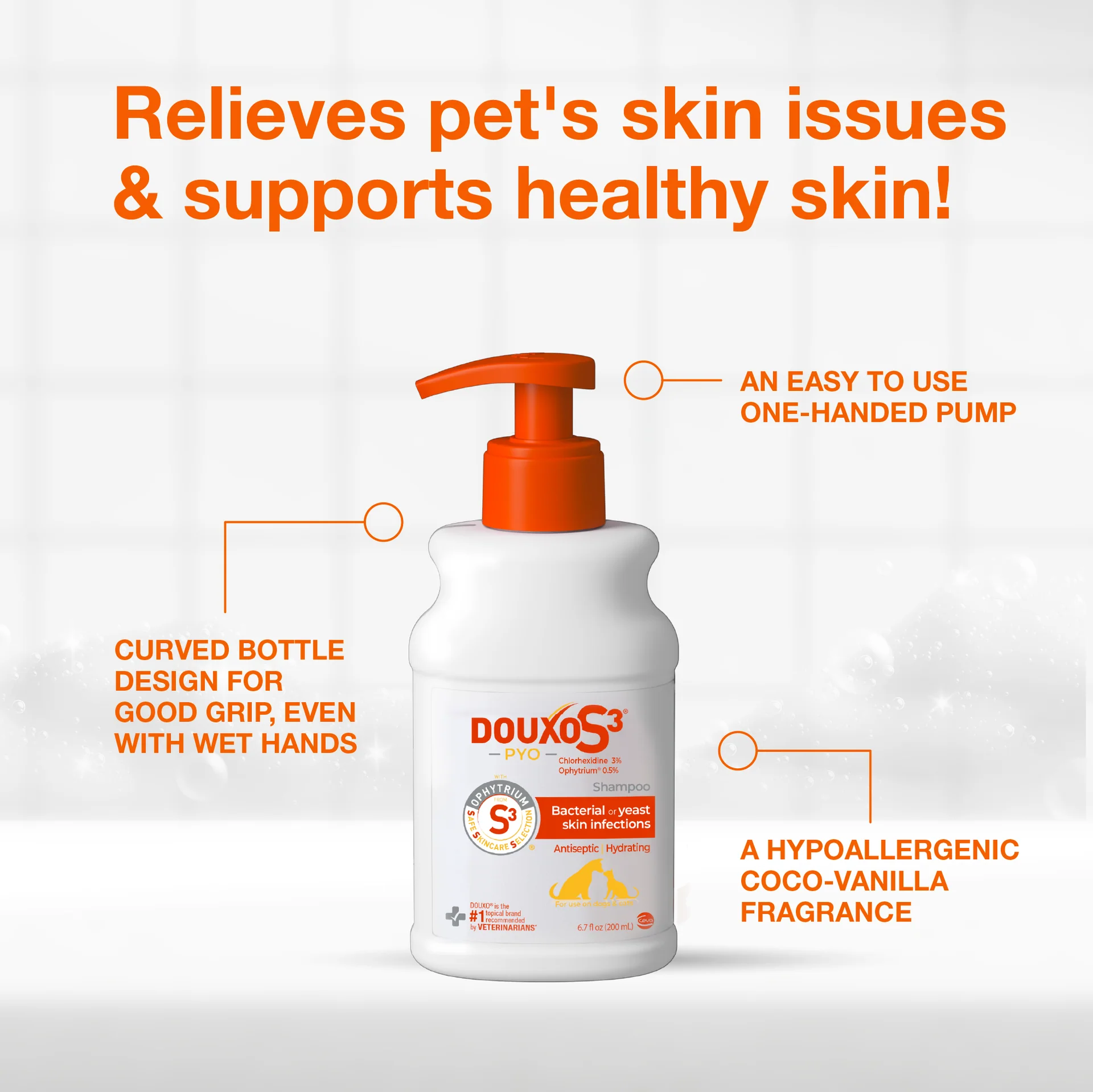
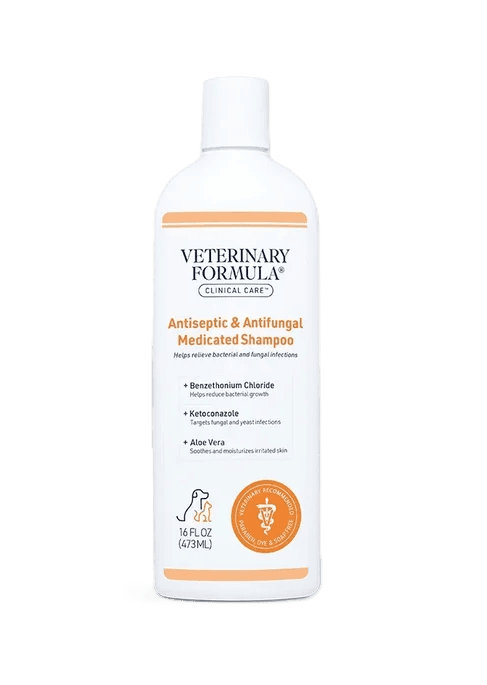
Bathing an anxious dog is a two-person job even on a good day, and a shampoo that lathers quickly and rinses clean reduces the time the dog is stuck in the tub. That time reduction matters more than the formula in anxious dog grooming, because every extra minute in the tub is another minute of cortisol climbing. A soothing oatmeal formula can calm irritated skin, but the primary goal is speed and minimal stress. Dilution helps. A pre-diluted shampoo spreads faster and rinses easier than a concentrated gel, which cuts the rinse passes and reduces the water noise that most anxious dogs hate. Every tier below is judged by how quickly it lathers and how cleanly it rinses, not by how luxurious the lather feels, because a luxurious lather is a slower session and a more stressed dog.
| Product Image | Product Name | Verified Spec | Primary Button / Our Rating |
|---|---|---|---|
Pro Tier: Prescription-Strength Antiseptic |
|
| |
Mid Tier: OTC Medicated |
|
| |
Budget Tier: Barrier-Safe Maintenance |
|
|

3.6 Nails
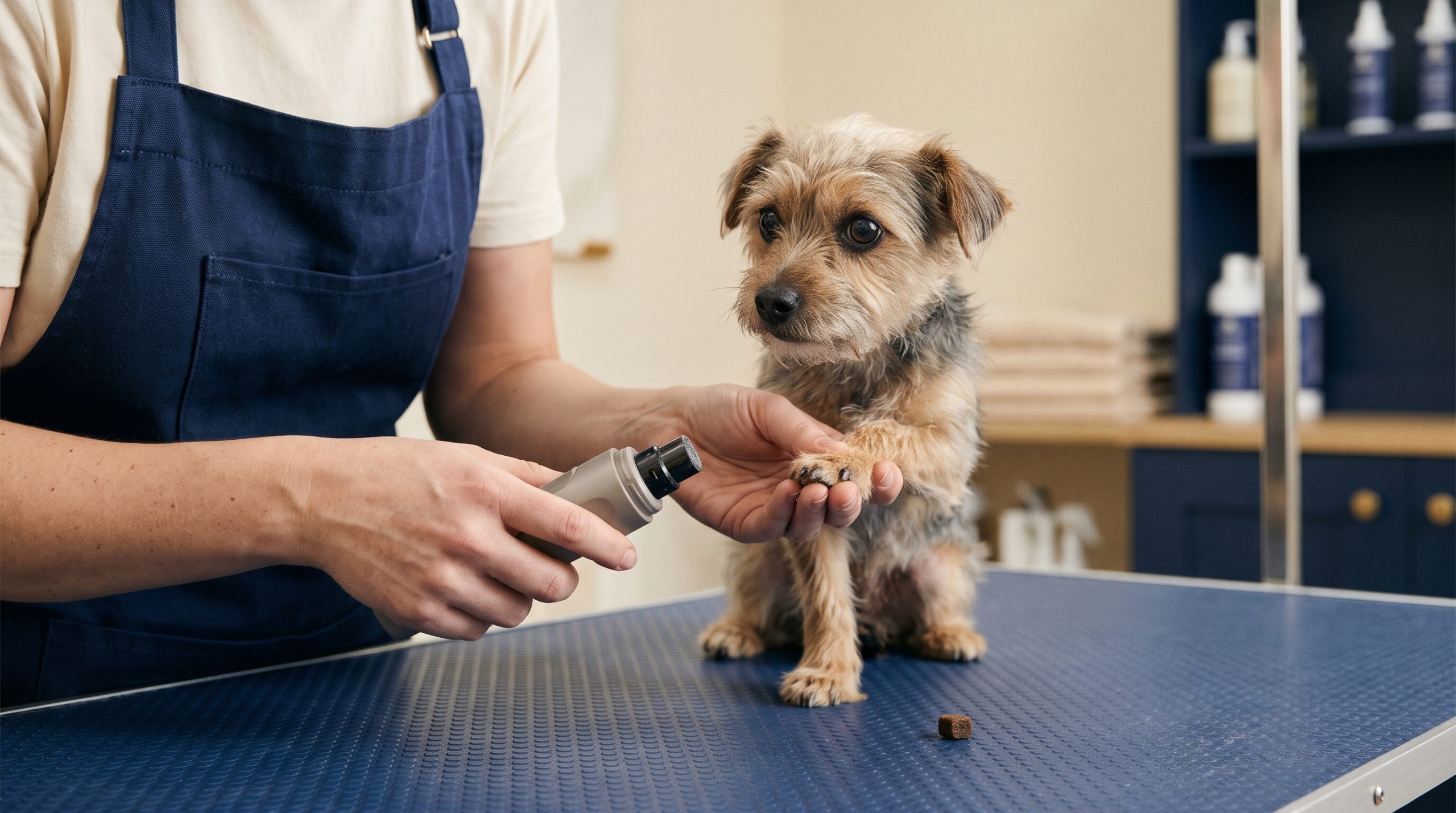
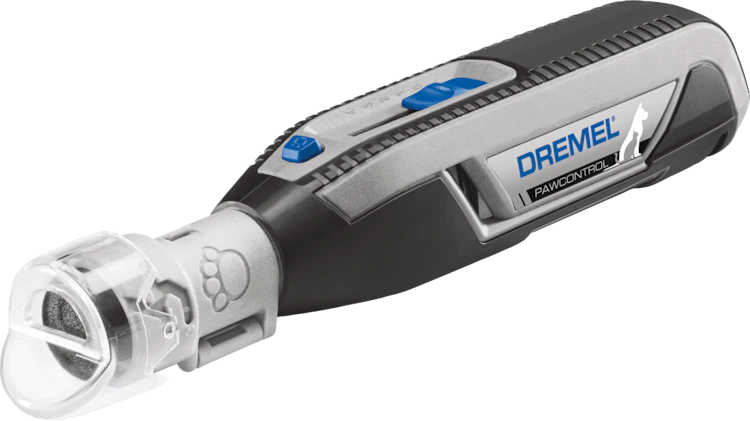
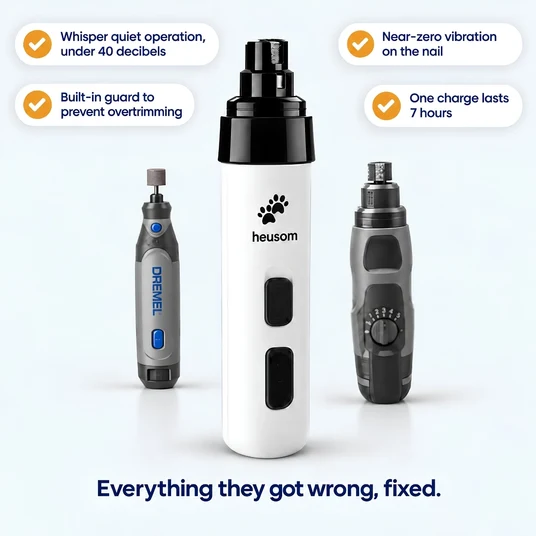
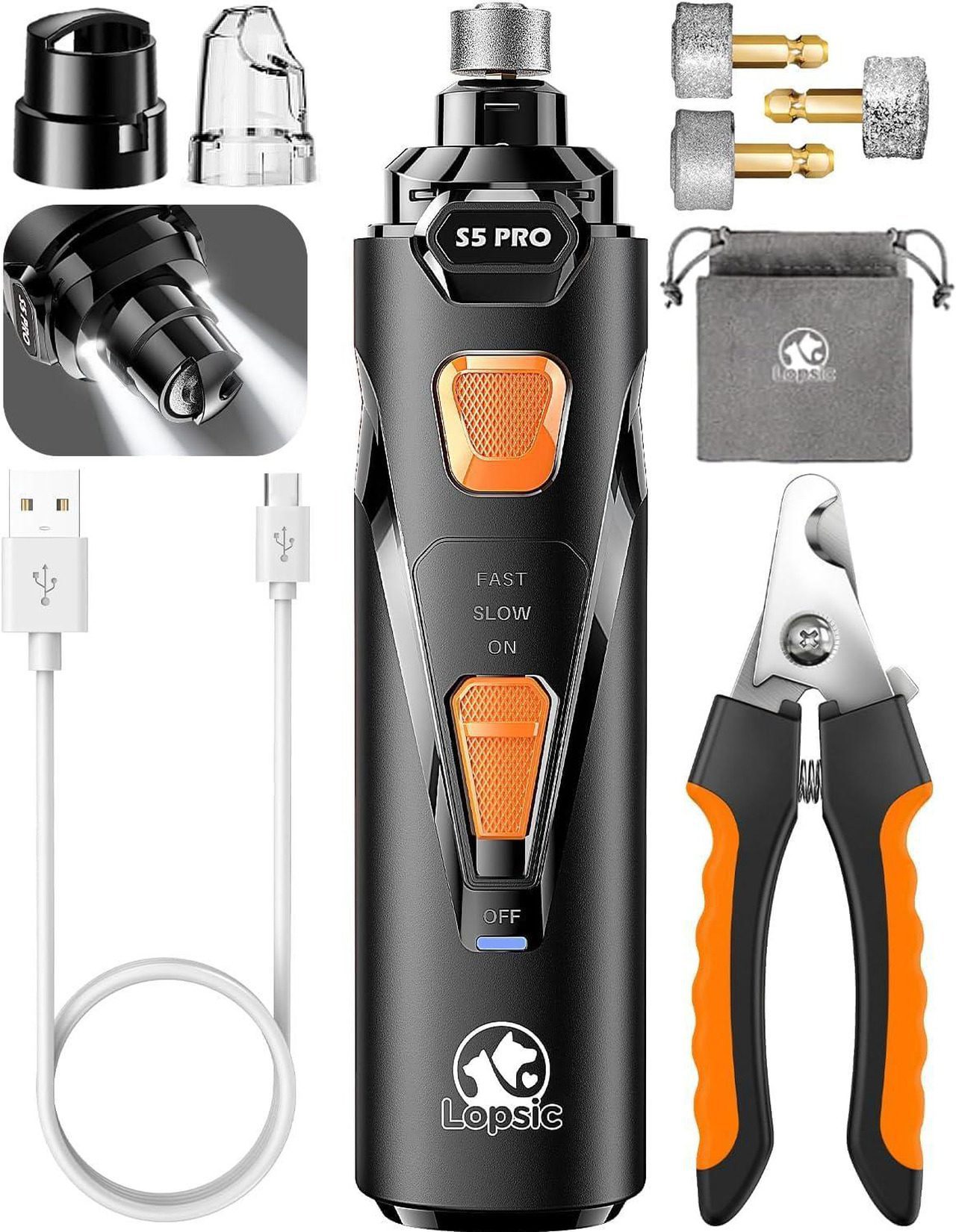
Nail trims are the most common trigger for grooming anxiety, and in anxious dog grooming they are the step that has to be handled most carefully using low-stress canine paw and nail care. The vibration of a grinder travels through the paw and into the whole limb, and the sound of a clipper can be terrifying on its own. A whisper-quiet grinder with an LED light to see the quick is the safest tool because it removes the second stress event of guessing wrong. One quick at a time, with a break between each nail. That is how habituation happens in anxious dog grooming. The biological goal is to associate the tool with a calm, controlled experience rather than a painful surprise, because a dog that learns the grinder is safe will let you touch the paw next time.
| Product Image | Product Name | Verified Spec | Primary Button / Our Rating |
|---|---|---|---|
Pro Tier: High-Output Precision |
|
| |
Mid Tier: Ultra-Low-Noise Entry |
|
| |
Budget Tier: Whisper-Quiet Desensitization |
|
|
Escalation Path and Prevention
Build an anxious dog grooming kit progressively rather than introducing every powered device simultaneously. Begin with silent towel drying and soft-pin brushing to establish baseline tolerance, then add a low-decibel clipper and LED nail grinder before safely introducing adjustable high-velocity airflow at low settings.
Anxious dog grooming kit does not need every tool in the catalog. Anxious dog grooming needs the right tools first and the optional tools later, once the dog has built tolerance. Start with the lowest-stress tool, which is usually the brush. Build tolerance there, then add the quietest clipper, then the grinder, then the dryer. Save on the dryer if a towel works, because a towel is silent and the dog has already met enough noise for one month. Spend on the quietest clipper and grinder, because those two tools run closest to the dog’s skin and produce the vibration that triggers the deepest fear response. Compare options at the complete grooming products and reviews hub before committing.
| Product Image | Product Name | Verified Spec | Primary Button / Our Rating |
|---|---|---|---|
Pro Tier: Salon Standard |
|
| |
Mid Tier: Cordless Heavy Duty |
|
| |
Budget Tier: Quiet & Light |
|
|
| Product Image | Product Name | Verified Spec | Primary Button / Our Rating |
|---|---|---|---|
Pro Tier: Lifetime Warranty |
|
| |
Mid Tier: Steel Shell Power |
|
| |
Budget Tier: High CFM Value |
|
|
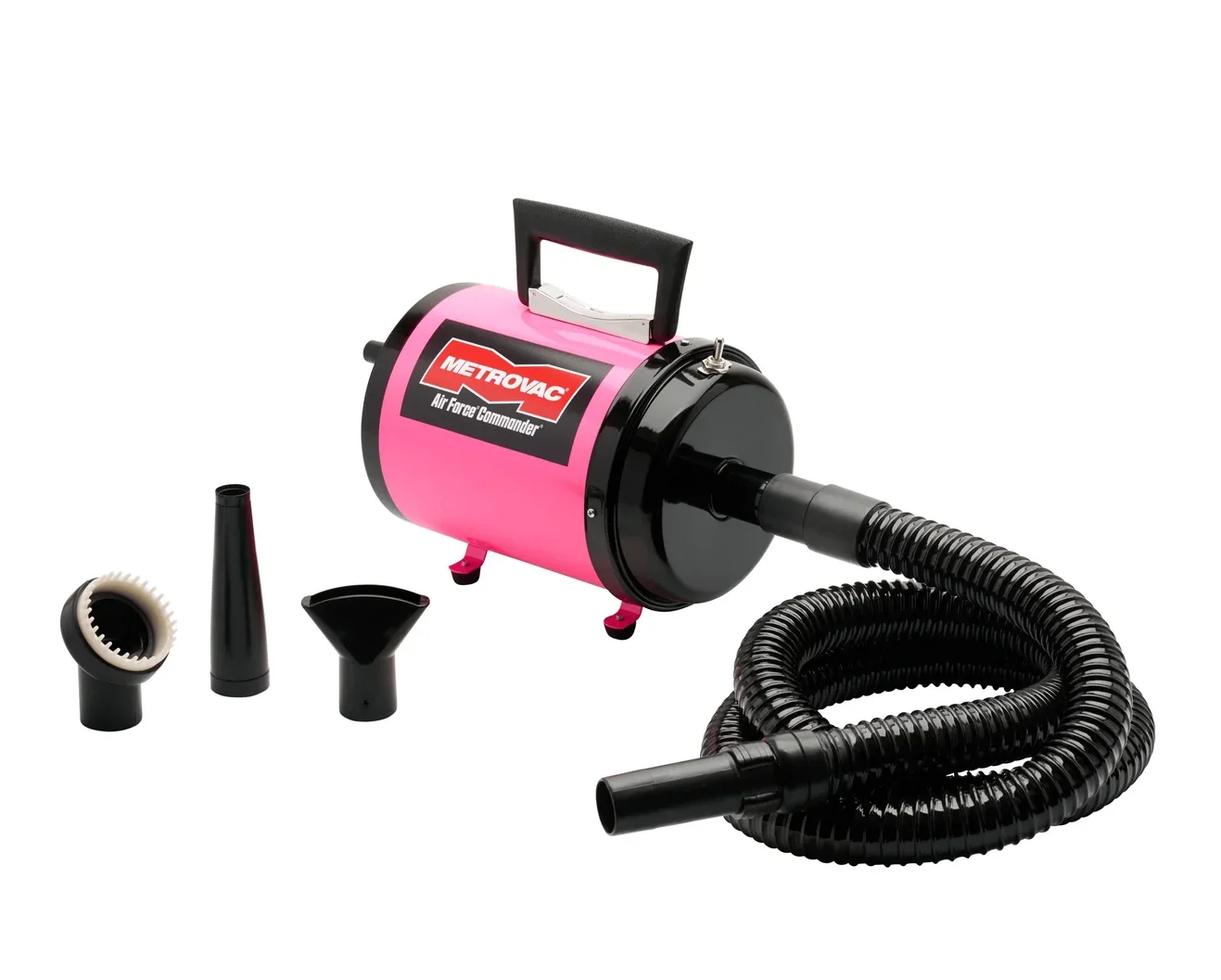
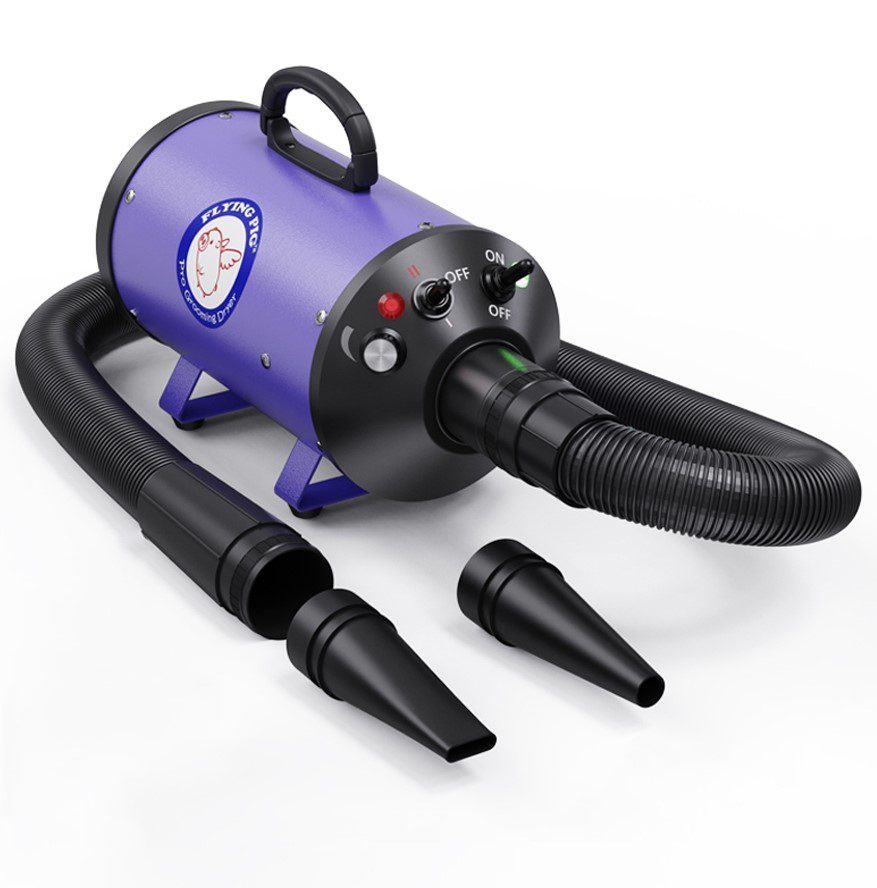
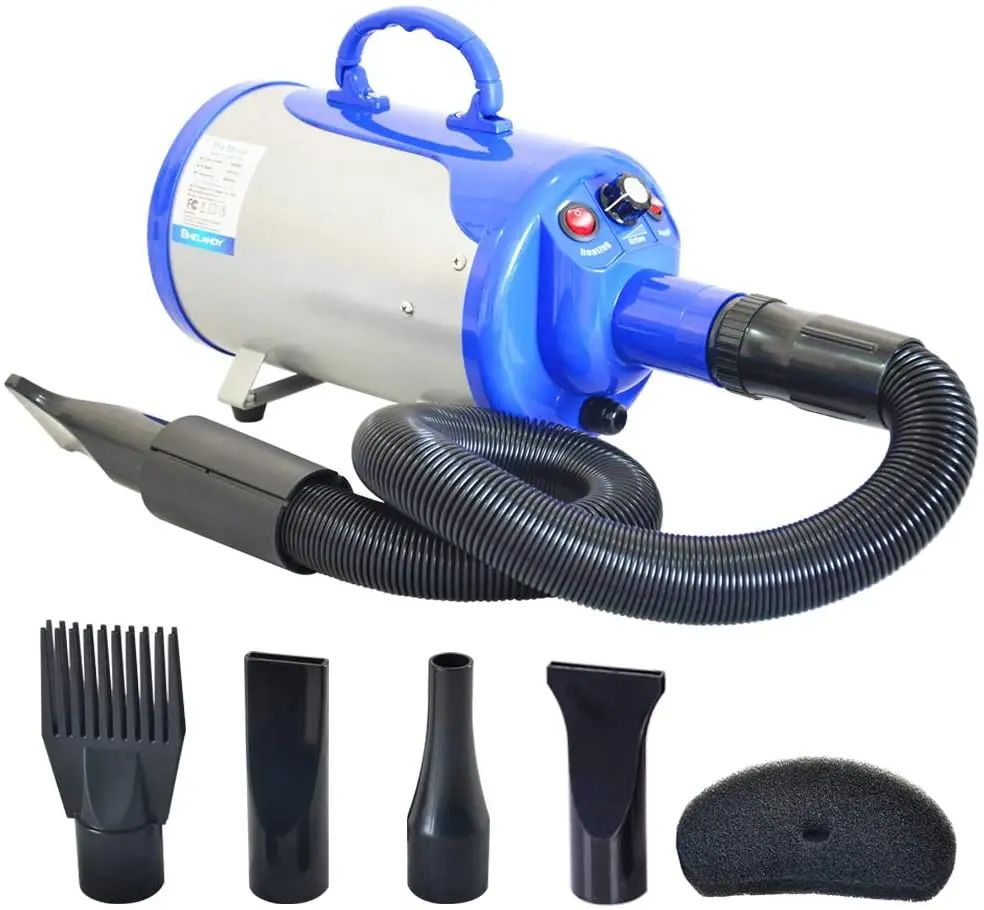
Sensory Check: Brushless vs. Rotary Motors
Motor architecture determines both acoustic pitch and palm-transmitted vibration before a blade or nozzle touches the coat. Brushless motors eliminate carbon-brush hum and maintain steady torque without high-pitched whine, while larger low-RPM dryer impellers move air quietly without triggering canine flight responses.
Motor type decides what an anxious dog hears and feels before any tool touches the coat, and that sensory load matters more in anxious dog grooming than in any other coat protocol because the dog is already close to its panic threshold. Brushless motors eliminate the carbon brush contact that produces the buzzing hum on cheaper cordless units, and they hold a steadier speed as the battery drains. Rotary motors trade a little weight for torque that does not sag under load. Pivot motors sit at the bottom of the price ladder and whine noticeably under load. That whine is audible. It is also the moment a reactive dog decides the tool is a threat to the whole session.
Noise behaves the same way across dryers and vacuums. A larger impeller turning at lower revolutions moves the same air volume with less high-frequency whine than a small impeller spinning fast. That whine, not the raw airflow, is what most dogs react to first. Verify any decibel figure against the manufacturer’s own listing, because measurement distance and method change the number. Vibration travels through the hand as much as the ear, and a motor that passes less vibration into the palm lets the user keep contact light and brief. That tactile control is what keeps the dog inside its tolerance zone instead of pushing it past it.
Clinical Contraindications
Never force a panicked dog through a grooming session, apply high-heat airflow, use dull snaggy blades, run suction vacuums near reactive animals, or rely on physical restraint. Any single sensory overload spike triggers defensive biting and causes severe multi-month behavioral regression in reactive dogs.
Never force a terrified dog through a groom. Forcing a dog past its panic threshold worsens the anxiety and confirms the fear. It can also escalate into defensive biting that ends the grooming relationship for good. Never use a high-heat dryer on an anxious dog. Heat adds a second sensory channel on top of the noise, and that second channel is what pushes most dogs over the threshold. Never use a dull blade. The snagging and pulling of a dull blade is the exact tactile confirmation the dog’s fear is looking for, and a single bad pass can undo weeks of desensitization, especially when skin barrier sensitivity is evaluated through the interactive canine epidermal assessment matrix. Never use a vacuum on a dog that is already panicking. The noise and suction combine into a sensory event the dog cannot tolerate, and once the panic starts, nothing in the kit can recover the session. Never restrain an anxious dog with force. Use a non-slip mat and allow the dog to stand on its own four feet, because restraint pressure is the sensory input that most reliably triggers the fight response. The AVMA veterinary literature documents stress-related injury and post-grooming behavioral regression as real outcomes in anxious dogs, not cosmetic preferences. Every one of these anxious dog grooming contraindications exists because the wrong move during a stress spike is not reversible in a single session, and the cost of correcting the regression lands in months of patient desensitization instead of one calm afternoon.
Pre-Groom Anxiety Checklist
Before starting any grooming session, evaluate tail and ear posture, test tool vibration against your own forearm, prepare high-value counter-conditioning treats, begin handling with the quietest manual tool, and cap work at five calm minutes to end every session below threshold.
- Check the dog’s body language. A tucked tail or ears flat back means stop before you start.
- Test the tool on yourself first. Hold it against your own forearm and listen. If it makes you flinch, it will make the dog flinch harder.
- Have high-value treats ready. Counter-conditioning only works when the treat value beats the stress value, so use the food the dog almost never gets.
- Start with the quietest tool. Do not start with the clipper. Start with the brush or a treat on the grooming table.
- Keep sessions short. Five minutes that end in calm is worth more than thirty that end in a fight.
In practice, a dog that freezes with a tucked tail when the grinder clicks on is already telling you to power down and end the session on a single calm paw touch.
Never groom a dog that is showing signs of extreme fear or aggression. Consult a professional trainer or vet behaviorist. Our structured pet care decision and training guides and salon-grade low-noise handling and equipment protocols cover breed-specific anxiety patterns that change how anxious dog grooming should be tuned.
Interlude: The Desensitization Ladder
Gradual desensitization introduces grooming equipment across incremental distance and contact rungs without flooding the nervous system. Activate tools in distant rooms first, pair neutral exposure with rewards, touch the coat with powered-off units, and advance only when the dog remains completely calm and relaxed.
Desensitization is the step-by-step process of introducing a tool without flooding the dog, and it is the only technique that lets anxious dog grooming work over time instead of just in one lucky session. Turn the tool on in another room first. Then the next room. Then in the same room. Then touch the dog with it off. Only then turn it on in the dog’s presence. Each step is one rung of the ladder, and the dog has to stay calm at one rung before you climb to the next, consistent with the veterinary behavioral and physiological encyclopedia.
The temptation is to skip rungs because the dog seems fine. Do not. Skipping rungs is how flooding happens, and flooding teaches the dog that the tool is dangerous. The PetMD dog bathing guide covers how the ladder should interact with bath timing so a bath does not undo a week of desensitization work.
Clinical Citations & Vet Disclaimer
The AKC grooming resources and the FCI breed standards describe high-decibel noise and sustained vibration as reliable triggers of the canine sympathetic nervous system. Anxiety during grooming is a physiological state rather than a behavioral choice, and the sensory load has to come down before any training or desensitization can take hold in anxious dog grooming.
Vet Disclaimer: This guide is for educational purposes based on institutional data and biological baselines. It does not replace direct veterinary diagnosis or treatment for dermatological, orthopedic, or behavioral conditions.
Read more about our editorial standards and our lead author’s credentials.
Related Cluster
Effective grooming routines for noise-sensitive dogs depend on coat architecture, breed-specific acoustic thresholds, and baseline physical handling tolerance. Connecting low-decibel equipment selection with targeted coat maintenance cadence prevents cumulative stress spikes during longer home sessions on dense, curly, or double-coated breeds.
Different anxiety profiles need different anxious dog grooming routines. The breed-specific grooming protocols hub covers noise sensitivity by breed group. The anxious dog problem guide covers the underlying behavioral causes beyond a single bad grooming experience. The curly coat grooming guide covers the coat type that produces the longest sessions and therefore the highest cumulative stress load in anxious dog grooming.
Frequently Asked Questions
Why do loud clippers and dryers trigger panic during anxious dog grooming?
High-frequency motor whine and floor-borne vibration activate the canine amygdala and hypothalamic-pituitary-adrenal axis, flooding the bloodstream with cortisol and adrenaline. Once this sympathetic stress response fires, cortical learning shuts down, requiring low-decibel tools and structured protocols from our anxious dog problem guide.
Which grooming tool should you introduce first to a noise-sensitive dog?
Start with a soft-pin slicker brush or rubber curry rather than powered equipment, because silent tactile handling builds positive table associations without acoustic flooding. Once your dog relaxes during brushing, follow the phased handling progression in our core dog grooming guide
Why should you avoid high heat when drying an anxious dog?
High heat adds a second simultaneous sensory channel on top of airflow noise, pushing reactive dogs past their panic threshold and risking post-grooming behavioral regression. Use an adjustable-speed dryer on its lowest setting with zero heat, following our canine stress and mental health baselines.
How long should an anxious dog grooming session last during desensitization?
Cap early desensitization sessions at five calm minutes and stop immediately if your dog tucks its tail or pins its ears back. Short, sub-threshold repetitions build lasting tolerance faster than forced thirty-minute grooms, especially when tailored through our breed-specific grooming protocols hub.
What motor type is quietest for clipping a noise-sensitive dog?
Brushless motors eliminate carbon-brush contact hum and hold steady blade speed under coat load without the high-pitched whine of pivot motors. Pairing a cordless brushless clipper with gentle handling prevents restraint-like cable drag, as detailed in our canine skin and tactile sensitivity guide.


The PGA Hardware Desk analyzes and verifies mechanical specifications (SPM, CFM, motor torque, blade metallurgy) against biological and veterinary baselines. We do not accept payment for positive reviews. Our recommendations are derived from a synthesis of manufacturer technical data, veterinary ergonomics, and aggregated professional user experiences.