Written by: PGA Hardware & Equipment Desk
Reviewed by: PGA Editorial Board (Zaheer Aujla, Head of Board) · Six editorial desks · Institutional review standard
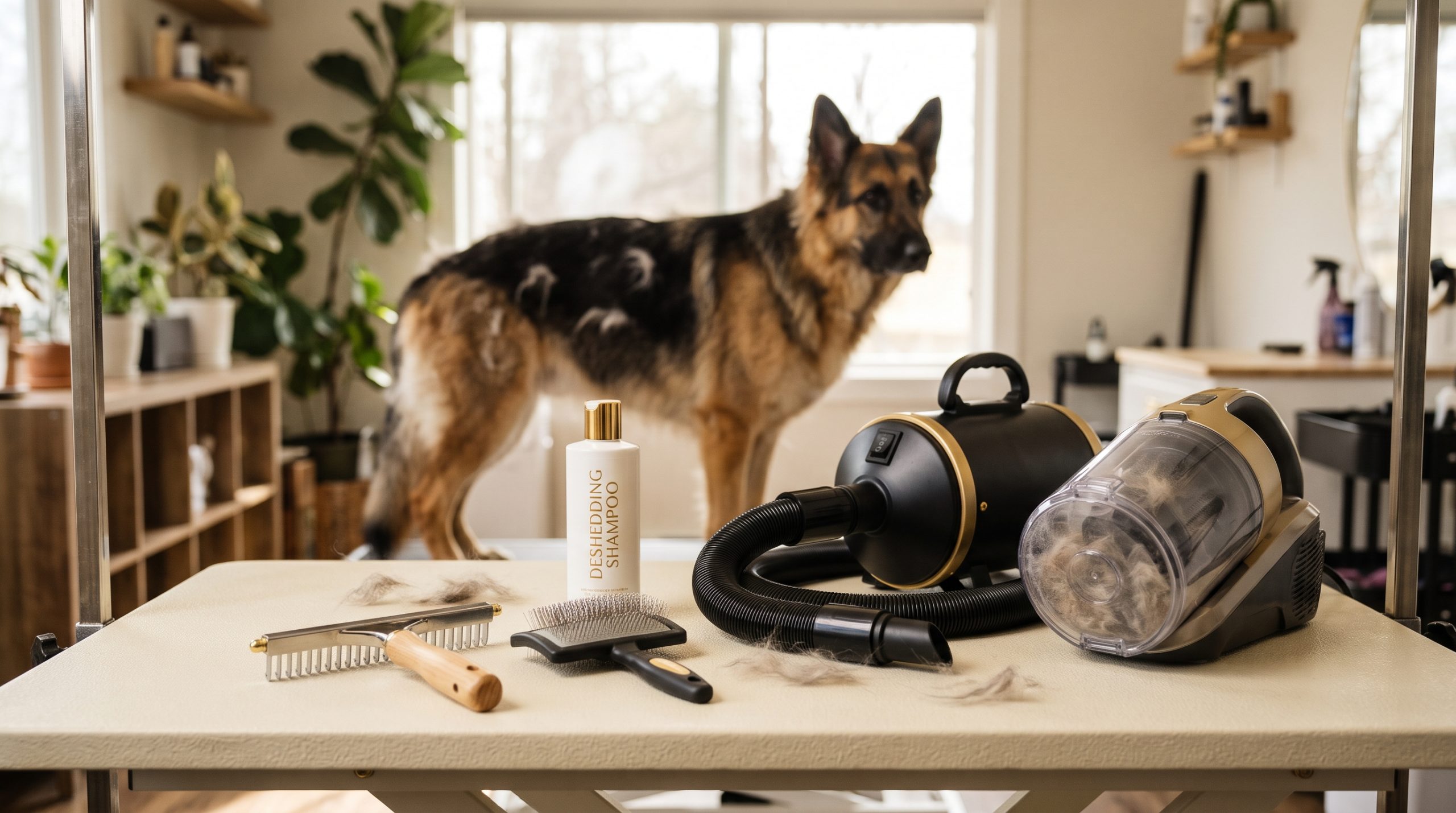
A heavy shedding grooming system is a coordinated volume-control toolset built around the canine hair follicle cycle. Instead of stopping natural seasonal blowouts, it uses ambient high-velocity airflow, undercoat rakes, large-canister vacuums, and pH-balanced shampoos from our comprehensive dog care and grooming hub to extract dead undercoat safely before felting occurs.
A heavy shedding grooming system rests on one biological fact most owners never learn. Heavy shedding is not a sign of a sick dog. It is a highly efficient release mechanism that runs on a follicle cycle with three phases, and the entire toolset only exists to work alongside that cycle instead of fighting it. Anagen is active growth. Catagen is the transition where the follicle retracts from the blood supply. Telogen is the resting and shedding phase. When Telogen ends in a double-coated breed like a Labrador or a German Shepherd, the coat blows all at once. Dead hair releases from the follicle in a wave, and if that hair is not extracted, it weaves into the topcoat and traps heat against the skin. A proper heavy shedding grooming system does not stop the shedding. It accelerates the removal of dead hair so the coat returns to its baseline faster and the skin stays cool underneath.
Quick Match: Which Tools for Heavy Shedding
Matching tools inside a heavy shedding grooming system depends on whether your dog is actively blowing coat, carrying compacted undercoat felt, or shedding daily indoors. High-velocity ambient dryers handle active blowouts first, undercoat rakes loosen pre-bath felt, and large-canister grooming vacuums capture airborne hair before it settles across household surfaces.
A heavy shedding grooming system is a volume-control tool set, not a deshedding brush with a different label. It pairs an undercoat rake with a high-velocity dryer, a grooming vacuum with a large canister, a deshedding shampoo that supports the follicle during Telogen, and a grinder that handles the thick nails these breeds carry. The goal is to lift dead undercoat out of the coat before it mats, using air and rake geometry rather than pressure. Owners who build a heavy shedding grooming system around the follicle cycle spend less time brushing, clog fewer drains, and stop their dog from overheating during a blow. The system works because it treats coat blowout as a scheduled event rather than an emergency. The three quick match routes below send you to the right first purchase inside a heavy shedding grooming system based on what your dog is doing right now.
Heavy Shedding Keratin Architecture and Failure Modes
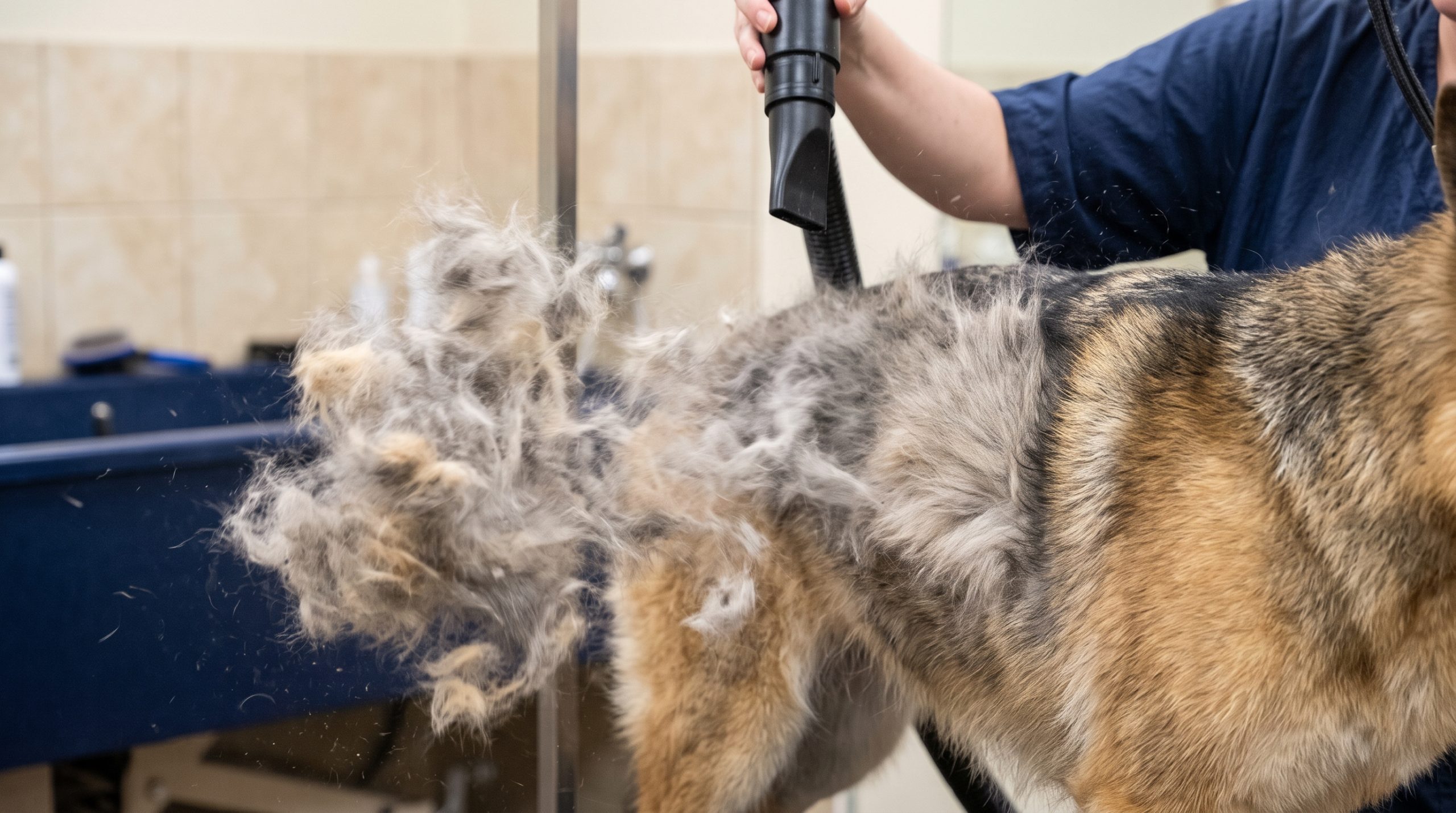
Double-coated breeds rely on an insulating undercoat layer trapped beneath protective guard hairs to regulate body temperature in both warm and cold weather. When photoperiod shifts trigger synchronized Telogen hair release, retained dead undercoat packs into dense felt, collapsing that insulating air pocket and causing trapped heat, hot spots, and bacterial skin infections.
The AKC grooming resources describe coat blowout in heavy-shedding breeds as a photoperiod-driven event that tracks daylight hours more closely than it tracks temperature. That is why a German Shepherd drops undercoat in spring and again in fall even when the indoor thermostat never moves. A heavy shedding grooming system built around that schedule plans for two distinct blowout windows instead of treating shedding as a constant problem. Owners who plan around the cycle get better results than owners who react to hair on the floor.
The FCI breed standards treat the undercoat as a functional insulator that traps a layer of air between the skin and the guard hairs. That layer of air regulates heat in both directions. When dead undercoat stays in the coat and packs into felt, the air layer collapses and the skin cannot cool. That trapped heat is why a neglected coat leads to skin infections and hot spots on a heavy-shedding breed. A heavy shedding grooming system prevents those outcomes by extracting the dead layer before it felts. Indoor lighting and central climate control can throw off the cycle and turn two blowouts into year-round shedding, which makes the system more important, not less.
The shedding problem guide covers how to tell a normal blowout from abnormal shedding caused by diet, thyroid, or stress. The core dog grooming guide covers the base cadence for healthy skin. Together they set the institutional frame this heavy shedding grooming system rests on: manage the cycle, do not fight it.
Mechanism, Failure Mode, and Procedure
Selecting equipment across clippers, dryers, vacuums, brushes, shampoos, and nail grinders requires matching mechanical action to epidermal risk during active shedding. High-velocity ambient airflow lifts dead undercoat without skin abrasion, rotary-motor clippers clear friction zones cleanly, and proper brush sequencing prevents live hair breakage while keeping the skin barrier intact.
Every tool category inside a heavy shedding grooming system is a volume-control decision. The question is not which tool removes the most hair in one pass. The question is which tool removes the dead undercoat without pulling live hair or scraping the skin underneath. Each section below names the biological risk and the tier logic that matches it, so every purchase inside a heavy shedding grooming system gets made on coat cycle safety rather than on marketing claims.
3.1 Clippers
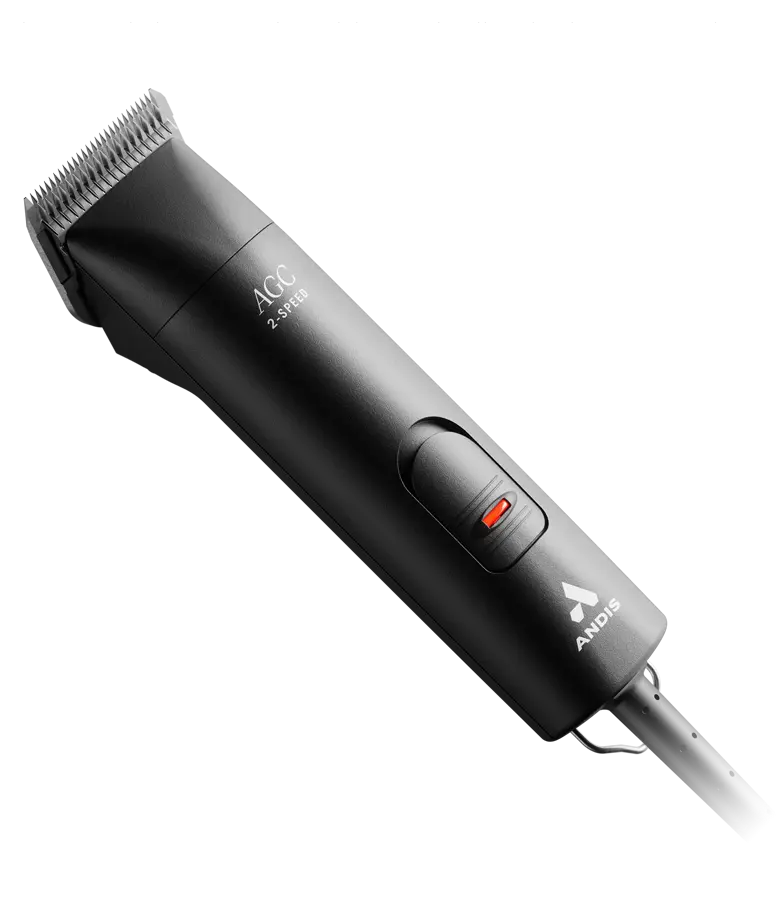
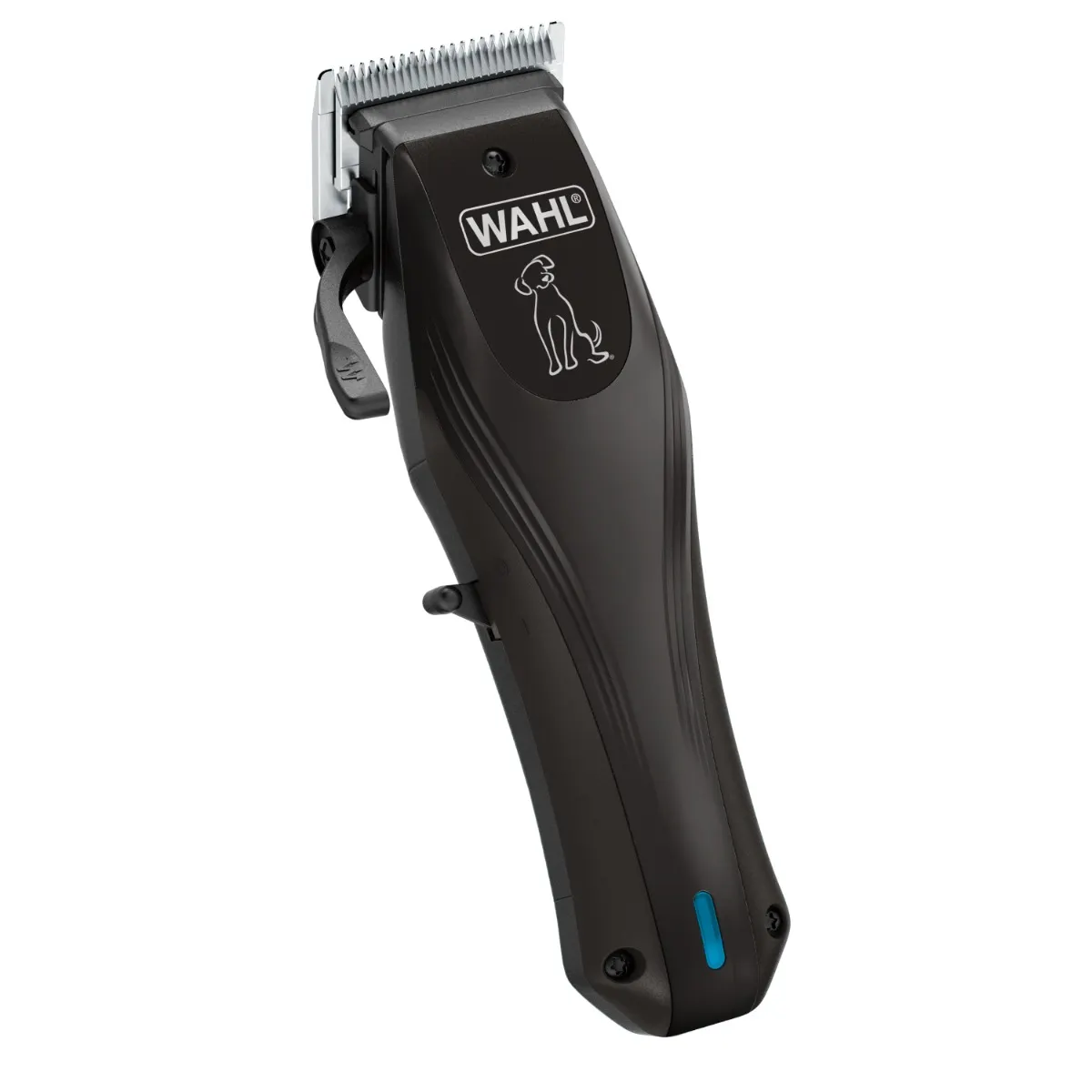
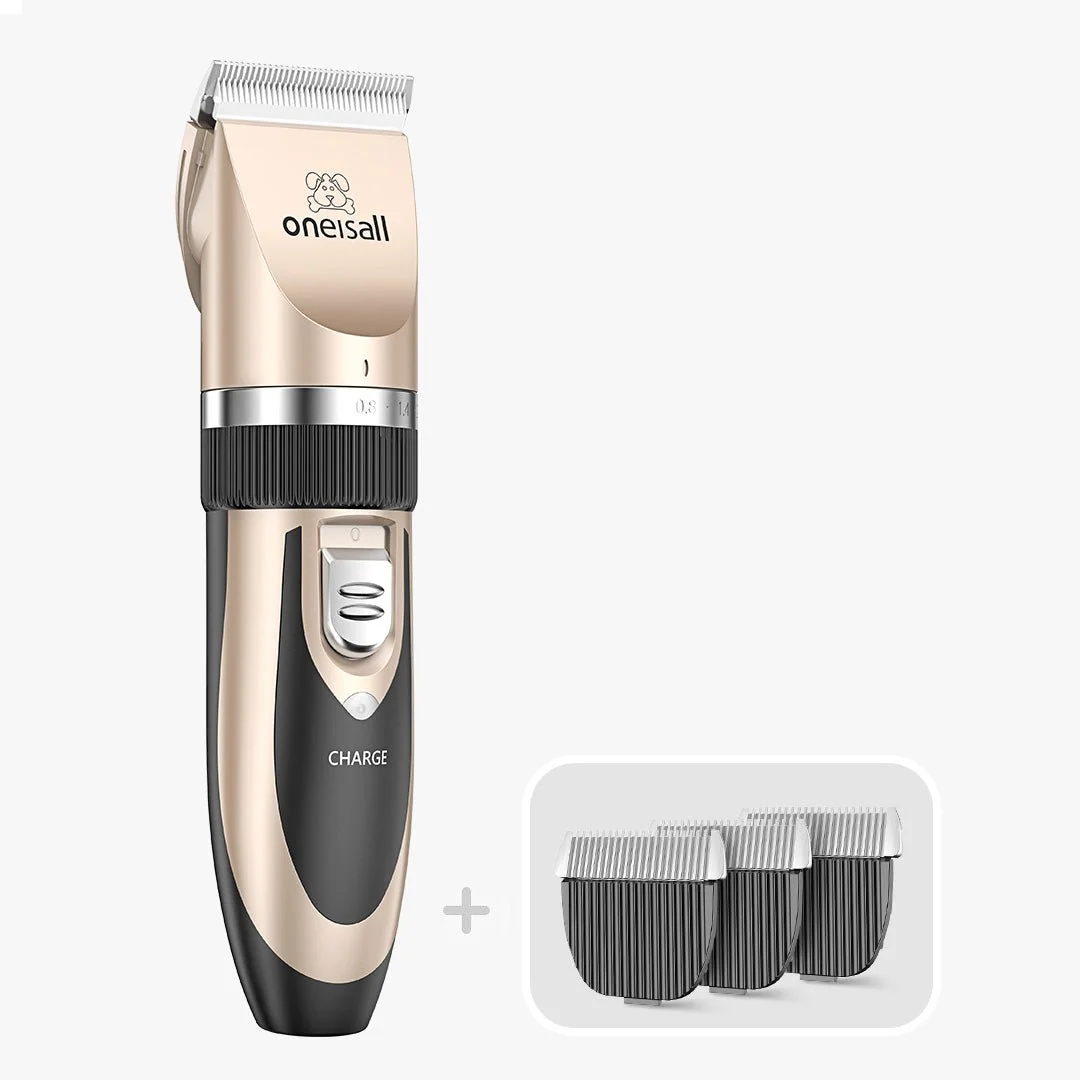
Clippers play a deliberately small role in a heavy shedding grooming system because the tool should never be used to stop shedding by removing the coat. Shaving a double-coated dog destroys the guard hairs and can leave the coat with patchy regrowth that never recovers. Clippers belong in the system for sanitary trims only: the paw pads and the friction zones behind the ears where mats form during a blow. High torque matters in those spots because the dense undercoat loads a blade more heavily than a short coat does, and a pivot motor that stalls forces the user to push harder against thin skin. A rotary motor that holds speed under load keeps the cut clean and the blade cool on a patch of skin that is already under stress from a heavy coat. The biological goal in a heavy shedding grooming system is to remove hair from friction zones only and leave the thermal coat intact.
3.2 Dryers
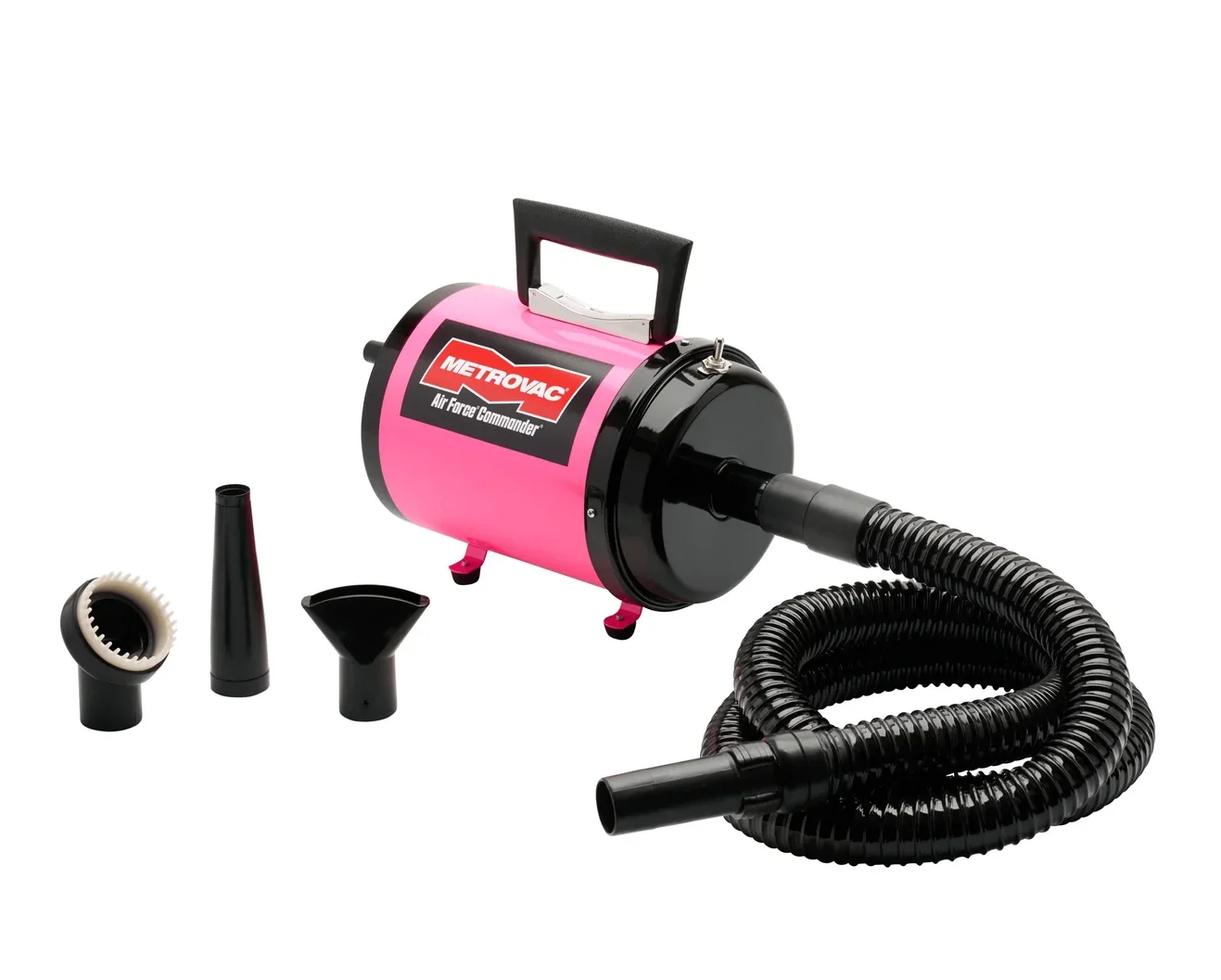
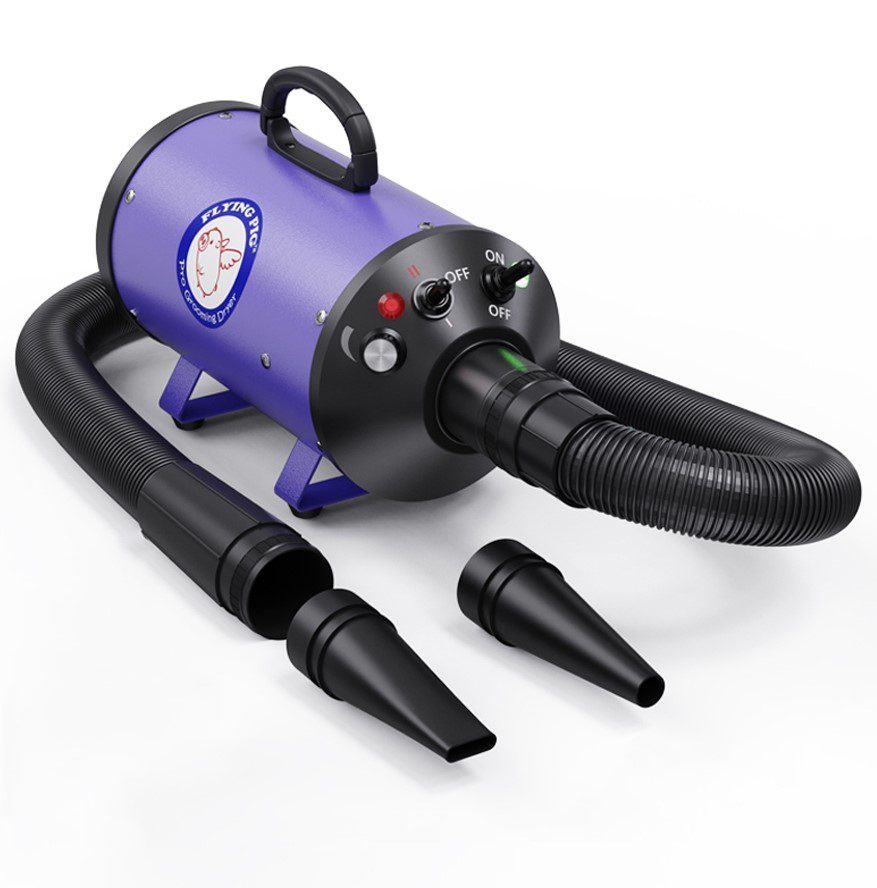
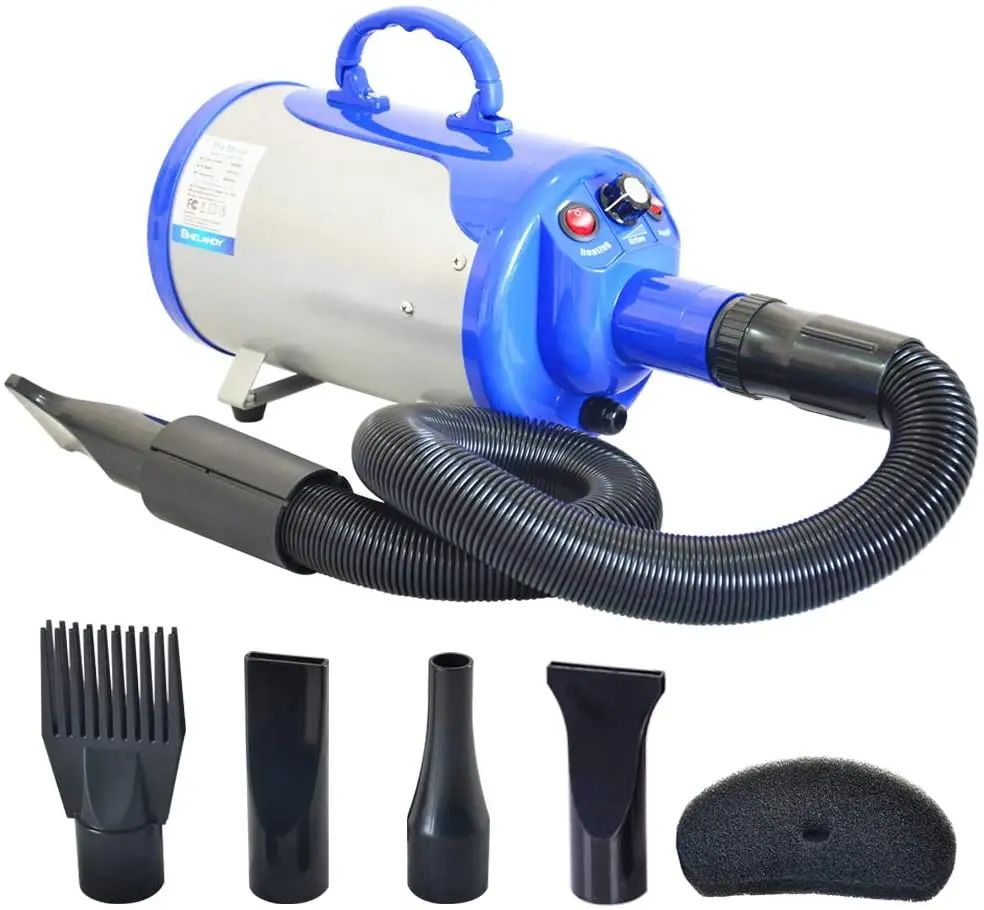
The dryer is the MVP of any heavy shedding grooming system because high-velocity air is the only tool that reaches under the guard hairs and blows dead undercoat out of the coat before it weaves in. Heat is the danger. Velocity is the work. A strong dryer can lift a grocery bag of dead undercoat out of a German Shepherd in fifteen minutes without ever touching the skin with a brush, which saves the dog from the stress of a forty-minute rake session. That matters more than most owners realize, because stress slows the coat cycle and pushes more hair into Telogen. A calm blowout inside a heavy shedding grooming system actually shortens the next blow. Ambient-temperature velocity strips water and dead undercoat together without cooking the skin barrier, and that is why every tier below is judged by airflow and by noise rather than by heat output.
3.3 Vacuums
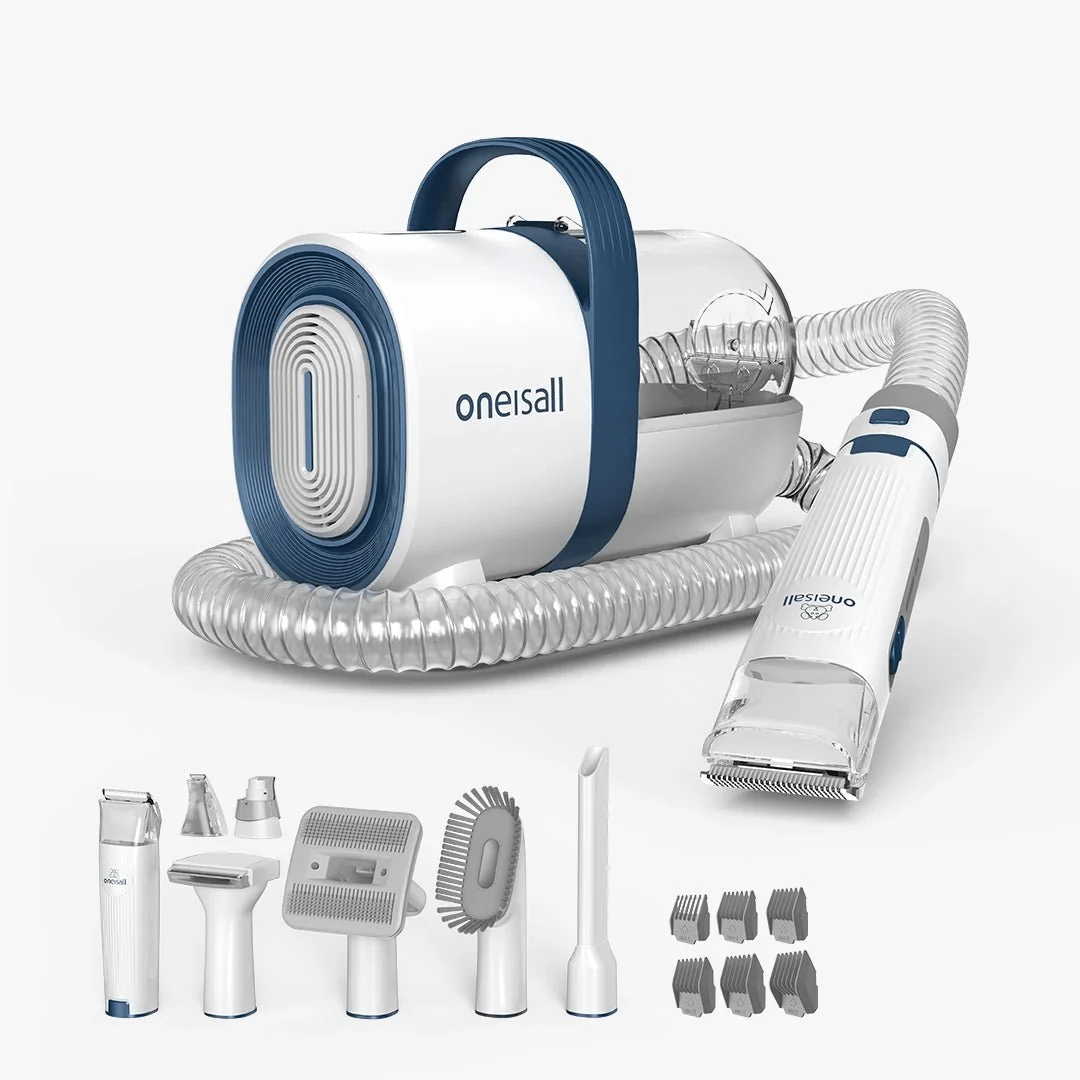
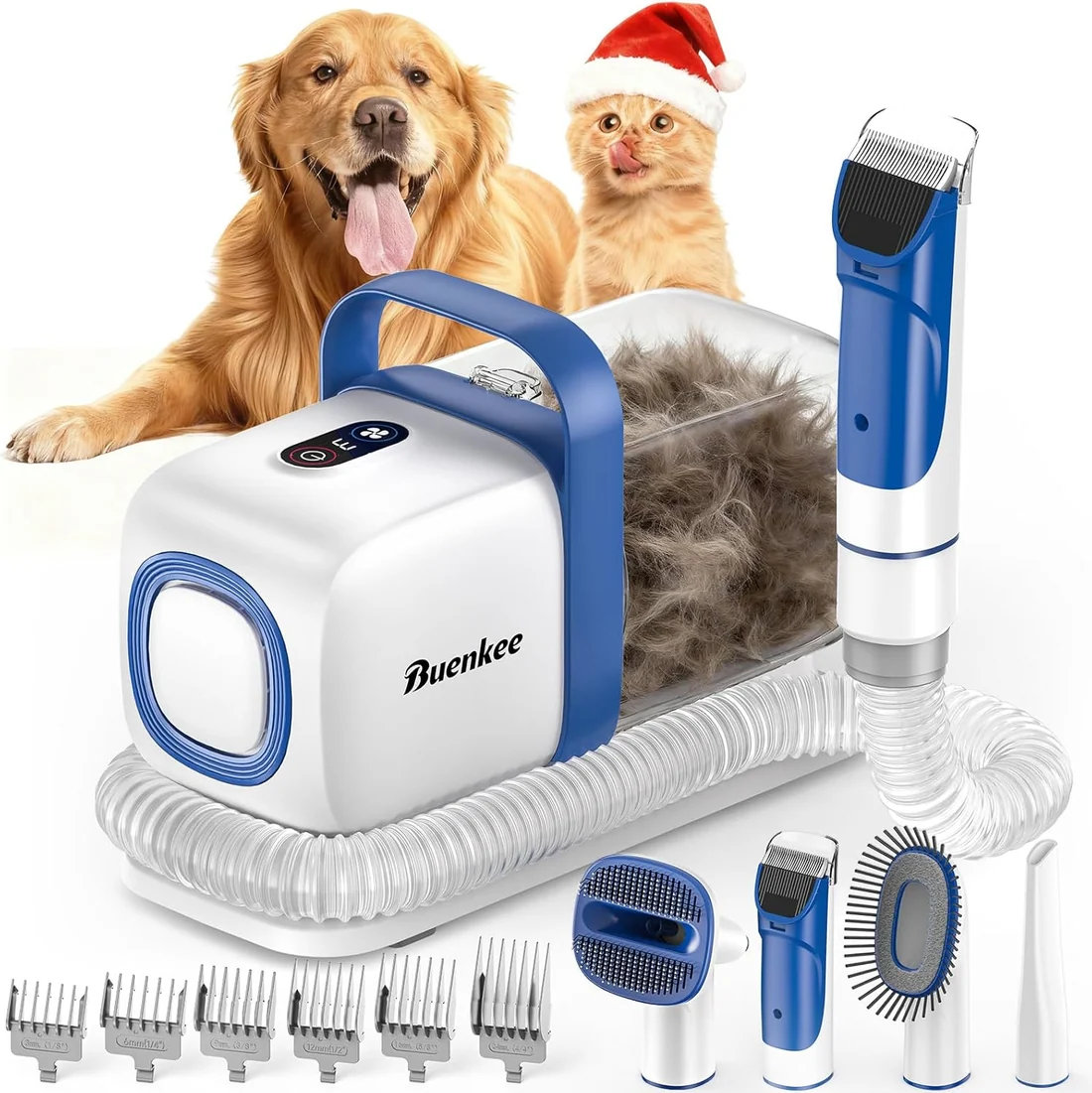
A heavy shedding dog will clog a standard household vacuum within one session, which is why the vacuum inside a heavy shedding grooming system needs a large canister and a motor rated for continuous hair volume. That volume rating is the first variable. The second is the brush head. Stiff bristles on thick undercoat scrape the skin, so the attachment needs rubber tips that grip the hair without abrading the epidermis. Noise is the third variable. A grooming vacuum that whines spooks the dog, and a spooked dog fights the head, which means the undercoat stays in the coat. A low-noise motor keeps the dog standing still so the full pass completes. The biological goal inside a heavy shedding grooming system is to capture what the dryer pushes into the air before it resettles on furniture and skin.
| Product Image | Product Name | Verified Spec | Primary Button / Our Rating |
|---|---|---|---|
Pro Tier: Max Suction |
|
| |
Mid Tier: All-in-One |
|
| |
Budget Tier: High-Capacity Entry |
|
|

3.4 Brushes (The Deshedding Tools)
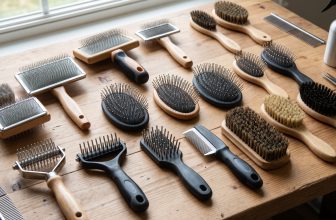
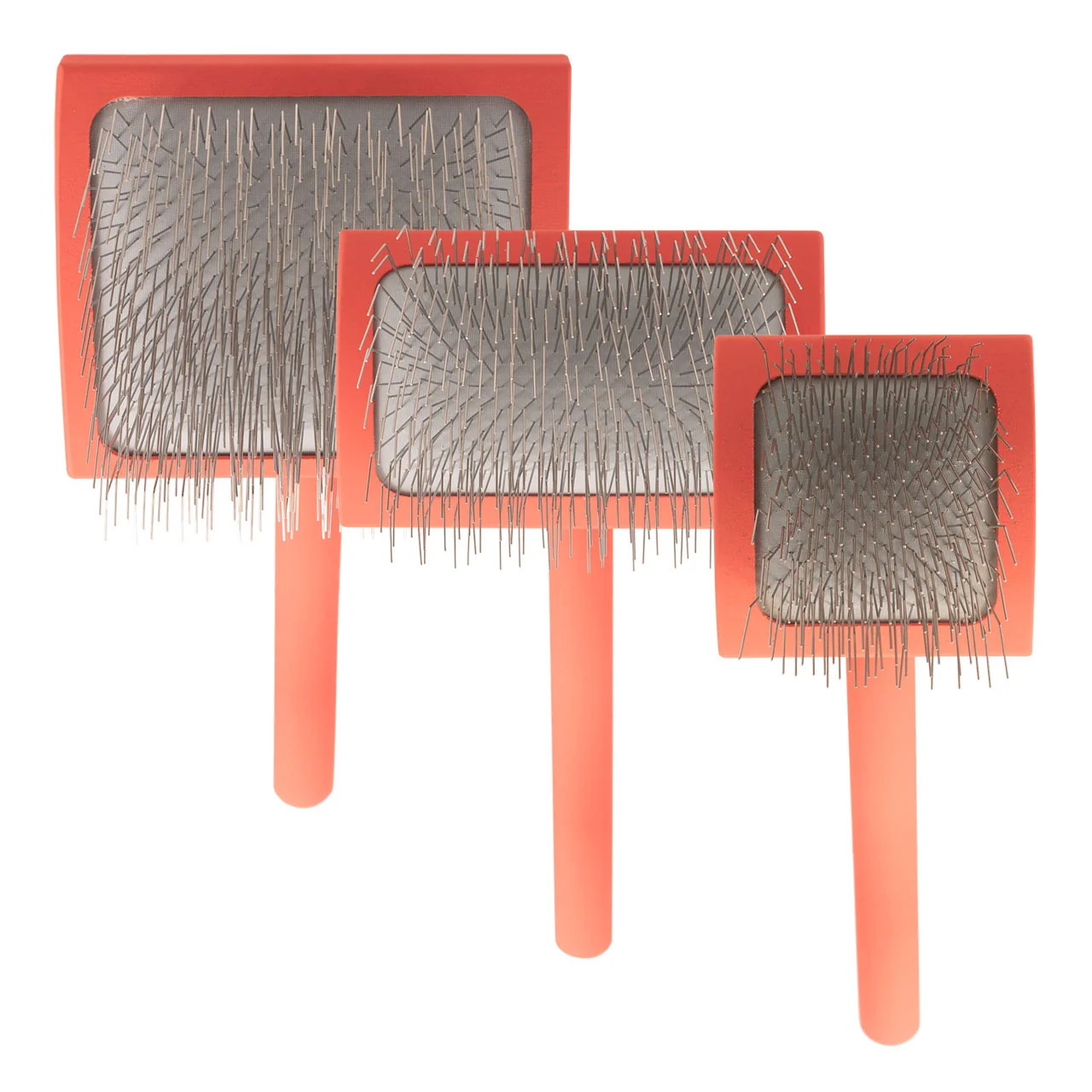
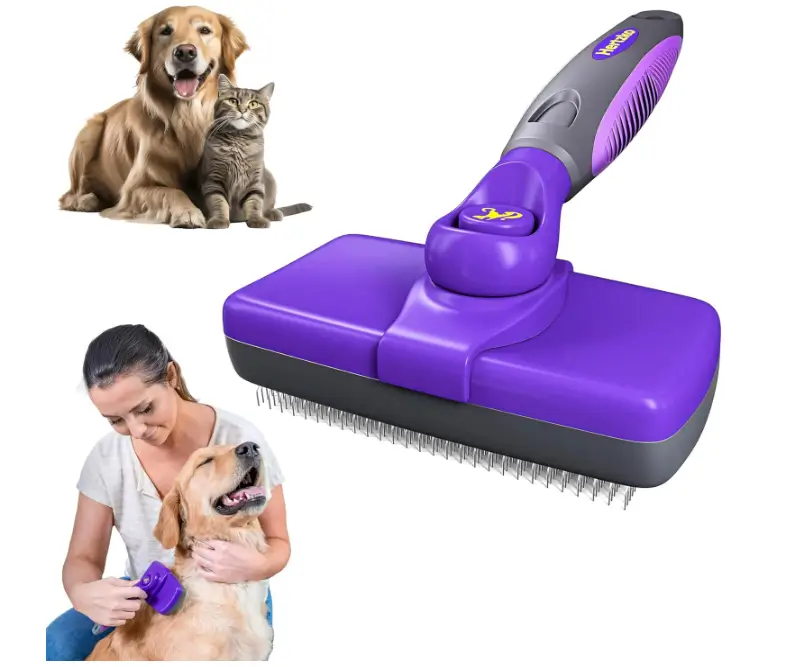
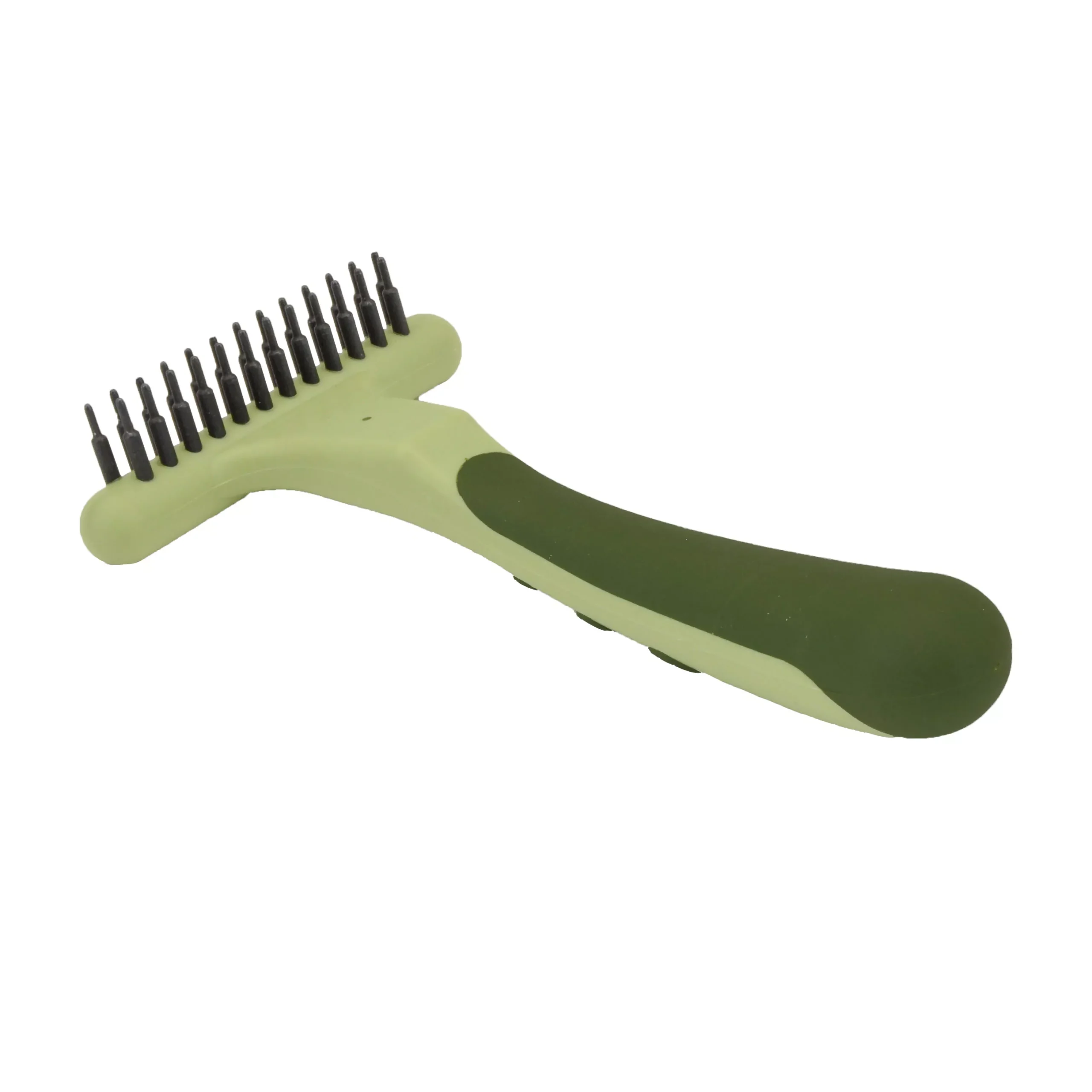
Two brushes do two different jobs inside a heavy shedding grooming system, and neither substitutes for the other. The undercoat rake breaks up impacted undercoat that has packed into felt against the skin. The slicker smooths the topcoat and lifts the last of the loosened hair. Reversing the order wastes both tools, because a slicker cannot reach through a felted undercoat and a rake cannot finish a coat. A Furminator needs extreme caution on a heavy coat because the blade cuts live hair as easily as dead hair, and repeated use on a double coat changes the texture permanently. Dragging a rake through a dry, impacted coat causes brush burn, so the dryer has to run first. That sequence, dryer then rake then slicker, is the mechanical backbone of any heavy shedding grooming system.
| Product Image | Product Name | Verified Spec | Primary Button / Our Rating |
|---|---|---|---|
Pro Tier: Zero Abrasion |
|
| |
Mid Tier: Easy Clean |
|
| |
Budget Tier: Deshedding |
|
|
3.5 Shampoos
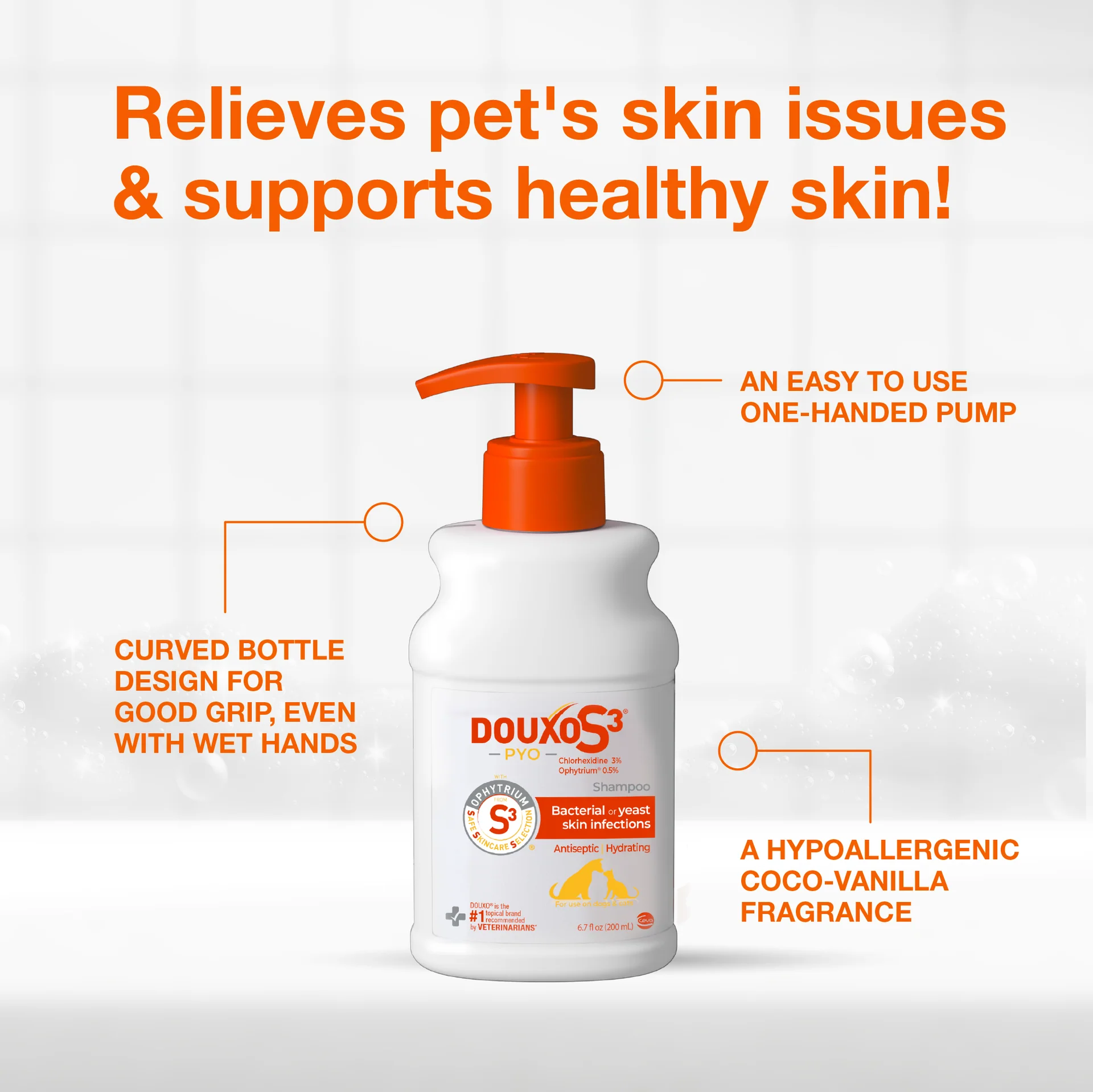
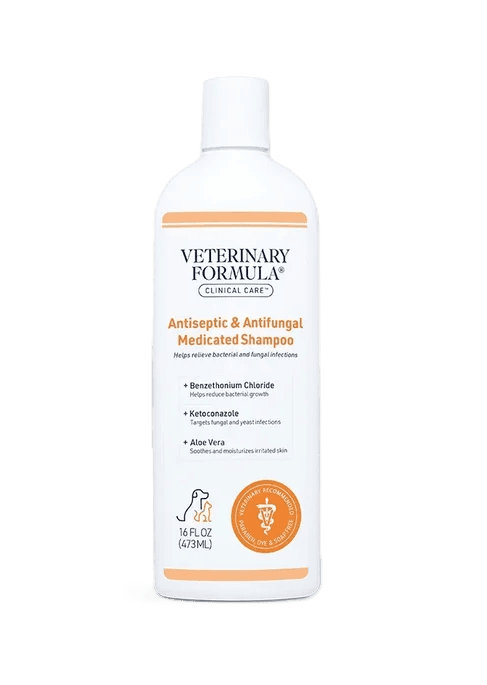
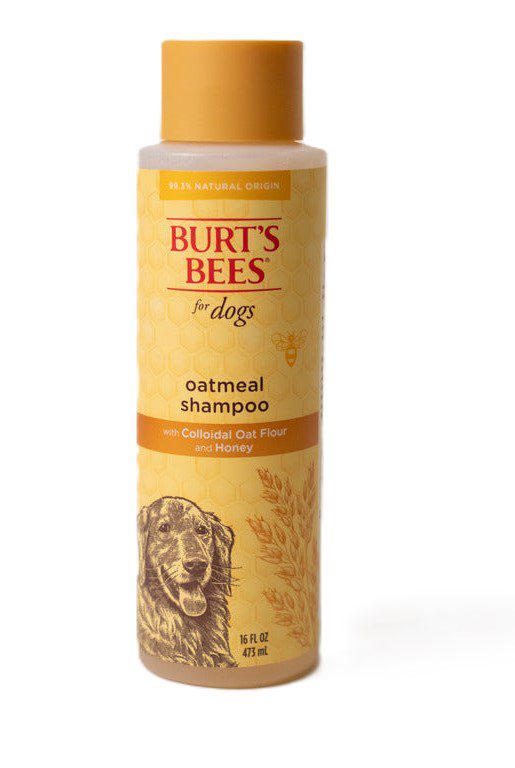
A heavy shedding dog needs a shampoo that supports skin health through the stress of the Telogen phase, because the skin underneath a blowing coat is under real load. Deshedding shampoos help release dead hair from the follicle, which makes the blowout faster and cleaner when the dryer runs. A gentle, pH-balanced formula keeps the acid mantle intact so the skin does not overproduce sebum and leave the coat greasy during the blow. Active ingredients still matter when the skin is compromised. Chlorhexidine and climbazole handle bacterial and yeast infections that hide under a dense coat. Oatmeal soothes dry skin without feeding yeast. Every tier below is judged by whether it supports the skin through a blow rather than by how aggressively it lathers, because the whole point of a heavy shedding grooming system is that the coat cycle finishes clean.
| Product Image | Product Name | Verified Spec | Primary Button / Our Rating |
|---|---|---|---|
Pro Tier: Prescription-Strength Antiseptic |
|
| |
Mid Tier: OTC Medicated |
|
| |
Budget Tier: Barrier-Safe Maintenance |
|
|
3.6 Nails
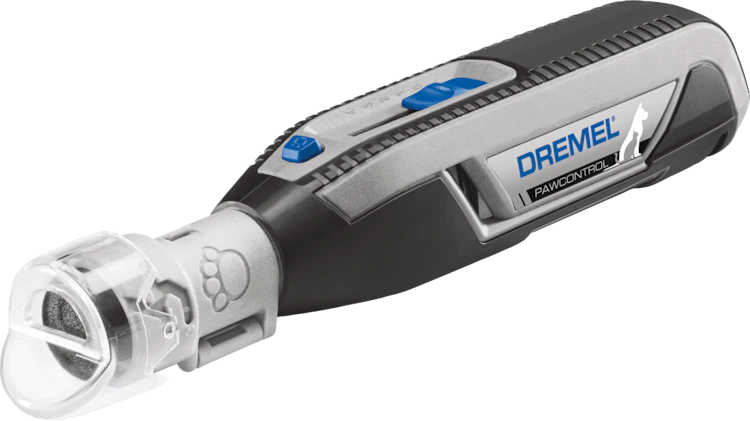
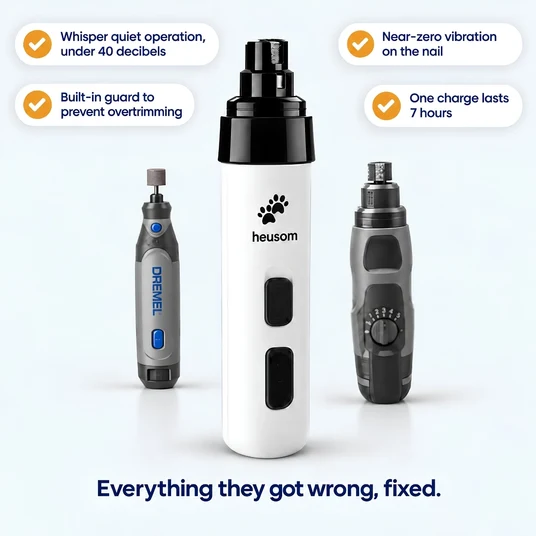
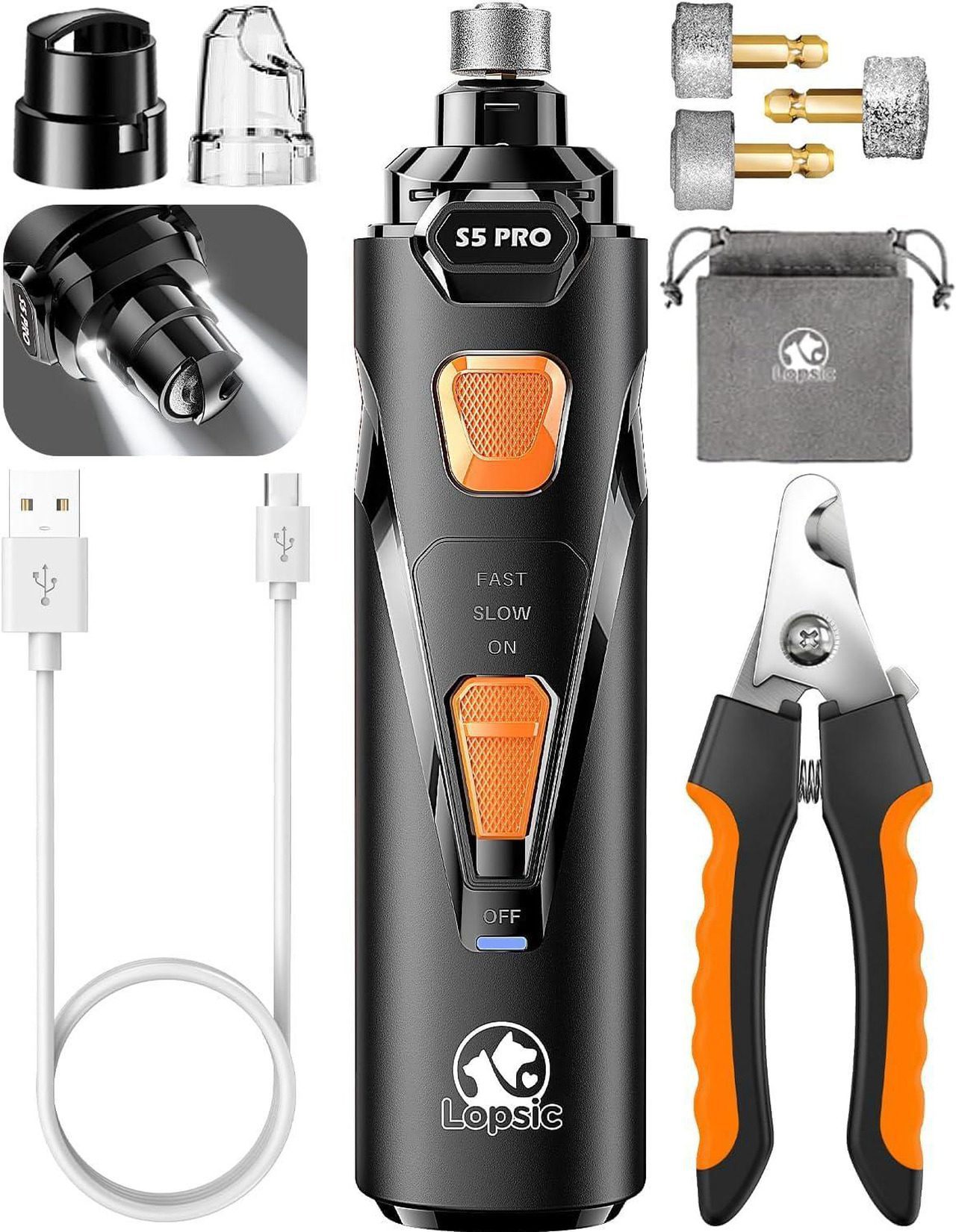
Heavy breeds like Labradors and German Shepherds carry thick, hard nails that guillotine clippers can crush before they cut. A crushed nail sends a pain signal through the quick that teaches the dog to fight paw handling, which is the last thing an owner needs on a dog that already sits through long blowout sessions. A grinder sands the nail in small increments and reaches the precision a clipper cannot on a thick nail. The guard prevents over-grinding past the quick. Noise matters because a heavy-coated dog is often a large, strong dog, and a loud motor turns a cooperative dog into a bracing one. Inside a heavy shedding grooming system, the nail grinder is the tool that keeps the handling positive between long deshedding sessions.
| Product Image | Product Name | Verified Spec | Primary Button / Our Rating |
|---|---|---|---|
Pro Tier: High-Output Precision |
|
| |
Mid Tier: Ultra-Low-Noise Entry |
|
| |
Budget Tier: Whisper-Quiet Desensitization |
|
|
Tool Physics by Heavy Shedding Density
Budget allocation inside a heavy shedding grooming system follows deshedding physics: invest in a high-velocity dryer first because airflow removes roughly seventy percent of loose undercoat on its own. Pair that dryer with an undercoat rake second to clear remaining felt, then add a large-canister grooming vacuum to capture airborne hair.
A heavy shedding grooming system has one non-negotiable spend priority: the dryer comes before the brush. A high-velocity dryer will do roughly seventy percent of the deshedding work on its own, because the air reaches the undercoat layer where the felt forms. The rake and the slicker only handle what the air leaves behind. Owners who buy an expensive brush before a dryer end up fighting a felted undercoat with hand tools, and that fight is both slow for the owner and painful for the dog. Spend the budget on the dryer first, the rake second, and the vacuum third so the hair that blows off the dog gets captured instead of resettling on the couch. A heavy shedding grooming system without a vacuum is only half a system because the air from the dryer pushes hair into the room. Compare options at the grooming tools hub before committing.
| Product Image | Product Name | Verified Spec | Primary Button / Our Rating |
|---|---|---|---|
Pro Tier: Salon Standard |
|
| |
Mid Tier: Cordless Heavy Duty |
|
| |
Budget Tier: Quiet & Light |
|
|
Sensory Check: Brushless vs. Rotary Motors
Motor architecture directly shapes acoustic pitch, palm vibration, and torque stability during extended coat blowouts. Brushless and rotary motors maintain steady speed under dense coat load without high-frequency whining, whereas cheaper pivot motors bog down audibly and transmit excess vibration, triggering defensive stress responses in large double-coated dogs.
Motor type decides what a heavy-coated dog hears and feels during the long blowout sessions that define a heavy shedding grooming system, and heavy breeds have less tolerance for a whining motor than owners expect. Brushless motors eliminate the carbon brush contact that produces the buzzing hum on cheaper cordless units, and they hold a steadier speed as the battery drains. Rotary motors, common in corded clippers and dryers, trade a little weight for torque that does not sag under load. Pivot motors sit at the bottom of the price ladder and slow noticeably under load. That slowdown is audible, and it is the moment a German Shepherd decides the tool is a threat to the whole heavy shedding grooming system.
Noise behaves the same way across dryers and vacuums. A larger impeller turning at lower revolutions moves the same air volume with less high-frequency whine than a small impeller spinning fast. That whine, not the raw airflow, is what most dogs react to first. Published decibel figures vary by distance and measurement method, so verify any number against the manufacturer’s own listing before you rely on it. Vibration travels through the hand as much as the ear, and brushless clippers and grinders pass far less vibration into the palm. Less vibration means less pressure transferred to skin under a dense coat, and less pressure means fewer hot spots on a dog that is already blowing coat.
| Product Image | Product Name | Verified Spec | Primary Button / Our Rating |
|---|---|---|---|
Pro Tier: Lifetime Warranty |
|
| |
Mid Tier: Steel Shell Power |
|
| |
Budget Tier: High CFM Value |
|
|
Clinical Contraindications
Protecting a double-coated dog during seasonal shedding requires strict avoidance of irreversible mechanical errors. Never shave a heavy-shedding coat, run bladed deshedders over matted or sensitive skin, rake dry impacted undercoat before blowing it out, use dull clipper blades, or bathe a dog before removing compacted undercoat mats.
Never shave a heavy-shedding dog to stop shedding. Shaving destroys the guard hairs and permanently alters the growth cycle, and the coat may never return to its original density. Never use a Furminator on a dog with sensitive skin or on a double coat that is already matted, because the blade cuts live hair as easily as dead hair and the damage is invisible until the coat thins out. Never brush a dry, impacted coat. The rake needs the dryer to run first, and brushing a felted undercoat dry causes brush burn and pulls live hair. Never run a dull blade on a heavy coat. A dull blade stalls under the load of a dense undercoat, and the stall-and-push cycle that follows burns the skin underneath. Never bathe a dog with a matted undercoat. Water tightens mats into felt that no dryer can lift. The AVMA veterinary literature documents post-clipping alopecia and thermal regulation failure as real outcomes in double-coated breeds, not cosmetic preferences. Every one of these contraindications inside a heavy shedding grooming system exists because the wrong move during a blow is not reversible in a single coat cycle, and the cost of correcting the damage lands in months of regrowth instead of a single session.
Pre-Groom Volume Checklist
Before powering on high-velocity airflow or touching an undercoat rake to a blowing coat, complete a five-point physical triage. Palpate for felted undercoat, inspect high-friction ear and armpit zones, check skin for inflammation, clear compacted paw-pad hair, and declutter the workspace to manage high-volume hair release safely.
- Pinch the coat. If it feels like felt, you need the rake and dryer, not a brush.
- Check behind the ears and in the armpits. Those are the first friction zones where mats form during a blow.
- Look at the skin. Red or inflamed skin under a heavy coat means consult a vet before any tool touches the dog.
- Check the paw pads for impacted hair. Heavy-shedding breeds pack hair between the pads that hides nail length.
- Clear the room of clutter. You are about to generate a large volume of hair, and a clear floor makes the cleanup faster.
Never groom a dog with active skin lesions or a fever. Refer to a veterinarian first. The full guides index covers breed-specific coat cycle variations that change how a heavy shedding grooming system should be tuned.
Interlude: The Dry-First Method
The dry-first method reverses traditional brushing order by running a high-velocity dryer across a dry coat before using any rake. Concentrated ambient airflow breaks mechanical friction between shed undercoat fibers and lifts loose hair out in sheets, allowing the undercoat rake to glide through afterward without snagging or burning skin.
The dry-first method is what separates a working heavy shedding grooming system from a slow, painful one. You run the high-velocity dryer over the coat before the rake ever touches it. The air breaks the mechanical bonds between dead undercoat hairs and lifts them out of the coat in a stream. That stream is the entire reason the dryer is the MVP of the system. Once the coat is dry and the undercoat has been loosened, the rake moves through without dragging.
In our own shop testing on a blowing German Shepherd, switching from a rake-first routine to a fifteen-minute ambient dryer pass cut hand-brushing time in half and eliminated static snapping at the hindquarters.
Brushing a dry, impacted coat without the dryer first hurts the dog and wastes the owner’s time. The rake catches on the felt, the dog pulls away, and the felt tightens against the skin with every pass. Dry-first prevents that cycle inside any heavy shedding grooming system. The PetMD dog bathing guide covers how dry-first timing fits into a bath schedule so the coat dries clean and the next blow is easier.
Clinical Citations & Vet Disclaimer
The AKC grooming resources and the FCI breed standards describe the double coat as a two-layer thermal structure that depends on a live, unmatting undercoat to regulate heat. Shaving that structure off to stop shedding removes the thermal layer the breed was built around, and the coat may never return to its original density.
Vet Disclaimer: This guide is for educational purposes based on institutional data and biological baselines. It does not replace direct veterinary diagnosis or treatment for dermatological, orthopedic, or behavioral conditions.
Read more about our editorial standards and our lead author’s credentials.
Related Cluster
Different heavy-shedding breeds require tailored grooming schedules. The breed protocols hub details coat density and blowout timing by breed. The Labrador Retriever breed guide covers shorter double coats that shed year-round, while the German Shepherd breed guide addresses heavy twice-yearly blowouts.
Frequently Asked Questions
Does shaving my dog stop it from shedding?
No. Shaving cuts the hair off at the surface but does not change the follicle cycle, so the dog still sheds. Worse, shaving destroys the guard hairs that regulate temperature, and post-clipping alopecia can leave the coat permanently thinner. A heavy shedding grooming system removes dead undercoat without cutting live hair.
Why is my dog shedding so much all year round?
Indoor lighting and central climate control flatten the photoperiod signal that triggers two distinct blowouts per year, so the cycle spreads into a continuous low-grade shed. Diet and thyroid issues can also push more hair into Telogen. Rule out medical causes before you adjust the heavy shedding grooming system.
How often should I bathe a heavy shedding dog?
Every four to six weeks during a blow and every six to eight weeks between cycles. Bathing more often strips the sebum layer that keeps the coat from matting, and bathing a matted undercoat tightens the felt into a plate. Dry-first, then bathe, then dry again is the sequence that works.
Can I use a human vacuum on my dog?
No. Household vacuums are loud, have metal or hard plastic heads, and can pull skin into the intake. A grooming vacuum built for the job has a rubber-tipped head and a low-noise motor so the dog stands still during a heavy shedding grooming system session.
What is the fastest way to get rid of dog hair in the house?
Capture the hair at the source. Run the high-velocity dryer during a blow to push dead undercoat off the dog before it drops, then vacuum with a rubber-tipped head. That two-step sequence inside a heavy shedding grooming system removes more hair than any floor tool alone.


The PGA Hardware Desk analyzes and verifies mechanical specifications (SPM, CFM, motor torque, blade metallurgy) against biological and veterinary baselines. We do not accept payment for positive reviews. Our recommendations are derived from a synthesis of manufacturer technical data, veterinary ergonomics, and aggregated professional user experiences.