Feline nutrition diverges from canine nutrition at the level of basic physiology. Cats are obligate carnivores, and their digestive anatomy reflects a strict adaptation to animal tissue (Zoran, JAVMA, 2002). The gastrointestinal tract is short, and carbohydrate digestion is limited. Several nutrients that other mammals synthesize internally must arrive preformed in the diet. Taurine sits at the top of that list. A deficiency produces irreversible retinal degeneration and dilated cardiomyopathy, and the damage advances well before any outward sign appears (Pion et al., Science, 1987). This protocol dissects the biology that makes feline nutrition a discipline of its own, weighs the moisture content of wet diets against dry kibble, and outlines the macronutrient profile that sustains feline health across life stages.
Written by: PGA Nutrition & Dietetics Desk
Reviewed by: PGA Editorial Board (Zaheer Aujla, Head of Board)
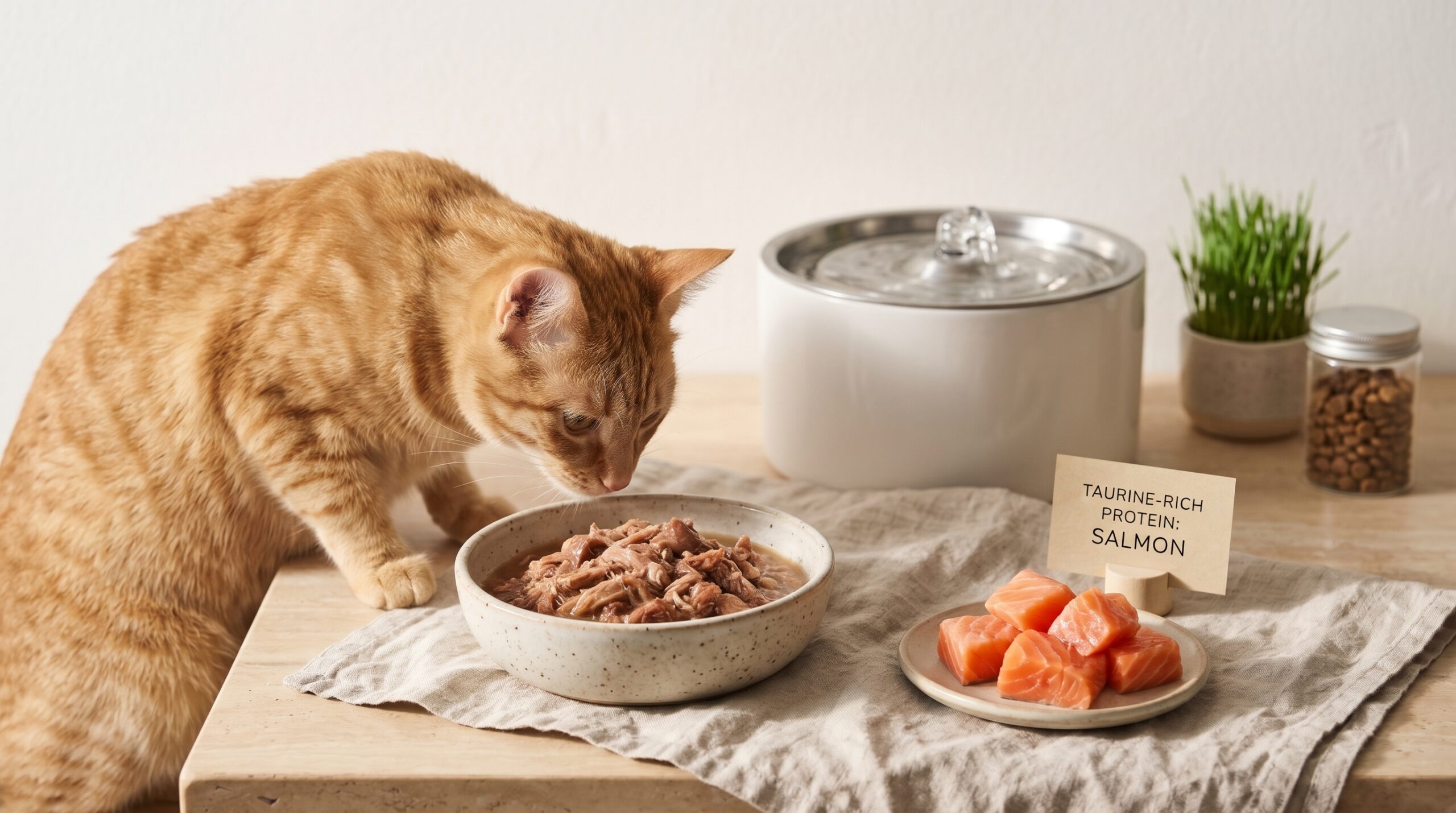
1. Clinical Answer & Dietary Triage
The clinically sound approach to feline nutrition builds every meal on named animal protein with a guaranteed taurine level, adds moisture wherever possible, and keeps carbohydrate content low on a dry matter basis. Taurine degrades during thermal processing, so the manufacturing method matters as much as the ingredient list (AAFCO, 2024 Official Publication). A wet ration delivers both the amino acid and the water that cats evolved to obtain from prey (Zoran, JAVMA, 2002). Dry kibble can meet nutrient minimums, but it concentrates urine and shifts the hydration burden onto a species whose thirst drive runs weak by design (AAFP and ISFM Environmental Needs Guidelines, 2013). Matching protein source, moisture level, and carbohydrate load to the individual cat’s life stage and urinary history is the practical foundation of feline nutrition.
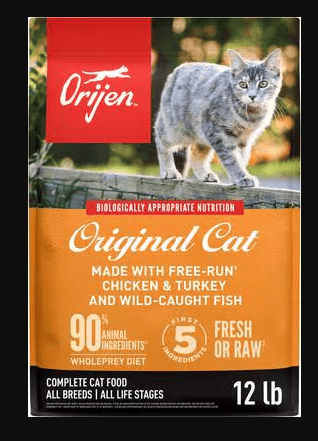
For high-protein, species-appropriate nutrition (Pro Tier):
(affiliate link)
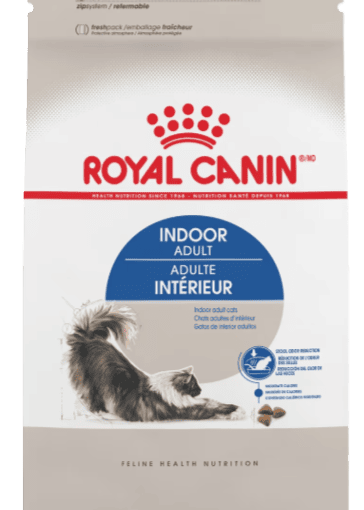
For vet-backed clinical consistency (Mid Tier):
Royal Canin Feline Health Nutrition
(affiliate link)
For accessible, complete daily nutrition (Budget Tier):
(affiliate link)
2. The Nutritional Biochemistry Context
An obligate carnivore is a species whose physiology requires nutrients found in animal tissue and whose body cannot manufacture those nutrients from plant precursors. Feline nutrition rests on that definition. Cats lack the enzymatic pathway to convert cysteine into taurine, so taurine must be consumed preformed. They cannot synthesize arachidonic acid from linoleic acid because delta-6-desaturase activity is minimal, and they cannot convert beta-carotene into retinol, so vitamin A must arrive as the active form (NRC, Nutrient Requirements of Dogs and Cats, 2006). Each limitation narrows the range of diets that can sustain a cat without supplementation.
Feeding a dog food to a cat is a medical risk, not a matter of preference. Canine formulas are not required to meet feline taurine minimums, and the protein density sits below what a cat needs (AAFCO, 2024 Official Publication). A cat maintained on dog food can develop taurine deficiency over time, and the first clinical sign may be reduced vision rather than anything obviously nutritional (Pion et al., Science, 1987). Plant-based diets can create the same deficit from a different direction, because soy and corn supply protein without the amino acid pattern the cat requires (NRC, 2006). The cat nutrition library covers the species-specific requirements behind feline nutrition in greater depth.
The Association of American Feed Control Officials publishes feline nutrient profiles that establish minimum taurine levels for both canned and dry products, and those minimums differ because extrusion degrades the amino acid more aggressively than canning (AAFCO, 2024 Official Publication). A formula that meets the feline profile is the baseline for feline nutrition, not the ceiling. The AKC nutrition library provides a useful general reference on how commercial pet foods are evaluated, and the cat food archive documents how feline nutrition products are scored before review.
3. The Ingredient & Strain Matrix
Three pillars structure a feline diet that respects obligate carnivore biology. Animal protein and its taurine content establish the amino acid foundation. Moisture content determines whether the cat’s urinary system stays diluted or concentrates waste. Carbohydrate tolerance governs glycemic response and body composition over years of feeding. Each pillar can be read from a label with practice, and each one carries more weight in feline nutrition than the crude protein percentage printed in large type on the packaging.
3.1 Taurine & Animal Protein
Taurine degrades under heat, and the rendering and extrusion process reduces a measurable fraction of what the raw ingredient supplied (AAFCO, 2024 Official Publication; Spitze et al., Journal of Animal Science, 2003). That is why feline nutrition formulas must guarantee taurine levels at the finished product stage rather than at formulation. AAFCO sets the feline minimum at 0.10% in extruded diets and 0.20% in canned products on a dry matter basis, and the higher canned figure reflects the assumption that canned formulas retain less during processing. Plant proteins cannot substitute, because soy and corn contain no taurine at all. A 30% crude protein kibble built on corn gluten delivers nitrogen without the amino acid the cat needs, and the deficiency accumulates silently. Retinal degeneration progresses from the central retina outward, and dilated cardiomyopathy reduces cardiac contractility until heart failure becomes clinically apparent (Pion et al., Science, 1987). Named animal proteins with a documented taurine guarantee are the only defensible foundation for feline nutrition.
Clinical Verdict: Feline nutrition must be built on named animal proteins that guarantee taurine levels to prevent cardiomyopathy and retinal degeneration.
3.2 Moisture Content & Renal Health
Cats evolved as desert hunters, and their thirst drive reflects that ancestry (Zoran, JAVMA, 2002). Cats fed dry food consume roughly half the water of cats fed canned food at the same caloric intake (Zoran, 2002). The deficit shows up in urine concentration, which raises the risk of struvite and calcium oxalate crystal formation and contributes to the chronic dehydration that precedes feline kidney disease diagnoses (AAFP and ISFM Environmental Needs Guidelines, 2013). Canned food typically contains high moisture, at approximately 75% to 80% of product weight, which moves water intake closer to what a cat would obtain from prey (Case et al., Canine and Feline Nutrition, 3rd ed.). Feline idiopathic cystitis shows a documented association with low water intake and stress, and increasing moisture is a first-line environmental modification in the AAFP and ISFM guidelines. Feline nutrition planning that ignores moisture leaves half the renal picture unaddressed.
Clinical Verdict: Wet food is biologically superior for feline hydration and renal health. If feeding dry, water intake must be monitored strictly.
3.3 Carbohydrate Tolerance & Glycemic Load
Cats lack salivary amylase, the enzyme that begins starch digestion in the mouth for omnivores, and their pancreatic amylase activity runs lower than that of dogs (Zoran, JAVMA, 2002). The practical consequence is a blunted capacity to process the carbohydrate load typical of dry kibble, which can constitute a substantial portion of dry matter in many maintenance formulas. Postprandial blood glucose rises further and stays elevated longer in cats fed high-carbohydrate diets, and the repeated insulin demand contributes to obesity and to the insulin resistance that precedes diabetes mellitus (Verbrugghe and Hesta, Journal of Animal Science, 2017). AAFCO sets no minimum carbohydrate requirement for cats, because none exists. Feline nutrition guidelines from the WSAVA Global Nutrition Committee and the AAFP both favor diets low in carbohydrate and high in animal protein and fat.
Clinical Verdict: Feline diets should be low in carbohydrates, under 10% on a dry matter basis, and high in animal protein and fat.
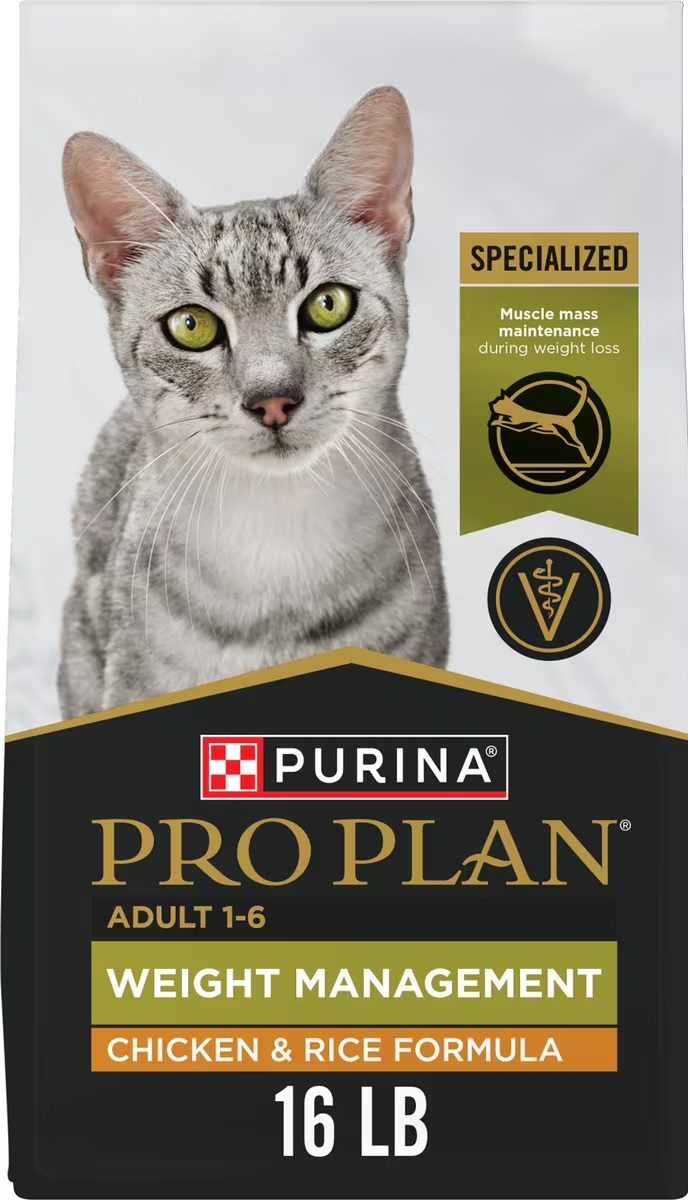
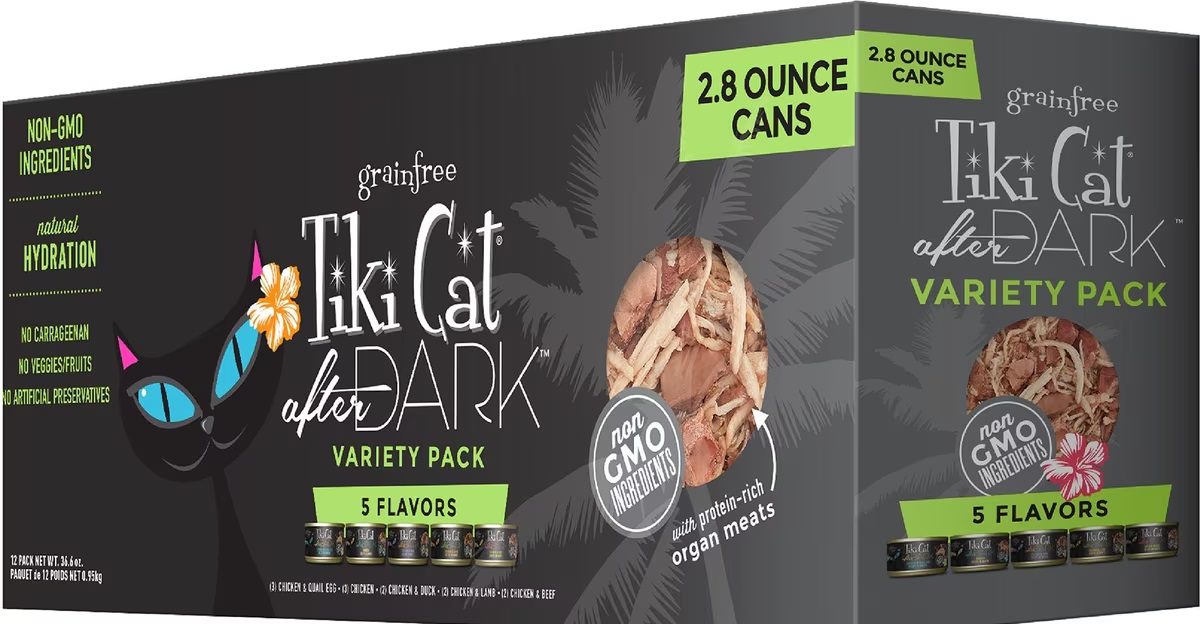
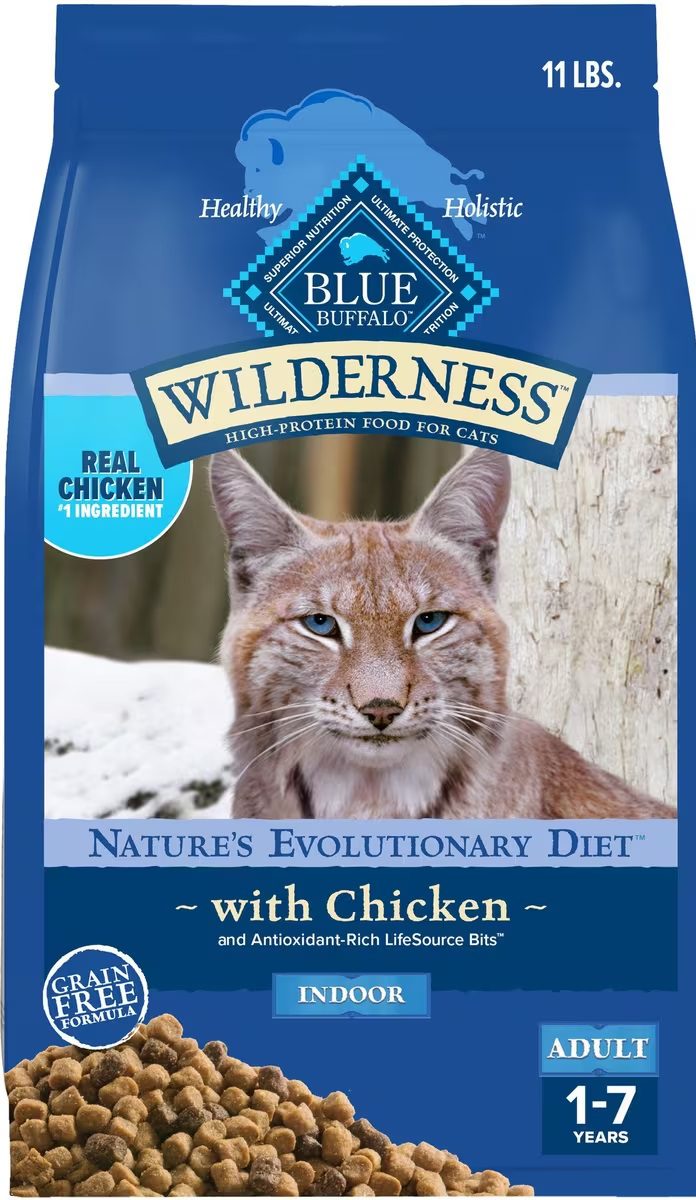
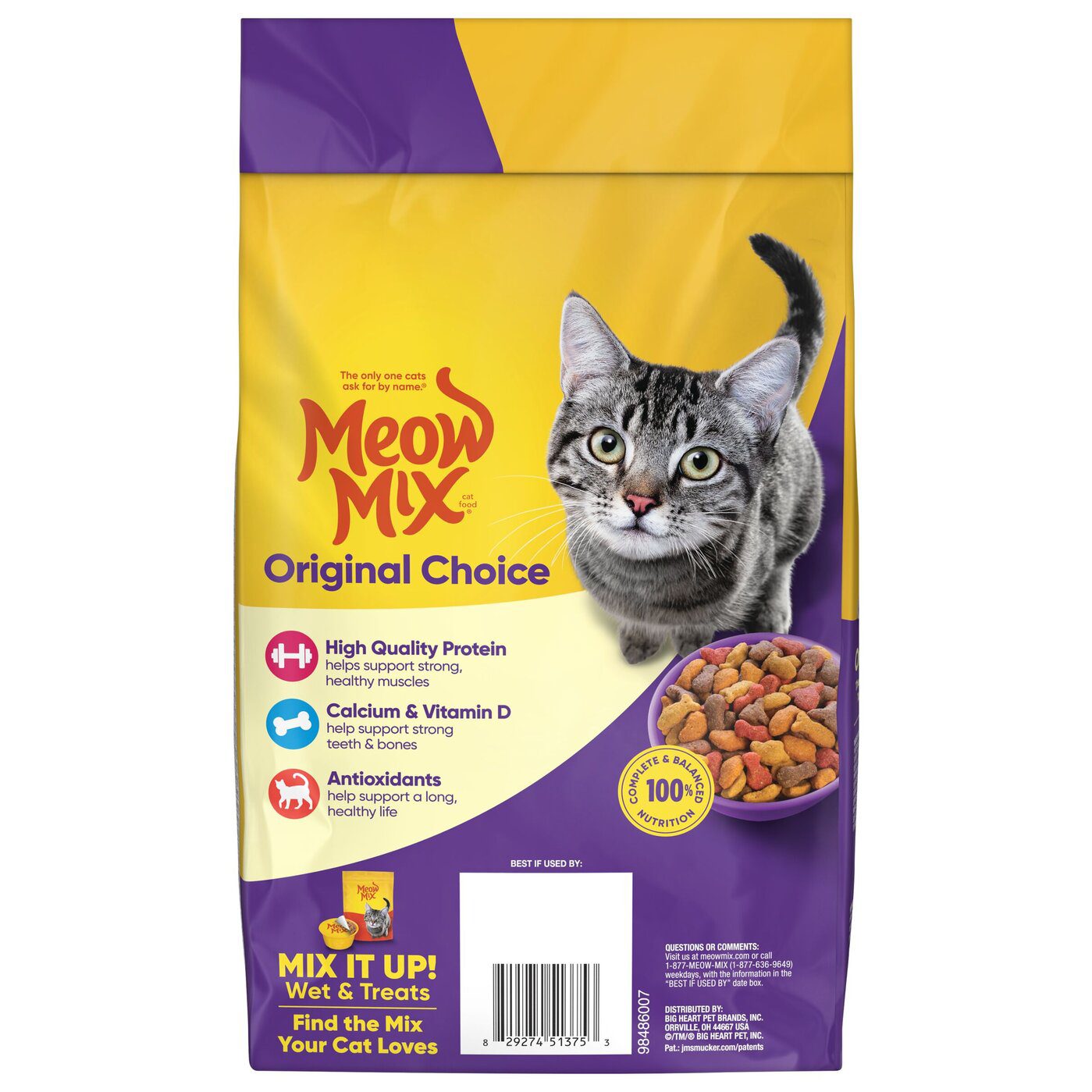
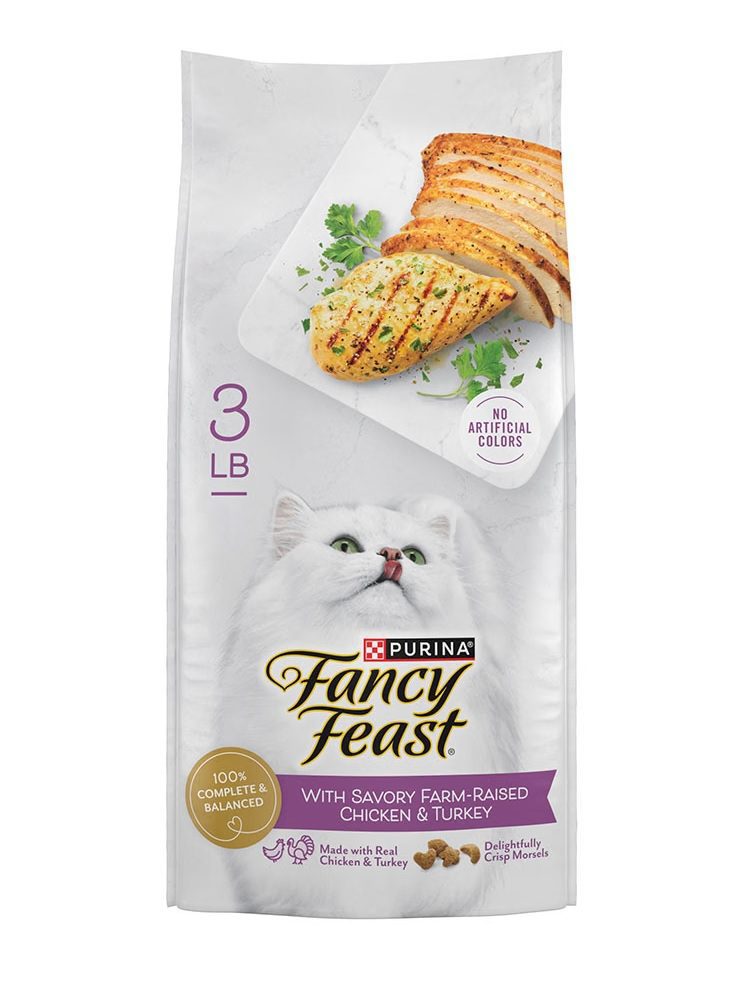
| Product Image | Product Name | Primary Button / Our Rating |
|---|---|---|
Luxury Ancestral Anchor |
| |
Vet-Backed Digestive |
| |
High-Volume Essential |
| |
Species-Appropriate Wet |
| |
Grain-Free Retail Favorite |
| |
Maximum Cost Efficiency |
| |
High-Velocity Hydration |
|
4. The Therapeutic Administration Protocol
Transitioning a cat to a new diet requires more patience than the canine equivalent, because cats are neophobic by nature and reject unfamiliar food in a way that can be surprising (Case et al., Canine and Feline Nutrition, 3rd ed.). A slower ten to fourteen day ladder is often recommended for cats. Offer 10% new food to 90% old for the first three days, then move to 25/75, then 50/50, then 75/25, and finish on full transition. Warming the food to body temperature can make it more appealing to some cats, because aroma influences feline appetite. Match the texture of the current diet first, pate to pate or shreds to shreds, and change texture only after the protein base is accepted. Never withhold food to force acceptance, because a cat that refuses food for more than 48 to 72 hours risks hepatic lipidosis (Center, Veterinary Clinics of North America, 2005). The full transition framework for feline nutrition is documented in the cat food archive.
5. Adverse Events & Contraindications
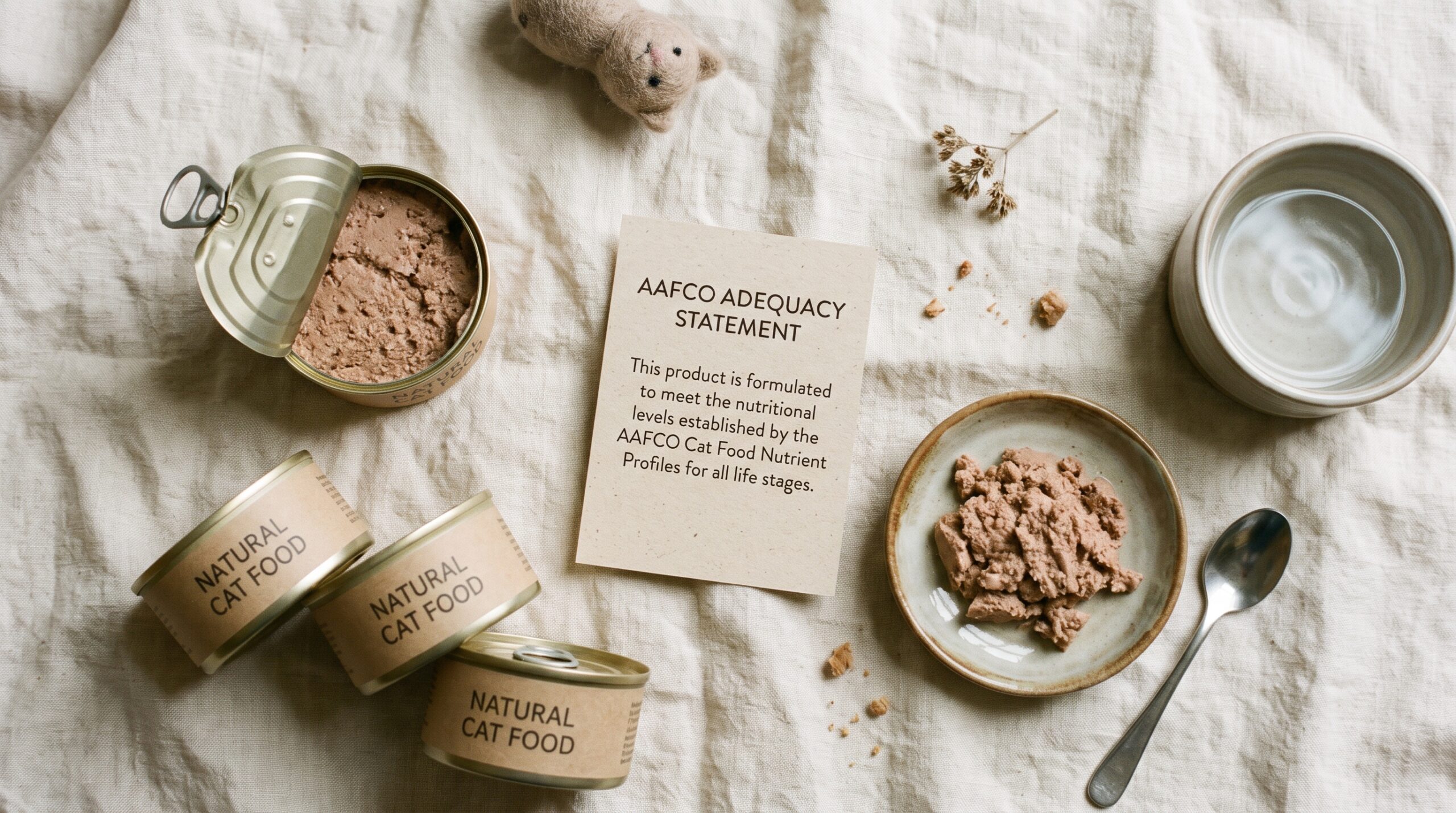
Never feed a cat a vegetarian or vegan diet. Plant proteins contain no taurine, and the resulting deficiency produces retinal degeneration and dilated cardiomyopathy that cannot be reversed once the photoreceptors are lost (Pion et al., Science, 1987). Never feed dog food to a cat. Canine formulas are not required to meet feline taurine minimums, and they lack adequate arachidonic acid and preformed vitamin A, which makes long-term feeding a slow route to deficiency (NRC, 2006). Never transition a cat abruptly to a new food. Sudden dietary change in a neophobic species triggers food aversion that can persist for months, and the resulting refusal carries a real risk of hepatic lipidosis (Center, 2005). Never feed a cat a diet high in carbohydrates. The repeated insulin demand from starch-heavy kibble contributes to obesity and to the insulin resistance that precedes feline diabetes (Verbrugghe and Hesta, 2017). Never assume every wet food is complete. Check the AAFCO nutritional adequacy statement on the label, because some products are labeled as complementary or supplemental and are not formulated to serve as the sole diet in a feline nutrition plan (AAFCO, 2024 Official Publication). Never feed raw fish as a staple, because thiaminase in raw fish destroys thiamine and produces a neurologic deficiency (NRC, 2006). Never feed toxic human foods such as xylitol, grapes, onions, or chocolate to a cat, because those toxins can cause severe illness and compound any gastrointestinal upset (Pet Poison Helpline). Never substitute human probiotic products for veterinary probiotics during a diet transition. Human strains are selected for the human gut and doses can trigger severe gastrointestinal distress in a cat already adapting to a new formula (WSAVA Global Nutrition Committee). Never ignore a cat that stops eating after a diet change. Anorexia in cats is a medical event rather than a behavioral quirk, and prolonged refusal drives hepatic lipid accumulation (Center, 2005). Consult a veterinarian before introducing a new feline food while the cat is on antibiotics or recovering from illness, because the clinical picture during antibiotic therapy is complex and simultaneous variables complicate interpretation of any dietary response. The AVMA literature on feline nutritional requirements and deficiency states informs this guidance, and the primary source at JAVMA should be reviewed before altering any feline nutrition protocol for a cat with a urinary or cardiac history.
6. Pre-Diet Assessment Markers
Seven markers establish a baseline before any feline nutrition change begins. Without them, improvement cannot be measured objectively.
- Stool Quality: Evaluate using the Bristol Stool Scale, where a score of 3 or 4 indicates optimal hydration and form. Photograph the stool daily for the first week of the transition.
- Body Condition Score (BCS): Determine if the cat is underweight, ideal, or overweight on a 1 to 9 scale. Weigh monthly, because small changes in feline body mass carry large clinical meaning.
- Gastric Distension: Monitor for abdominal bloating or discomfort one to two hours after eating, since timing separates gastric from intestinal signs and flags a formula that ferments too quickly.
- Hydration Status: Check for skin tenting at the scruff and monitor daily water intake. Note whether the cat drinks from a bowl, a fountain, or a running tap.
- Skin & Coat Quality: Check for dandruff, greasiness, or erythema along the belly and flanks, which indicate poor fat metabolism or an essential fatty acid deficit in the feline nutrition plan.
- Antibiotic History: Review recent medical history, because antibiotic therapy is a relevant clinical variable that can complicate interpretation of digestive changes during the transition window.
- Urinary Output: Monitor litter box clumps for size and frequency, which indicate renal health and urine concentration.
Never change a cat’s diet without consulting a veterinarian, especially if the cat has a history of urinary blockages or kidney disease. The practical care guides cover the owner-side logistics of a structured transition for feline nutrition.
6.1 Sensory Check: Palatability and Feeding Response
The cat’s willingness to eat signals whether the new feline nutrition plan is palatable enough to sustain long-term adherence. Watch for acceptance at the bowl, rate of consumption, and any sign of refusal, lip curling, or turning away. A diet that requires force-feeding fails clinically because cats develop persistent aversion after a single unpleasant meal. Smell the food before serving. A fresh, meaty aroma is normal, while a rancid or sharply acidic smell signals oxidized fat and a degraded batch. Observe stool within 24 to 48 hours of a new formula and log texture, color, frequency, and any blood or mucus present. These are owner-side observations, not diagnostic criteria, but they surface problems faster than a follow-up appointment.
The Hydration Crisis
Chronic dehydration in cats operates as a slow, cumulative stress on the kidney. The feline kidney concentrates urine efficiently, which allowed the species to survive on limited water in arid environments, but that same efficiency means a dry diet pushes the organ into constant high-concentration duty (Zoran, 2002). Over years, the nephrons that perform that concentration work wear down, and chronic kidney disease can become detectable only after significant function loss (AAFP and ISFM Environmental Needs Guidelines, 2013). The AAFP and ISFM guidelines list increased water intake as a core management strategy for cats with kidney disease and for cats with feline idiopathic cystitis.
Practical hydration tools support any feline nutrition plan. A circulating water fountain may encourage drinking for some cats, since moving water can draw more feline interest than still water. Wide ceramic bowls can reduce whisker contact and keep the water surface visible. Adding a tablespoon of warm water to a wet meal raises moisture intake without altering the nutrient balance, and some cats may accept the change without objection. Multiple water stations placed away from food and litter boxes can give the cat more opportunities to drink in passing. The PetMD cat nutrition reference covers the hydration side of the diet in more depth.
7. Clinical References & Nutritional Disclaimer
According to veterinary nutrition literature on taurine and feline metabolism, cats cannot synthesize taurine endogenously and depend on dietary supply, and deficiency produces central retinal degeneration and dilated cardiomyopathy. The AAFCO feline nutrient profiles set minimum taurine levels that differ between extruded and canned products because processing degrades the amino acid (AAFCO, 2024 Official Publication; Pion et al., Science, 1987). Feline nutrition planning that ignores these processing differences leaves the diet exposed to a preventable deficiency.
This is for educational purposes. Nutritional interventions should be tailored by a board-certified veterinary nutritionist.
Read more about the institutional research standards behind this protocol and the editorial leadership that reviews every clinical claim.
Related Cluster
Feline nutrition decisions connect to every other system a cat owner manages. The breed-specific care protocols explain why certain lines carry higher rates of hypertrophic cardiomyopathy and polycystic kidney disease, the cat nutrition section covers taurine targets and life stage requirements for feline nutrition, and the cat food archive documents how wet and dry feline nutrition products are evaluated before review.
8. Frequently Asked Questions
Written by: PGA Nutrition & Dietetics Desk
Reviewed by: PGA Editorial Board (Zaheer Aujla, Head of Board)
Research sources: PetMD, AKC, CFA, WSAVA, AAFCO, veterinary journals
Last updated: 2026-01-15
As an Amazon Associate I earn from qualifying purchases. This article is editorially independent. Not a substitute for veterinary diagnosis.
Can I feed my cat a vegetarian diet?
No. Plant proteins contain no taurine, and cats cannot synthesize the amino acid from plant precursors. A vegetarian diet produces taurine deficiency that leads to irreversible retinal degeneration and dilated cardiomyopathy. Arachidonic acid and preformed vitamin A create the same deficit from other angles, and no vegetarian formula can close it for feline nutrition.
Is wet food better than dry food for cats?
Wet food is biologically superior for hydration and urinary health in any feline nutrition plan, because it delivers 75% to 80% moisture and moves water intake closer to what a cat would obtain from prey. Dry food can meet nutrient minimums, but it concentrates urine and adds renal workload over years. A mixed feeding plan can work for some cats.
What are the signs of taurine deficiency in cats?
Early signs are subtle. A cat may show reduced night vision or a reluctance to jump before any visible change appears. Late-stage deficiency presents as dilated cardiomyopathy with lethargy, labored breathing, and fluid accumulation, alongside central retinal degeneration that a veterinarian detects on fundic exam. Both conditions are preventable with a taurine-guaranteed feline nutrition diet.
Can I feed my cat dog food?
No. Canine formulas are not required to meet feline taurine minimums, and they lack adequate arachidonic acid and preformed vitamin A. Long-term feeding produces taurine deficiency and the associated cardiac and retinal damage. Dog food is not a budget substitute in feline nutrition, it is a slow route to deficiency.
How do I switch my cat to a new food?
Use a ten to fourteen day ladder rather than the seven day canine schedule, because cats are neophobic and reject unfamiliar food quickly. Start at 10% new to 90% old, then move to 25/75, 50/50, and 75/25 before full transition. Warm the food to body temperature and match the current texture first. Never withhold food to force acceptance in a feline nutrition transition.


The PGA Clinical Desk analyzes AAFCO nutritional guidelines, veterinary dermatological baselines, and genetic sensitivities (MDR1). We translate dense institutional data from the AVMA and NAVC into actionable at-home care protocols. We do not provide veterinary diagnoses.