Written by: PGA Hardware & Equipment Desk
Reviewed by: PGA Editorial Board (Zaheer Aujla, Head of Board)
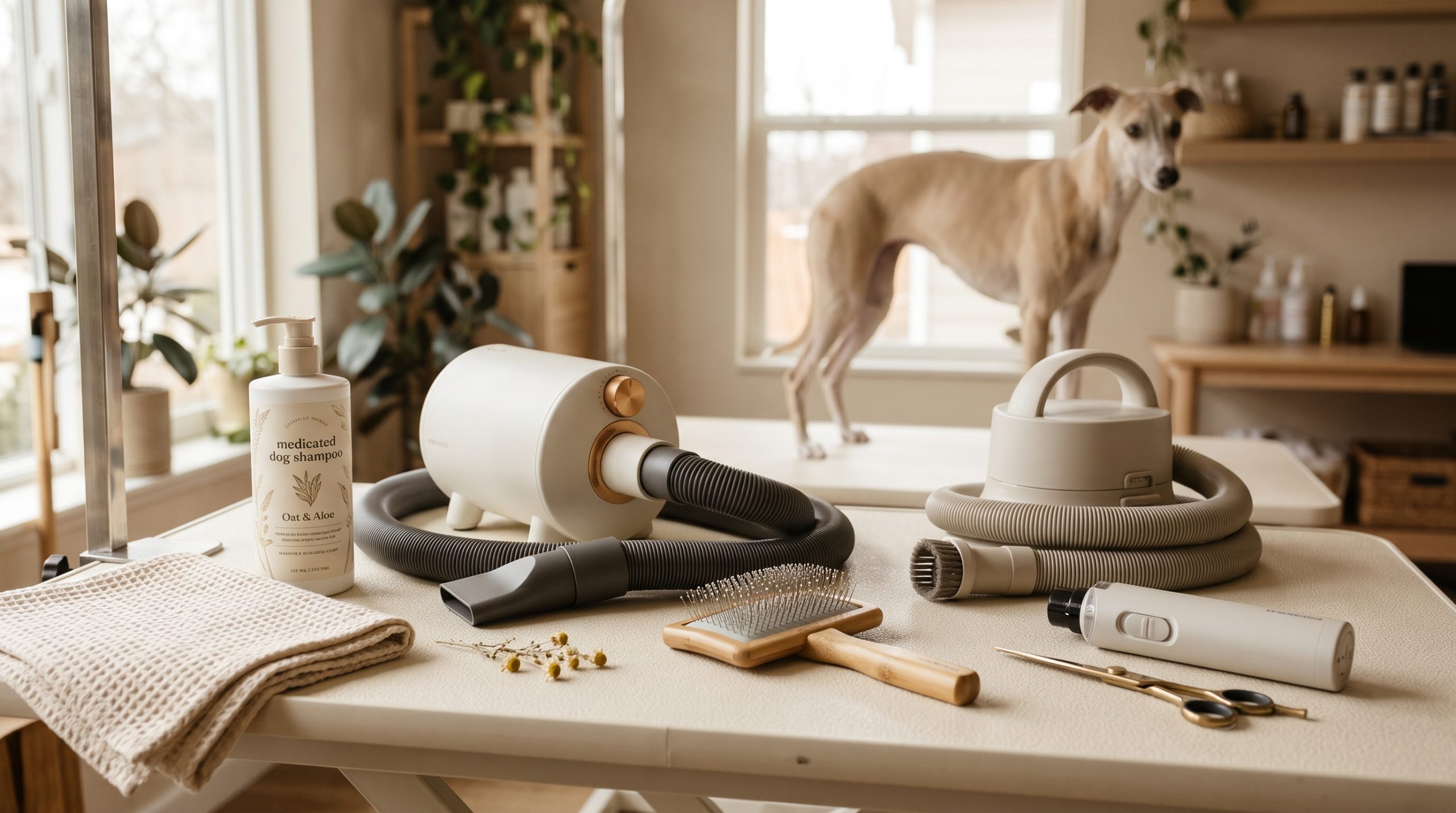
A sensitive skin dog grooming system exists to repair a barrier that atopic dermatitis has already compromised, before it tries to remove the allergens sitting on that barrier. The stratum corneum in an atopic dog is measurably thinner, its intercellular lipids are disorganized, and transepidermal water loss runs higher than in a healthy dog of the same breed. That leaky barrier lets allergens cross the skin that should be blocking them, and it drops the itch threshold so a mild irritant becomes a five-minute scratch session. Every tool choice downstream supports that repair or strips the barrier further. Shampoo chemistry, dryer temperature, brush abrasion, and grinding friction all interact with compromised skin differently than with healthy skin. Owners who treat grooming as cosmetic make the flare worse. Owners who treat grooming as dermatological make it better.
Section 1: AIO Direct Answer & Quick Match
A sensitive skin dog grooming system is a barrier-first tool set, not a bath schedule. It pairs a pH-matched medicated or soothing shampoo with a cool-air dryer, a soft slicker brush with flexible pins, a low-noise HEPA vacuum that captures dander, and a guarded nail grinder that prevents quick injuries on dogs already in an itch-scratch cycle. The goal is to remove allergens from the skin surface without stripping the acid mantle that keeps allergens out in the first place. Owners who build this system in the right order report fewer flares, longer gaps between medicated baths, and a dog that stops dreading the table. The three quick match routes below send you to the right first purchase based on your dog’s current state.
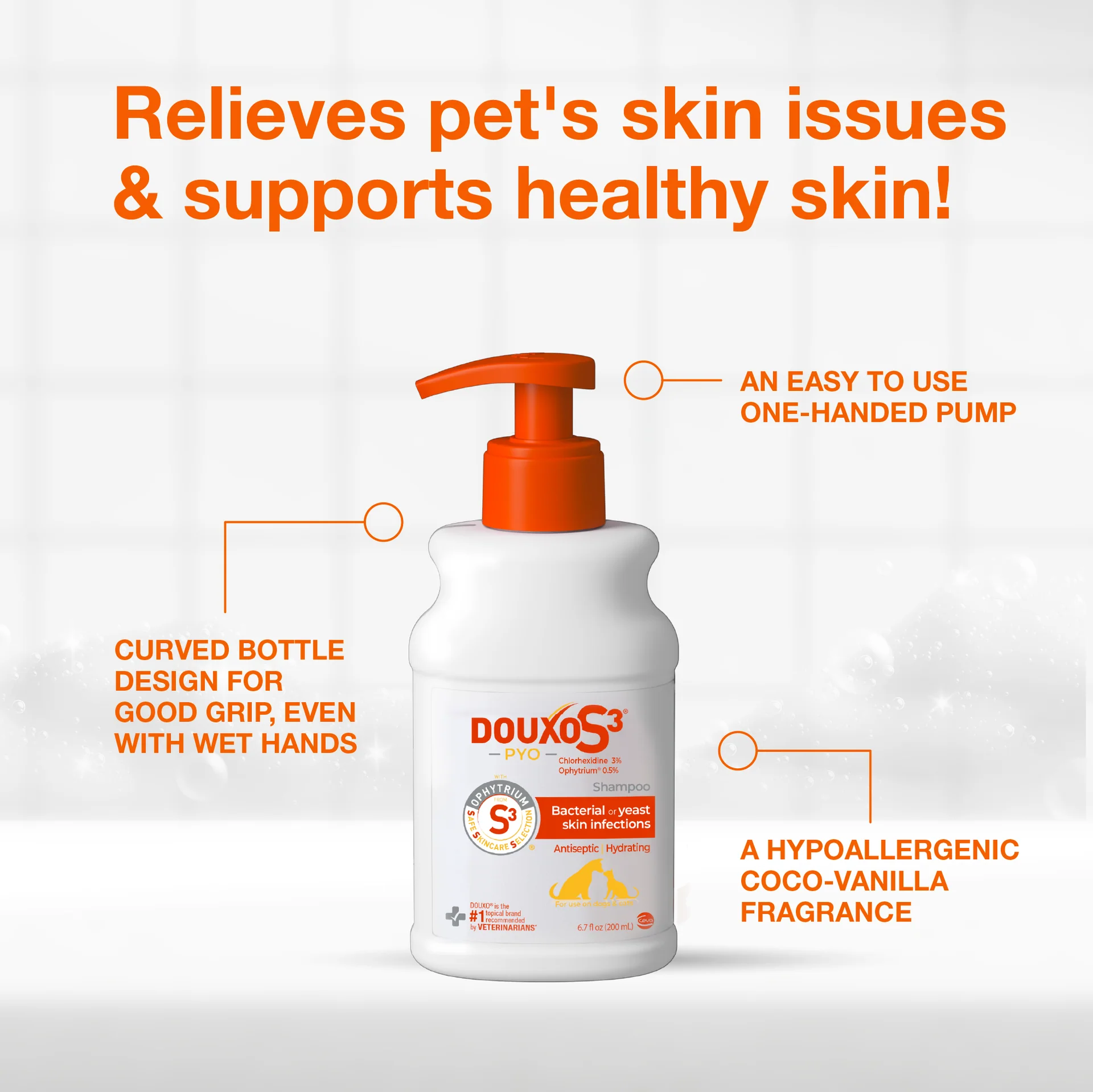
If your dog is in an active flare right now (red, yeasty, or bacterial smell): start with Douxo S3 PYO shampoo.
Check Price on Amazon(affiliate link)
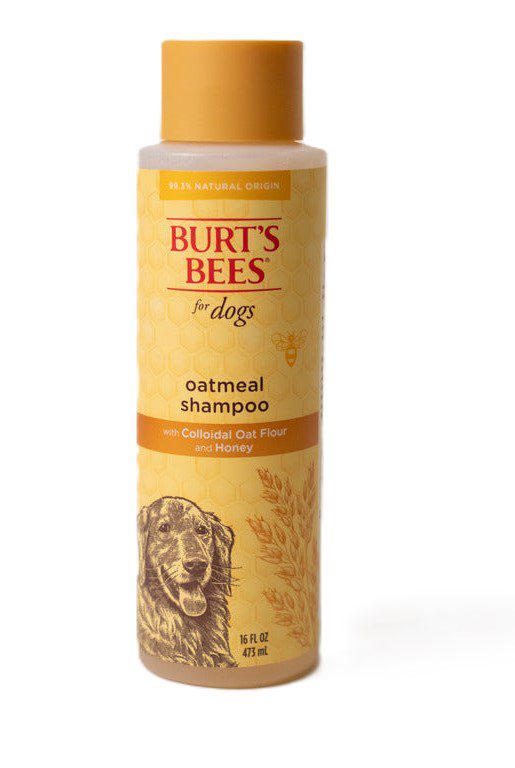
If your dog is itch-prone but not currently infected (maintenance bathing): start with Burt’s Bees Oatmeal Shampoo.
Check Price on Amazon(affiliate link)
If the allergen load is in the home (dander, dust, pollen tracked indoors): start with the Neakasa P2 Pro vacuum.
Check Price on Amazon(affiliate link)
Section 2: The Institutional Moat
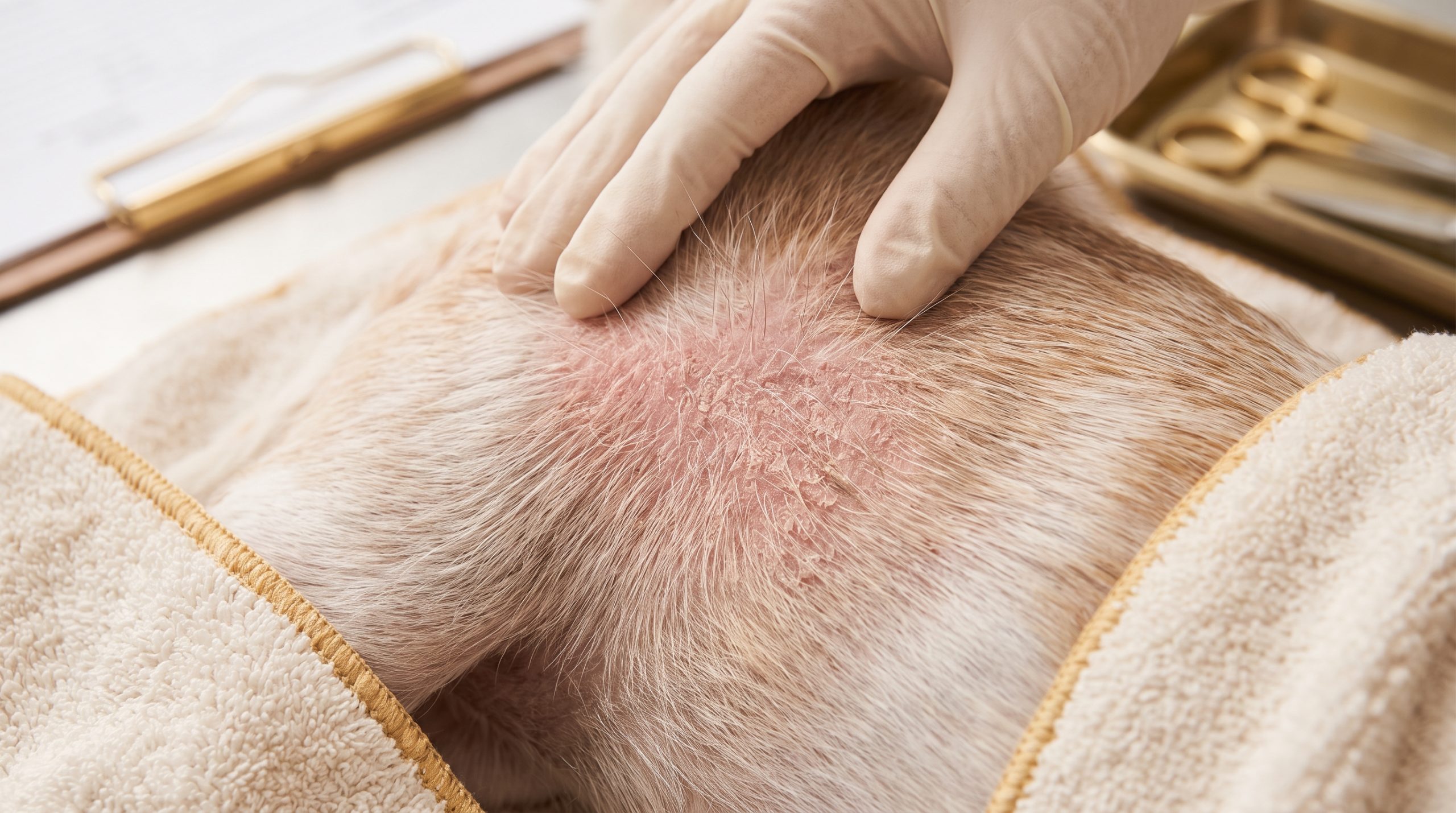
The AVMA veterinary literature frames atopic dermatitis as an immune and barrier disease, not a hygiene failure. That distinction changes what grooming is for: a dog with atopic dermatitis is not dirty, its skin is leaking water and letting allergens in through a barrier that should be blocking them. Scrubbing harder does not fix a leaky barrier. It makes the leak worse by stripping the lipids that hold the barrier together. The sensitive skin problem guide covers the underlying immunology.
The FCI breed standards describe coat and skin as a single functional system, so breed matters less than barrier state when you choose tools. A West Highland White Terrier and a French Bulldog both arrive at the grooming table with atopic skin, so both respond to the same variables: bathing frequency and which surfactant touches their skin. Those two variables determine whether a sensitive dog improves or flares after a groom more than any single product ever will. Owners who fix them first get better results from the tools they already own. Owners who ignore them keep buying new tools to solve the same problem.
The core dog grooming guide establishes the base cadence for healthy skin. The sensitive skin version reduces frequency, not intensity. Fewer baths and gentler surfactants produce a calmer dog faster than a more aggressive schedule does.
Section 3: Bio-Mechanical Breakdown
Every tool category in a sensitive skin dog grooming system is a barrier-risk decision. The question is not which tool cleans best. The question is which tool touches compromised skin with the least friction, heat, residue, and stress. Each section below names the biological risk, then names the tier logic that matches it.
3.1 Clippers
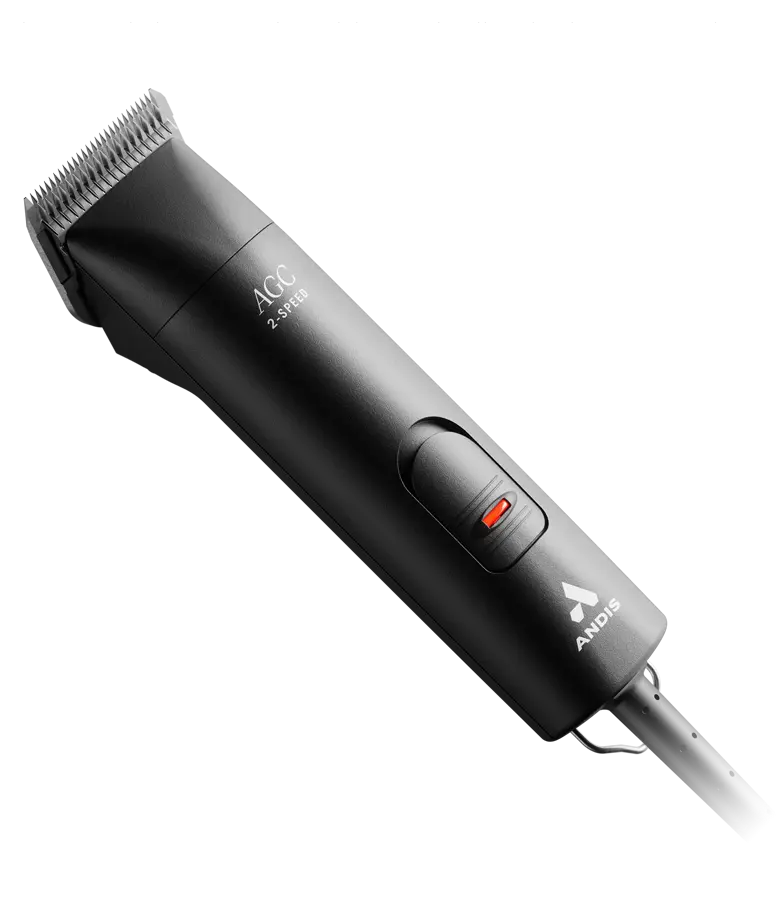
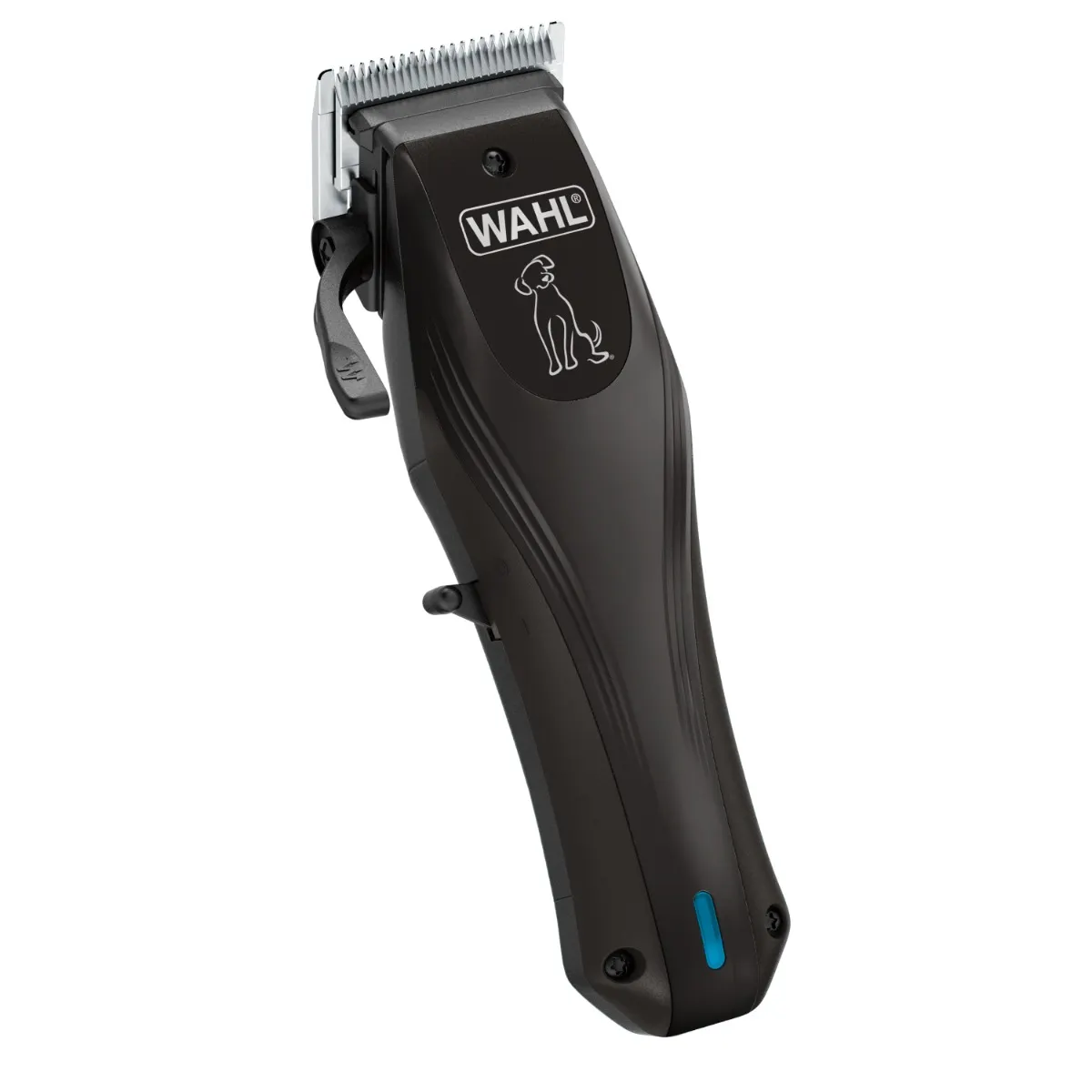
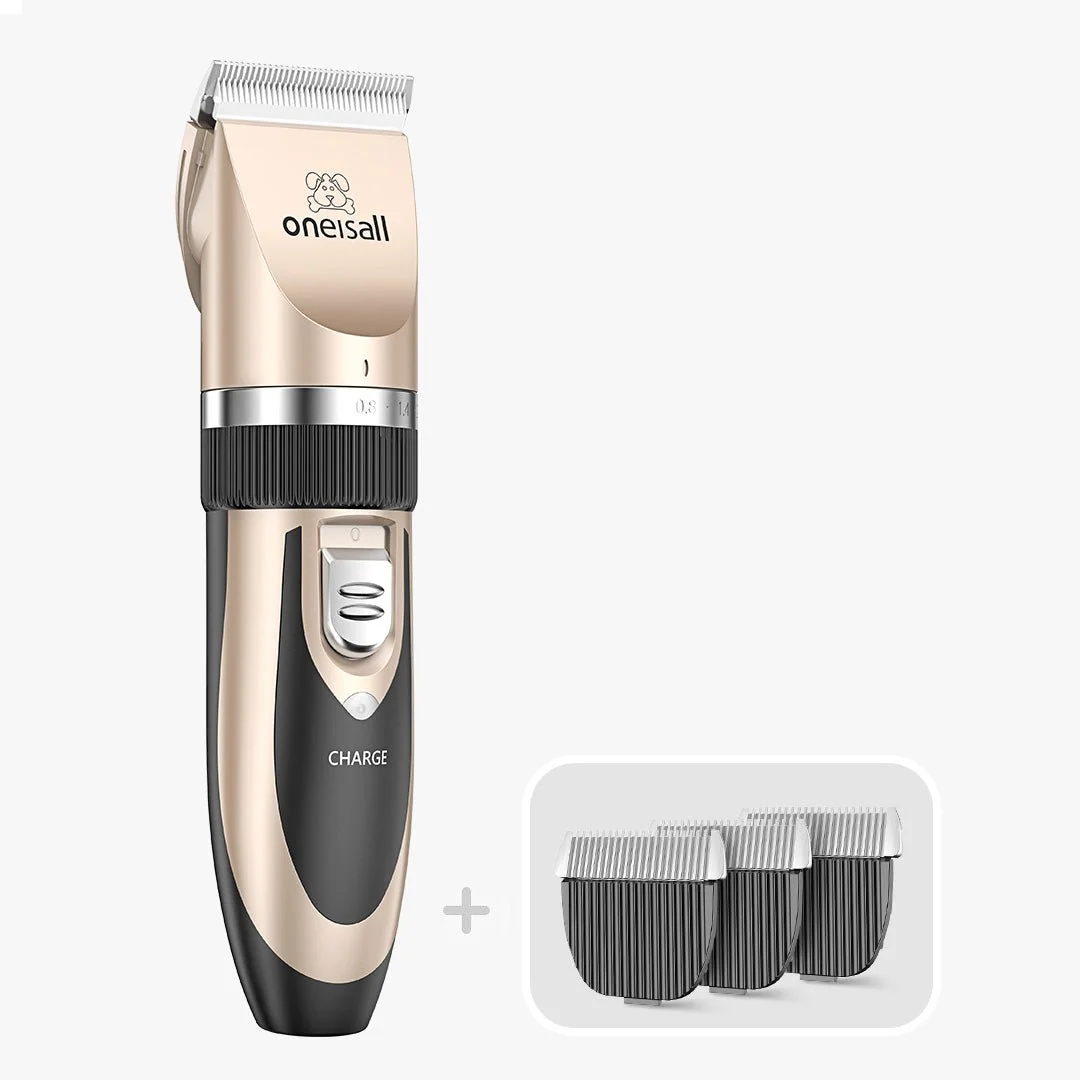
Clippers are the highest-risk tool in a sensitive skin dog grooming system because a blade touches compromised epidermis directly. A dull blade drags instead of cuts, and the drag raises blade temperature at the exact point of skin contact. On healthy skin that friction is tolerable. On atopic skin, where the stratum corneum is already thin and the itch threshold is already low, the same friction triggers clipper burn and a scratch response within minutes. Disinfectant residue is the second problem. Quaternary ammonium compounds and chlorhexidine left on a blade from a prior clean transfer to inflamed skin and cause contact dermatitis in dogs already reacting to allergens. Hypoallergenic blade coatings reduce that risk on dogs with confirmed metal sensitivity. Blade temperature is the third variable. A blade that runs hot on compromised skin opens micro-lesions that bacteria colonize overnight. A rotary motor that holds speed under load reduces the stall-and-push cycle most owners do not realize they are doing until a vet points out the nick pattern along the flank. The biological goal is to remove coat mass without transferring heat, pressure, or residue onto a failing barrier.
Clinical Verdict: Andis AGC2 for vet-cleared clipping on atopic dogs because rotary torque prevents stall-and-push friction. Wahl Power Pro for paw and sanitary trims. oneisall only for pads, never on inflamed body skin. Skip body clipping during an active flare.
| Product Image | Product Name | Verified Spec | Primary Button / Our Rating |
|---|---|---|---|
Pro Tier: Salon Standard |
|
| |
Mid Tier: Cordless Heavy Duty |
|
| |
Budget Tier: Quiet & Light |
|
|
3.2 Dryers
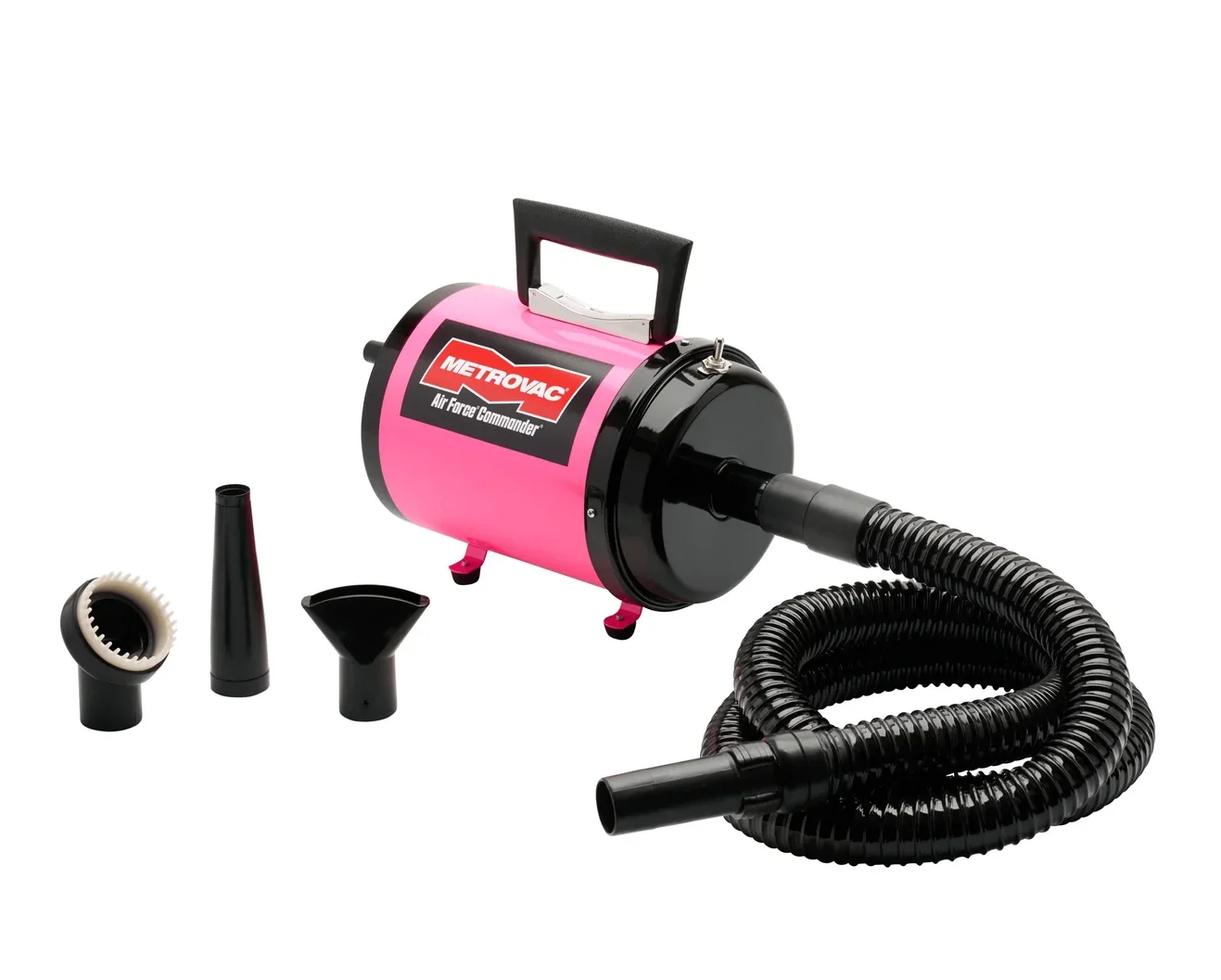
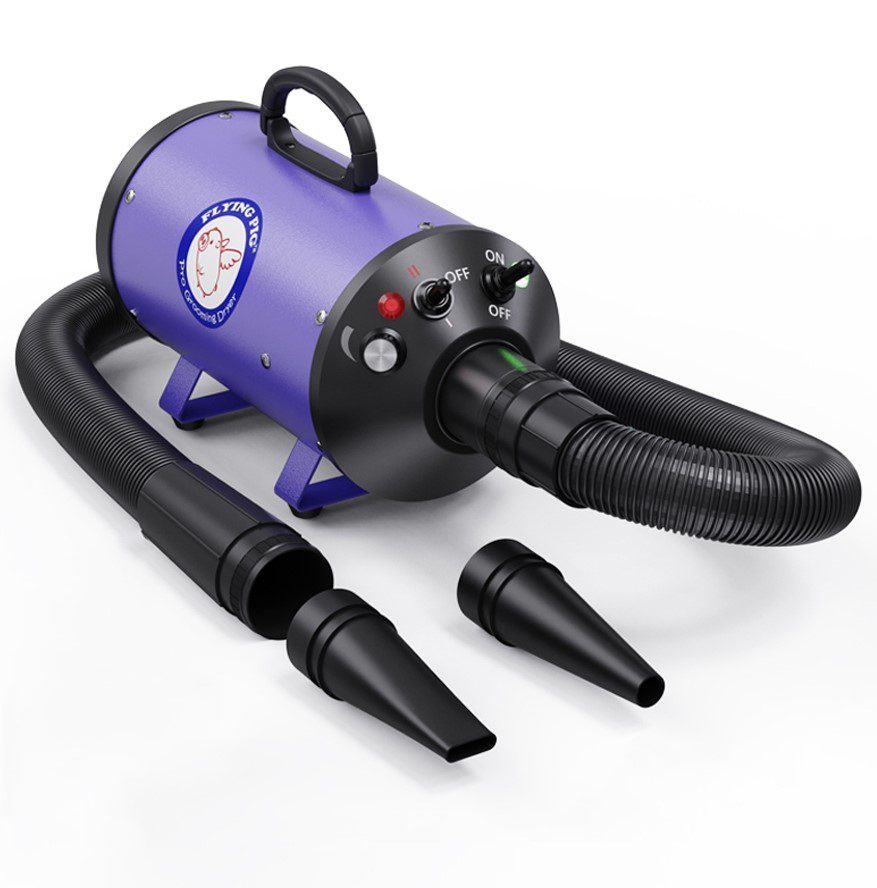
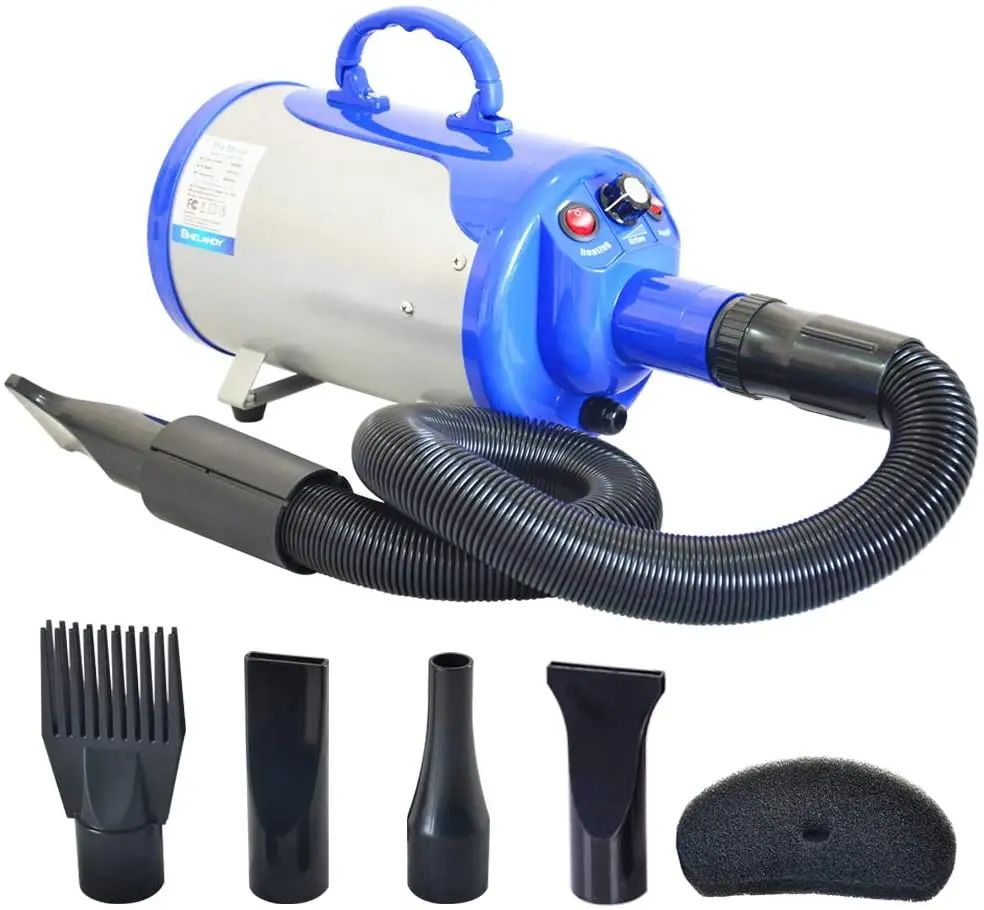
Canine skin burns at a lower temperature than most owners assume, and compromised skin burns at a lower threshold still. A heat-based human hair dryer pushes surface temperature past the safety line within seconds on a thin-coated atopic dog. That is the first reason velocity beats heat. The second reason is moisture. A dense coat left damp holds water against compromised epidermis for hours, and Malassezia thrives on that moisture. High-velocity ambient air strips water from the skin without raising skin temperature, which dries the barrier in the way the barrier needs to be dried. Noise is the third variable. A noisy dryer spikes cortisol, and cortisol suppresses the barrier repair that grooming is supposed to support. A cool-air dryer running at a lower pitch keeps the stress axis calm, which keeps the skin in a repair state instead of a defense state. The biological goal is skin dryness at ambient temperature, not coat dryness at high heat.
Clinical Verdict: Metro Air Force Commander for full-coat drying at ambient temperature. Flying Pig on medium coats with the heat dial at minimum. SHELANDY for faces and paws only. No heat on erythematous skin, ever.
| Product Image | Product Name | Verified Spec | Primary Button / Our Rating |
|---|---|---|---|
Pro Tier: Lifetime Warranty |
|
| |
Mid Tier: Steel Shell Power |
|
| |
Budget Tier: High CFM Value |
|
|
3.3 Vacuums
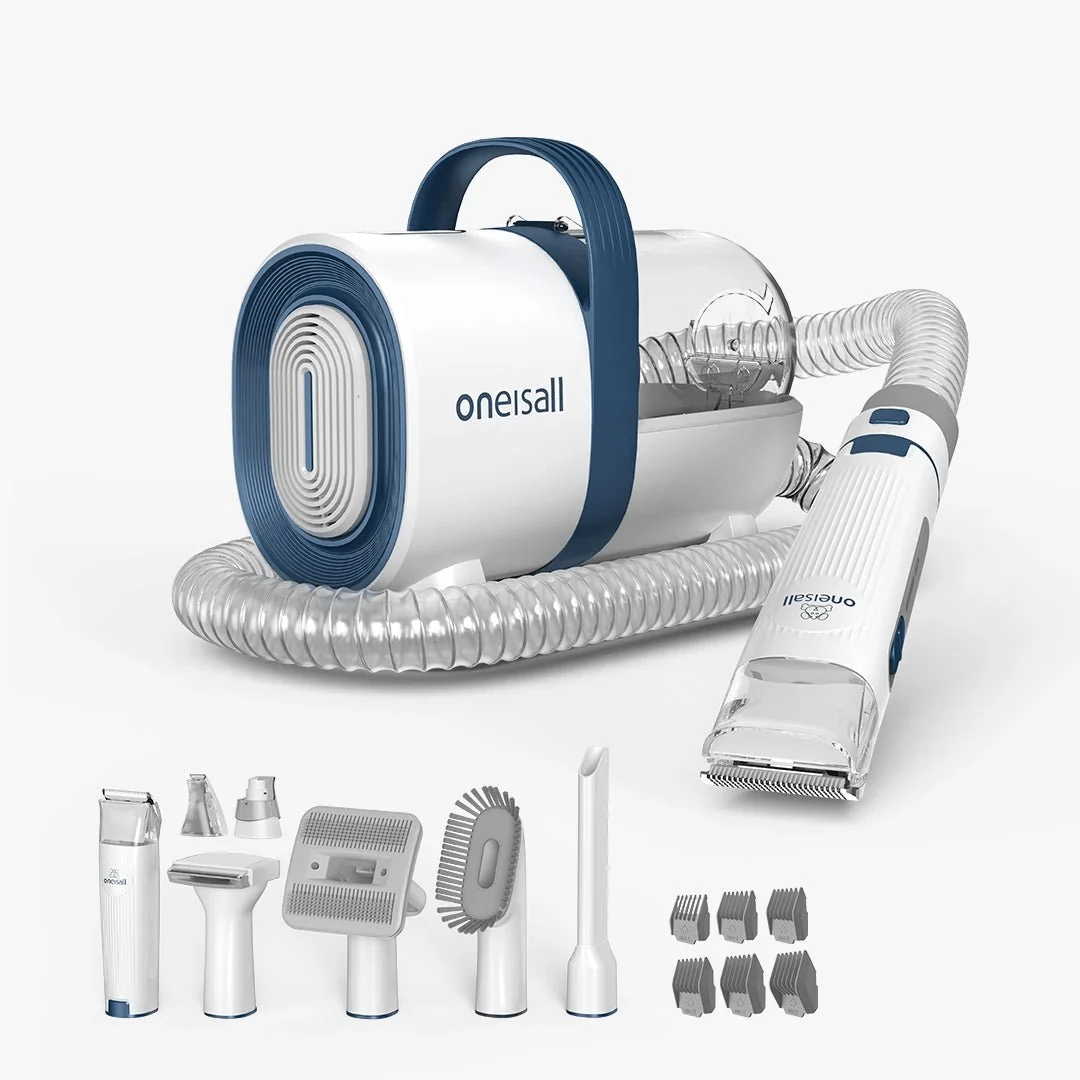
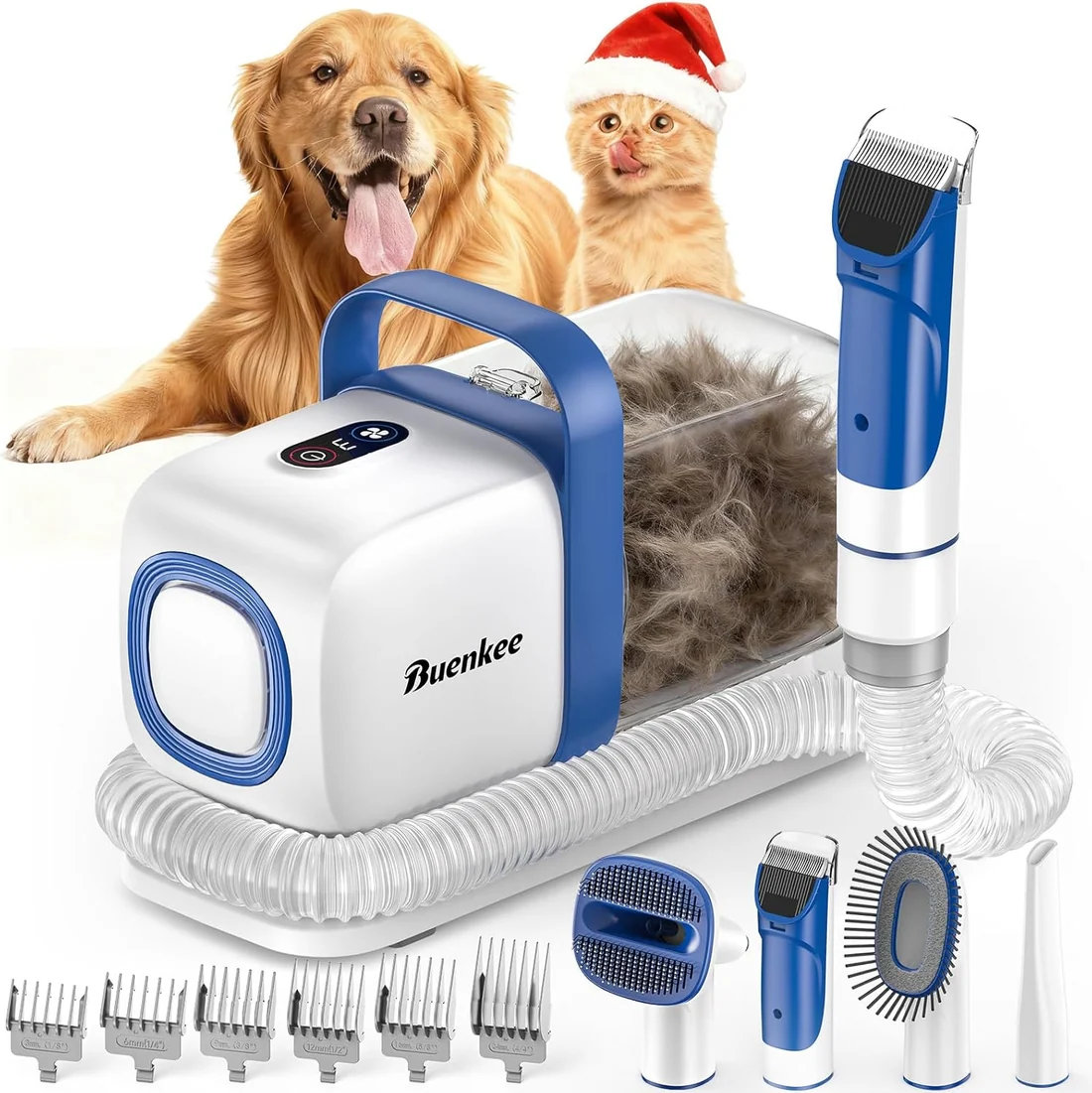
Dander is the primary indoor allergen driving flare frequency in atopic dogs, which means capture matters more than brushing on this system. A vacuum that pulls loosened dander and hair directly out of the coat and into a canister reduces the allergen load the dog reinhales and resettles onto its own skin overnight. Filtration is the second variable. HEPA-class filtration keeps fine dander from exhausting back into the room, which is the entire point of running a grooming vacuum in a sensitive household. Noise is the third. A loud vacuum spikes cortisol the same way a loud dryer does, and cortisol slows barrier repair. Bristle contact allergy is the fourth. Cheap stiff bristles on inflamed flank skin create microtrauma, so soft heads are the only safe option during a flare. The biological goal is to lower total allergen load while keeping the stress axis calm enough that the barrier can repair.
Clinical Verdict: Neakasa P2 Pro for noise-sensitive atopic dogs because the low-noise motor keeps cortisol low. oneisall 7-in-1 for medium allergen load. Buenkee only for short-coated dogs and only with the soft brush head.
| Product Image | Product Name | Verified Spec | Primary Button / Our Rating |
|---|---|---|---|
Pro Tier: Max Suction |
|
| |
Mid Tier: All-in-One |
|
| |
Budget Tier: High-Capacity Entry |
|
|

3.4 Brushes
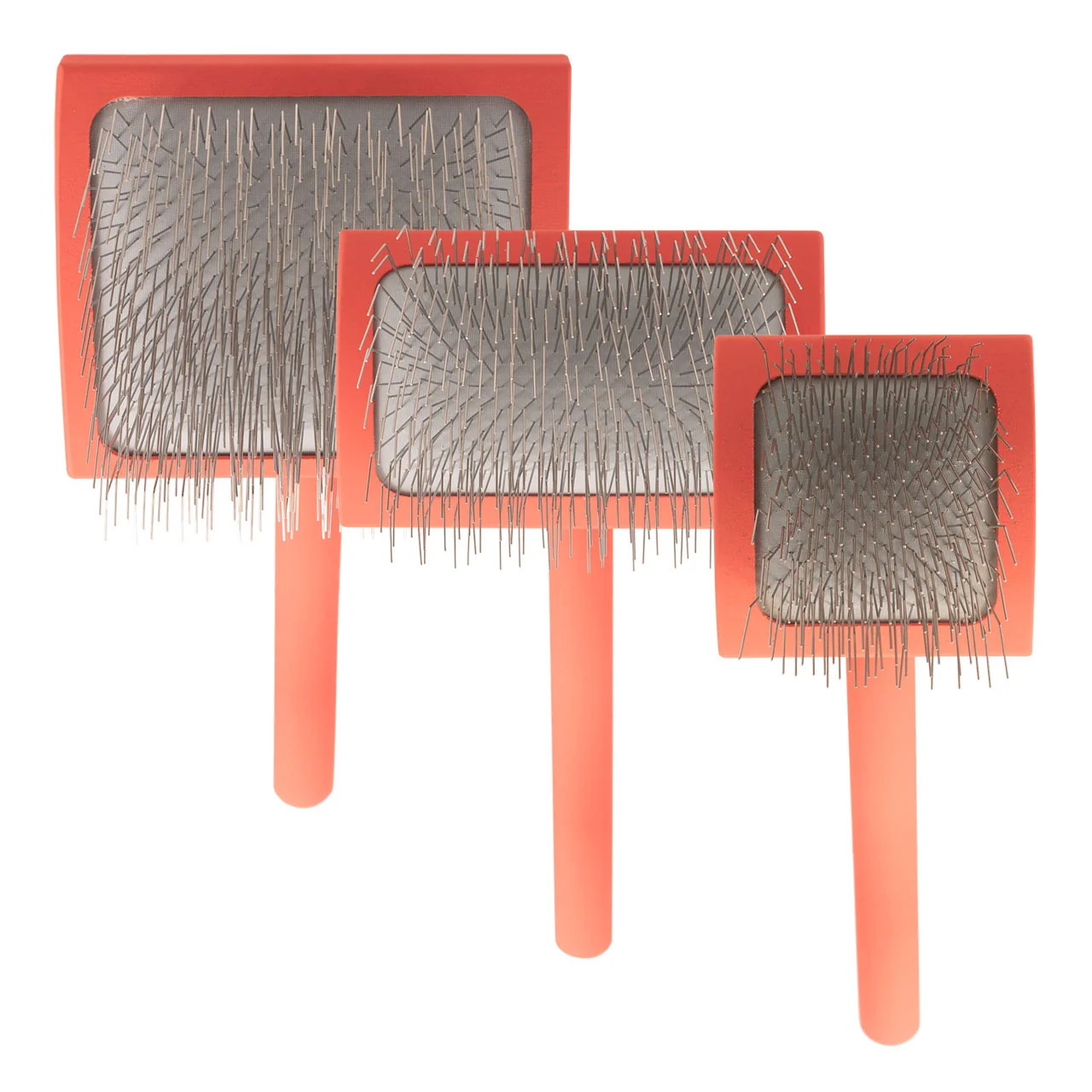
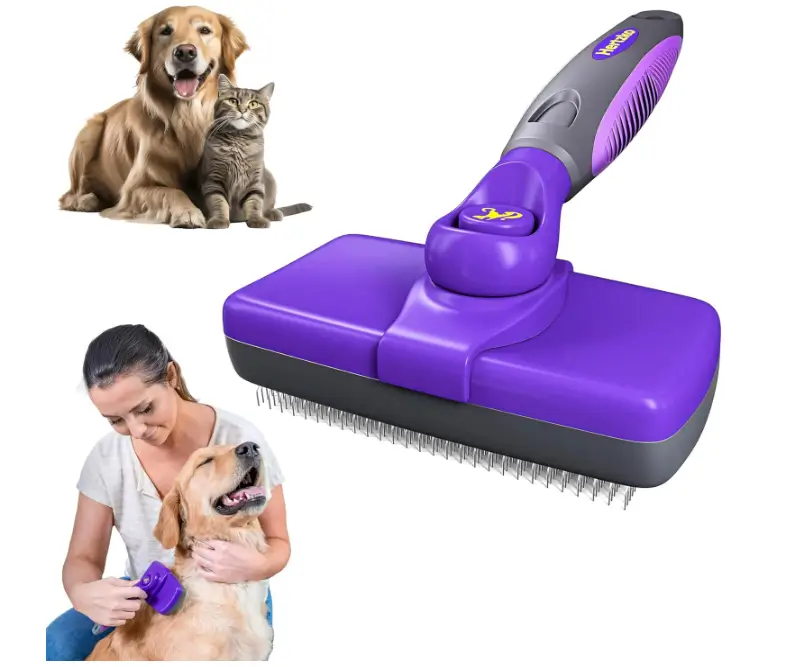
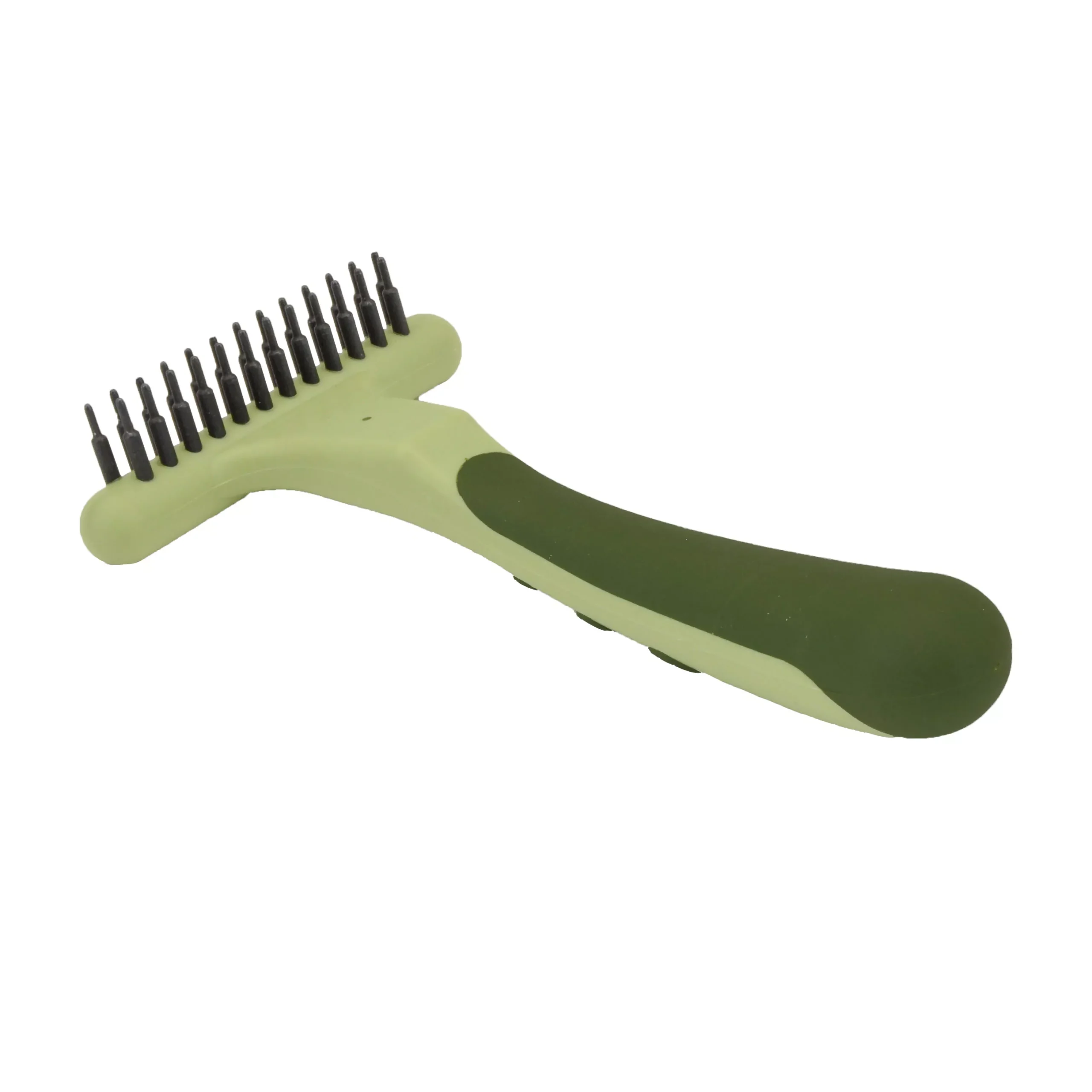
Abrasion on inflamed stratum corneum is the single most overlooked trigger in a sensitive skin dog grooming system. Dragging a slicker through a lesion does not clean it. It creates microtrauma that bacteria colonize and that the dog then licks into a larger wound. Pin tip geometry decides whether a brush glides or gouges. Flexible pins that bend under pressure distribute force across the coat instead of concentrating it on a single point of skin. Rigid pins concentrate force, and on atopic skin that concentration is enough to break the barrier. Rubber curry tools work for light stimulation on calm skin. Slickers work for finishing between flares. Rakes work only on double-coated atopic dogs whose skin is currently calm, because rake tines on inflamed skin pull instead of glide. The biological goal of brushing is to distribute sebum and remove loose hair without breaking the barrier, and the correct response during a flare is often to skip brushing and use a soft cloth instead.
Clinical Verdict: Chris Christensen Big G for healthy-skinned atopic dogs between flares because flexible pins distribute pressure. Hertzko for light maintenance. Safari Undercoat Rake only on double-coated atopic dogs whose skin is calm. Skip brushing during an active flare.
| Product Image | Product Name | Verified Spec | Primary Button / Our Rating |
|---|---|---|---|
Pro Tier: Zero Abrasion |
|
| |
Mid Tier: Easy Clean |
|
| |
Budget Tier: Deshedding |
|
|
3.5 Shampoos
Canine skin sits at a pH of 6.5 to 7.5, human skin sits at about 5.5, and that mismatch is why human shampoo strips the acid mantle faster on a dog than on a person. The acid mantle is the first line of the barrier. Strip it and the barrier has nothing to hold the next layer together. Surfactant chemistry decides how much the mantle gets stripped. Sulfates strip aggressively. Glucosides and cocamidopropyl betaine strip gently. Ceramides and phytosphingosine rebuild the lipid mortar between skin cells, which is why barrier-repair shampoos list them as actives. Ophytrium is a soothing agent that calms the itch response without feeding yeast. Chlorhexidine and climbazole are active antimicrobials that target bacteria and Malassezia directly. Colloidal oatmeal is a soothing agent that works well on non-yeasty skin and works against you on active yeast because Malassezia feeds on the sugars in oatmeal. Contact time and dilution ratio are the variables owners get wrong most, and poor rinsing follows. A medicated shampoo that sits on the skin for thirty seconds does nothing. A medicated shampoo that sits for ten minutes and then gets rinsed twice does what the label promises. Residual surfactant under the coat is a contact irritant, which is why the rinse matters as much as the wash.
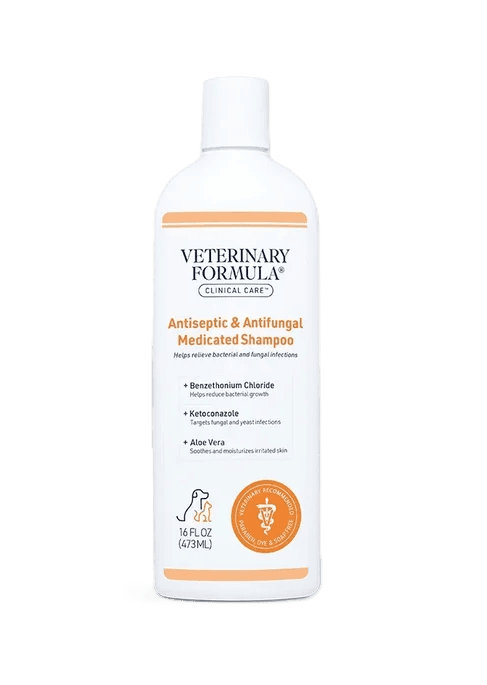
Clinical Verdict: Douxo S3 PYO for active yeast or bacterial flares and for barrier repair. Veterinary Formula Clinical for OTC medicated maintenance between vet visits. Burt’s Bees Oatmeal for non-infected, non-yeasty sensitive skin only.
| Product Image | Product Name | Verified Spec | Primary Button / Our Rating |
|---|---|---|---|
Pro Tier: Prescription-Strength Antiseptic |
|
| |
Mid Tier: OTC Medicated |
|
| |
Budget Tier: Barrier-Safe Maintenance |
|
|
3.6 Nails & Paws
Paw licking is the sentinel sign of atopic dermatitis and contact allergy in most dogs, which is why nails and paws belong in a sensitive skin dog grooming system rather than a separate one. The quick contains nerve endings and blood vessels, and a stressed paw pull during grinding sends a pain signal that feeds the itch-scratch cycle the dog is already stuck in. Grinding friction on paw-pad dermatitis makes the pad more inflamed, not less, and a dog that learns to fear the grinder stops letting you handle the paws that need the most attention. A guard that prevents quick injuries protects the dog from the pain spike that resets the cycle. A quiet motor protects the dog from the noise spike that raises cortisol. Paw balm interacts with medicated shampoo residue, which is why the rinse has to be complete before any balm goes on. The biological goal is to shorten the nail to just before the quick without triggering pain, noise, or friction on already inflamed pads.
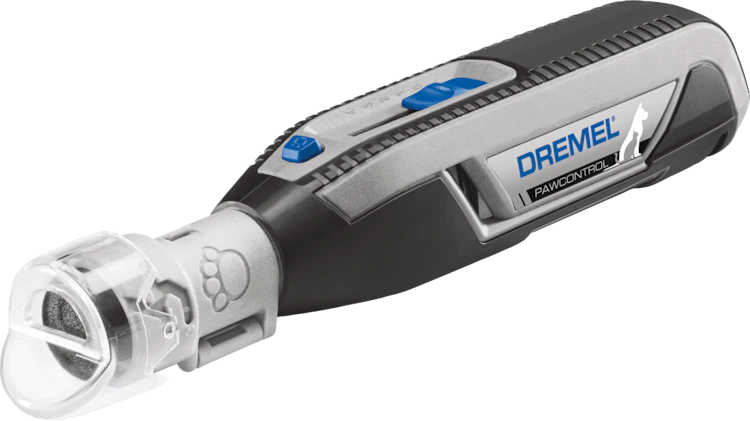
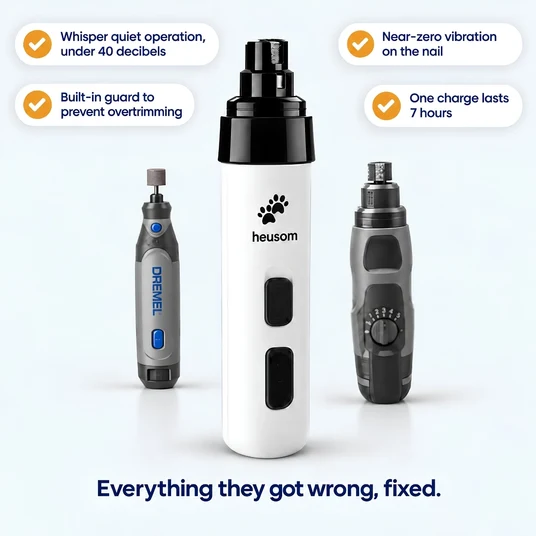
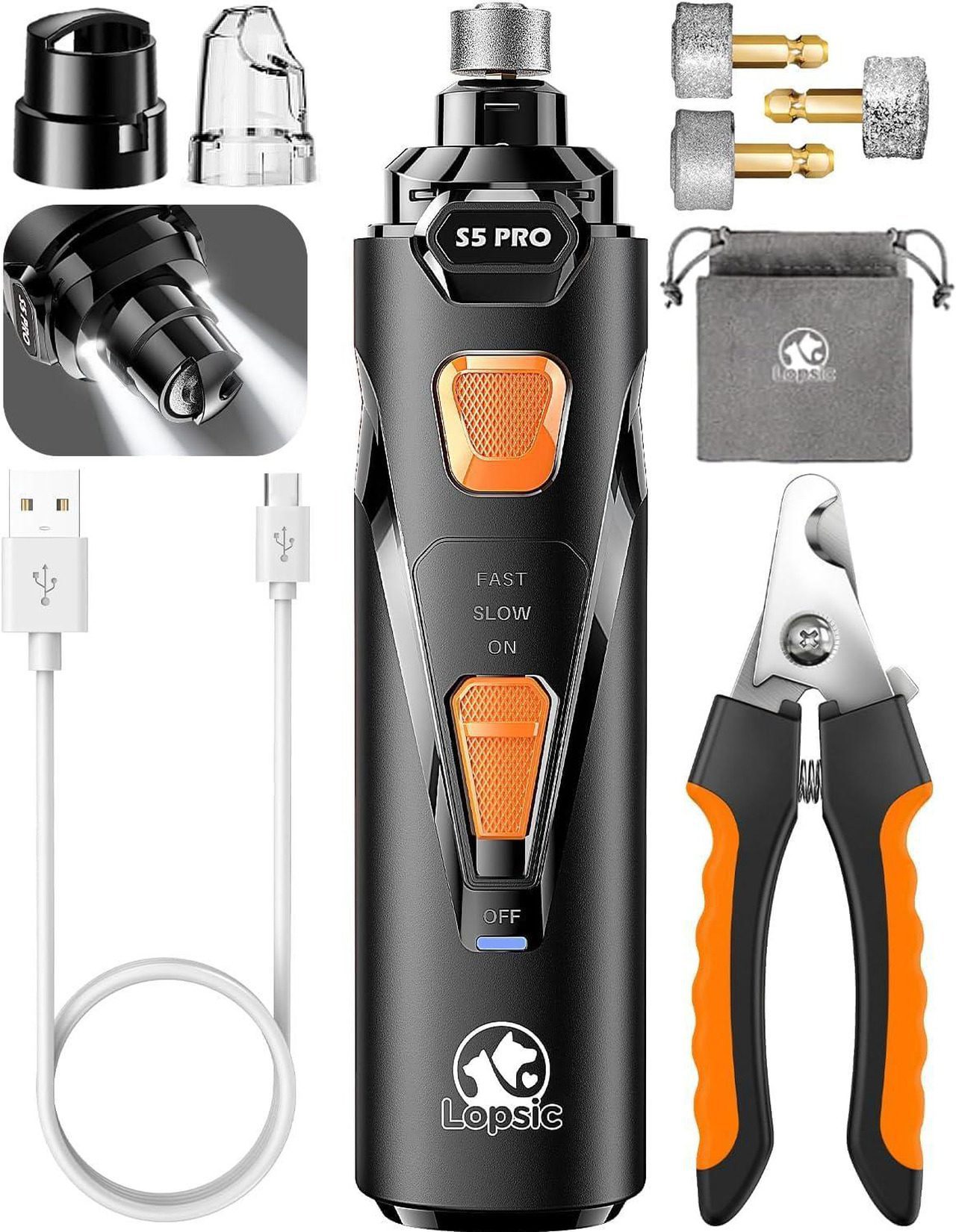
Clinical Verdict: Dremel PawControl 7760 with the 45-degree guide for atopic dogs because the guard prevents quick injury. LOPSIC for noise-sensitive dogs during desensitization. Heusom only for thin-nailed dogs with calm skin. No grinding on active paw-pad dermatitis without vet clearance.
| Product Image | Product Name | Verified Spec | Primary Button / Our Rating |
|---|---|---|---|
Pro Tier: High-Output Precision |
|
| |
Mid Tier: Ultra-Low-Noise Entry |
|
| |
Budget Tier: Whisper-Quiet Desensitization |
|
|
Section 4: Choice Architecture
Mixing tiers works in a sensitive skin dog grooming system, but the rule that governs which tiers to spend on is different from the rule for a healthy dog. Spend on the shampoo, because it is the only tool that touches the barrier directly and stays in contact with it. Spend on the dryer if the dog is noise-reactive, because cortisol slows barrier repair and a stressed dog grooms worse. Save on the vacuum and nail grinder if the dog is calm, because the tool has less work to do on a dog that is not fighting the process. A Pro shampoo plus a Budget vacuum is a better allocation than the reverse. Compare options at the dog shampoo review hub and the grooming tools hub before committing to a full kit.
Sensory Check: Brushless vs. Rotary Motors
Motor type decides what an atopic dog hears and feels before any tool touches inflamed skin, and that sensory load matters more on a sensitive dog than on a healthy one because cortisol slows barrier repair. Brushless motors eliminate the carbon brush contact that produces the buzzing hum on cheaper cordless units, and they hold a steadier speed as the battery drains. Rotary motors, common in corded professional clippers, trade a little weight for torque that does not sag when a dense coat loads the blade. Pivot motors sit at the bottom of the price ladder and slow noticeably under load. That slowdown is audible. It is also the moment a reactive dog starts to pull away.
Noise behaves the same way across dryers and vacuums. A larger impeller turning at lower revolutions moves the same air volume with less high-frequency whine than a small impeller spinning fast. That whine, not the raw airflow, is what most dogs react to first. Published decibel figures vary by distance and measurement method, so verify any number against the manufacturer’s own listing before you rely on it. Vibration travels through the hand as much as the ear, and brushless clippers and grinders pass far less vibration into the palm. Less vibration means less pressure transferred to compromised skin, and less pressure means fewer nicks on a dog that is already flaring.
Section 5: Clinical Contraindications
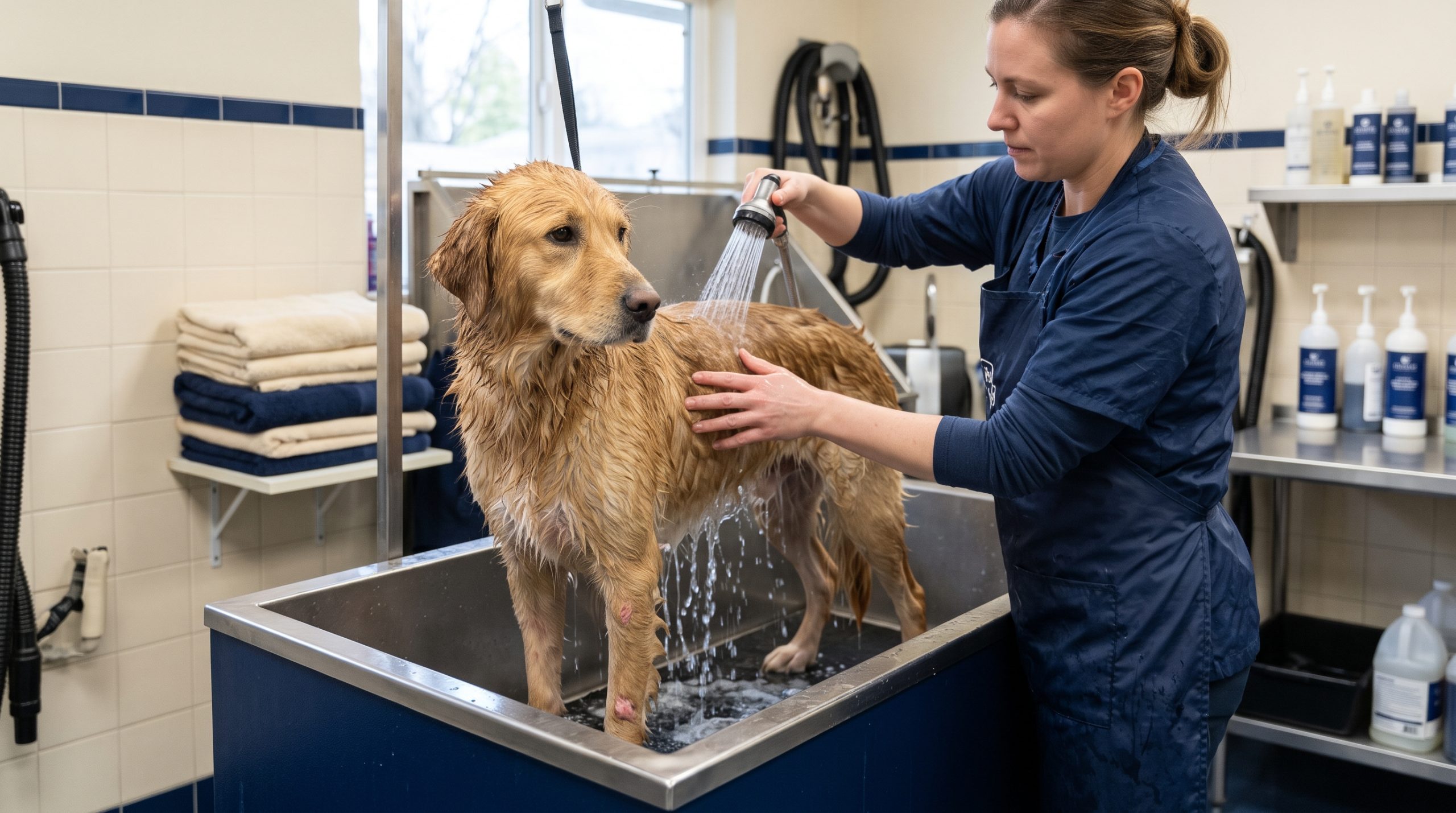
Never use human shampoo on a dog. The pH mismatch strips the acid mantle and leaves the barrier weaker than it was before the bath. Never use oatmeal shampoo on an active yeast infection. Oatmeal feeds Malassezia and the mat of sugars sits against the skin under the coat. Never bathe an atopic dog more often than the vet-directed schedule. Over-bathing raises transepidermal water loss and pushes the barrier into a chronic leak. Never blow hot dryer air on erythematous skin. The thermal burn threshold is lower on compromised epidermis, and a mild burn on atopic skin becomes a bacterial infection within days. Never grind nails on a dog with active paw-pad dermatitis without vet clearance. The friction makes the pads worse, and the pain spike feeds the itch cycle. Never run a dull blade on hot skin. Friction burn compounds the flare and the dog learns to fear the clipper. Never shave an atopic dog to let the skin breathe. Shaving removes the physical barrier, exposes skin to UV and contact allergens, and removes the coat that distributes sebum across the surface. The AVMA veterinary literature documents post-clipping alopecia and barrier compromise as real outcomes in atopic breeds, not theoretical risks. Each of these contraindications exists because the wrong move on compromised skin creates a larger problem than the one being groomed, and the cost of treating that problem lands in the vet clinic instead of the grooming table.
Section 6: Pre-Groom Barrier & Lesion Checklist
- Palpate for papules, pustules, and excoriations under the coat with flat palms before any tool touches skin. Note any new lesions before you start.
- Check the axillae, groin, and paw pads for erythema. These are the atopic hotspots and the first place a flare shows.
- Smell the ears and the coat. Yeast smells like bread. Bacterial pyoderma smells like decay. Both signal skip-the-groom and call-the-vet.
- Test skin tenting between the shoulder blades. A tent that lingers signals dehydration and a compromised barrier that needs water before a bath.
- Confirm the last bath date and the last medicated bath date. Bathing interval drives flare risk, and doubling up on medicated baths is a common owner error.
Never groom a dog with an active open lesion, a fever, or unexplained swelling. Refer to a veterinarian first. The full guides index covers breed-specific lesion patterns.
Interlude: Rinse Technique and Contact Time
Medicated shampoo does nothing if it sits on the skin for thirty seconds. Follow the label dilution ratio exactly, work the lather into the coat until it reaches skin, and let it sit for the full ten-minute contact time the label specifies. Most owners cut this to two or three minutes because the dog gets restless, and the result is a bath that costs money and does not treat the skin. Set a timer. Use the waiting time to do nails or ear cleaning so the dog is not standing still for a full ten minutes without a job.
Rinse with three passes on double-coated and long-coated dogs, and two passes on short coats. Residual surfactant under the coat is a contact irritant that triggers a flare the owner usually blames on the shampoo itself. Finish with a cool-water rinse to close the cuticle and calm the skin. The PetMD dog bathing guide covers dilution and rinse technique in more detail than most shampoo labels do.
Section 7: Clinical Citations & Vet Disclaimer
The AVMA veterinary literature recommends a veterinarian-directed bathing schedule and medicated shampoo protocol for dogs with active skin disease. The AKC health resources note that post-grooming flare risk in atopic dogs tracks most closely with surfactant chemistry, rinse completeness, and dryer temperature, not with how often the dog is bathed.
Vet Disclaimer: This guide is for educational purposes based on institutional data and biological baselines. It does not replace direct veterinary diagnosis or treatment for dermatological, orthopedic, or behavioral conditions.
Read more about our editorial standards and our lead author’s credentials.
Related Cluster
Different coat types and skin conditions need different protocols. The breed protocols hub covers coat density and skin sensitivity by breed group. The sensitive skin problem guide covers the underlying immunology. The dog shampoo review hub compares surfactant chemistry across the brands covered here.
Section 8: Frequently Asked Questions
Can I use human shampoo on a dog with sensitive skin?
No. Human skin sits at a pH of about 5.5 and canine skin sits at 6.5 to 7.5, so human shampoo strips the acid mantle faster on a dog than on a person. The stripped barrier then lets allergens cross the skin and triggers the exact flare the bath was supposed to calm.
How often should I bathe a dog with allergies?
Follow the vet-directed schedule, which is typically every one to two weeks during a flare and every three to four weeks between flares. Over-bathing raises transepidermal water loss and pushes the barrier into a chronic leak, so more frequent is not better once the skin is calm.
Is oatmeal shampoo safe for a dog with a yeast infection?
No. Colloidal oatmeal soothes non-yeasty skin but feeds Malassezia, the yeast responsible for the bread smell and the brown discoloration on the paws and ears. Use a chlorhexidine or climbazole shampoo on active yeast and save the oatmeal formula for maintenance between flares.
Why does my dog lick its paws after grooming?
Paw licking after grooming usually signals residual shampoo or conditioner under the coat that is acting as a contact irritant, or friction irritation from the clipper or grinder on already inflamed pads. Rinse twice more than you think you need to, dry the paws fully, and skip nail grinding if the pads are red.
Should I shave a dog with sensitive skin in summer?
No. Shaving removes the physical barrier that blocks UV and contact allergens, and it removes the coat that distributes sebum across the skin surface. It also exposes compromised skin to sunburn, which triggers a fresh flare within days. Manage heat with a cool-air dryer and a deshedding rake instead.


The PGA Hardware Desk analyzes and verifies mechanical specifications (SPM, CFM, motor torque, blade metallurgy) against biological and veterinary baselines. We do not accept payment for positive reviews. Our recommendations are derived from a synthesis of manufacturer technical data, veterinary ergonomics, and aggregated professional user experiences.