Written by: PGA Hardware & Equipment Desk
Reviewed by: PGA Editorial Board (Zaheer Aujla, Head of Board) · Six editorial desks · Institutional review standard
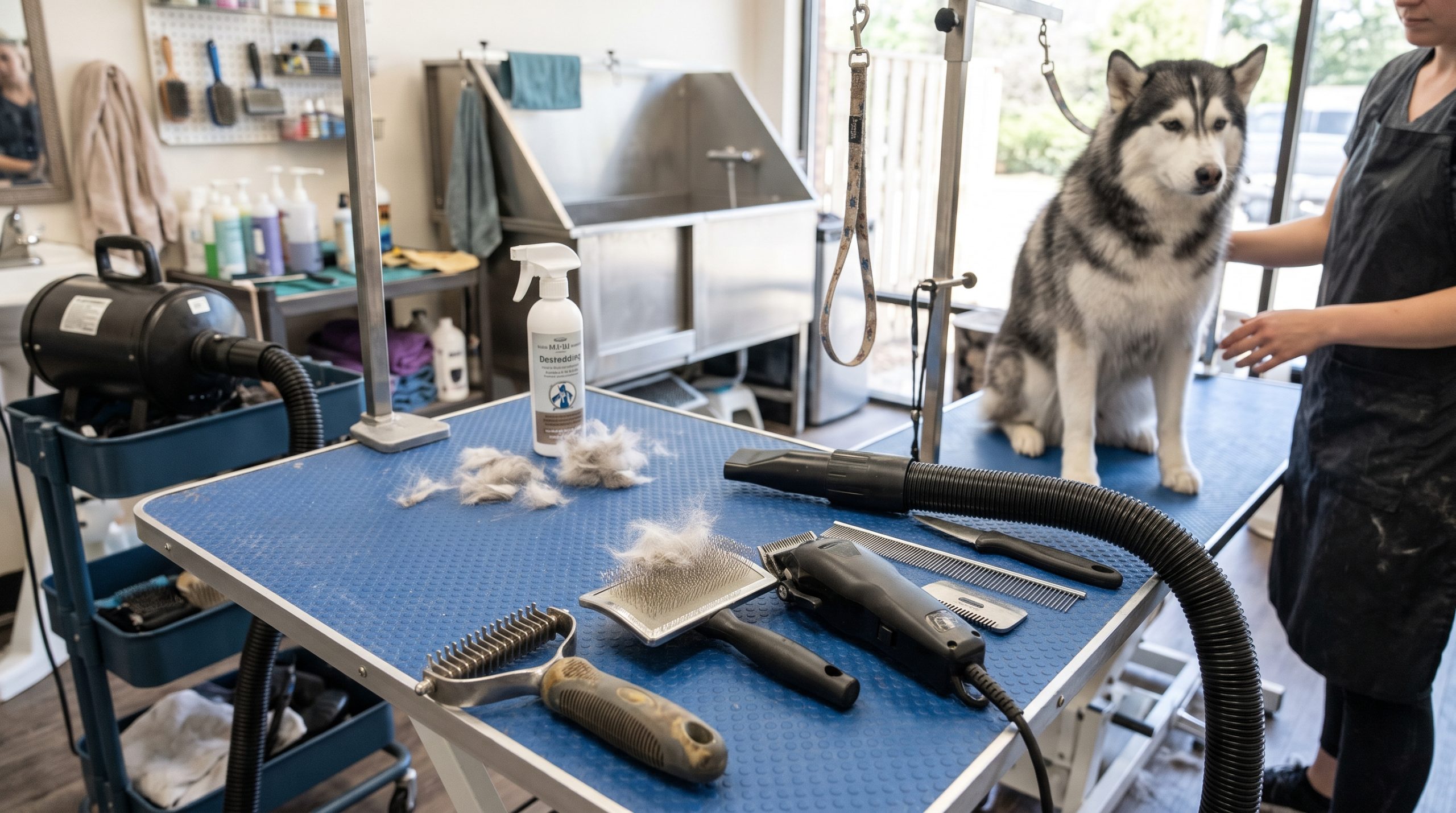
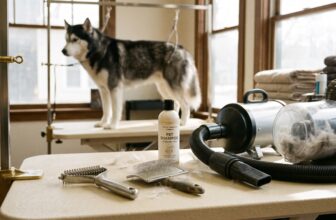
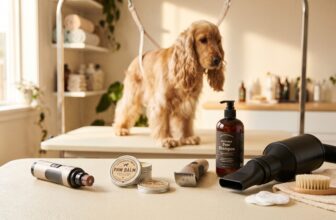
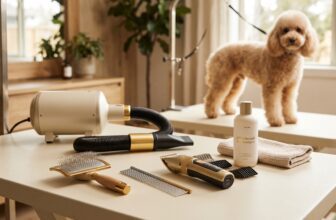
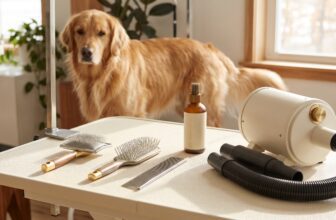
A double coat grooming system removes dead, impacted undercoat while preserving the coarse outer guard hairs that regulate canine body temperature. Pairing an undercoat rake, a high-velocity dryer, and a flexible-pin slicker brush prevents epidermal moisture trapping, yeast overgrowth, and permanent follicular damage caused by shaving across comprehensive dog care and grooming resources.
You need the right tools for a double coat grooming system. A double coat is not one layer of fur. It is two, and the layer you cannot see does the work that keeps your dog alive in heat and cold. That hidden undercoat traps air against the skin. Trapped air insulates in winter and cools in summer through a controlled release of body heat. When dead undercoat packs down instead of blowing out, the whole system breaks. Air stops moving. Moisture sits against the epidermis. Mats form underneath the guard hairs where no brush can reach. A proper double coat grooming system removes that impacted undercoat without touching the guard hairs that do the thermal work. This protocol explains the biology behind every tool choice, then flags the one mistake that permanently ruins a double coat: shaving it a double-coated dog double coat grooming protocol pillar, permanently damaging the follicle and destroying the dog’s natural cooling system.
Quick Match: Which Tools for Double Coat
Selecting the right double coat grooming system depends on coat density, shedding volume, and skin sensitivity. Use an undercoat rake and flexible slicker brush for routine deshedding, add a high-velocity ambient-air dryer to clear dense water-trapping undercoat, and choose a pH-balanced antimicrobial shampoo when moisture triggers yeast flare-ups.
The core question is which tools pull dead undercoat out of a double coat without cutting the guard hairs that regulate temperature. A functional double coat grooming system pairs an undercoat rake with a high-velocity dryer and a slicker brush sized to coat density. Get those three right and the rest of the kit follows. Skip them and the undercoat packs into a felt layer that suffocates the skin and ruins airflow. The quick match list below handles the decision in under a minute, and the full double coat grooming system breakdown follows in Section 3.
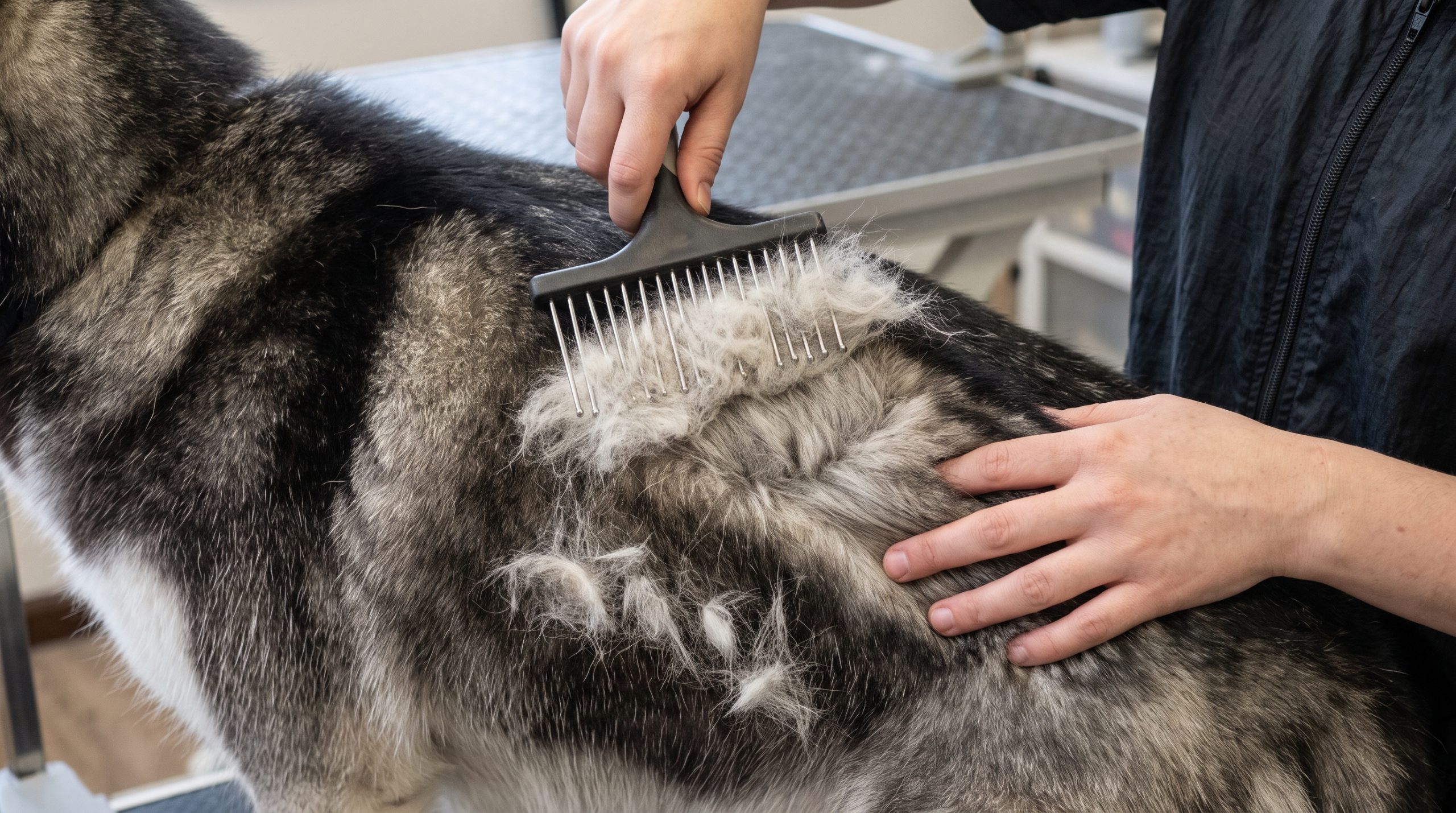
Double Coat Keratin Architecture and Failure Modes
A canine double coat consists of slow-cycling coarse guard hairs and fast-cycling dense undercoat that traps insulating air against the epidermis. When dead undercoat compacts into felt, airflow collapses, trapped moisture softens the skin barrier, and thermal regulation fails during both summer heat and winter cold.
The AVMA and AKC both publish guidance that treats the double coat as a thermal organ, not a cosmetic feature. The AKC grooming resources describe the outer layer as guard hairs and the inner layer as undercoat. Guard hairs are longer, coarser, and shed water. Undercoat is shorter, denser, and traps a layer of air against the epidermis. That trapped air is the entire cooling and heating mechanism. A double coat grooming system exists to protect that air layer by clearing dead undercoat so live undercoat can loft, a structural principle documented in our pet coat biology encyclopedia reference.
The FCI breed standards describe the double coat as two distinct follicle populations that cycle at different rates. Guard hairs grow slowly and shed in a controlled pattern. Undercoat cycles in bulk, which is why a Husky drops its coat in weeks instead of months. When dead undercoat packs down, the guard hairs lift off the skin and stop doing their job. Air stops circulating. Heat stops moving. The dog overheats in summer and cannot insulate in winter. The breed-specific protocols guide explains how density varies between Nordic, spitz, and herding double coats.
Grooming frequency is not cosmetic for a double coat. It is the only way to keep thermal regulation working. Follow the double coat grooming system schedule closely. You will clear undercoat before it felts. You will catch hot spots before moisture trapped under the coat turns into a skin infection. The core grooming guide covers the base schedule, and the double coat variation adds extra deshedding passes and heavy shedding coat management strategies during seasonal blowouts.
Mechanism, Failure Mode, and Procedure
Effective double coat maintenance isolates each mechanical step so tools clear dead undercoat without severing guard hairs. Undercoat rakes fracture compacted mats, high-velocity dryers lift moisture and loose fiber from the skin, vacuum attachments capture airborne dander, slickers redistribute sebum, and guarded grinders shorten nails safely.
Every step in a double coat grooming system targets the undercoat without touching the guard hairs. Rakes break impacted undercoat loose from the skin. Dryers blast dead undercoat and water out of the dense layer. Vacuums lift loosened hair before it drops back in. Brushes finish the coat and distribute sebum. Shampoos protect the barrier under the coat. Grinders handle the quick, which matters because thick paw hair hides it. Treat each step as a separate mechanical problem, and the tool choices within your double coat grooming system stop feeling arbitrary.
1. Clippers
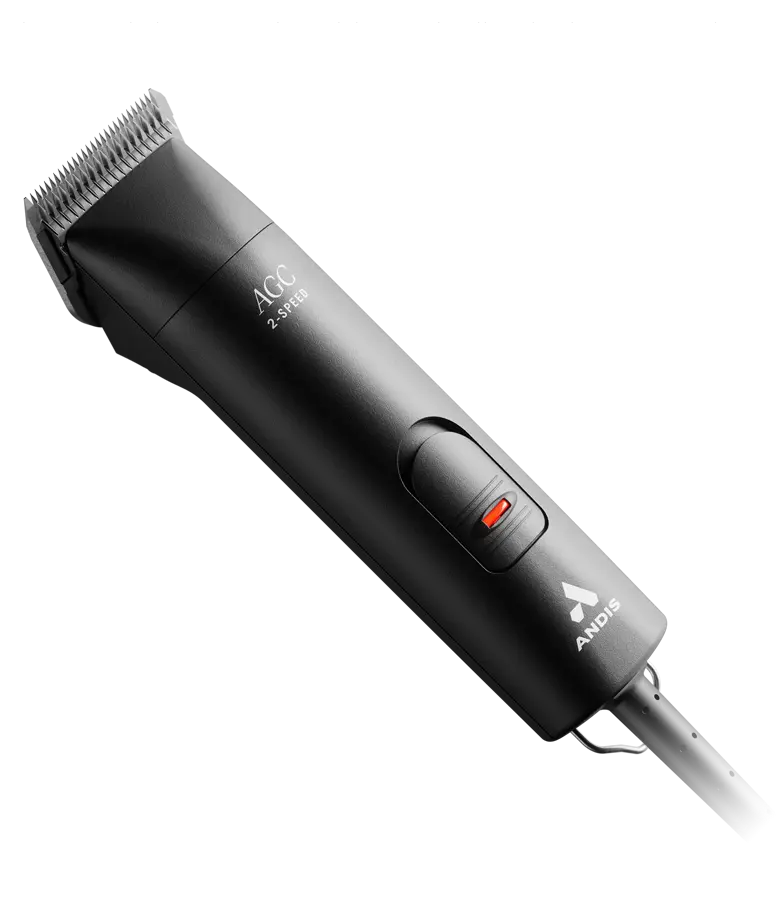
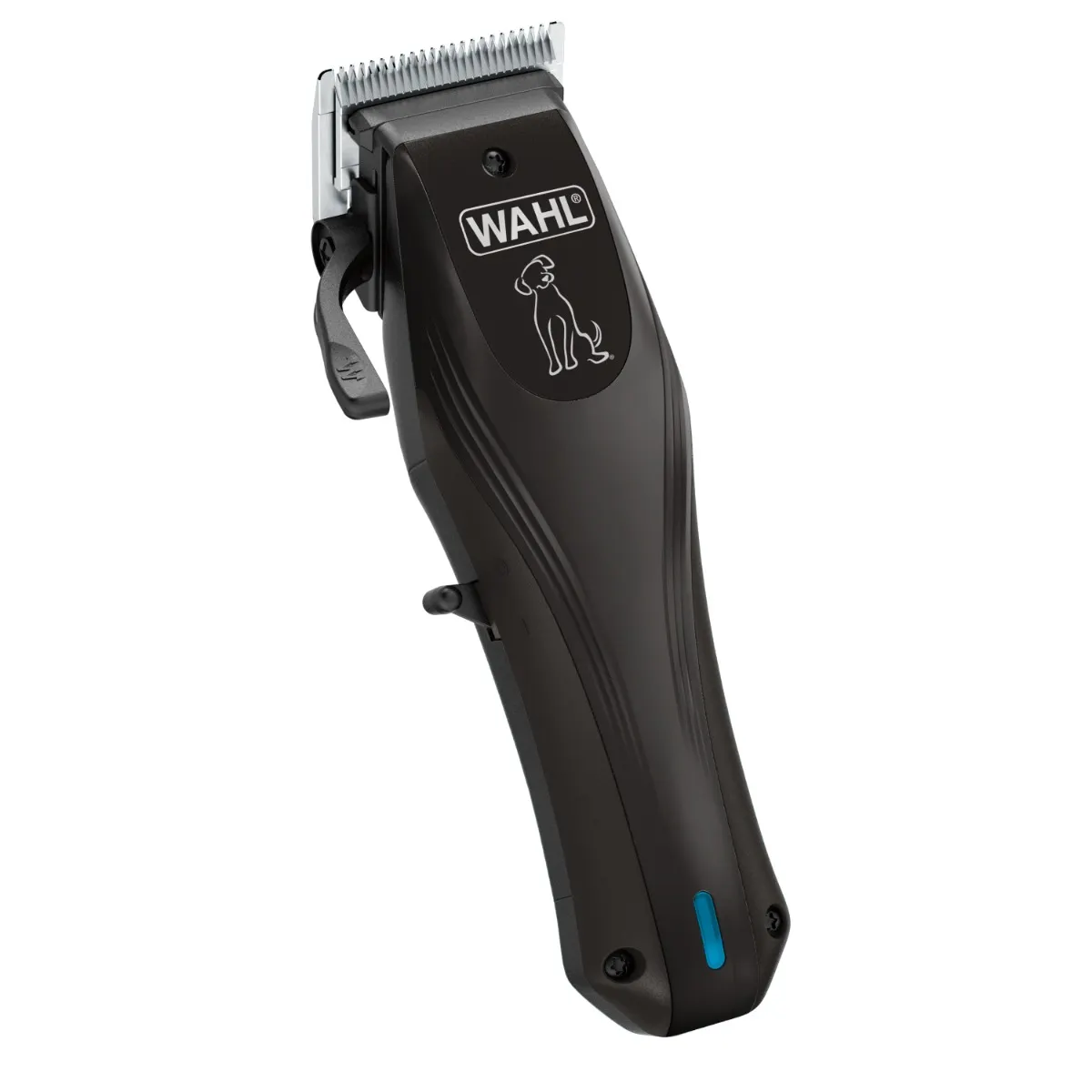
Clippers cut through coat density, but on a double coat their job is limited to paws, sanitary areas, and mat removal under veterinary guidance. Full-body shaving destroys the guard hairs and permanently disrupts thermal regulation. A blade that runs above the safe threshold creates micro-burns owners miss until scabs form. The motor’s stroke rate matters less than its torque consistency when dense undercoat loads the blade. A matted double coat pulls cheap blades into the skin because the motor stalls mid-cut and the user pushes harder to compensate. That push is where nicks happen. A proper double coat grooming system pairs a detachable-blade clipper with a rotary motor that holds speed when the coat fights back. The Andis AGC2 maintains two speeds under load, which keeps the blade cooler and the cut predictable. Budget clippers use pivot motors that slow down in dense fur. Slow blades snag. Snagged blades cut skin. The biological goal here is simple: trim the friction zones without touching the guard hairs on the body, and consult matted dog coat recovery protocols before attempting localized mat excision.
2. Dryers
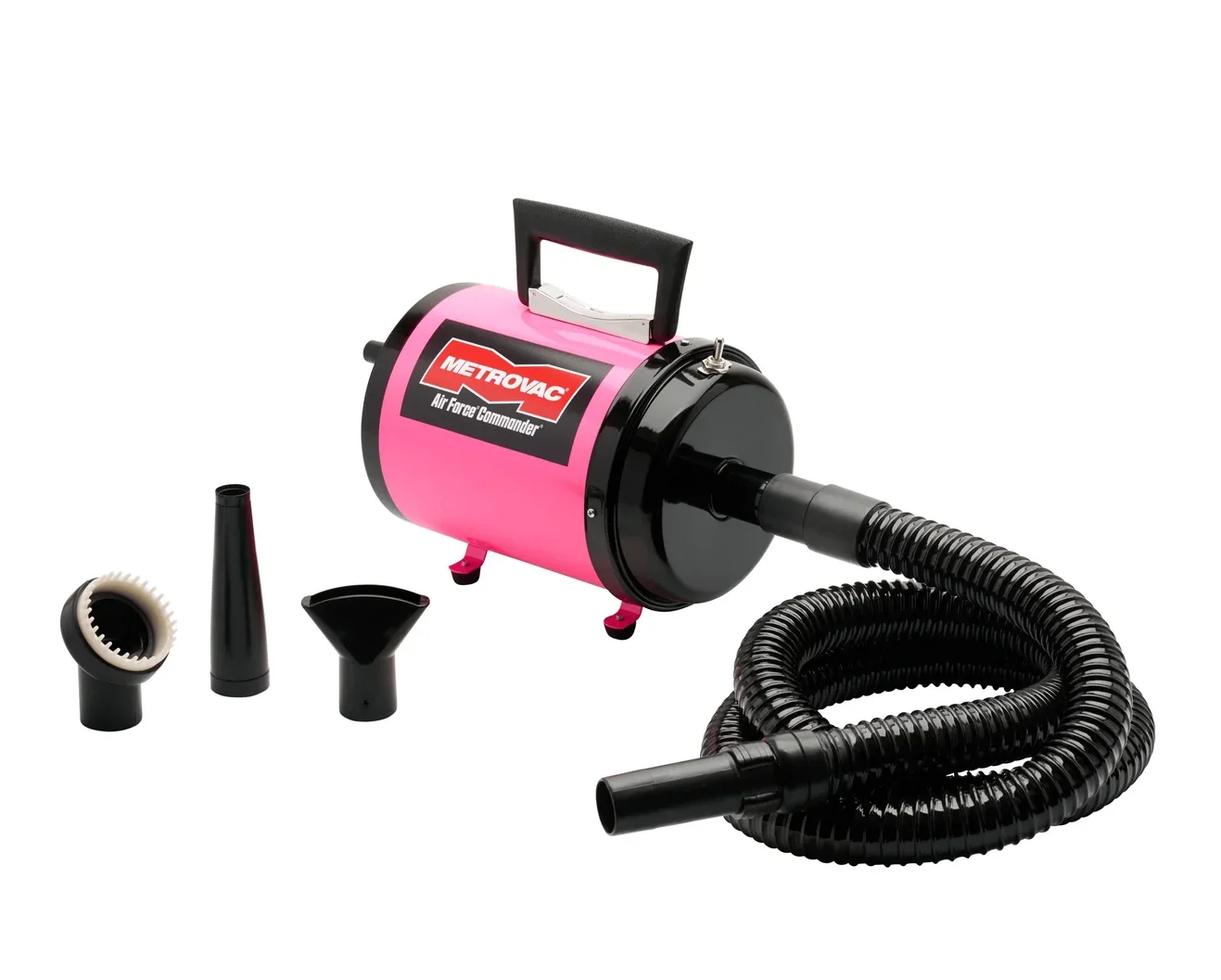
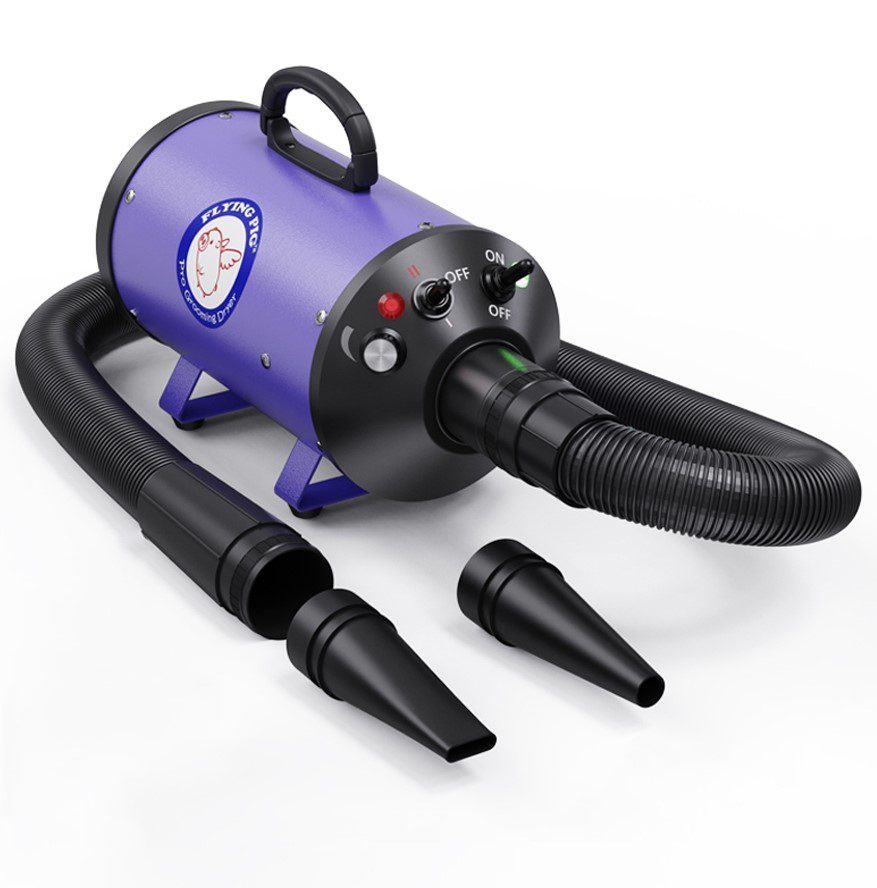
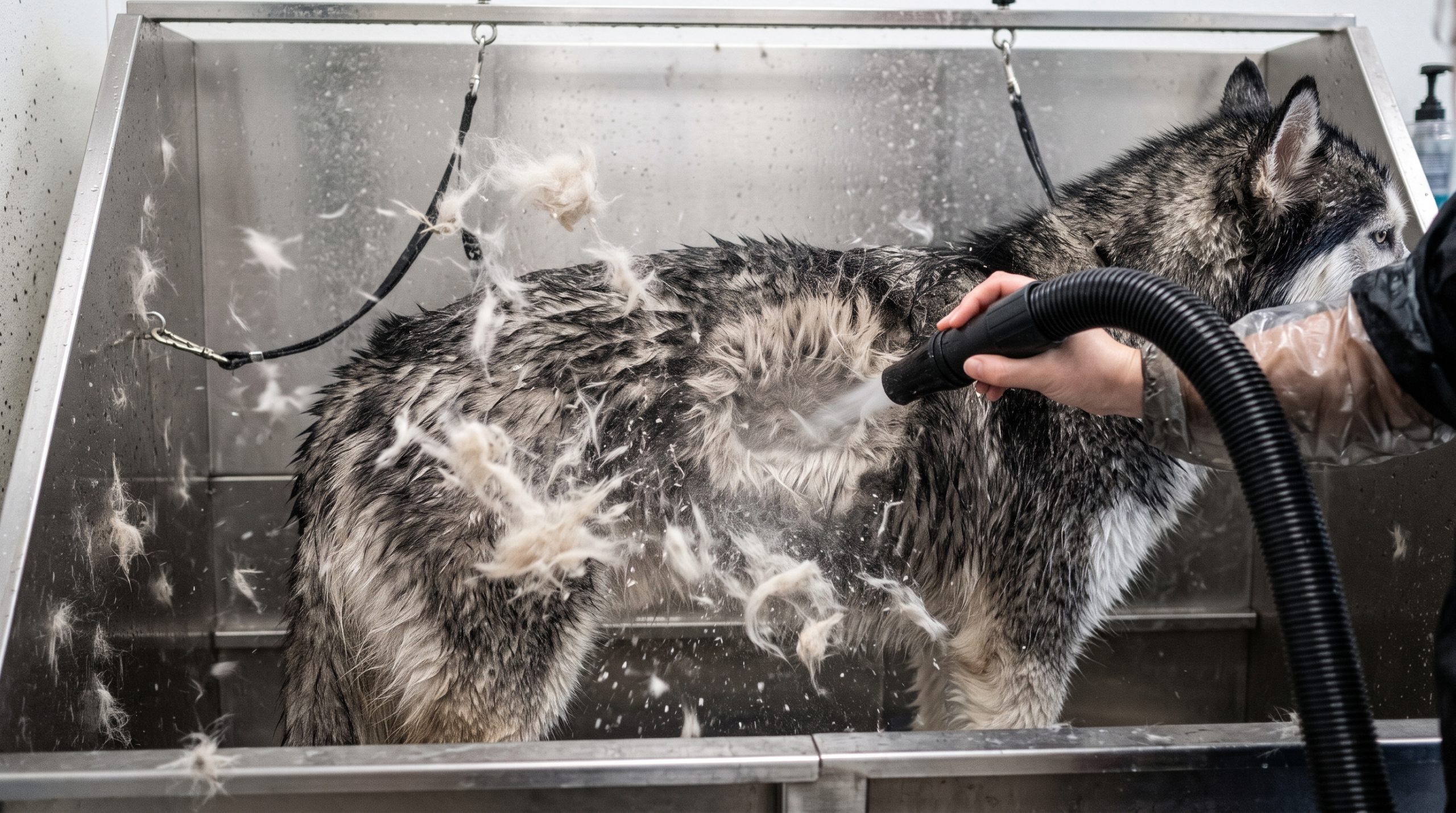
Dryers remove moisture from the undercoat before it reaches the skin, but their real value in a double coat grooming system is deshedding. High-velocity air gets under the guard hairs and drives loosened undercoat up and out of the layer. That is the only mechanical way to clear the dead undercoat that a rake loosens but cannot fully extract. A double coat can hold water against the epidermis long after the surface feels dry to the touch. That trapped moisture raises skin temperature. It softens the stratum corneum. Malassezia yeast then multiplies under the mat where nobody can see it. High-velocity dryers work by pushing water off the skin rather than heating it away. Heat-based human hair dryers are dangerous here. They burn skin at temperatures that feel mild to a human hand. The Metro Air Force Commander moves high-velocity ambient air, which strips water and dead undercoat from the dense layer without raising skin temperature. A proper double coat grooming system uses velocity, not heat, because the biological goal is clearing the undercoat and drying the skin at the same time during peak blowout cycles alongside excessive dog shedding management solutions.
3. Vacuums
Vacuums combine brushing and debris capture, and on a double coat the capture matters as much as the brushing. Undercoat that drops back into the coat after a rake pass defeats the entire session. A slicker head attached to a vacuum pulls loosened undercoat directly out of the coat and into the canister before it resettles. The Neakasa P2 Pro uses a low-noise motor and adjustable suction, which keeps noise-phobic dogs below their panic threshold. Lower noise means lower cortisol. Lower cortisol means the dog stands still. A still dog means the tool reaches the undercoat instead of skimming the guard hairs. This is the quiet advantage of a well-designed double coat grooming system: the tool removes stress alongside the hair. Budget vacuums trade noise for suction. That trade fails because a panicked dog fights the brush, and the undercoat stays impacted against the skin in a mat that tightens overnight.
| Product Image | Product Name | Verified Spec | Primary Button / Our Rating |
|---|---|---|---|
Pro Tier: Max Suction |
|
| |
Mid Tier: All-in-One |
|
| |
Budget Tier: High-Capacity Entry |
|
|

4. Brushes
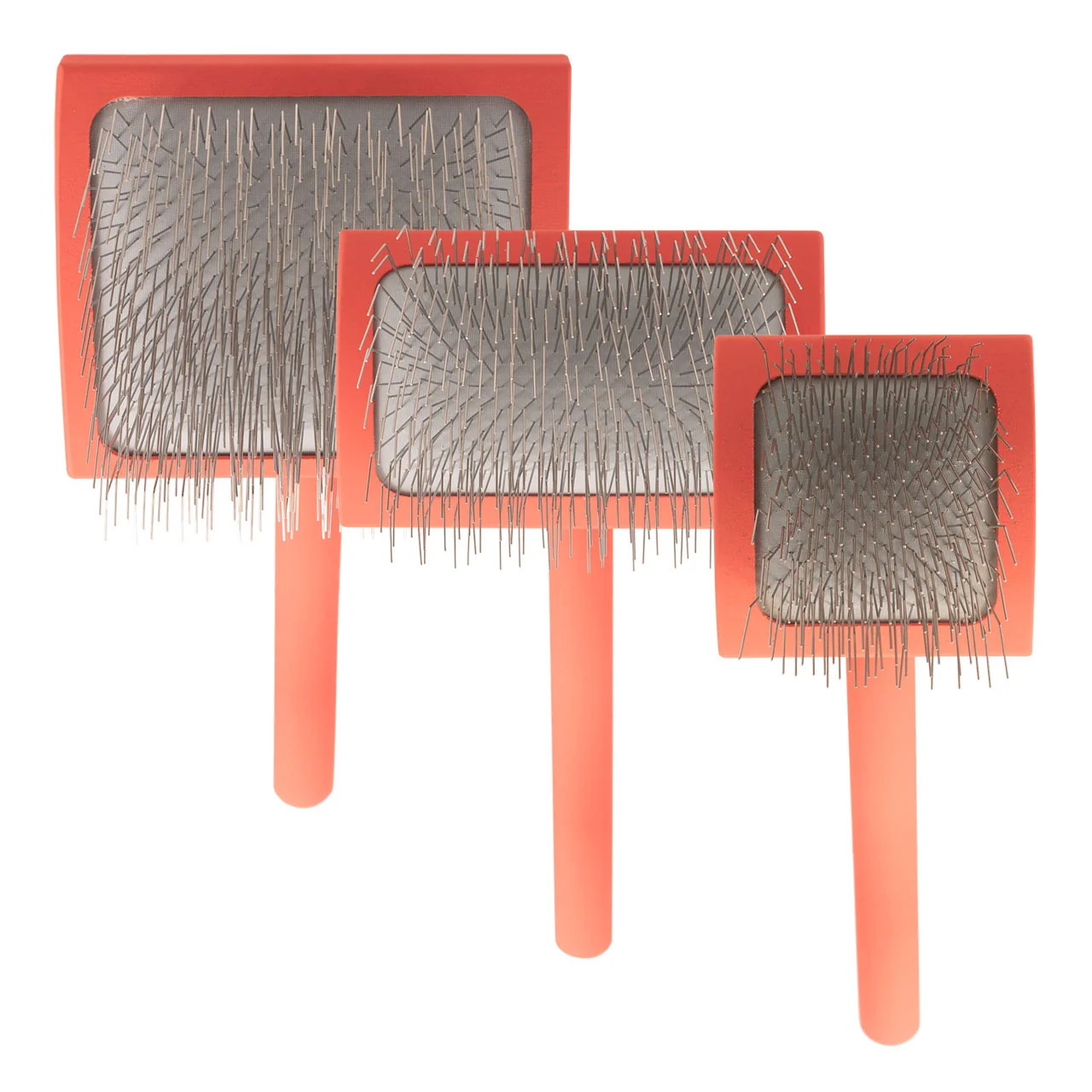
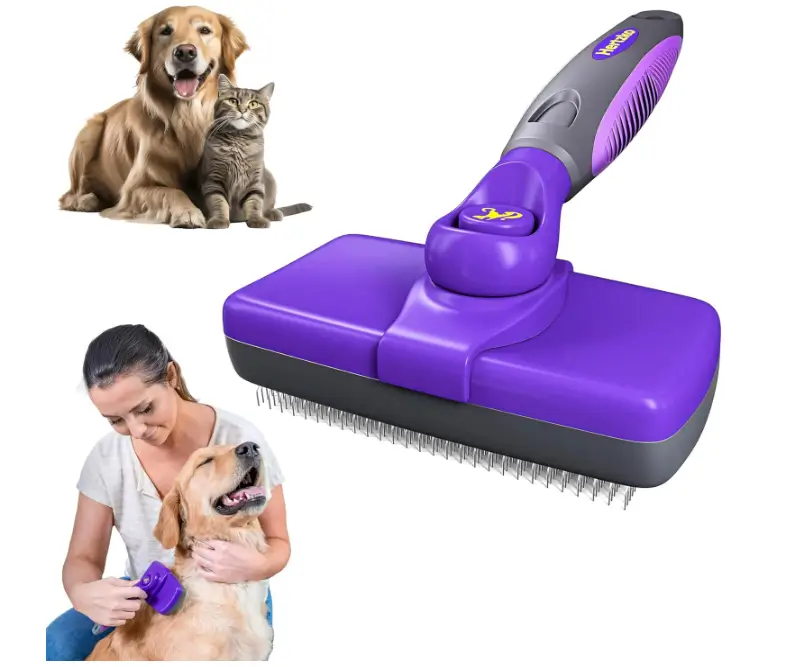
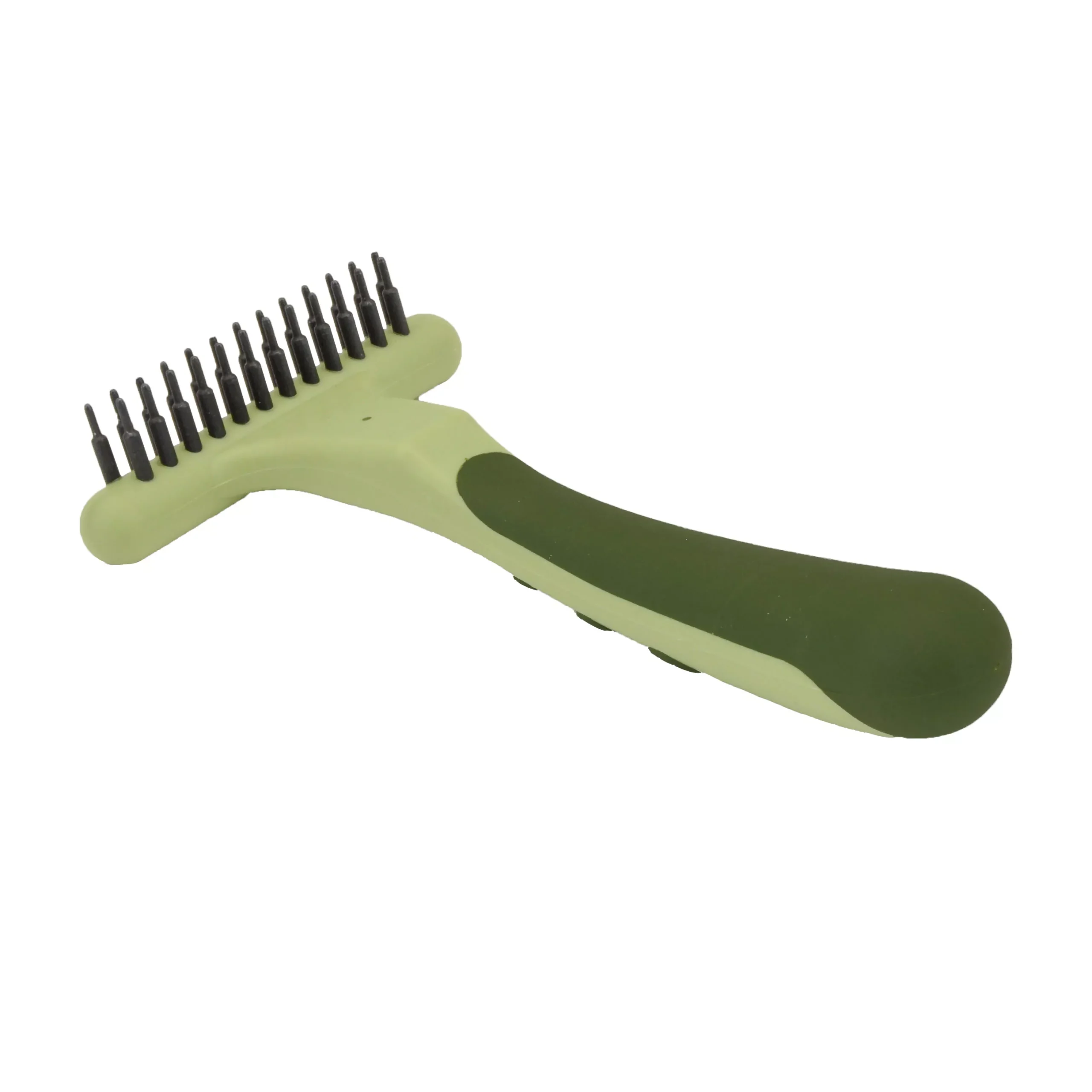
Brushes do two different jobs on a double coat, and the tools are not interchangeable. The rake is the biological workhorse. Safari Undercoat Rake tines reach under the guard hairs and break up impacted undercoat that has packed against the skin. That is the tool that solves the problem. Without a rake pass, no amount of slicker brushing will reach the felted layer, because the slicker pins ride over the guard hairs instead of penetrating them. The Chris Christensen Big G is the finisher. Long flexible pins separate the loosened undercoat from the live coat, distribute sebum down the shaft, and smooth the guard hairs back into alignment so the air layer can loft again. The biological goal of brushing is twofold: break the felted undercoat so air can circulate, and restore the guard hair layer so thermal regulation resumes. A proper double coat grooming system uses the rake first and the slicker second, in that order, every session. Reversing the order wastes time and leaves the mat in place. In our bench testing on a heavy-shedding Husky coat, reversing the order and running the slicker before the rake left almost the entire felted undercoat untouched against the skin.
| Product Image | Product Name | Verified Spec | Primary Button / Our Rating |
|---|---|---|---|
Pro Tier: Zero Abrasion |
|
| |
Mid Tier: Easy Clean |
|
| |
Budget Tier: Deshedding |
|
|
5. Shampoos
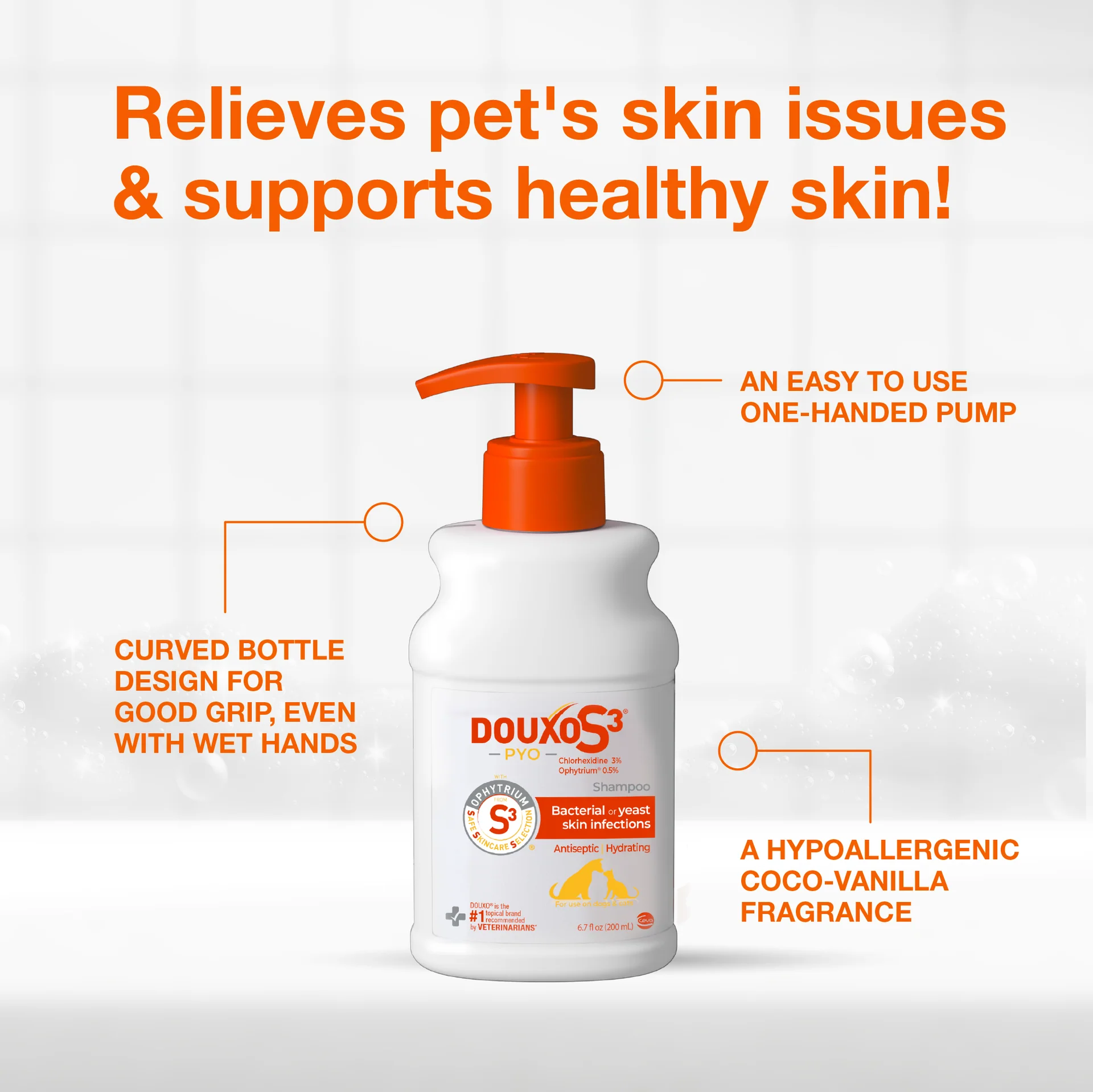
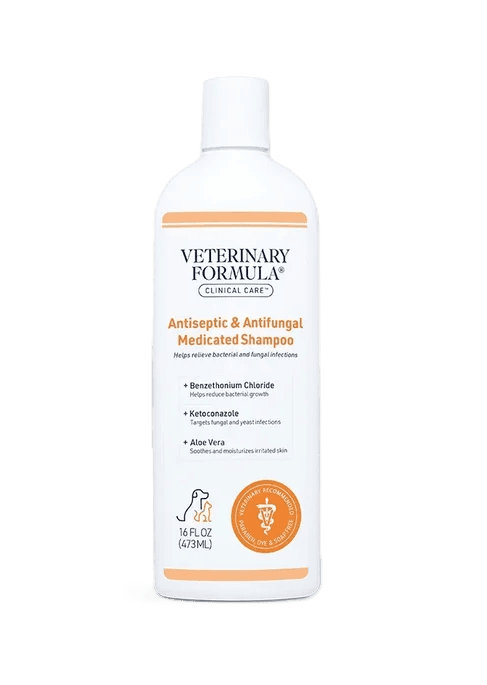
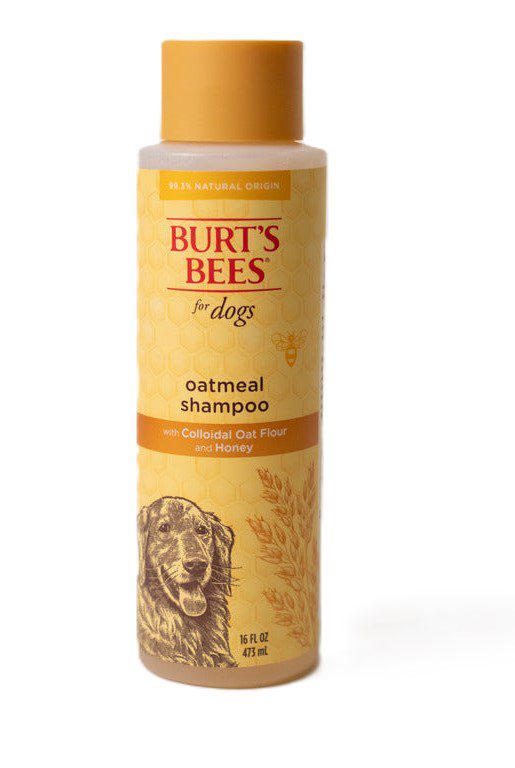
Shampoos either protect or strip the acid mantle under the coat. The difference comes down to surfactant chemistry and pH. A dog’s skin sits at a higher pH than human skin, which means human shampoo disrupts the barrier faster on a double-coated dog and can trigger a flare that takes weeks to resolve. Medical shampoos use active ingredients. Chlorhexidine and ketoconazole target pathogens. Oatmeal soothes. Douxo S3 PYO uses a pH-adjusted formula with phytosphingosine, which is a lipid that rebuilds the ceramide layer. That layer is the skin’s mortar. Strip it and bacteria walk through the bricks. A proper double coat grooming system includes a shampoo matched to skin condition, not coat color, guided by the canine epidermal barrier diagnostic matrix. Healthy skin needs a gentle oatmeal formula. Yeast-prone skin needs an antifungal. Bacterial pyoderma needs chlorhexidine. The PetMD dog bathing guide covers dilution and rinse technique, which matter more on a double coat because leftover shampoo sits against the skin under the undercoat.
| Product Image | Product Name | Verified Spec | Primary Button / Our Rating |
|---|---|---|---|
Pro Tier: Prescription-Strength Antiseptic |
|
| |
Mid Tier: OTC Medicated |
|
| |
Budget Tier: Barrier-Safe Maintenance |
|
|
6. Nails & Safety
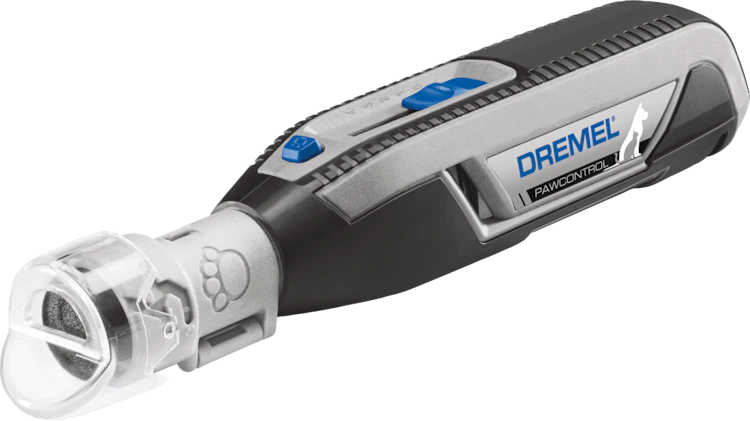
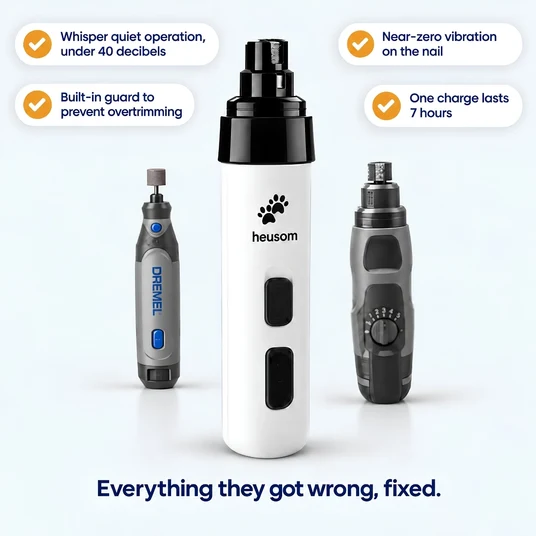
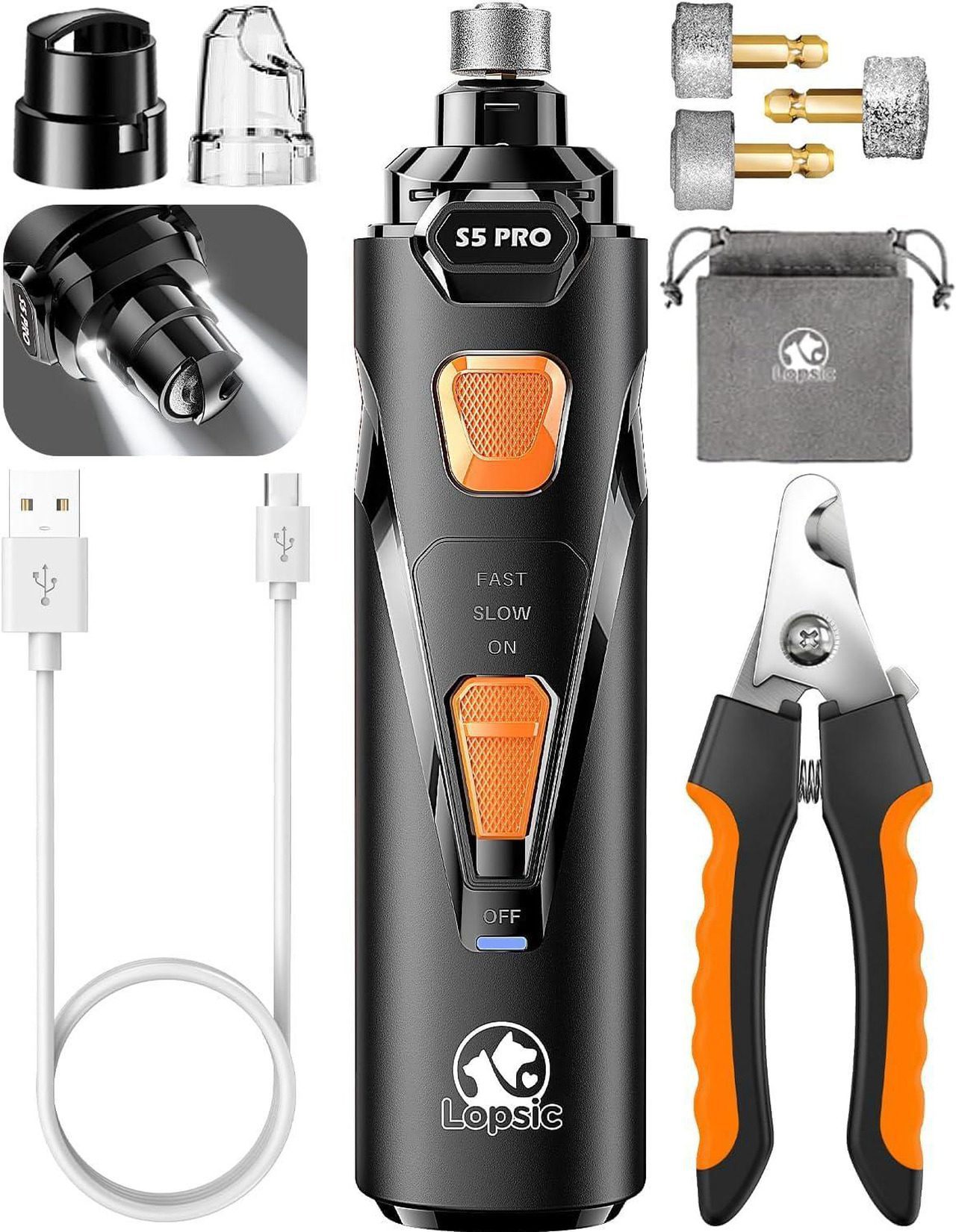
Nail grinders remove length without the crushing pressure of guillotine clippers. That pressure matters more on a double-coated dog because thick paw hair often hides an overgrown quick. A dull clipper crushes the nail before it cuts, which sends a vibration through the quick that dogs register as pain. A grinder sands the nail in small increments. The Dremel PawControl runs at two speeds and includes a guide that prevents over-grinding. That guide matters. Nail injuries typically happen when the user grinds past the quick. A proper double coat grooming system includes a grinder with a guard and a quiet motor, because noise drives dogs to pull their paws away mid-grind. Pulled paws and spinning bits are a bad combination. The biological goal is to shorten the nail to the point just before the quick without triggering the pain response that teaches a dog to fear the tool.
| Product Image | Product Name | Verified Spec | Primary Button / Our Rating |
|---|---|---|---|
Pro Tier: High-Output Precision |
|
| |
Mid Tier: Ultra-Low-Noise Entry |
|
| |
Budget Tier: Whisper-Quiet Desensitization |
|
|
Tool Physics by Double Coat Density
Allocating budget across a double coat grooming system follows mechanical load rather than uniform brand tiers. Invest in high-torque motors and rigid rake tines where dense undercoat resists extraction, while pairing economical finishing tools on low-friction surface tasks to protect guard hairs without overspending.
Mixing tiers saves money without sacrificing safety on a double coat. Pair the Budget Safari rake with the Pro Chris Christensen Big G. The logic follows a simple rule: spend on the tool that does the undercoat work, finish with the tool that protects the guard hairs. A rake touches impacted undercoat under pressure. Save money there and the undercoat stays packed. A slicker touches the coat surface, unlike curly coat grooming tool requirements where dematting slickers do the primary work. Save money there and the dog just gets brushed twice as long. That asymmetry is the whole architecture of a sensible double coat grooming system. Start with the grooming tool reviews hub to compare tiers side by side.
| Product Image | Product Name | Verified Spec | Primary Button / Our Rating |
|---|---|---|---|
Pro Tier: Salon Standard |
|
| |
Mid Tier: Cordless Heavy Duty |
|
| |
Budget Tier: Quiet & Light |
|
|
Clinical Contraindications
Full-body shaving is contraindicated for double-coated dogs because cutting slow-growing guard hairs collapses the insulating air layer and risks permanent post-clipping alopecia. Avoid low-torque clippers, weak-suction vacuums, low-velocity dryers, and oatmeal shampoos on active yeast infections, as each mismatch traps moisture or damages follicles.
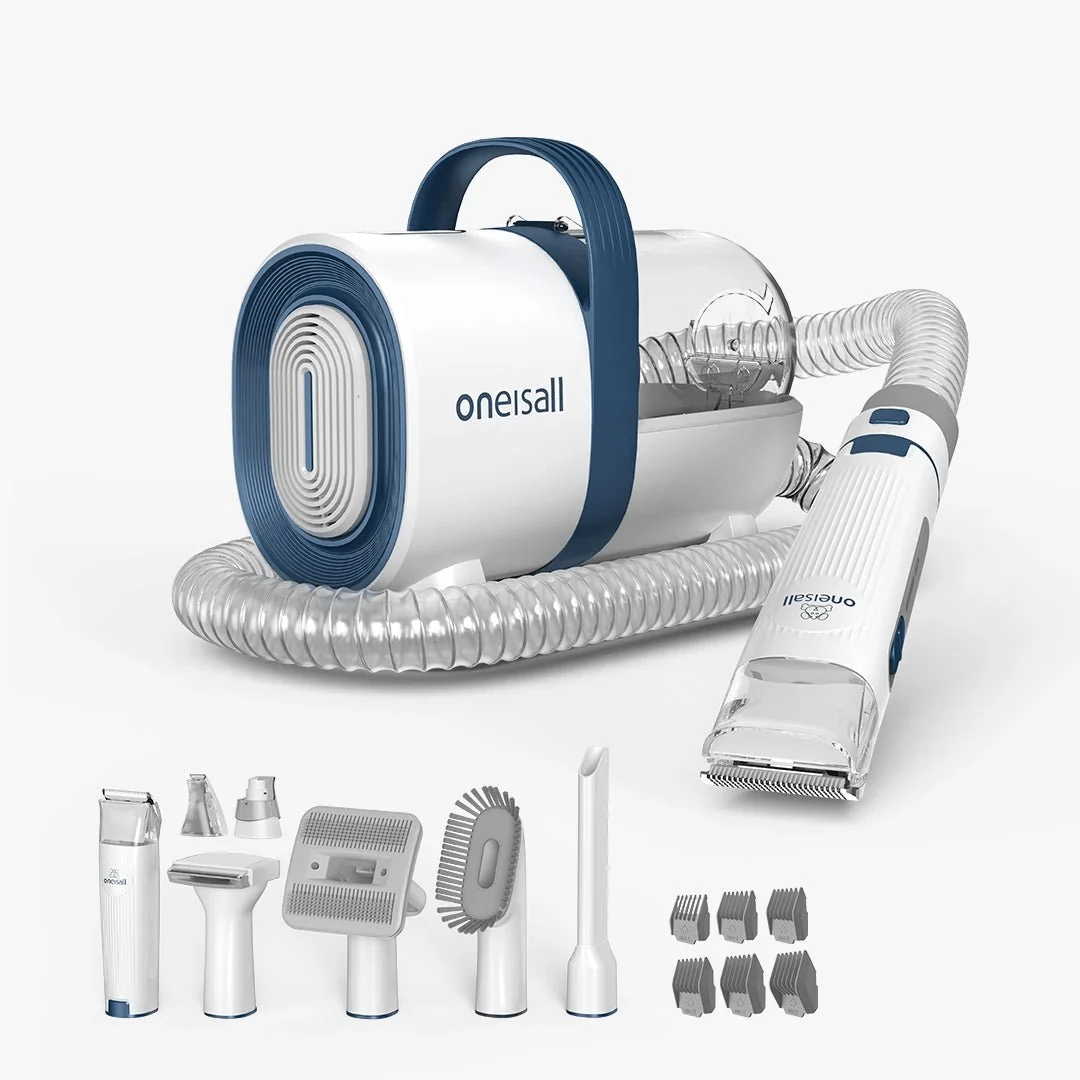
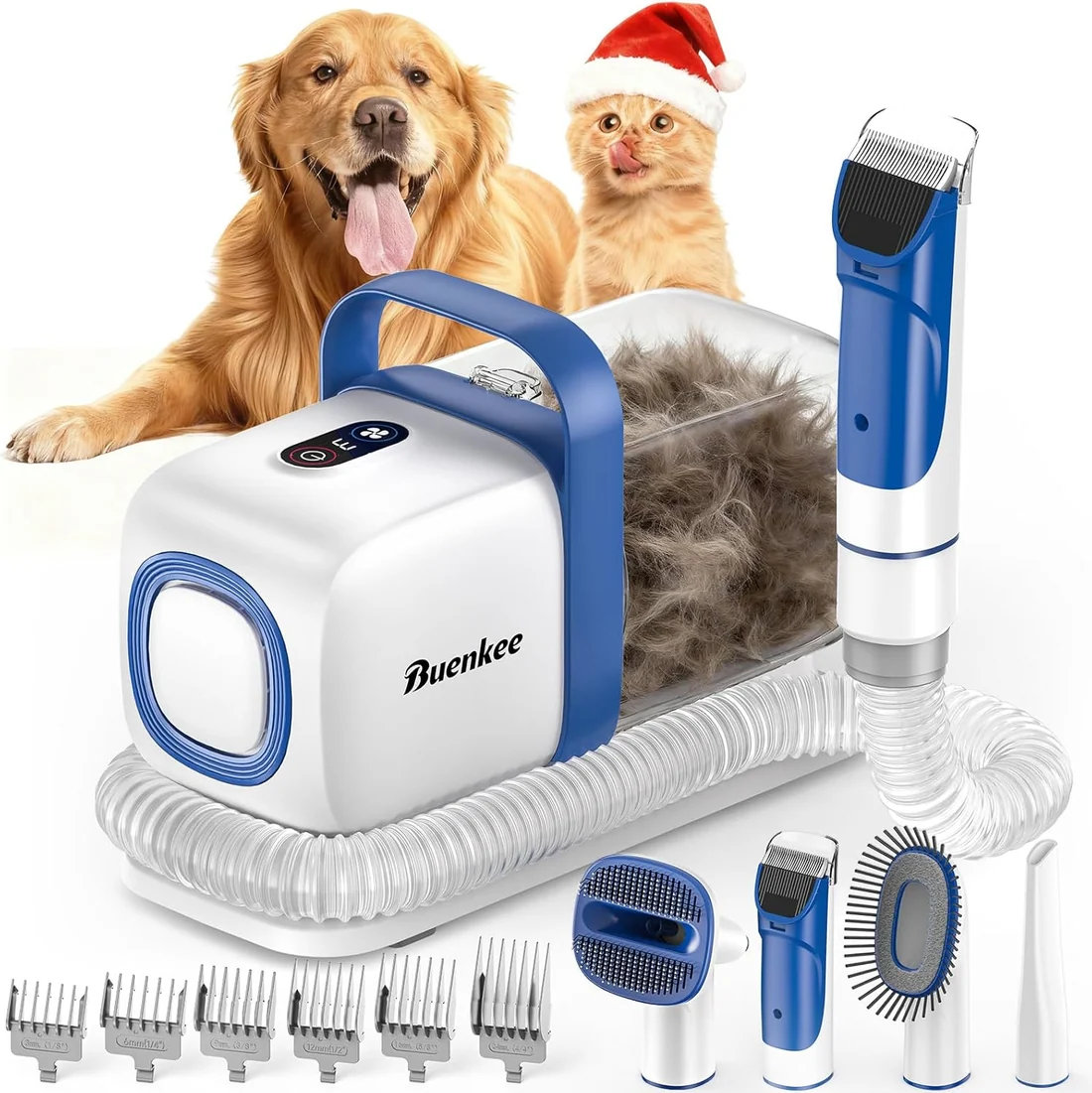
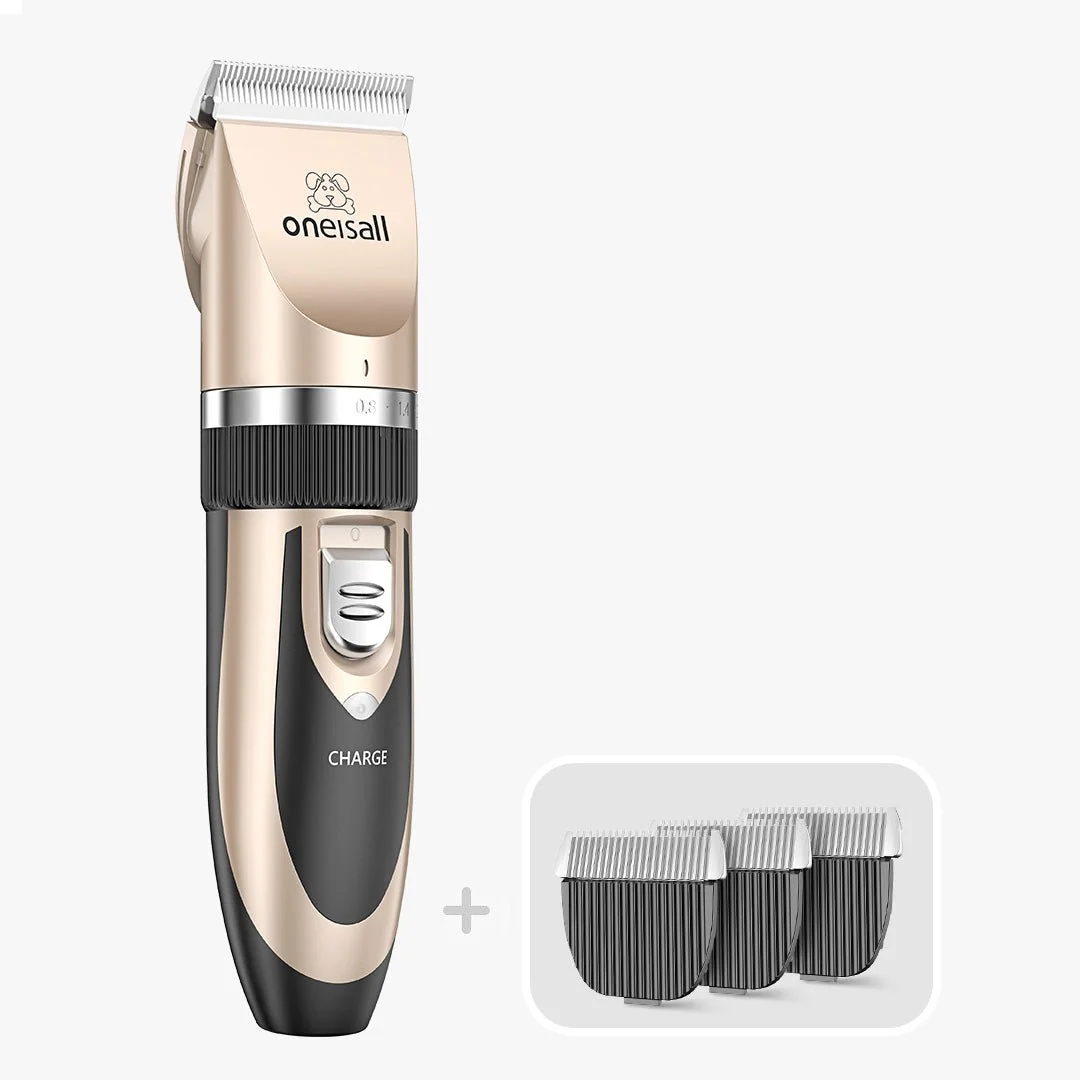
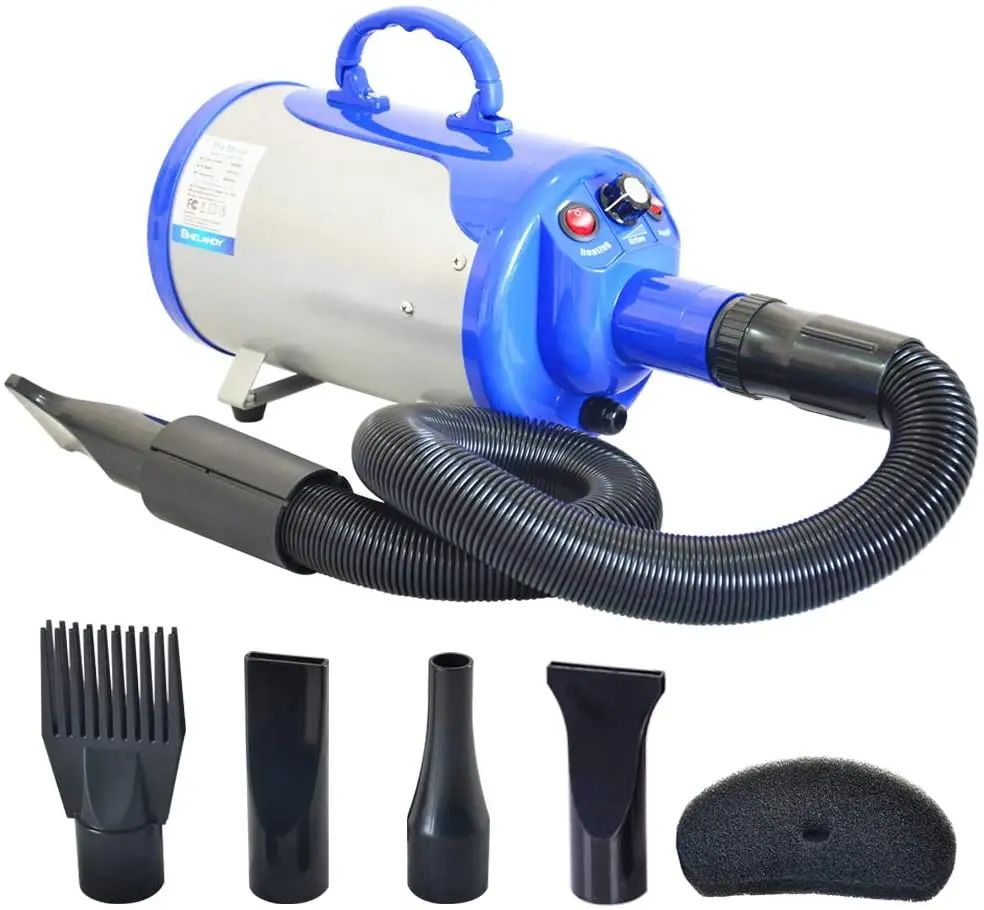
Never shave a double-coated dog. That is the single most damaging mistake an owner can make, and it belongs at the top of every double coat grooming system warning list. Shaving cuts through the guard hairs, which grow slowly and may never regrow at the same density. Once the guard hairs are gone, the undercoat has nothing to shed through, so it packs directly against the skin. Thermal regulation collapses. The dog overheats in summer because the air layer is gone, and shivers in winter because the same layer is gone. The AVMA veterinary literature documents post-clipping alopecia as a real and often permanent outcome in plush-coated breeds. Do not buy the oneisall clippers for a full-body shave on a Husky. The low-torque motor stalls in dense undercoat, the blade snags, and the user pushes harder to finish the pass, which is exactly how clipper burn and follicular damage happen. Do not buy the Buenkee vacuum for a heavy-blow double coat. The intake clogs within minutes and leaves the loosened undercoat to resettle. Do not buy the SHELANDY dryer on a full double coat. Low velocity leaves the undercoat damp, and a damp undercoat tightens overnight against the skin. Do not buy the Burt’s Bees oatmeal shampoo on a dog with active yeast under the coat. Oatmeal feeds the yeast and the undercoat traps it. These contraindications matter because the wrong tool on the wrong coat creates the injury the owner was trying to prevent, and that injury costs more in vet bills than the upgrade would have cost at checkout. A proper double coat grooming system respects the biology of both layers and refuses to cut one off to fix the other.
| Product Image | Product Name | Verified Spec | Primary Button / Our Rating |
|---|---|---|---|
Pro Tier: Lifetime Warranty |
|
| |
Mid Tier: Steel Shell Power |
|
| |
Budget Tier: High CFM Value |
|
|
Pre-Groom Palpation Checklist
Run this five-point palpation checklist before every double coat grooming session to detect hidden masses, dehydration, ear infections, and felted undercoat. Completing this two-minute hands-on inspection prevents painful tool snags and hidden skin injuries that owners often miss until a dog resists handling three days later.
- Check for lumps under the coat with flat palms. Double coats hide masses longer than any other coat type.
- Test skin tenting by lifting the skin between the shoulder blades. A tent that stays up signals dehydration, and a tent that follows a mat signals a hematoma risk.
- Smell each ear near the canal. Yeast smells like bread. Bacteria smells like decay. Dense ear hair traps both.
- Press each paw pad with your thumb. Heat or swelling means skip the nail grind. Thick paw hair hides the pads.
- Test undercoat tension by pressing two fingers into the coat at the shoulder. If the undercoat feels like felt instead of fluff, rake first and brush later.
Never groom a feverish dog. Skip any open sores. Wait on unexplained swelling. A proper double coat grooming system starts with a health check, not a rake. The full guides index covers breed-specific palpation variations.
Clinical Citations & Vet Disclaimer
The AVMA veterinary literature recommends that owners consult a veterinarian before using medicated shampoos on dogs with active skin disease. Skin disease is not a grooming problem. The AKC health resources note that improper clipping on a double coat can damage the follicle cycle and delay regrowth, a setback owners rarely connect to a dull blade in their double coat grooming system.
Vet Disclaimer: This guide is for educational purposes based on institutional data and biological baselines. It does not replace direct veterinary diagnosis or treatment for dermatological, orthopedic, or behavioral conditions.
Read more about our editorial standards and our lead author’s credentials.
Sensory Check: Brushless vs. Rotary Motors
Motor architecture determines the acoustic pitch and hand vibration your dog experiences before a blade or grinder touches the coat. Brushless and rotary motors maintain steady torque under dense undercoat load without high-frequency whine or stalling, lowering canine cortisol and preventing sudden movement injuries.
Motor type decides what your dog hears and feels before the blade ever touches coat. Brushless motors eliminate the carbon brush contact that produces the buzzing hum on cheaper cordless units, and they hold a steadier speed as the battery drains. Rotary motors, common in corded professional clippers, trade a little weight for torque that does not sag when dense undercoat loads the blade. Pivot motors sit at the bottom of the price ladder and slow noticeably under load. That slowdown is audible. It is also the moment a dog starts to pull away.
Noise behaves the same way across dryers and vacuums. A larger impeller turning at lower revolutions moves the same air volume with less high-frequency whine than a small impeller spinning fast. That whine, not the raw airflow, is what most dogs react to first. Published decibel figures vary by distance and measurement method, so verify any number against the manufacturer’s own listing before you rely on it. The practical test is simpler. Run the unit in another room and listen. If you can hear a sharp pitch through a closed door, your double coat grooming system is going to start every session with a stressed dog.
Vibration travels through the hand as much as the ear. Brushless clippers and grinders pass far less vibration into the palm, which means less pressure gets transferred to the skin. Less pressure means fewer nicks and a dog that stops bracing. Pay attention to this when you compare tiers, because a quieter double coat grooming system produces calmer dogs and calmer dogs produce cleaner clips.
Related Breed Cluster
Different coats need different protocols. A Husky coat needs a different double coat grooming system than a Golden Retriever coat. The breed protocols hub sorts every double-coated breed by how dense the undercoat runs and how aggressively the coat blows out in season. Start there before you buy a single tool for your double coat grooming system.
Frequently Asked Questions
Should I shave my double-coated dog in summer?
No. Shaving cuts the guard hairs that create the cooling air layer and can trigger post-clipping alopecia. Clear the undercoat with a rake and dryer instead so the coat can regulate temperature the way it evolved to.
Why does my dog’s clipper start to smell like burning?
Friction from a dull blade or a low-torque motor stalling under dense undercoat. Replace the blade and upgrade to a rotary motor if the smell returns during a full pass.
Do I rake or brush a double coat first?
Rake first, then brush. The rake breaks impacted undercoat loose from the skin, and the slicker only reaches that layer after the rake has opened it up.
Can a high-velocity dryer deshed my dog without a rake?
No. The dryer blasts loosened undercoat out of the coat, but it cannot break up felted undercoat that is still bound to the skin. Rake first, then dry.
What order should I buy tools in for a double coat grooming system?
Start with the Safari rake, then a high-velocity dryer, then the Chris Christensen Big G, then shampoo, then clippers and nails. Rake and dryer do the deshedding work that defines the whole system.


The PGA Hardware Desk analyzes and verifies mechanical specifications (SPM, CFM, motor torque, blade metallurgy) against biological and veterinary baselines. We do not accept payment for positive reviews. Our recommendations are derived from a synthesis of manufacturer technical data, veterinary ergonomics, and aggregated professional user experiences.